Window Tint Examples Percentage Guide for Beginners
Our window tint examples percentage guide breaks down every tint level you need to know. You will learn what VLT means, compare popular tint shades, and understand legal limits. Whether you tint a car, truck, or home window, this guide has you covered. Read on to find the perfect tint for your needs.
Have you ever looked at a car and wondered, “How dark is that tint?” Or maybe you have been shopping for window film and got completely lost by all the numbers. If so, you are not alone. The window tint examples percentage system can feel confusing at first. But here is the good news. Once you understand the basics, choosing the right tint becomes simple and even fun. This guide walks you through every percentage level with real-world examples. By the end, you will know exactly what tint percentage works best for you.
Window tint percentage refers to how much visible light passes through the film. A lower number means a darker tint. A higher number means a lighter tint. This measurement is called Visible Light Transmission, or VLT. Whether you are tinting a car, SUV, or home window, knowing your percentages makes all the difference. Let us dive in and explore the full range of window tint examples percentage options available today.
Key Takeaways
- VLT percentage determines how much light passes through your tint.
- Darker tints (5-20%) offer more privacy and heat rejection.
- Lighter tints (35-50%) balance style and visibility.
- Legal limits vary by state and vehicle type.
- Different tint materials (ceramic, carbon, dyed) perform differently at each percentage.
- Picking the right percentage depends on your goals: heat, privacy, or style.
📑 Table of Contents
- What Is Window Tint Percentage?
- Common Window Tint Percentages Explained
- How to Choose the Right Tint Percentage
- Window Tint Percentage by Vehicle Type
- Legal Limits for Window Tint
- Benefits of Different Tint Levels
- Quick Tips for Choosing Your Window Tint
- Common Mistakes to Avoid When Choosing Tint Percentage
- Expert Insights on Window Tint Percentages
- Key Takeaways
- Conclusion
What Is Window Tint Percentage?
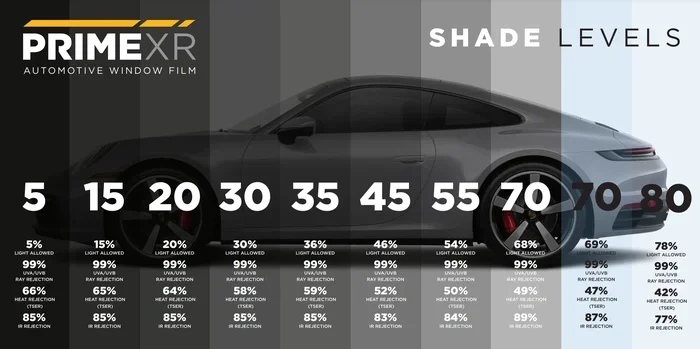
Window tint percentage is a simple way to describe how dark or light a tint film is. It tells you how much light the film lets through. For example, a 50% tint lets in half of the available light. A 5% tint, often called “limo tint,” lets in very little light. The window tint examples percentage scale runs from 5% to 90% and beyond.
The percentage is measured as VLT, which stands for Visible Light Transmission. This is the industry standard. Every tint film has a VLT rating. When you see a label that says “35% tint,” it means 35% of visible light passes through the glass. The rest is blocked by the film. Understanding this number is the first step in choosing the right tint percentage for your needs.
Why Does VLT Matter?
VLT matters because it affects three big things. First, it controls how much heat enters your vehicle or room. Second, it determines your level of privacy. Third, it impacts how well you can see through the glass, especially at night. A darker window tint percentage blocks more heat and gives more privacy. But it can also reduce visibility. A lighter tint shade percentage keeps things bright and clear but offers less heat protection. Finding the right balance is key.
Common Window Tint Percentages Explained
Not all tint levels are the same. Each percentage serves a different purpose. Let us look at the most popular window tint examples percentage levels and what they actually do.
5% to 10% Tint (Very Dark)
This range is often called “limo tint” for a reason. You will see it on luxury vehicles and private cars. At this level, almost no light gets through. The dark window tint percentage provides maximum privacy and excellent heat rejection. However, it is not legal for front side windows in most places. It also makes nighttime driving very challenging. This tint is best used on rear windows or private property.
15% to 20% Tint (Dark)
A 15% to 20% tint film percentage is a popular choice for car enthusiasts. It looks sleek and stylish while still offering strong heat protection. Many SUVs and trucks use this level on the rear windows. It gives a clean, uniform look. Visibility is reduced but still manageable during the day. At night, you may need to use your mirrors more carefully. This is a great middle-ground option for those who want a bold look.
25% to 35% Tint (Medium)
This is one of the most versatile ranges in window tint examples percentage. A 25% or 35% tint offers a noticeable darkening effect without going too extreme. It blocks a good amount of solar heat and UV rays. You still maintain decent visibility, even at night. Many people choose this level for all-around use. It works well on both front and rear windows in many states. If you are unsure what to pick, this range is a safe bet.
40% to 50% Tint (Light)
A lighter shade tint percentage like 40% or 50% gives a subtle, elegant look. It is barely noticeable from the outside. These tints still block a fair amount of heat and harmful UV rays. They are an excellent choice if you want the benefits of tinting without a dramatic darkening effect. Many people use this on front windows where visibility laws are strict. It is also a great option for homes and offices that want natural light with added comfort.
50% to 70% Tint (Very Light)
At this end of the window tint examples percentage spectrum, the tint is barely visible. These films are often called “clear” or “barely tinted.” They provide minimal heat reduction but still offer some UV protection. A 70% light tint percentage is popular for people who want the health benefits of UV blocking without changing the look of their windows. This is also a safe choice for areas with strict visibility laws.
How to Choose the Right Tint Percentage
Choosing the right tint percentage for windows depends on what you want to achieve. There is no one-size-fits-all answer. Let us break down the factors that matter most.
Define Your Goal
Ask yourself what you want from your tint. Is it heat reduction? Privacy? Style? UV protection? If heat rejection is your top priority, go with a lower tint percentage like 15% to 35%. If you just want a subtle look, a higher tint percentage like 40% to 50% works well. For maximum privacy, choose 20% or darker. Knowing your goal makes the decision much easier.
Consider Your Climate
Where you live plays a big role. Hot, sunny climates benefit from darker tints that block more solar energy. A ceramic tint at 20% can reject up to 80% of solar heat. In cooler climates, a lighter tint may be more comfortable. You do not want to block too much warmth during winter months. Think about your local weather before deciding on a window tint shade percentage.
Check Your Local Laws
Every state and country has its own legal tint limits. These laws specify how dark you can go on each window. For example, many states allow 20% on rear windows but require 70% or higher on the front windshield and side windows. Before you buy any automotive tint percentage film, check your local regulations. Getting pulled over for illegal tint is not worth the fine or the hassle.
Window Tint Percentage by Vehicle Type
Different vehicles have different tinting needs. A sports car has different requirements than a family minivan. Let us look at how window tint examples percentage applies to various vehicle types.
Sedans
Sedans are the most common vehicles for tinting. A popular setup is a 5% or 10% rear window tint percentage with a 35% tint on the front side windows. This gives the car a sporty look while keeping the front windows legal in most states. The front windshield usually gets a non-metallic strip at the top, which is allowed almost everywhere.
SUVs and Trucks
SUVs and trucks often use darker tints across all windows. A 20% to 35% SUV tint percentage on all windows is very common. These larger vehicles benefit from the extra heat rejection. The bigger glass surface area means more solar heat enters the cabin. A good dark window tint percentage helps keep the interior cool. Many truck owners also prefer a uniform look with the same percentage on all windows.
Minivans and Family Vehicles
Families often prefer lighter tints for safety and visibility. A 35% to 50% family vehicle tint percentage works well. It provides UV protection and some heat reduction without darkening the cabin too much. Parents appreciate being able to see their children in the back seat. A lighter tint level percentage also makes it easier for kids to exit the vehicle in low-light conditions.
Legal Limits for Window Tint
Window tint laws vary widely from state to state. What is legal in Arizona may not be legal in New York. Understanding these rules is essential before you get your window tint installed.
Front Side Windows
Most states require a minimum VLT of 50% to 70% on front side windows. This means you can go as dark as 30% to 50% tint. Some states are stricter and only allow 70% or above. Always verify your state’s specific rules. The front window tint percentage is the most regulated because it affects driver visibility.
Rear Windows and Rear Windshield
Rear windows usually have more relaxed rules. Many states allow 20% to 5% tint on rear side windows and the rear windshield. Some states require a minimum of 35% on all windows. If you have a dark tint percentage on your rear windows, you may also need dual side mirrors. Check your local vehicle codes before tinting.
Windshield Tint
Full windshield tinting is almost never legal. However, most states allow a non-reflective strip along the top of the windshield. This strip is usually limited to the top 4 to 6 inches. The windshield tint percentage for this strip is typically 70% or higher. It helps reduce glare without blocking the driver’s view.
Benefits of Different Tint Levels
Each window tint percentage level comes with its own set of benefits. Let us compare them side by side so you can see which one fits your lifestyle.
Heat Rejection
Darker tints reject more solar heat. A 5% tint can reduce interior temperatures by 30 to 40 degrees. A 50% tint still offers meaningful heat reduction, usually around 15 to 20 degrees. If you live in a hot climate, a lower tint percentage will make your car or home noticeably cooler. This also reduces your reliance on air conditioning, which saves fuel and energy.
UV Protection
Most quality tint films block 99% of harmful UV rays regardless of the percentage. This means even a 70% tint offers strong UV protection. UV rays cause skin damage and fade your interior over time. A good UV-blocking window tint protects both your health and your vehicle’s cabin. This is one benefit you get at every tint level.
Privacy and Security
Darker tints make it harder for people to see inside your vehicle. A 5% or 10% privacy tint percentage is almost impossible to see through from the outside. This adds a layer of security for your belongings. Even a 20% tint provides a good level of privacy during the day. For nighttime, however, interior lights will still be visible through lighter tints.
Glare Reduction
Tints reduce glare from the sun and headlights at night. A 35% tint cuts glare significantly without making the cabin too dark. A 15% tint offers maximum glare reduction. If you drive long hours or commute in bright sunlight, a medium tint percentage can greatly improve your comfort and safety on the road.
Style and Appearance
Let us not forget the look. A dark tint percentage gives your vehicle a sleek, premium appearance. A lighter tint offers a subtle upgrade. Many people choose their tint level based on how they want their car to look. The window tint examples percentage you pick can completely change the aesthetic of your vehicle. There is no wrong choice here, only personal preference.
Quick Tips for Choosing Your Window Tint
- Start with your state’s legal limits. This narrows your options immediately.
- Think about your daily driving conditions. If you drive mostly at night, go lighter.
- Ask about tint material. Ceramic, carbon, and dyed films perform differently at the same percentage.
- Get a sample before committing. Many shops will let you hold a tint sample against your glass.
- Consider your climate. Hotter climates benefit from darker, higher-performance tints.
- Factor in resale value. Very dark tints may not appeal to all buyers if you plan to sell soon.
Common Mistakes to Avoid When Choosing Tint Percentage
Many people make avoidable mistakes when selecting their window tint percentage. Here are the most common ones and how to dodge them.
- Ignoring local laws. This is the number one mistake. Illegal tint leads to fines and forced removal.
- Choosing based on looks alone. A tint that looks great may not perform well for heat or UV protection.
- Skipping quality film. Cheap dyed films fade and bubble within a year or two. Invest in quality.
- Forgetting about nighttime visibility. A very dark tint can make night driving dangerous if you are not used to it.
- Not considering the front windshield. Even a small strip of tint on the windshield has legal limits you must follow.
Expert Insights on Window Tint Percentages
Professional tint installers see the same questions every day. Here is what the experts want you to know about window tint examples percentage.
“The biggest mistake we see is people picking a tint based on what looks cool on someone else’s car,” says Jake Morrison, a certified tint installer with over 12 years of experience. “Every vehicle and every driver is different. A 20% tint on a sedan might be too dark for one person but perfect for another. The key is to know your priorities and your local laws.”
Experts also emphasize the importance of film quality. “A 35% ceramic tint outperforms a 5% cheap dyed tint in almost every category,” Morrison adds. “The material matters just as much as the percentage. When in doubt, go with a reputable brand and a professional installer.”
Key Takeaways
- VLT percentage determines how much light passes through your tint.
- Darker tints (5-20%) offer more privacy and heat rejection.
- Lighter tints (35-50%) balance style and visibility.
- Legal limits vary by state and vehicle type.
- Different tint materials (ceramic, carbon, dyed) perform differently at each percentage.
- Picking the right percentage depends on your goals: heat, privacy, or style.
Conclusion
Choosing the right window tint examples percentage does not have to be overwhelming. You now know what each percentage range looks like, what it does, and how to pick the best one for your needs. Whether you want a sleek 5% limo look or a subtle 50% clear tint, there is a perfect option for you. Remember to always check your local laws first. Then consider your climate, your driving habits, and your personal style. With the right tint percentage, you will enjoy less heat, better UV protection, more privacy, and a better-looking vehicle or home. Start your window tinting journey today with confidence.
Frequently Asked Questions
What does 20% window tint look like?
A 20% tint is noticeably dark but still allows some light through. It provides good privacy during the day and blocks a significant amount of solar heat. From the outside, it looks sleek and uniform. Many car owners choose 20% for their rear windows to get a bold look without going fully dark.
Is 5% tint legal anywhere?
In most states, 5% tint is only legal on rear windows or the rear windshield. Front side windows and windshields usually have stricter limits, often requiring 50% or higher VLT. Some states do not allow any tint below 20% on any window. Always check your local vehicle tint laws before applying a 5% film.
What is the best tint percentage for hot climates?
For hot climates, a 15% to 35% tint works best. These levels block a large amount of solar heat and UV rays. Ceramic films at these percentages offer the highest heat rejection. They keep your vehicle or home cooler without making the interior too dark.
Can I see through a 35% tint at night?
Yes, a 35% tint is generally easy to see through at night. It lets in enough light for clear visibility. However, if the interior of your vehicle is very bright, it may be slightly visible from the outside. For safest nighttime driving, pair a 35% tint with good exterior lighting and clean glass.
Does window tint percentage affect UV protection?
Most quality tint films block 99% of UV rays regardless of the percentage. This means even a 70% light tint offers strong UV protection. The percentage mainly affects how much visible light and heat are blocked. Always check the UV protection rating when purchasing any tint film.
How long does window tint last at different percentages?
Darker tints do not necessarily last longer or shorter than lighter ones. Durability depends on the film material and quality. Ceramic and carbon films last 10 to 15 years regardless of the percentage. Cheap dyed films may fade or bubble within 2 to 3 years. Invest in quality film for the best longevity.