When Water and Oil Mixing in Your Car Signs You Need to Know
Water and oil mixing in your car is a serious problem that can destroy your engine if ignored. You may notice a milky oil cap, white exhaust smoke, or overheating as early warning signs. This guide covers every symptom, cause, and fix so you can act fast and save your vehicle from costly repairs.
Your car’s engine relies on a delicate balance. Oil lubricates moving parts. Coolant keeps temperatures in check. These two fluids should never meet. But when they do, things go wrong fast. Understanding the signs of water and oil mixing in your car can save you from a nightmare repair bill.
Maybe you noticed something odd under your hood. Perhaps your oil looks different. Or your engine runs hotter than usual. Whatever caught your attention, this article will help you figure out what is going on. We will walk through every sign, every cause, and every fix. You will walk away knowing exactly what to do next.
Key Takeaways
- Milky or frothy oil on the dipstick is the most visible sign of water and oil mixing in your car.
- A blown head gasket is the most common cause of coolant entering the oil system.
- Ignoring the problem can lead to engine overheating, seized pistons, and total engine failure.
- Simple DIY checks like the dipstick test and oil cap inspection can catch the issue early.
- Repair costs vary widely, from a few hundred dollars for a gasket fix to thousands for engine replacement.
- Regular oil changes and coolant system maintenance help prevent water and oil contamination.
📑 Table of Contents
- What Happens When Water and Oil Mix in Your Car
- Top Signs That Water and Oil Are Mixing in Your Car
- Common Causes of Water and Oil Mixing in Your Car
- How to Diagnose Water and Oil Mixing in Your Car
- Fixes and Repair Options for Water and Oil Mixing in Your Car
- Prevention Tips to Avoid Oil and Water Contamination
- How Much Does It Cost to Fix Water and Oil Mixing Issues?
- Common Mistakes People Make When They Notice Oil and Water Mixing
- Expert Insights on Oil and Water Contamination
- When to Seek Professional Help
- Final Thoughts
What Happens When Water and Oil Mix in Your Car
Oil and water do not mix. Period. This is basic science. Oil is hydrophobic, meaning it repels water. Coolant and engine oil are designed to stay in separate channels inside your engine. But when a component fails, these fluids can cross paths. The result is oil contamination that weakens both fluids.
When water enters your oil system, it loses its lubricating power. Oil becomes thin and gritty. Moving parts inside the engine start grinding against each other. Metal-on-metal contact causes wear and heat. Over time, this leads to serious engine damage. The sooner you catch the problem, the better your chances of avoiding a full engine rebuild.
Coolant mixing into oil also creates acidic byproducts. These acids corrode internal engine components. Bearings, cylinder walls, and camshafts all suffer. The contamination spreads quickly through the oil reservoir every time you drive. This is why early detection matters so much.
The Science Behind Oil and Water Separation
In a healthy engine, oil and coolant live in completely separate worlds. The oil channels surround the crankshaft and pistons. The coolant channels wrap around the combustion chamber and cylinder head. A component called the head gasket keeps them apart. When this gasket fails, the barrier breaks down.
Some engines have a separate oil cooler that uses coolant to regulate oil temperature. In these systems, a small heat exchanger allows minimal contact. But even here, a leak can cause oil and water mixture problems. The key is catching it before the contamination becomes severe.
Top Signs That Water and Oil Are Mixing in Your Car
Your car gives you plenty of warning signs. The trick is knowing what to look for. Here are the most common indicators of water and oil mixing in your car.
Milky or Frothy Oil on the Dipstick
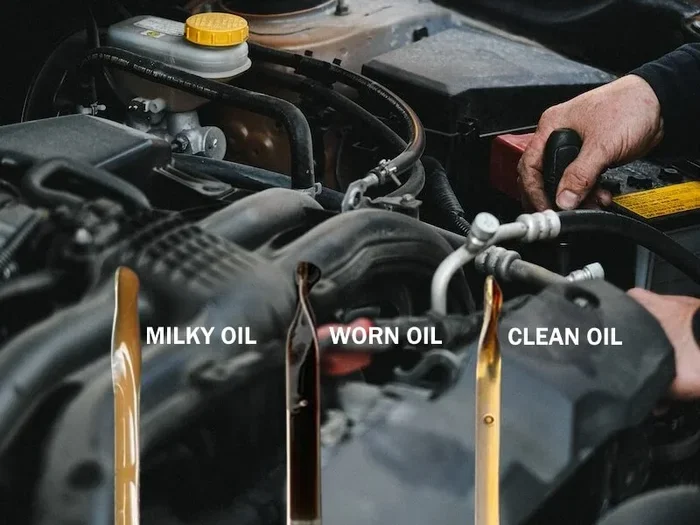
This is the number one sign. Pull out your dipstick and look closely at the oil. Healthy oil is amber or brown. It should be smooth and slick. If you see a milky, chocolate-milk-like substance, water has entered the oil. This is often called a milky oil cap symptom because the same frothiness appears under the oil fill cap.
Do not ignore this. Even a small amount of coolant in oil can cause big problems. The milky appearance means the oil separation process has failed. Your oil can no longer protect your engine properly.
White Smoke Coming From the Exhaust
Thin white smoke on a cold morning is normal. But thick, sweet-smelling white smoke that lasts all day is not. This is a classic sign of coolant burning inside the combustion chamber. When coolant leaks into the cylinders, it vaporizes and exits through the exhaust pipe.
Pay attention to the smell. Coolant has a sweet, almost syrupy scent. If your exhaust smells sweet and the smoke is persistent, get your car inspected immediately. This is one of the clearest signs of water and oil mixing in your car or coolant entering the combustion area.
Overheating Engine
Your engine runs hot. That is normal. But if the temperature gauge climbs into the red zone frequently, something is wrong. Coolant loss from a leak means less cooling fluid circulates through the system. Your engine starts to overheat, which accelerates wear on all internal parts.
Overheating can also be caused by oil pressure drop. When oil becomes contaminated with water, it loses viscosity. Thin oil cannot maintain proper pressure. This means less lubrication and more heat. The cycle spirals quickly if you do not address it.
Bubbles in the Coolant Reservoir
Open your coolant reservoir and look for air bubbles. Some bubbles are normal when the engine is warming up. But constant bubbling after the engine is warm suggests exhaust gases are leaking into the cooling system. This happens when a head gasket fails and combustion gases push through into the coolant passages.
This sign often goes unnoticed because many people never open their coolant reservoir. Make it a habit to check under the hood regularly. Catching coolant leak symptoms early can save you thousands.
Oil Pressure Warning Light
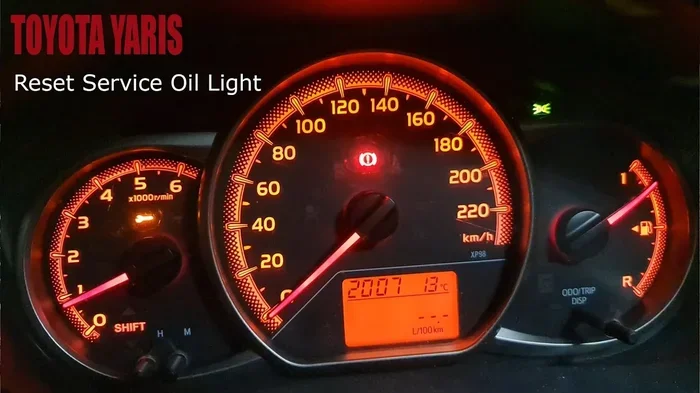
Your dashboard has a warning light shaped like an oil can. If this light comes on, your oil pressure is too low. Contaminated oil cannot maintain proper pressure. Water mixed into oil thins it out and reduces its ability to flow through narrow passages.
Never drive with the oil pressure light on. Pull over safely and turn off the engine. Continuing to drive with low oil pressure can cause catastrophic engine damage within minutes.
Coolant Level Dropping Without Visible Leaks
If you constantly need to top off your coolant but cannot find an external leak, the fluid may be going somewhere it should not be. Internal leaks send coolant into the oil system or the combustion chamber. Check your coolant level regularly. A dropping level with no puddles under your car is a red flag.
Common Causes of Water and Oil Mixing in Your Car
Now that you know the signs, let us talk about why this happens. Understanding the causes helps you prevent future problems.
Blown Head Gasket
The head gasket sits between the engine block and the cylinder head. It seals the combustion chambers and keeps oil and coolant in their separate channels. When this gasket blows, the seal breaks. Coolant leaks into the oil passages, and combustion gases escape into the cooling system.
A blown head gasket is the leading cause of water and oil mixing in your car. It can happen from overheating, age, or manufacturing defects. The repair involves removing the cylinder head and replacing the gasket. It is not a cheap fix, but it is far cheaper than replacing a wrecked engine.
Cracked Cylinder Head
Aluminum cylinder heads can crack over time, especially from repeated overheating episodes. A crack creates a pathway between the coolant channel and the oil gallery. Coolant seeps through the crack and contaminates the oil.
Cracked heads are more serious than blown gaskets. In some cases, the head can be repaired through a specialized welding process. In other cases, replacement is the only option. A mechanic can diagnose this with a pressure test or by inspecting the head visually.
Cracked Engine Block
The engine block is the foundation of your entire powertrain. A crack in the block is the worst-case scenario. Coolant and oil can mix freely through the crack. Engine block cracks often result from severe overheating, freezing, or casting defects.
Repairing a cracked block is extremely expensive. In many cases, a used or remanufactured engine replacement makes more financial sense. This is why preventing overheating and addressing small problems early is so important.
Damaged Oil Cooler Lines
Some vehicles have an oil cooler that uses coolant to regulate oil temperature. The lines connecting this cooler can develop leaks. When a line fails, coolant mixes directly with the oil supply.
This is one of the easier problems to fix. Replacing a damaged oil cooler line costs much less than a head gasket job. Regular undercarriage inspections can catch leaking lines before they cause major oil contamination.
Worn Piston Rings or Cylinder Walls
In some cases, combustion gases can push past worn piston rings and enter the crankcase. This creates pressure that forces coolant into the oil system through small passages. Worn rings also allow oil to enter the combustion chamber and burn.
This type of damage usually comes from high mileage or poor maintenance. Regular oil changes and using the right engine oil appearance grade can extend the life of your piston rings significantly.
How to Diagnose Water and Oil Mixing in Your Car
If you suspect contamination, you do not need to be a mechanic to perform some basic checks. These simple tests can confirm your suspicions before you visit a shop.
The Dipstick Test
Pull the dipstick and wipe it clean. Reinsert it fully, then pull it out again. Look at the oil on the stick. Healthy oil is smooth and translucent. Contaminated oil looks milky or frothy. If you see any white or cream-colored streaks, water is present.
For a more definitive test, place a drop of oil on a white paper towel. Let it sit for a few minutes. If the oil leaves a brown or yellow halo, water is mixed in. Clean oil spreads evenly without any halo effect.
The Oil Cap Inspection
Remove the oil fill cap and look underneath. A small amount of moisture is normal, especially in humid conditions. But a thick, milky brown substance means coolant is entering the crankcase. This is a quick and easy check you can do every time you open the hood.
The Cooling System Pressure Test
A mechanic can pressurize the cooling system to check for leaks. If the pressure drops without any visible external leaks, the problem is likely internal. This test confirms whether coolant is escaping into the oil system or the combustion chambers.
Compression and Leak-Down Tests
These more advanced tests measure the health of your cylinders. Low compression in one cylinder can indicate a failed head gasket or cracked head. A leak-down test pinpoints exactly where the leakage is occurring. These tests give your mechanic a clear picture of the damage.
Fixes and Repair Options for Water and Oil Mixing in Your Car
The repair depends entirely on the cause. Here is a breakdown of common fixes and what to expect.
Head Gasket Replacement
This is the most common repair for water and oil mixing in your car. The process involves removing the cylinder head, cleaning the surfaces, and installing a new gasket. Labor is the biggest cost here. The job can take anywhere from 6 to 15 hours depending on the engine design.
Total costs typically range from $1,000 to $3,000. Parts are relatively affordable, but the labor adds up quickly. Some shops offer gasket replacement warranties that cover the work for one to two years.
Cylinder Head Repair or Replacement
A cracked head may be repairable through a process called welding or metal stitching. This costs less than a full replacement. If replacement is needed, expect to pay between $500 and $2,000 for a used or remanufactured head. New OEM heads cost significantly more.
Engine Replacement
When the engine block is cracked or internal damage is severe, a full engine replacement becomes necessary. You can choose between a used engine, a remanufactured engine, or a new one from the manufacturer.
Used engines cost $1,000 to $3,000 plus installation. Remanufactured units run $3,000 to $5,000 installed. New engines from the dealer can exceed $7,000. This is why catching the problem early makes such a huge difference.
Oil Cooler Line Replacement
If the culprit is a damaged oil cooler line, the fix is straightforward. Replace the line, flush the oil system, and refill with fresh oil and coolant. This repair is relatively inexpensive, usually under $500 including parts and labor.
Prevention Tips to Avoid Oil and Water Contamination
Prevention is always better than repair. Here are simple steps to keep your engine fluids where they belong.
- Check your coolant level weekly. A sudden drop can signal an internal leak before it causes major damage.
- Inspect your oil cap and dipstick regularly. Look for any milky residue or moisture buildup.
- Do not ignore overheating. If your temperature gauge rises, pull over and address the issue immediately.
- Change your oil on schedule. Fresh oil performs better and can tolerate minor contamination longer.
- Use the correct coolant and oil grades. Consult your owner’s manual for the manufacturer’s recommendations.
- Have your cooling system flushed every 30,000 miles. Old coolant loses its protective properties and can cause corrosion.
How Much Does It Cost to Fix Water and Oil Mixing Issues?
The cost varies widely depending on the cause and severity. Here is a quick comparison of common repairs.
| Repair Type | Parts Cost | Labor Cost | Total Estimate |
|---|---|---|---|
| Head Gasket Replacement | $150-$400 | $800-$2,000 | $1,000-$3,000 |
| Cylinder Head Repair | $200-$500 | $500-$1,500 | $700-$2,000 |
| Cylinder Head Replacement | $500-$2,000 | $500-$1,500 | $1,000-$3,500 |
| Engine Block Crack Repair | $300-$800 | $1,000-$3,000 | $1,300-$3,800 |
| Oil Cooler Line Replacement | $50-$150 | $100-$300 | $150-$450 |
| Full Engine Replacement | $1,000-$7,000 | $500-$2,000 | $1,500-$9,000 |
These estimates vary by vehicle model, location, and shop rates. Luxury vehicles and European cars typically cost more for parts and labor. Always get a detailed quote before authorizing any major repair.
Common Mistakes People Make When They Notice Oil and Water Mixing
Many car owners make mistakes that make the problem worse. Avoid these common pitfalls.
Mistake 1: Ignoring the milky oil and keeping driving. Every mile you drive with contaminated oil causes more wear. The longer you wait, the worse the damage becomes.
Mistake 2: Adding more oil instead of diagnosing the problem. Topping off the oil masks the symptoms temporarily. The underlying cause still exists and continues to do damage.
Mistake 3: Using stop-leak products as a permanent fix. These products can clog passages and make the problem worse. They are only a temporary band-aid at best.
Mistake 4: Skipping the cooling system flush after a repair. If coolant entered the oil system, residual contamination remains. A proper flush ensures no acidic residue lingers and causes corrosion.
Mistake 5: Choosing the cheapest repair shop without checking credentials. Engine work requires skill and experience. A botched head gasket job can cost you even more money and cause additional damage.
Expert Insights on Oil and Water Contamination
Experienced mechanics agree on one thing: early detection is everything. A small head gasket leak caught in week one costs a fraction of what it costs when the problem goes on for months. The oil condition tells a story. Learn to read it.
One senior mechanic shared this insight: “I have seen owners bring cars in with milky oil and white smoke for weeks. By the time they arrive, the engine bearings are already scored. A $1,500 head gasket job becomes a $5,000 engine replacement. The fix was simple. The delay was expensive.”
Another expert recommends keeping a maintenance log. Track your coolant levels, oil changes, and any unusual symptoms. This simple habit creates a paper trail that helps mechanics diagnose problems faster and more accurately.
When to Seek Professional Help
Some checks you can do yourself. But when the signs become clear, it is time to see a professional. If you notice milky oil, persistent white smoke, or your temperature gauge climbing into the red zone, do not wait. Book an appointment with a trusted mechanic as soon as possible.
A professional diagnostic gives you certainty. You will know exactly what is wrong and what it will cost to fix. This removes the guesswork and helps you make informed decisions about your vehicle.
Look for a shop that specializes in your vehicle’s make and model. Dealerships have access to manufacturer-specific tools and training. Independent shops often offer lower labor rates and personalized service. Either way, make sure they are licensed, insured, and well-reviewed.
Final Thoughts
Water and oil mixing in your car is a serious issue that demands immediate attention. The signs are there if you know what to look for. Milky oil, white exhaust smoke, overheating, and dropping coolant levels all point to contamination. Catching the problem early gives you the best chance of a simple, affordable repair.
Do not let fear or procrastination keep you from taking action. Your engine is the heart of your vehicle. Treat it with the care it deserves. Check your fluids regularly, address unusual symptoms promptly, and trust your instincts. If something feels wrong, it probably is.
The road ahead is much smoother when your engine runs clean. Stay vigilant, stay informed, and keep your car in top shape for miles to come.
Frequently Asked Questions
Can I still drive my car if water is mixing with the oil?
You should not drive your car if you suspect water and oil mixing in your car. Even short trips can cause severe damage to internal engine components. Contaminated oil loses its lubricating ability, which leads to increased friction and heat. Pull over safely and have your vehicle towed to a mechanic if needed.
How much does it cost to fix a head gasket leak causing oil and water to mix?
Head gasket replacement typically costs between $1,000 and $3,000 depending on your vehicle model and labor rates in your area. The parts themselves are relatively affordable, but the labor is extensive because the cylinder head must be removed. Getting multiple quotes from reputable shops can help you find a fair price.
What does milky oil on the dipstick mean?
Milky oil on the dipstick is a clear sign of water and oil mixing in your car. The milky appearance means coolant has entered the oil system. This can happen due to a blown head gasket, cracked cylinder head, or damaged oil cooler lines. You should have a mechanic inspect the vehicle immediately to determine the exact cause.
Can a small head gasket leak fix itself?
A small head gasket leak will not fix itself. In fact, it will almost always worsen over time. What starts as minor coolant contamination can escalate into complete gasket failure. The longer you wait, the more damage occurs to your engine bearings, cylinder walls, and other internal components.
Is it safe to change the oil if coolant has mixed with it?
Yes, changing the oil is necessary but it is not a complete fix on its own. Flushing the contaminated oil and refilling with fresh oil removes the polluted fluid. However, if the underlying cause, such as a blown head gasket, is not repaired, the new oil will become contaminated again. Always address the root cause at the same time.
How long can an engine last with oil and coolant mixing?
An engine can suffer irreversible damage within days of oil and coolant mixing. The exact timeline depends on the amount of contamination and how much you drive. Some engines fail within a week, while others may last a few months with reduced performance. The key is to act immediately and not delay the repair.
=== CONCLUSION ===
Water and oil mixing in your car is a problem you cannot afford to ignore. The signs are visible if you take a moment to check your oil, inspect your exhaust, and monitor your temperature gauge. From milky oil on the dipstick to white smoke from the tailpipe, your car tells you exactly what is wrong. Listen to it.
Understanding the causes, the repair options, and the prevention steps puts you in control. You do not need to be a mechanic to protect your engine. Regular maintenance, prompt attention to warning signs, and smart decisions at the repair shop all add up to a longer-lasting, healthier vehicle. Take action today and your engine will thank you tomorrow.