BMW Driver Restraint System Problems You Should Know
BMW driver restraint system problems can affect your safety on the road. This guide covers the most common issues, warning signs, and practical fixes for BMW airbag and seatbelt systems. You will learn how to spot early warning signals, understand repair costs, and keep your BMW’s safety restraint system working properly.
BMW driver restraint system problems can turn a safe drive into a risky one. Your BMW comes packed with advanced safety features designed to protect you and your passengers. But like any complex system, things can and do go wrong over time. The driver restraint system includes your airbags, seatbelts, crash sensors, and the restraint control module. When one part fails, the whole safety chain weakens.
Many BMW owners ignore early warning signs until a bigger problem surfaces. A dashboard light, a strange seatbelt sound, or a loose airbag cover can all point to deeper issues. This guide breaks down the most common BMW driver restraint system problems you should know about. We will walk you through symptoms, causes, repair options, and prevention tips. By the end, you will know exactly what to look for and what to do next.
Whether you drive a BMW 3 Series, BMW 5 Series, or an X model, this guide applies to you. Let us dive into the details and help you stay safe on the road.
Key Takeaways
- Early detection saves lives: Recognizing warning signs like the SRS light or seatbelt alerts can prevent serious injury in a crash.
- Common problems are fixable: Most BMW driver restraint system issues stem from sensors, modules, or worn seatbelt components that are repairable.
- Cost varies widely: Repairs can range from a simple sensor replacement to a full module overhaul, so getting a proper diagnosis is essential.
- Preventive maintenance helps: Regular checks and timely part replacements can extend the life of your BMW safety systems.
- Don’t ignore warning lights: The SRS or airbag light on your dashboard is a clear signal that your restraint system needs attention.
- Professional diagnosis is key: A BMW-specific diagnostic scan tool can pinpoint the exact cause of restraint system faults quickly.
- Recalls happen: Staying informed about BMW safety recalls can save you from known defects in driver restraint components.
📑 Table of Contents
- What Is the BMW Driver Restraint System?
- Common BMW Driver Restraint System Problems
- Warning Signs Your BMW Restraint System Needs Attention
- How Mechanics Diagnose BMW Restraint System Issues
- Repair Costs and What to Expect
- Preventing BMW Driver Restraint System Problems
- Expert Insights on BMW Restraint System Reliability
- Conclusion
What Is the BMW Driver Restraint System?
The BMW driver restraint system is a network of components working together to keep you safe during a collision. It is more than just airbags. The system includes seatbelt pre-tensioners, crash sensors, the restraint control module (RCM), occupant detection sensors, and seatbelt buckles with built-in sensors. All of these parts communicate in milliseconds to deploy the right protection at the right time.
When everything works correctly, you barely notice the system is there. But when a fault develops, warning lights appear and protection drops. Understanding how each part works helps you spot problems early.
Key Components of the BMW Restraint System
- Airbags: Front, side, and curtain airbags that deploy on impact.
- Seatbelt Pre-tensioners: Tighten your seatbelt instantly during a crash.
- Crash Sensors: Detect the force and direction of a collision.
- Restraint Control Module: The brain that processes sensor data and triggers deployment.
- Occupant Detection Sensors: Determine if a seat is occupied and adjust airbag force accordingly.
- Seatbelt Buckle Sensors: Confirm that seatbelts are properly fastened.
Common BMW Driver Restraint System Problems
BMW driver restraint system problems show up in several different ways. Some issues are minor and easy to fix. Others point to deeper electrical or mechanical failures. Here are the most common problems BMW owners face.
Airbag Warning Light Stays On
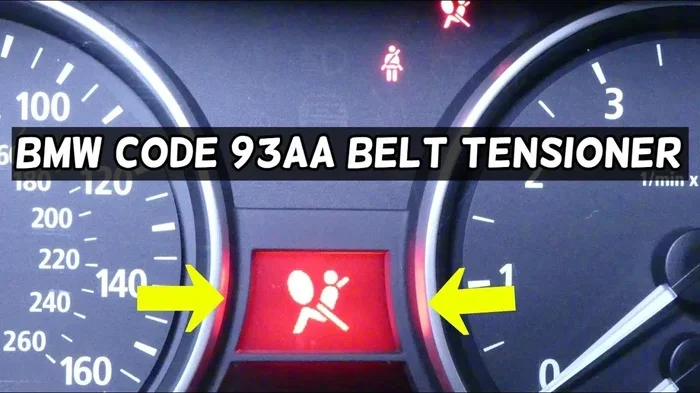
The airbag light on your dashboard is one of the most obvious signs of a problem. When this light stays on, it means the BMW safety system has detected a fault. Common causes include a faulty crash sensor, a loose connector under the seat, or a problem with the restraint control module. In some cases, a dead battery in the seatbelt pretensioner can also trigger the light.
Do not drive your BMW with the airbag light on for long periods. You want your airbags ready to deploy if something happens. A quick diagnostic scan can reveal the exact fault code and point you in the right direction.
Seatbelt Warning Light and Chime
Another frequent issue is the seatbelt warning light that stays on even when the belt is buckled. This problem often comes from a dirty or worn seatbelt buckle sensor. Debris, crumbs, or moisture can block the sensor and trick the system into thinking the belt is unbuckled.
In some BMW models, the seatbelt retractors can also seize up over time. A stuck retractor means the belt does not pull out smoothly, which reduces its effectiveness in a crash. Regular cleaning and inspection of the buckle area can prevent this issue.
Faulty Crash Sensors
Crash sensors are the first line of defense in your BMW driver restraint system. These small devices detect sudden deceleration or impact. When a crash sensor fails, your airbags may not deploy when needed. BMW models with high mileage are more prone to sensor degradation due to exposure to road conditions and moisture.
Common signs of a bad crash sensor include false airbag deployments, delayed deployment, or no deployment at all. A BMW mechanic can test each sensor and replace any that fall outside the factory specifications.
Restraint Control Module Failure
The restraint control module is the central computer that manages your entire BMW safety system. It receives data from crash sensors, seatbelt sensors, and occupancy sensors, then decides what to deploy and when. When this module fails, multiple warning lights can appear at once.
Module failure can happen from water damage, electrical surges, or general wear. In some BMW models, the module is located under the driver’s seat or in the center console, making it vulnerable to moisture exposure. Reprogramming or replacing the module is often the only fix.
Seatbelt Pretensioner Issues
Seatbelt pretensioners tighten your belt the moment a collision is detected. This locks you in place and reduces forward movement. Over time, pretensioners can wear out or fail to activate. A faulty pretensioner means your seatbelt will not hold you as firmly during an impact.
Pretensioner failure can result from repeated use, corrosion, or electrical faults in the firing mechanism. If your BMW has been in a minor accident before, the pretensioners may have already been deployed and need replacement. Always have a professional check your pretensioners after any collision.
Passenger Airbag Deactivation Problems
Some BMW models come with a passenger airbag deactivation feature. This is useful when installing a rear-facing child seat. However, the switch or sensor that controls this feature can malfunction. A faulty deactivation sensor may prevent the airbag from deploying even when an adult is sitting in the seat.
This is a serious safety concern because it means the passenger airbag might not protect you in a crash. If you notice the passenger airbag light behaving strangely, get it checked right away.
Warning Signs Your BMW Restraint System Needs Attention
Your BMW gives you several clues when the driver restraint system is not working properly. Learning to read these signs can save you from a dangerous situation. Here are the top warning signals to watch for.
Dashboard Warning Lights
The SRS (Supplemental Restraint System) light and the airbag light are the primary indicators. If either one stays on after startup, your system has a detected fault. The seatbelt warning light and chime that persist even when buckled are also red flags.
Unusual Sounds from the Seatbelt Area
Clicking, grinding, or retraction noises from the seatbelt mechanism can signal a problem. These sounds often mean the retractor is struggling or the buckle sensor is damaged.
Delayed or Partial Airbag Deployment
If your airbags deploy too late or only partially during a collision, the restraint system is malfunctioning. This is a critical issue that needs immediate attention.
Burning Smell After Driving
A burning smell near the seat or dashboard area can indicate an electrical issue within the restraint system. This should never be ignored.
How Mechanics Diagnose BMW Restraint System Issues
Diagnosing BMW driver restraint system problems requires the right tools and expertise. A generic OBD2 scanner may not be enough for modern BMW models. A BMW-specific diagnostic scan tool, such as ISTA or INPA, can read the detailed fault codes stored in the restraint control module.
The diagnostic process typically starts with connecting the scan tool to the OBD port. The technician then checks for fault codes related to the SRS system. Common codes point to specific components like crash sensors, seatbelt pretensioners, or the RCM. From there, the mechanic performs visual inspections, tests individual sensors, and checks wiring harnesses for damage or corrosion.
One important tip: always have your BMW battery fully charged before a restraint system diagnosis. Low battery voltage can cause false fault codes and lead to unnecessary part replacements.
Repair Costs and What to Expect
The cost to fix BMW driver restraint system problems varies a lot depending on the specific issue. Here is a general breakdown of what you might expect.
| Repair Type | Estimated Cost Range | Complexity |
|---|---|---|
| Crash Sensor Replacement | $150 – $400 | Low to Medium |
| Seatbelt Pretensioner Replacement | $200 – $600 | Medium |
| Seatbelt Buckle Sensor Replacement | $100 – $300 | Low |
| Restraint Control Module Repair or Replacement | $500 – $1,500 | High |
| Airbag Module Reprogramming | $100 – $300 | Medium |
| Passenger Airbag Switch Replacement | $150 – $400 | Low to Medium |
These costs can vary based on your BMW model, model year, and location. Labor rates at dealerships tend to be higher than at independent BMW specialists. Always ask for a detailed estimate before approving any repair work.
Tips to Manage Repair Costs
- Get quotes from at least two qualified BMW mechanics.
- Check if your BMW is still under warranty or a recall program.
- Ask if refurbished or reconditioned parts are available for module replacements.
- Address small issues early before they turn into expensive repairs.
Preventing BMW Driver Restraint System Problems
Prevention is always better than repair when it comes to your BMW safety systems. A few simple habits can keep your driver restraint system in top shape for years.
Regular Maintenance Checks
Include your SRS system in your regular BMW maintenance schedule. Ask your mechanic to inspect seatbelt buckles, crash sensors, and wiring connections during oil changes or major service intervals. Catching small issues early prevents bigger problems down the road.
Keep the Seat Area Clean
Debris under the driver’s seat can damage wiring and connectors. Food crumbs, liquids, and dirt can corrode sensor connections over time. Keep the seat area clean and dry to protect your restraint system components.
Address Warning Lights Immediately
Never ignore an SRS or airbag warning light. Even if your BMW seems to drive fine, the restraint system may be compromised. A quick scan and fix can save you from a serious safety risk later.
Avoid Aftermarket Modifications
Aftermarket seat covers, dash covers, or stereo installations can sometimes interfere with crash sensors and wiring. If you must modify your BMW, make sure a professional handles the work and checks the restraint system afterward.
Stay Updated on Recalls
BMW occasionally issues safety recalls for restraint system components. Check the NHTSA website regularly or ask your dealer if your specific BMW model has any open recalls. Staying informed keeps you ahead of potential problems.
Expert Insights on BMW Restraint System Reliability
Experienced BMW technicians often see the same mistakes repeated by well-meaning owners. One common issue is using aftermarket parts that do not meet BMW specifications for the restraint system. Cheap sensors or non-OEM pretensioners may save money upfront but can fail when you need them most.
Another insight from seasoned mechanics is the importance of software updates. BMW regularly updates the software in the restraint control module to improve performance and fix known bugs. Keeping your BMW’s software current can prevent many restraint system issues before they start.
Finally, experts recommend keeping a record of all restraint system repairs and diagnostics. This history helps future mechanics understand what has been done and avoids unnecessary repeat work. It also adds value if you ever decide to sell your BMW.
Conclusion
BMW driver restraint system problems are more common than many owners realize. From warning lights and faulty sensors to module failures and pretensioner issues, these problems can compromise your safety on the road. The good news is that most issues are fixable when caught early. By paying attention to warning signs, staying on top of regular maintenance, and working with qualified BMW technicians, you can keep your restraint system in excellent condition. Your BMW was engineered to protect you. Make sure the systems responsible for that protection are always in top working order. Stay proactive, stay informed, and stay safe.
Frequently Asked Questions
What causes the BMW airbag light to stay on?
The airbag light can stay on due to a faulty crash sensor, a loose connector under the seat, a problem with the restraint control module, or a dead battery in the seatbelt pretensioner. A BMW-specific diagnostic scan tool can identify the exact cause quickly and accurately.
Is it safe to drive a BMW with the SRS light on?
It is not recommended. The SRS light means your BMW driver restraint system has a detected fault, and your airbags may not deploy properly in a collision. Have the system diagnosed and repaired as soon as possible to ensure your safety.
How much does it cost to replace a BMW crash sensor?
Crash sensor replacement typically costs between $150 and $400, depending on your BMW model and the location of the sensor. Labor costs and parts pricing can vary by region and service center.
Can I reset the BMW airbag light myself?
You can clear the fault code with a diagnostic tool, but this is only a temporary fix if the underlying problem is not resolved. Always identify and repair the root cause before clearing any SRS warning lights to ensure your restraint system works properly.
Are BMW driver restraint system problems covered under warranty?
Some restraint system issues may be covered under your BMW warranty or extended service agreement. Additionally, BMW may issue safety recalls for specific restraint components. Check with your dealer to see if your vehicle qualifies for any coverage or recall repairs.
How often should I have my BMW restraint system inspected?
Having your BMW restraint system inspected during every major service interval is a good practice. This typically means every 10,000 to 15,000 miles or once a year. Regular inspections help catch small issues before they become expensive or dangerous problems.