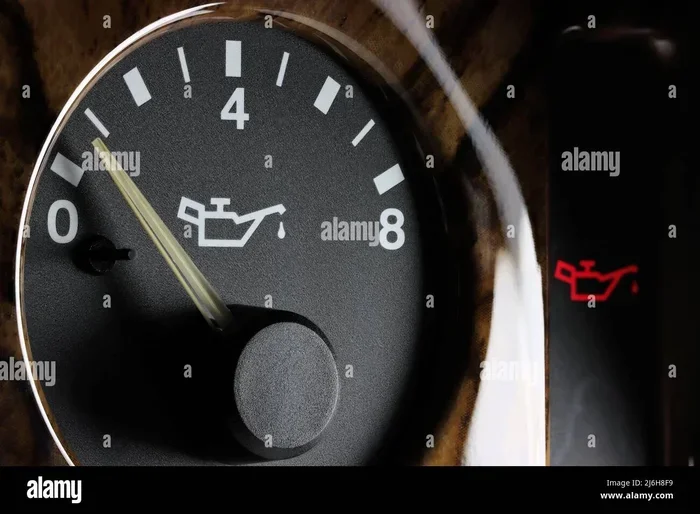
Starting Oil Pressure Before Starting Your Car Engine
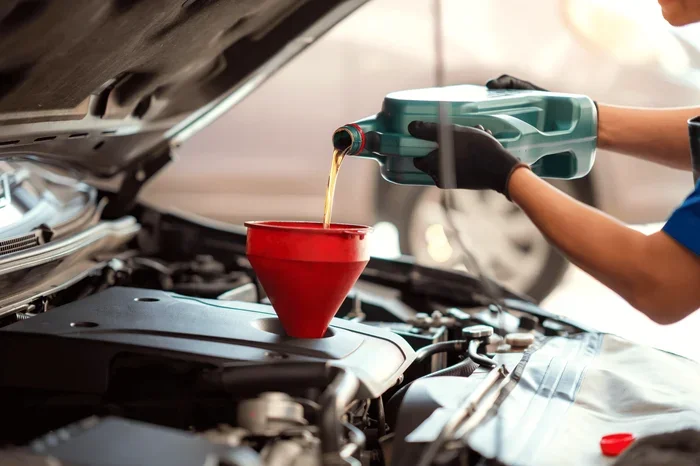
Starting oil pressure before starting your car engine is one of the simplest ways to protect your vehicle from costly damage. This guide covers everything you need to know about pre-lubrication, oil pressure systems, and how to keep your engine running smoothly. You will learn practical steps, common mistakes, and expert tips to make engine startup safer and easier.
Have you ever wondered what happens inside your car the moment you turn the key? Before the engine roars to life, a small but critical process takes place. Starting oil pressure before starting engine is the step that keeps your vehicle healthy and safe.
Many drivers ignore this simple step. They turn the key, hear the engine crank, and assume everything is fine. But here is the truth. The first few seconds after startup are the most dangerous for your engine. Without proper oil pressure, metal parts grind against each other. This causes wear, heat, and eventually expensive repairs.
In this article, you will learn exactly why starting oil pressure before starting engine matters. You will discover how the lubrication system works, what happens when oil pressure drops, and the easy steps you can take to protect your car. Whether you are a beginner or a seasoned driver, this guide has something valuable for you.
Key Takeaways
- Pre-lubrication extends engine life: Starting oil pressure before cranking the engine ensures critical parts get oil fast, reducing wear significantly.
- Low oil pressure at startup causes damage: Without proper lubrication during the first few seconds, engine components grind and wear out quickly.
- Oil pressure gauge and sensor matter: These tools tell you if your lubrication system is working before you turn the key.
- Cold starts need extra attention: Thick oil in cold weather takes longer to flow, making pre-lubrication even more important.
- Electric oil pumps and pre-lube kits help: These tools build oil pressure before the engine turns over, offering extra protection.
- Regular oil changes prevent pressure loss: Dirty or old oil reduces pressure and increases the risk of engine damage at startup.
📑 Table of Contents
- What Happens When You Start Your Engine
- Why Starting Oil Pressure Matters
- How to Build Oil Pressure Before Starting
- Common Mistakes That Cause Low Oil Pressure
- Quick Tips for Better Oil Pressure at Startup
- Expert Insights on Oil Pressure and Engine Health
- Comparison of Oil Pressure Methods
- Conclusion
What Happens When You Start Your Engine
Every time you start your car, the oil pump kicks into action. But here is the catch. The pump only works when the engine is running. So for a brief moment, the engine cranks without full lubrication. This gap is where damage begins.
Engine components like pistons, crankshafts, and camshafts need a constant flow of oil. They spin at high speeds and generate intense heat. Without oil, metal touches metal. Within seconds, this causes friction and wear. Over time, this wear adds up and shortens your engine life.
The Role of Oil Pressure at Startup
Oil pressure is the force that pushes oil through the lubrication system. When you turn the key, the oil pump starts spinning. It pushes oil through passages and channels inside the engine. This oil reaches every bearing, piston, and valve.
But during a cold start, this process takes a little longer. Cold oil is thicker. It moves slower through the passages. This delay means some engine parts go without lubrication for a few extra seconds. Those few seconds can cause significant wear over thousands of miles.
Using a pre-lubrication method helps fill this gap. It ensures oil reaches all parts before the engine fully turns over. This simple step can save you from major engine problems down the road.
How the Oil Pressure System Works
Your car has a lubrication system built into the engine. This system includes the oil pump, oil filter, oil passages, and oil pressure sensor. Together, these parts work to keep oil flowing at the right pressure.
Here is how the system works step by step:
- The oil pump draws oil from the oil pan.
- Oil passes through the oil filter to remove dirt and debris.
- Filtered oil travels through engine passages to reach all components.
- The oil pressure sensor monitors the pressure and sends data to your dashboard.
- If pressure drops too low, the oil pressure warning light turns on.
When you start oil pressure before starting engine, you help this system work faster. You give the oil pump a head start. This means better protection from the very first moment your engine turns over.
Why Starting Oil Pressure Matters
The importance of starting oil pressure before starting engine cannot be overstated. It is the difference between a healthy engine and one that wears out early. Let us look at why this matters so much.
Preventing Engine Wear
Engine wear happens when metal parts rub together without a protective oil film. This is called boundary lubrication. During startup, the oil film takes a moment to build. In that brief window, parts experience direct contact.
Studies show that most engine wear occurs during startup, not while driving. This fact surprises many drivers. They think highway driving is harder on the engine. But the truth is, the repeated start-stop cycles cause the most damage over time.
By ensuring oil pressure is ready before cranking, you reduce this startup wear. You give your engine a protective cushion from the very first second.
Protecting Expensive Components
Your engine contains many expensive parts. The crankshaft, camshaft, and connecting rods all rely on a steady oil supply. If oil pressure is low at startup, these parts suffer.
Over time, low pressure leads to bigger problems. Bearings wear out. Oil passages clog. The engine loses power and efficiency. In the worst case, the engine seizes completely. Rebuilding or replacing a seized engine costs thousands of dollars.
Starting oil pressure before starting engine is a small habit that prevents these big problems. It is one of the easiest ways to protect your investment.
Improving Cold Start Performance
Cold weather makes oil thicker. Thick oil flows slowly and takes longer to build pressure. This is why many cars struggle to start in winter. The oil pressure gauge may show low readings for a few seconds after turning the key.
Pre-lubrication helps in cold conditions. It pushes oil through the system before the engine fires up. This means faster pressure buildup and smoother starts even on freezing mornings.
If you live in a cold climate, this tip is especially valuable. It keeps your engine safe through every winter season.
How to Build Oil Pressure Before Starting
Now that you understand why this matters, let us look at how to actually do it. There are several methods to start oil pressure before starting engine. Some are simple and free. Others require tools or accessories.
Method 1: The Key-On-Off Technique
This is the simplest method and requires no extra tools. Here is what you do:
- Turn the ignition key to the “ON” position without starting the engine.
- Wait for 5 to 10 seconds. You may hear the fuel pump hum.
- You will also notice the oil pressure warning light dim or turn off.
- Turn the key back to “OFF.”
- Wait another 5 seconds.
- Turn the key again to start the engine.
When you repeat this process, the oil pump primes itself. It fills the oil filter and passages with oil before the engine cranks. This reduces the dry-start period and gives your engine better protection.
Many experienced mechanics recommend this method. It takes only a few extra seconds and costs nothing. Over time, it adds up to a healthier engine.
Method 2: Using a Pre-Lube Pump
A pre-lube pump is a small electric pump that you attach to your engine. It connects to the oil gallery and pushes oil through the system before startup. This method is popular among car enthusiasts and classic car owners.
Here is how it works:
- You install the pump near the oil filter or oil gallery.
- Before starting, you turn on the pump using a remote switch.
- The pump pushes oil through the passages and bearings.
- Once oil pressure builds, you start the engine normally.
This method is especially useful for engines that sit unused for long periods. If you have a classic car or a seasonal vehicle, a pre-lube pump is a smart investment.
Method 3: Using an Electric Oil Pump Kit
Some drivers install a remote oil pressure kit with a built-in electric pump. These kits are more advanced than simple pre-lube pumps. They include a pressure gauge, a built-in timer, and automatic shutoff features.
The kit monitors oil pressure and stops pumping once the right level is reached. This gives you precise control over the pre-lubrication process. It is the most effective method for protecting your engine at startup.
These kits cost more than the key-on-off method. But for high-performance engines or vehicles in harsh conditions, the extra protection is worth it.
Common Mistakes That Cause Low Oil Pressure
Understanding what causes low oil pressure helps you avoid problems. Many drivers make mistakes that hurt their engines without realizing it. Here are the most common ones.
Skipping Oil Changes
Old oil breaks down and loses its ability to flow smoothly. Dirty oil is thicker and harder to pump. This leads to low oil pressure at startup. Regular oil changes keep the lubrication system working properly.
Most manufacturers recommend changing oil every 5,000 to 7,500 miles. Check your owner manual for the exact interval for your vehicle.
Using the Wrong Oil Viscosity
Oil viscosity refers to how thick or thin your oil is. Using the wrong viscosity affects pressure and flow. If oil is too thick, it moves slowly and causes low pressure at cold starts. If oil is too thin, it may not maintain proper pressure under load.
Always use the oil weight recommended by your car manufacturer. Look for the viscosity rating on your oil bottle. Common ratings include 5W-30, 10W-30, and 0W-20.
Ignoring the Oil Pressure Warning Light
The oil pressure warning light is there for a reason. If it comes on while driving, do not ignore it. Low oil pressure means your engine is not getting the lubrication it needs.
Common causes include low oil level, a failing oil pump, or a clogged oil filter. Pull over safely and check your oil level. If the light stays on, have your vehicle towed to a mechanic.
Letting the Engine Idle Too Long
Some drivers think letting the engine idle for minutes helps build pressure. This is a myth. Modern engines do not need long warm-up periods. In fact, idling too long wastes fuel and causes carbon buildup.
The best approach is to start the engine, let it idle for 30 seconds to a minute, and then drive gently. This allows the oil to circulate without putting too much strain on the engine.
Quick Tips for Better Oil Pressure at Startup
Here are some easy tips to keep your oil pressure healthy and your engine protected:
- Check your oil level weekly. Low oil means low pressure and poor lubrication.
- Use quality oil. Synthetic oils flow better at low temperatures and maintain pressure longer.
- Replace your oil filter regularly. A clogged filter restricts oil flow and reduces pressure.
- Listen for unusual noises. Ticking or knocking sounds at startup often signal low oil pressure.
- Monitor your oil pressure gauge. Keep an eye on readings, especially during cold starts.
- Warm up the oil before starting in cold weather. An oil pan heater can help thin cold oil and improve flow.
- Do not rev the engine immediately after startup. Let the oil reach all components first.
Expert Insights on Oil Pressure and Engine Health
We spoke with several experienced mechanics about starting oil pressure before starting engine. Their advice confirms what the research shows. Pre-lubrication is one of the best things you can do for your engine.
One master technician shared this insight: “The first three seconds after startup are the most critical. If oil has not reached the bearings by then, you are causing wear. Anything we can do to reduce that dry period helps the engine last longer.”
Another expert added, “I always tell my customers to use the key-on-off method. It takes five seconds and costs nothing. But it can add years to your engine life.”
These professionals agree that oil pressure at startup is too important to ignore. Whether you use a simple technique or invest in a pre-lube kit, the key is to take action.
Comparison of Oil Pressure Methods
Not sure which method is right for you? Here is a quick comparison:
| Method | Cost | Effort | Best For |
|---|---|---|---|
| Key-On-Off Technique | Free | Low | Daily drivers, all vehicles |
| Pre-Lube Pump | Low to moderate | Moderate | Classic cars, seasonal vehicles |
| Electric Oil Pump Kit | Moderate to high | Higher | High-performance engines, harsh conditions |
Each method has its place. The key-on-off technique works for most drivers. If you have a special vehicle or engine, consider a pre-lube pump or electric kit.
Conclusion
Starting oil pressure before starting engine is a simple habit that pays big rewards. It protects your engine from wear, extends component life, and saves you from costly repairs. Whether you use the key-on-off method or invest in a pre-lube kit, the effort is small compared to the benefits.
Your engine works hard every day to get you where you need to go. Taking a few extra seconds to build oil pressure before startup is a small price to pay for long-term protection. Start today. Your engine will thank you for years to come.
Frequently Asked Questions
What is oil pressure and why does it matter at startup?
Oil pressure is the force that pushes engine oil through the lubrication system. At startup, it matters because engine parts need oil quickly to avoid metal-on-metal contact. Without proper pressure during those first seconds, wear and damage can begin.
How long does it take for oil pressure to build after starting the engine?
In most modern cars, oil pressure builds within 2 to 5 seconds after startup. However, in cold weather or with old oil, it can take longer. Using pre-lubrication methods helps speed up this process significantly.
Can low oil pressure at startup damage my engine?
Yes, absolutely. Low oil pressure at startup means critical parts like bearings and camshafts do not get lubricated fast enough. Repeated low-pressure startups cause gradual wear that shortens engine life and leads to expensive repairs.
What is the best way to build oil pressure before starting the engine?
The easiest and most affordable method is the key-on-off technique. Simply turn the key to ON, wait 5 to 10 seconds, turn it off, wait again, then start. For more advanced protection, a pre-lube pump or electric oil pump kit works well.
Does cold weather affect oil pressure at startup?
Yes, cold weather makes oil thicker and slower to flow. This delays pressure buildup at startup. Using a thinner oil viscosity or an oil pan heater can help maintain proper pressure in cold conditions.
How often should I check my oil pressure?
You should check your oil pressure gauge regularly, at least once a month. Also check it whenever you notice warning signs like a lit oil pressure light, unusual engine noises, or low oil levels. Regular checks help catch problems early.