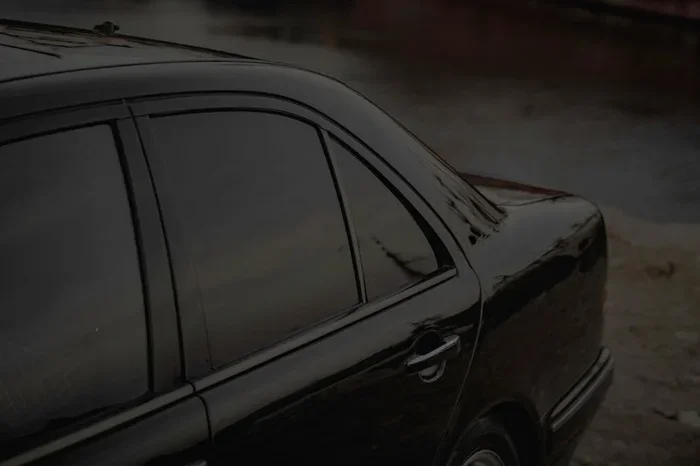
Everything You Need To Know About Window Tint Percentages
Window tint percentages determine how much light passes through your car windows and how much heat and UV rays you block. Understanding these numbers helps you pick the right tint shade for comfort, privacy, and legal compliance. This guide breaks down everything you need to know in simple, easy-to-follow terms.
This is a comprehensive guide about window tint percentages.
Key Takeaways
- Lower percentages mean darker tint: A 5% tint lets in very little light, while 70% is nearly clear.
- VLT is the key metric: Visible Light Transmission tells you exactly how much light your tint allows through.
- Legal limits vary by state: Each state has its own rules, and breaking them can lead to fines.
- Tint affects heat and UV protection: Darker tints block more solar heat and harmful rays.
- Factory tint vs aftermarket tint: Most cars come with a light factory tint, and aftermarket films can be much darker.
- Choose based on your needs: Comfort, privacy, style, and legal requirements should all guide your choice.
[FEATURED_IMAGE_PLACEHOLDER]
Have you ever looked at a car and wondered why its windows look so dark or so clear? The answer comes down to window tint percentages. These numbers control how much light gets through your glass, how much heat stays out, and how much privacy you get behind the wheel. If you have ever felt the burning sun on your arms while driving or struggled with glare on a bright day, you already know why this topic matters.
Choosing the right tint shade is not just about looks. It affects your comfort, your safety, and even your wallet. Too dark and you might face legal trouble. Too light and you might still deal with heat and glare. This guide walks you through everything step by step. We will explain what the numbers mean, how they work, what the laws say, and how to pick the best option for your vehicle.
Whether you are tinting your first car or looking to upgrade your current setup, this article has you covered. We kept the language simple and the advice practical. No jargon, no fluff, just real information you can use right away.
What Are Window Tint Percentages?
When we talk about window tint percentages, we are referring to Visible Light Transmission, or VLT. This is the percentage of light that passes through your window film and reaches the inside of your car. A lower number means less light comes through, which gives you a darker tint. A higher number means more light passes through, keeping your windows closer to clear.
For example, a 5% tint lets in only 5% of outside light. That is extremely dark and often used on limousines or private cars. On the other hand, a 70% tint lets in 70% of light, so it looks almost like a clear window with a slight shade. Most car window tinting options fall somewhere in between these two extremes.
The percentage is printed on the film or listed by the manufacturer. It is the single most important number to know when choosing a window film. Everything else, like heat rejection and UV protection, builds on this foundation.
How VLT Is Measured
VLT is measured using a special device called a tint meter. This tool shines light through the window and calculates the percentage that passes to the other side. Professional installers use these meters to make sure the tint meets specifications. You can also buy handheld tint meters online if you want to check your own film at home.
The measurement takes into account the entire window assembly, including the film and the glass itself. Keep in mind that most modern cars already have a light factory tint on the rear windows. This baseline tint means your aftermarket film works together with the existing glass to produce the final VLT you see.
How Window Tint Percentages Work
Understanding how window tint percentages function helps you make smarter choices. The film itself contains layers of dye, metal, or ceramic particles that absorb or reflect light. The more layers and the denser the material, the lower the VLT will be.
When sunlight hits your window, several things happen. Some light is reflected away, some is absorbed by the film, and the rest passes through into your car. The tint darkness you choose determines the balance between these three outcomes. A high-percentage tint reflects less and absorbs less, while a low-percentage tint does the opposite.
Heat Rejection and Tint Percentage
One of the biggest reasons people tint their windows is to reduce solar heat. Darker tints generally block more heat because they absorb more light energy. However, heat rejection also depends on the type of film used, not just the percentage.
For instance, a ceramic tint at 35% can reject more heat than a dyed film at 5%. This is because ceramic particles are specifically designed to block infrared radiation, which is what makes your car hot. So while tint percentage plays a role, the film technology matters just as much.
UV Protection and Tint Levels
Ultraviolet rays are harmful to your skin and can fade your car’s interior. Most quality window film blocks 99% of UV rays regardless of the percentage. This means even a light 50% tint can offer excellent UV protection. However, darker tints often come with better overall coverage because they use denser materials that block more types of radiation.
Common Tint Percentage Levels and What They Mean
Not all tint percentages are created equal. Different levels serve different purposes, and knowing what each range does helps you decide what fits your needs best.
5% to 20% Tint (Very Dark)
This range is often called “limo tint.” At 5%, you can barely see through the window from the outside. These shades provide maximum privacy and the best heat rejection. They are popular on rear windows and sometimes on front side windows in states where it is legal.
However, driving with very dark tint shade on your front windows can be dangerous at night or in poor weather. Many states restrict these levels on the driver and passenger side windows for safety reasons.
25% to 35% Tint (Medium Dark)
This is the most popular range for car window tinting. It offers a good balance between style, privacy, and visibility. At 25% to 35%, you still get significant heat reduction and UV protection while maintaining clear enough views for safe driving. Many people choose 35% for all their windows because it looks sleek without being too dark.
40% to 50% Tint (Medium Light)
A 40% to 50% tint gives a subtle shaded look. It is great for people who want a hint of tint without going too dark. These levels still reduce glare and block a good amount of heat. They are also more widely accepted in terms of legal compliance across most states.
60% to 70% Tint (Very Light)
These high-percentage films are nearly clear. They are often used for UV protection and slight heat reduction without changing the appearance of the window much. Some people use them on all windows, especially if they want a uniform look with their factory tint.
Why Tint Percentage Matters for Your Vehicle
The tint percentage you choose directly impacts your daily driving experience. It is not just a cosmetic decision. The right shade improves comfort, protects your health, and can even save you money on cooling costs.
Comfort and Glare Reduction
Glare from the sun or headlights at night can cause eye strain and fatigue. A properly chosen window tint percentage reduces this glare significantly. Medium tints around 35% work well for most drivers because they cut glare without making the interior too dark.
If you drive long commutes or spend a lot of time on the road, glare reduction alone can make a noticeable difference in how comfortable you feel. This is one of the most overlooked benefits of aftermarket tint.
Privacy and Security
Darker tints make it harder for people outside to see into your car. This protects your belongings and gives you a sense of security. If you often park in public areas or carry valuables, a lower percentage like 20% or 15% can be a smart choice.
Keep in mind that very dark tints can also reduce your ability to see outside, which affects safety. Always balance privacy with clear visibility.
Interior Protection
Sunlight fades your dashboard, seats, and carpet over time. Blocking infrared rejection and UV rays with the right tint darkness helps preserve your interior. A 35% ceramic tint, for example, can dramatically extend the life of your car’s upholstery and trim.
Legal Tint Limits by State
Every state has its own rules about how dark your tint can be. These tint laws exist for safety reasons. Officers need to see into your car during traffic stops, and overly dark windows create risks for everyone on the road.
Most states allow darker tints on rear windows and set stricter limits on the front side windows and windshield. For example, many states require the front side windows to have a VLT of at least 70% or 50%. The legal tint limits also often specify how much light must pass through the windshield, usually allowing a strip at the top only.
Before you get your windows tinted, check your state’s specific regulations. Some states allow medical exemptions for darker tints, while others have strict rules with no exceptions. Violating state tint regulations can result in fines, tickets, or even being required to remove the tint entirely.
Quick Reference: Common Legal Limits
- Front side windows: Usually 50% to 70% VLT required
- Rear side windows: Often 20% to 50% VLT allowed
- Rear windshield: Typically any darkness permitted
- Windshield: Usually only a top strip allowed, no full tint
These numbers vary widely, so always verify with your local Department of Motor Vehicles or law enforcement agency. What is legal in one state may not be legal in the next.
How to Choose the Right Tint Percentage for You
Now that you understand the numbers, let us talk about how to pick the right window tint percentage for your situation. The best choice depends on several factors, and thinking them through before you visit an installer saves time and money.
Consider Your Climate
If you live in a hot, sunny state like Arizona or Texas, you want maximum heat rejection. A darker tint around 20% to 35% paired with a ceramic tint or carbon tint film will give you the best results. In cooler climates, you might prefer a lighter tint that still offers UV protection without making your car too dark during winter months.
Think About Your Driving Habits
Do you drive mostly during the day or at night? If you do a lot of night driving, a very dark tint can reduce your visibility and create safety issues. In that case, a lighter tint shade like 40% to 50% might be the better option. If you mostly drive during the day, you have more flexibility to go darker.
Prioritize Your Goals
Ask yourself what you want most from your tint. Is it style? Comfort? Privacy? UV protection? Different tint percentages serve different priorities. Here is a quick breakdown:
- Maximum heat rejection: Go with 15% to 25% and choose a ceramic or carbon film.
- Best visibility: Stay at 50% or higher for a nearly clear look.
- Privacy focus: 15% to 20% on rear windows works well.
- Legal compliance first: Check your state limits and stay at or above the minimum VLT.
Talk to a Professional
When in doubt, consult with a professional window tinting installer. They can explain the differences between film types and help you find the right percentage for your needs. A good installer will also make sure the application is clean and bubble-free, which extends the life of your tint significantly.
Ask about warranties too. Quality films often come with lifetime or multi-year guarantees against bubbling, peeling, and fading. This is an important detail that many people overlook when choosing a window film.
Common Mistakes People Make With Tint Percentages
Even with the best intentions, people sometimes make avoidable mistakes when selecting window tint percentages. Learning from these errors can save you frustration and money.
Choosing Based on Looks Alone
The darkest tint might look the coolest, but it is not always the best choice. If you pick a 5% tint for all your windows, you might struggle to see at night or in rain. Always consider safety and functionality alongside appearance.
Ignoring Factory Tint
Many people forget that their car already has some tint from the factory. Adding a 20% film over a factory tint of 15% VLT results in a much darker final shade than expected. Always ask your installer to account for the existing glass tint when recommending a film.
Skipping the Legal Research
One of the most common mistakes is not checking local tint laws before installation. Getting pulled over for illegal tint is frustrating and expensive. A quick check with your local DMV can prevent this entirely.
Going for the Cheapest Option
Budget tint films often fade, bubble, and peel within a year or two. Investing in a quality window film at the right percentage pays off in the long run. Look for reputable brands and read reviews before making a decision.
Expert Insights on Tint Percentage Selection
Professional installers and automotive experts agree on a few key principles when it comes to window tint percentages. First, the best tint is the one that meets your needs without breaking the law. Second, the type of film matters just as much as the percentage. A high-quality ceramic film at 35% outperforms a cheap dyed film at 15% in almost every category.
Experts also recommend considering the entire vehicle as a whole. Mixing too many different percentages across your car can look uneven and confusing. Many professionals suggest using the same percentage on all side windows for a clean, polished appearance. The rear windows and windshield can follow different rules based on your preferences and local laws.
Finally, professionals stress the importance of proper installation. Even the best tint shade will look terrible if it is applied poorly. Bubbles, creases, and peeling edges ruin the appearance and reduce the performance of the film. Always choose an experienced installer with good reviews and a solid warranty.
Conclusion
Window tint percentages are the foundation of any good tinting decision. They control how dark your windows look, how much heat they block, and whether you stay within legal limits. From the very dark 5% limo tint to the nearly clear 70% film, each percentage serves a different purpose and fits different needs.
By understanding VLT, learning your state’s legal limits, and considering your personal driving habits, you can confidently choose the right tint darkness for your vehicle. Pair that knowledge with a quality film like ceramic or carbon, and you get the best of comfort, style, and protection.
Take the time to research, ask questions, and work with a trusted professional. The right window tint percentage makes a real difference in how you feel every time you get behind the wheel. Start today, and enjoy the benefits of a properly tinted car for years to come.
Frequently Asked Questions
What does VLT stand for in window tinting?
VLT stands for Visible Light Transmission. It measures the percentage of light that passes through your window film and glass. A lower VLT means a darker tint, while a higher VLT means a clearer window. This is the primary number used to describe window tint percentages.
Is 5% tint legal anywhere?
5% tint is legal in some states for rear windows only, but it is almost never legal on front side windows or windshields. Laws vary significantly by location, so always check your state tint regulations before choosing a 5% film. Many states require front windows to have at least 50% VLT.
Can I tint my own windows?
Yes, you can buy DIY window film kits, but professional installation usually produces better results. Self-installation often leads to bubbles, wrinkles, and uneven application. If you are new to tinting, it is worth paying a professional to ensure a clean, long-lasting finish.
Does tint percentage affect GPS or phone signal?
Some metalized tints can interfere with GPS, cell signals, and Bluetooth. However, ceramic tint and carbon tint films are designed to avoid signal interference. If you rely heavily on phone connectivity or GPS navigation, ask your installer about non-metallic film options.
How long does window tint last?
A quality window film typically lasts 5 to 10 years, with ceramic and carbon films lasting longer. Cheaper dyed films may fade or bubble within 2 to 3 years. The lifespan depends on the film type, installation quality, and how well you maintain the windows after tinting.
What is the difference between factory tint and aftermarket tint?
Factory tint is applied during the car manufacturing process and is usually around 70% to 80% VLT. It is lighter and less effective at blocking heat. Aftermarket tint is applied after purchase and comes in a wide range of tint percentages, from 5% to 70%, with much better heat rejection and UV protection.
Frequently Asked Questions
What is window tint percentages?
window tint percentages is an important topic with many practical applications.