How to Check Oil Level in Car and Keep Your Engine Healthy
Knowing how to check oil level in car is one of the easiest and most important skills every driver should have. This guide covers everything from locating the dipstick to interpreting oil color and condition. You will also learn practical tips to keep your engine healthy between oil changes.
Your car’s engine has thousands of moving parts. These parts spin, rub, and grind against each other every time you drive. Without proper engine oil, that friction would destroy your engine in a matter of minutes. Oil acts as a lubricant, a coolant, and a cleaner all at once. It keeps everything running smoothly under the hood.
But here is the thing. Many drivers forget to check their oil regularly. They only think about it when a warning light flashes on the dashboard. By then, the damage might already be done. Learning how to check oil level in car takes less than five minutes. It is a simple habit that can save you hundreds or even thousands of dollars in repairs. This guide will show you exactly how to do it, step by step.
Whether you drive a sedan, a truck, or an SUV, the process is basically the same. You will learn about the dipstick, the oil reservoir, and what your oil color should look like. We will also cover common mistakes people make and how to avoid them. By the end, you will feel confident checking your oil like a pro.
Key Takeaways
- Regular oil checks prevent costly engine repairs and extend vehicle life.
- Using the dipstick is the most reliable method for checking oil level at home.
- Oil color and texture reveal important clues about engine health and maintenance needs.
- Checking oil when the engine is cool gives the most accurate reading.
- Low oil levels can damage your engine within minutes of driving.
- Modern cars may use electronic oil monitors instead of traditional dipsticks.
- Consistent oil checks save money and keep your car running smoothly.
📑 Table of Contents
- Why Checking Your Oil Level Matters
- How to Check Oil Level in Car Using the Dipstick
- How to Check Oil Level in Cars Without a Dipstick
- What Your Oil Color and Condition Tells You
- How Often Should You Check Your Oil?
- Common Mistakes People Make When Checking Oil
- Tips to Keep Your Engine Healthy Between Oil Changes
- Final Thoughts on Checking Your Oil Level
Why Checking Your Oil Level Matters
The Role of Engine Oil
Engine oil does more than just lubricate. It reduces friction between metal parts. It carries heat away from the combustion chamber. It also picks up dirt and metal particles, keeping them suspended until the oil filter traps them. Without clean oil, your engine would overheat, seize up, or fail completely.
Over time, oil breaks down. Heat and contaminants degrade its viscosity. Viscosity is just a fancy word for how thick or thin your oil is. When oil gets too thin, it cannot protect your engine properly. When it gets too thick, it does not flow well. This is why regular oil changes and oil level checks go hand in hand.
What Happens When Oil Level Drops
Low oil level is one of the most common causes of engine failure. When there is not enough oil, metal parts grind against each other. This creates heat and friction. Soon, the engine starts to knock. You might notice a ticking sound when you start the car. In severe cases, the engine can lock up entirely.
Here are some warning signs that your oil level is too low:
- Oil warning light on the dashboard
- Engine making knocking or ticking noises
- Reduced fuel efficiency
- Overheating engine
- Oil smell inside the car
- Sluggish engine performance
Catching low oil early can prevent a total engine rebuild. That is why checking your oil level regularly is so important. Do not wait for warning signs. Make it part of your routine car maintenance.
How to Check Oil Level in Car Using the Dipstick
The dipstick is the most traditional and reliable way to check your oil level. Every car with a standard engine has one. Some newer vehicles use electronic sensors instead, but most cars still rely on this simple tool. Let us walk through the process step by step.
Step 1: Park on Level Ground
First, make sure your car is parked on a flat surface. If the ground is slanted, the oil will pool to one side. This gives you a false reading. Turn off the engine and let the car cool down for a few minutes. Some manufacturers recommend checking oil when the engine is warm, but checking it when cool is safer and more accurate for most vehicles.
Step 2: Locate the Dipstick
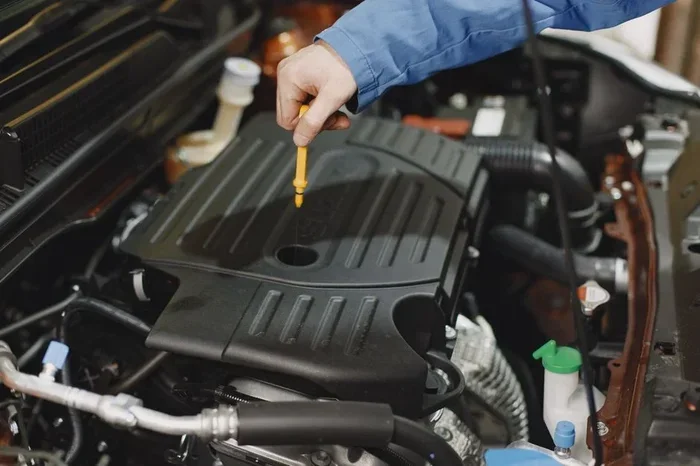
Open the hood and look for the dipstick handle. It usually has a brightly colored ring, often yellow or orange. The handle is easy to spot because it sticks out from the engine block. Pull the dipstick out gently. Be careful not to touch the tip, as hot oil can burn you.
Step 3: Wipe the Dipstick Clean
Take a clean rag or paper towel and wipe the dipstick tip completely. This removes any old oil so you can get an accurate reading. Hold the rag in one hand and the dipstick in the other. Make sure the rag is lint-free to avoid leaving particles behind.
Step 4: Reinsert and Pull Out Again
Slide the dipstick back into its tube all the way down. Then pull it out again. Look at both sides of the dipstick tip. You will see marks, lines, or holes that indicate the oil level. Most dipsticks have two marks: a minimum line and a maximum line. The oil should fall between these two marks.
Step 5: Read the Oil Level
If the oil streak falls between the min and max marks, your level is good. If it is below the minimum line, you need to add oil. If it is above the maximum line, you have too much oil, which can also cause problems. Use the recommended motor oil type for your vehicle, which you can find in your owner manual.
Quick Tip: Always check your oil at the same time of day for consistency. Morning checks before driving are ideal.
How to Check Oil Level in Cars Without a Dipstick
Some modern vehicles do not have a traditional dipstick. Car manufacturers are moving toward electronic oil monitoring systems. These systems use sensors to measure oil level and quality automatically. If your car does not have a dipstick, do not worry. You can still check your oil level easily.
Using the Electronic Oil Monitor
Most cars with electronic oil monitors display the oil level on the dashboard or information screen. To check it, follow these steps:
- Start the engine and let it idle for a few minutes.
- Navigate to the vehicle information menu on the dashboard.
- Look for the oil level or oil life indicator.
- The screen will show whether your oil is at a proper level.
Some cars also display oil percentage, which tells you how much life remains in the oil. When the percentage drops below a certain threshold, the system reminds you to change the oil. This is different from checking the physical oil level but serves the same purpose of keeping your engine healthy.
When to See a Mechanic
If your electronic oil monitor shows a low level or gives you a warning, do not ignore it. Take your car to a trusted mechanic as soon as possible. They can inspect the oil reservoir and determine whether you need a top-up or a full oil change. Ignoring electronic warnings can lead to serious engine damage.
What Your Oil Color and Condition Tells You
Checking the oil level is only part of the equation. You should also pay attention to the oil color and texture. The condition of your oil tells you a lot about your engine health. It can even warn you about problems before symptoms appear.
Understanding Oil Colors
Fresh engine oil is usually amber or golden brown in color. As it ages and collects contaminants, it darkens. Here is a simple guide to help you interpret what you see on the dipstick:
- Amber or golden brown: Oil is fresh and in good condition.
- Dark brown or black: Oil is used but may still be functional. Time for an oil change soon.
- Milky or frothy: Coolant may be leaking into the oil. This is a serious problem. See a mechanic immediately.
- Metallic particles visible: Internal engine wear is occurring. Get a professional inspection.
Oil Texture and Feel
Rub a small drop of oil between your fingers. Fresh oil feels smooth and thin. If it feels gritty or rough, it contains dirt and debris. Gritty oil does not lubricate well. It can accelerate engine wear. This is another sign that it is time for an oil change.
You can also check for a burnt smell. Fresh oil has a mild, slightly oily odor. If the oil smells strongly of burnt fuel or chemicals, the oil has degraded and needs replacing. Trust your senses. They are powerful diagnostic tools.
How Often Should You Check Your Oil?
Most car experts recommend checking your oil at least once a month. This is a good baseline for most drivers. However, some situations call for more frequent checks. Let us look at when and how often you should check your oil.
Monthly Checks for Routine Maintenance
A monthly oil check takes only a few minutes. It gives you peace of mind and helps you catch problems early. Set a reminder on your phone or mark it on your calendar. Consistency is key when it comes to vehicle maintenance.
Before Long Trips
Always check your oil before a long road trip. You do not want to deal with engine trouble on the highway. A quick check before you leave can save you from a stressful breakdown. Make it part of your pre-trip checklist along with checking tire pressure and fluid levels.
After an Oil Change
After getting an oil change, check the oil level again a few days later. Sometimes oil settles or leaks slightly after the service. Catching a low level early prevents engine damage. This simple habit adds an extra layer of protection for your engine.
For Older Vehicles
Older cars tend to burn more oil than newer ones. If your vehicle has high mileage, consider checking the oil every two weeks. High-mileage engines are more prone to oil leaks and consumption. Staying on top of the level keeps your engine running longer.
| Vehicle Type | Recommended Check Frequency |
|---|---|
| New cars (under 50,000 miles) | Once a month |
| Older cars (over 75,000 miles) | Every two weeks |
| Before long trips | Always check before departure |
| After oil change | Check again after 3-5 days |
| High-mileage vehicles | Every two weeks |
Common Mistakes People Make When Checking Oil
Even simple tasks can go wrong if you do not pay attention. Many drivers make mistakes when checking their oil level. These mistakes can lead to inaccurate readings or even engine damage. Here are the most common ones to avoid.
Checking Oil While the Engine Is Running
Never check oil while the engine is running. The oil is circulating and splashing around, which gives a false reading. Always turn off the engine and wait a few minutes for the oil to settle back into the reservoir. This gives you the most accurate measurement.
Not Reading the Dipstick on Eye Level
Hold the dipstick at eye level when reading it. If you look at it from above or below, the reading can be off. The oil line may appear higher or lower than it actually is. Take a moment to position yourself correctly. This small habit makes a big difference.
Overfilling the Oil
Adding too much oil can be just as harmful as having too little. Excess oil creates foam and pressure inside the engine. This can damage the crankshaft and bearings. Always add oil in small amounts. Recheck the level after each addition until it falls between the min and max marks.
Using the Wrong Oil Type
Not all motor oil is the same. Different engines require different oil viscosity grades. Using the wrong oil can reduce engine performance and cause premature wear. Always refer to your owner manual for the recommended oil viscosity and specifications.
Ignoring the Oil Change Interval
Checking oil level is not the same as changing oil. Even if your oil level is full, old oil loses its protective properties. Follow the manufacturer’s recommended oil change interval. Most cars need an oil change every 5,000 to 7,500 miles, but check your manual for the exact number.
Tips to Keep Your Engine Healthy Between Oil Changes
Checking your oil is just one part of engine care. There are other simple habits that keep your engine in great shape. These tips help you get the most out of your vehicle and avoid unexpected repairs.
- Monitor your oil pressure gauge while driving. If it drops, pull over safely.
- Watch for oil leaks under your car. Dark puddles under the engine are a red flag.
- Replace your oil filter every time you change the oil. A clogged filter restricts oil flow.
- Use high-quality motor oil that meets your vehicle’s specifications.
- Avoid short trips when possible. Short trips do not allow the engine to reach optimal temperature, which causes oil sludge.
- Keep your engine cool by checking the coolant level regularly. Overheating degrades oil faster.
- Address warning signs immediately. Do not ignore oil smells, noises, or dashboard alerts.
These habits take very little time but pay off big. They keep your engine running smoothly and extend the life of your vehicle. Think of them as small investments that save you from expensive repairs down the road.
Final Thoughts on Checking Your Oil Level
Learning how to check oil level in car is one of the simplest yet most valuable skills you can develop as a driver. It takes just a few minutes, requires no special tools, and gives you direct insight into your engine health. Regular oil checks help you catch problems early, avoid costly repairs, and keep your car running smoothly for years.
Whether you use a traditional dipstick or an electronic oil monitor, the goal is the same. You want to ensure your engine always has the right amount of clean oil. This small habit makes a huge difference. It shows your car the respect it deserves and protects your investment.
So grab a rag, pop the hood, and check your oil today. Make it a monthly routine. Your engine will thank you for it. Stay proactive, stay informed, and keep your car healthy. A few minutes of attention now can save you hours of trouble later.
Frequently Asked Questions
How do I know if my car has enough oil?
Pull out the dipstick, wipe it clean, reinsert it, and pull it out again. Look at the oil streak and compare it to the min and max marks on the dipstick. If the oil falls between these marks, your level is good. If it is below the minimum, you need to add oil right away.
Can I check my oil while the engine is hot?
It depends on your vehicle. Some manufacturers recommend checking oil when the engine is warm but turned off. Others suggest checking it when the engine is completely cool. Always refer to your owner manual for the manufacturer’s recommendation. In general, waiting 5 to 10 minutes after turning off the engine gives the oil time to settle.
What happens if I drive with low oil?
Driving with low oil is very risky. The engine parts will not get proper lubrication. This causes increased friction, heat, and wear. In a short time, low oil can cause serious engine damage, including seized pistons or a cracked engine block. If your oil is low, add oil immediately before driving.
How often should I change my engine oil?
Most cars need an oil change every 5,000 to 7,500 miles. However, this varies based on your vehicle model, driving habits, and the type of oil you use. Synthetic oil tends to last longer than conventional oil. Check your owner manual for the specific interval recommended by your manufacturer.
Is it normal for my oil to turn black quickly?
Yes, it is normal for oil to darken after driving. As oil circulates through the engine, it picks up carbon deposits and combustion byproducts. This causes the oil to turn dark brown or black. However, if the oil turns black very quickly or smells burnt, it may indicate an underlying problem that needs attention.
What should I do if I notice an oil leak?
If you see oil puddles under your car or notice the oil level dropping rapidly, inspect for leaks immediately. Common leak points include the oil pan gasket, oil filter, and drain plug. Have a mechanic diagnose and fix the leak as soon as possible. Driving with an oil leak can lead to engine failure.
=== META TITLE ===
How to Check Oil Level in Car and Keep Engine Healthy
=== URL SLUG ===
/how-to-check-oil-level-in-car
=== SEO TITLE ===
How to Check Oil Level in Car and Keep Your Engine Healthy