Engine Oil Service with Multi Point Inspection Included
An engine oil service with multi point inspection included is one of the smartest things you can do for your car. This service replaces your old oil and filter while a trained technician checks over your entire vehicle. You get a fresh oil change plus a full vehicle health report in one visit. It saves time, money, and gives you real peace of mind. Keep reading to learn exactly what this service covers and why it matters.
Every car owner knows the basics of engine oil service. You bring your vehicle in, the mechanic drains the old oil, swaps out the filter, and pours in fresh oil. Simple enough, right? But what if your oil change could do more than just lubricate your engine?
That is exactly what an engine oil service with multi point inspection included offers. This combo service gives you a brand new oil change plus a full checkup of your vehicle’s most important systems. Think of it as a health check for your car. You walk away knowing exactly where things stand, and you avoid surprises down the road.
In this guide, we will walk through everything you need to know. We will cover what the inspection includes, why it matters, how often you need it, and how to pick the right service center. By the end, you will see why this type of service is the best value in car care.
Key Takeaways
- All-in-one service: Oil change and thorough vehicle check in a single visit.
- Catches problems early: A multi point inspection finds small issues before they become big repairs.
- Saves money long term: Preventive care reduces the chance of expensive breakdowns.
- Boosts engine life: Fresh oil keeps your engine running smoothly for miles to come.
- Easy to schedule: Most service centers can complete this in under an hour.
- Recommended regularly: Follow your owner’s manual for the best service interval.
📑 Table of Contents
- What Is an Engine Oil Service with Multi Point Inspection?
- What Does a Multi Point Inspection Cover?
- Why You Should Never Skip Your Oil Service
- How Often Should You Get an Oil Service?
- What to Expect During Your Visit
- How to Choose the Right Service Center
- Common Mistakes to Avoid
- Key Takeaways
- Conclusion
What Is an Engine Oil Service with Multi Point Inspection?
An engine oil service with multi point inspection included is a two-part maintenance package. The first part is a standard oil change. The second part is a detailed vehicle inspection that covers dozens of checkpoints.
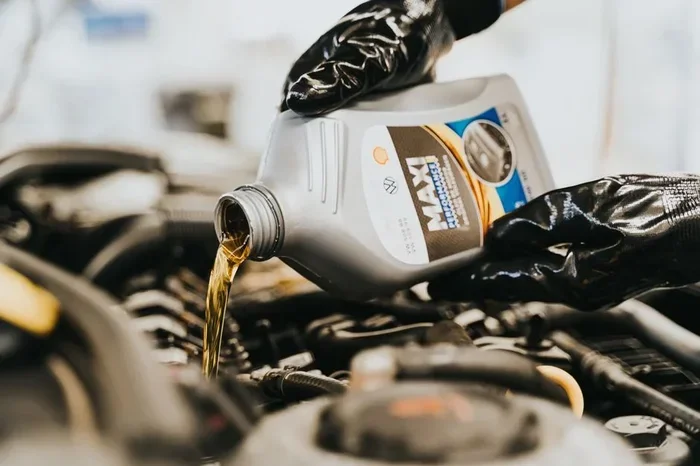
During the oil change portion, the technician removes the old engine oil and the used oil filter. They then install a new filter and refill the engine with the correct type and amount of fresh oil. This keeps your engine properly lubricated and helps it run efficiently.
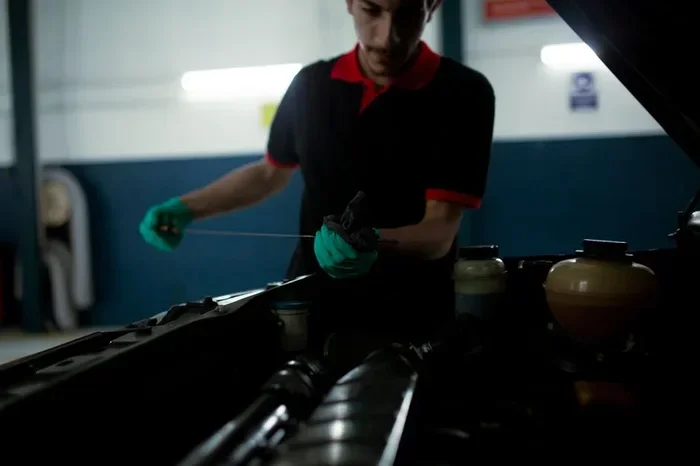
The multi point inspection part is where the real value shines. A trained technician walks around and under your vehicle to check key components. They look at things you might not even think about, like your coolant level, brake pad thickness, and tire condition. The result is a detailed report on the health of your car.
What Makes This Different from a Regular Oil Change?
A basic oil change only handles the oil and filter. That is it. You get fresh lubrication, but you do not get any insight into the rest of your vehicle.
An engine oil service with multi point inspection included goes far beyond that. You still get the oil change, but you also get a professional assessment of your car’s major systems. It is like comparing a quick checkup at a walk-in clinic to a full physical at your doctor’s office.
Here is a quick side-by-side look at the difference:
- Basic Oil Change: Drains old oil, replaces filter, adds new oil. That is all.
- Oil Service with Inspection: Everything in a basic oil change, plus a full vehicle health check covering brakes, fluids, belts, hoses, tires, and more.
The added inspection gives you real value. You find out about small problems before they turn into expensive repairs.
What Does a Multi Point Inspection Cover?
The beauty of a multi point inspection is its thoroughness. Different service centers may have slightly different checklists, but most cover the same core areas. Here is what you can typically expect:
Engine and Fluid Checks
The technician checks your engine oil level and condition after the swap. They also inspect the coolant level, power steering fluid, brake fluid, and transmission fluid. Low fluid levels can point to leaks or wear that needs attention.
Brake System Review
Your brakes are critical for safety. During the inspection, the tech checks your brake pad thickness, rotor condition, and brake line integrity. They will let you know if your pads are wearing down or if the rotors need attention.
Tire and Suspension Assessment
Tires are the only part of your car that touches the road. The inspection includes a look at tire tread depth, tire pressure, and overall wear patterns. They also check your suspension components for signs of damage or wear.
Undercarriage and Exhaust
Your car’s undercarriage takes a beating from road debris, salt, and moisture. The technician inspects the exhaust system, muffler, and undercarriage for rust, holes, or loose components. Catching exhaust issues early can prevent dangerous carbon monoxide leaks.
Belts, Hoses, and Battery
The inspection covers your drive belts, radiator hoses, and battery condition. Cracked hoses or worn belts can leave you stranded. A weak battery might not start your car on a cold morning. These are exactly the kinds of things the inspection catches.
Lights, Wipers, and Visibility
Safe driving depends on good visibility. The tech checks all your exterior lights, headlights, taillights, and wiper blades. Burned-out bulbs or worn wipers are easy and cheap to fix when you catch them early.
Air Filter and Cabin Filter
A dirty air filter can reduce your engine’s performance and fuel efficiency. The inspection often includes a look at both the engine air filter and the cabin air filter. Replacing them is usually inexpensive and makes a noticeable difference.
Why You Should Never Skip Your Oil Service
Some car owners put off their routine maintenance until something goes wrong. That is a costly mistake. Here is why staying on top of your oil service matters so much.
Fresh Oil Protects Your Engine
Engine oil does more than just lubricate. It cleans internal components, reduces friction, and helps regulate engine temperature. Over time, oil breaks down and loses its effectiveness. Old, dirty oil can cause increased wear and even engine damage.
When you get an engine oil service with multi point inspection included, you ensure your engine always has clean, fresh oil working for it.
Early Detection Saves Money
Here is a hard truth: small problems become big expenses fast. A tiny coolant leak today can turn into a blown head gasket tomorrow. Worn brake pads that go unchecked can damage your rotors, which costs much more to replace.
The multi point inspection catches these issues in their early stages. You fix them cheaply instead of dealing with major repair bills.
It Keeps Your Car Safe
Safety should always come first. A thorough inspection checks the systems that keep you and your passengers safe on the road. Brakes, tires, lights, and steering components all get a close look during the inspection process.
You Maintain Your Car’s Resale Value
Whether you plan to sell your car or trade it in, a full service history matters. Buyers and dealers look for proof of regular preventive maintenance. An engine oil service with multi point inspection included gives you documented proof that you took great care of the vehicle.
How Often Should You Get an Oil Service?
The right service interval depends on several factors. Your driving habits, the type of oil you use, and your vehicle’s age all play a role.
Follow Your Owner’s Manual
Your car’s owner’s manual is the best place to start. Most manufacturers recommend an oil change every 5,000 to 7,500 miles for modern vehicles using full synthetic oil. Older cars or those using conventional oil may need service every 3,000 miles.
Always follow the recommended service interval listed in your manual. If you are unsure, ask the service advisor at your local shop.
Driving Conditions Matter
Not all driving is equal. If you frequently drive in stop-and-go traffic, tow heavy loads, or deal with extreme temperatures, your engine works harder. In these cases, you may need to shorten your service interval.
Severe driving conditions include:
- Frequent short trips under five miles
- Driving in very hot or very cold weather
- Heavy stop-and-go city driving
- Towing trailers or carrying heavy loads
- Driving on dusty or gravel roads
Warning Signs You Need Service Sooner
Sometimes your car tells you it needs attention before your scheduled interval. Watch for these warning signs:
- The check engine light comes on
- You hear unusual engine noises like knocking or ticking
- Your oil looks dark and gritty on the dipstick
- You notice a burning smell while driving
- Your fuel efficiency drops suddenly
If you notice any of these, do not wait. Schedule an engine oil service with multi point inspection included right away.
What to Expect During Your Visit
Wondering what happens when you walk into a service center for this type of appointment? It is quick, straightforward, and painless.
Step 1: Check-In and Consultation
You check in at the service desk. The advisor asks about your vehicle, your driving habits, and any concerns you have. This is a great time to mention any weird sounds, lights, or sensations you have noticed.
Step 2: The Oil Change
The technician lifts your vehicle, drains the old oil, removes the used filter, and installs a new one. They then refill the engine with the correct grade of fresh oil. This part usually takes about 15 to 20 minutes.
Step 3: The Multi Point Inspection
While the oil is being changed, the technician begins the multi point inspection. They go through the checklist we covered earlier, inspecting every major system. This process typically takes 20 to 30 minutes.
Step 4: The Report
Once everything is done, the service advisor walks you through the inspection report. They explain what is in good shape and what needs attention. You get a clear picture of your vehicle’s current condition.
Step 5: Recommendations and Approvals
If any issues need fixing, the advisor presents the options. You approve or decline the work. Nothing happens without your permission. A reputable service center always puts you in control.
Quick Tips for Your Visit
- Bring your owner’s manual so the advisor can reference the right service schedule.
- Write down any concerns or questions before you arrive.
- Ask the technician to show you the old oil and filter if you are curious.
- Request a printout or digital copy of the inspection report for your records.
How to Choose the Right Service Center
Not all service centers are created equal. Choosing the right one for your engine oil service with multi point inspection included makes a big difference in the quality of care you receive.
Look for Certified Technicians
Make sure the technicians are properly certified. Look for ASE certification or manufacturer-specific training. Certified techs know modern vehicles and use the right procedures.
Check Reviews and Reputation
Read online reviews from other car owners. Look for consistent praise about honest pricing, quality work, and friendly service. A good reputation does not happen by accident.
Ask About the Inspection Checklist
Not all inspections are the same. Ask the service center what their multi point inspection checklist covers. A thorough checklist should include at least 20 to 30 checkpoints across all major vehicle systems.
Compare Pricing but Do Not Just Pick the Cheapest
Price matters, but it should not be the only factor. An extremely low price might mean skipped steps or low-quality parts. Look for transparent pricing and a clear breakdown of what is included.
Look for a Warranty or Guarantee
Reputable shops stand behind their work. Ask if they offer a service warranty or guarantee on their oil changes and inspections. This shows confidence in their quality.
Common Mistakes to Avoid
Even the best car owners make mistakes when it comes to maintenance. Here are a few to watch out for.
Ignoring the Inspection Report
Some people get the inspection report and toss it aside. That is a missed opportunity. The report tells you exactly what your car needs. Review it carefully and address any concerns promptly.
Pushing Off Service Too Long
Life gets busy, and it is easy to push your next oil service further and further out. But skipping or delaying service puts your engine at risk. Set a reminder on your phone or calendar to stay on track.
Using the Wrong Oil
Not all engine oil is the same. Using the wrong grade or type can hurt your engine’s performance. Always use the oil type recommended in your owner’s manual.
Skipping the Inspection to Save Time
Some people only want the oil change and skip the inspection to save a few minutes. That is a false economy. The inspection is the part that actually saves you money by catching problems early.
Expert Insight
Industry professionals agree that the multi point inspection is the most valuable part of any oil service appointment. Many experienced technicians say they find issues in over half of the vehicles they inspect, and most of those issues are minor when caught early. A small investment in the inspection can prevent thousands in repair costs over the life of your vehicle.
Key Takeaways
- An engine oil service with multi point inspection included combines a fresh oil change with a thorough vehicle health check.
- The inspection covers engine fluids, brakes, tires, suspension, exhaust, belts, hoses, battery, lights, and filters.
- Regular service extends your engine’s life and keeps your car running safely.
- Early problem detection through inspection saves you significant money over time.
- Most appointments take less than an hour from start to finish.
- Always follow your owner’s manual for the recommended service interval.
- Choose a service center with certified technicians, good reviews, and transparent pricing.
Conclusion
Your car works hard every day to get you where you need to go. An engine oil service with multi point inspection included is one of the easiest and most effective ways to give back. You get a clean engine, a thorough health check, and the confidence that comes from knowing your car is in good shape.
This service is not just about changing oil. It is about taking a proactive approach to car maintenance. It is about catching small issues before they become big problems. It is about protecting your investment and keeping your vehicle safe on the road.
So do not wait until something goes wrong. Schedule your next oil service with a multi point inspection today. Your car will thank you, and your wallet will too. A little preventive care now pays off in a big way for miles to come.
Frequently Asked Questions
What is included in a multi point inspection with an oil service?
A multi point inspection typically covers engine fluids, brake condition, tire wear, suspension components, exhaust system, belts, hoses, battery, lights, and air filters. The exact checklist varies by service center, but a thorough inspection covers at least 20 to 30 checkpoints across all major vehicle systems.
How long does an engine oil service with inspection take?
Most appointments take between 45 minutes and one hour. The oil change itself takes about 15 to 20 minutes, and the inspection adds another 20 to 30 minutes. Some service centers can complete it even faster if there is no wait.
Is a multi point inspection really necessary with every oil change?
It is not legally required, but it is highly recommended. The inspection catches small problems before they become expensive repairs. Even if everything looks good, you get valuable peace of mind knowing your vehicle is in top condition.
How much does an engine oil service with multi point inspection cost?
Prices vary depending on the service center, your vehicle type, and the kind of oil used. On average, you can expect to pay between $50 and $100 for this combined service. It is a small price compared to the cost of major repairs that go undetected.
Can I request a copy of the inspection report?
Absolutely. Any reputable service center will provide you with a copy of the inspection report. Many shops now offer digital reports you can view on your phone or email. Keep these reports for your records to track your vehicle’s maintenance history.
What should I do if the inspection finds a problem?
The service advisor will explain the issue and present your repair options. You always have the final say on what work gets done. For minor issues, you can often schedule a follow-up visit. For safety-critical problems like brake wear, the advisor will recommend addressing them promptly.