Best Antifreeze for Classic Cars and Engine Protection
Finding the best antifreeze for classic cars is essential to keep your vintage engine running strong. Old cooling systems need the right coolant formula to prevent corrosion, overheating, and freeze damage. We break down the top products, coolant types, and simple tips to help you choose with confidence.
There is something special about a classic car. The chrome, the rumble of the engine, and the feel of the steering wheel all connect you to a different era. But beneath that beautiful exterior, your engine needs serious care. One of the most important things you can do is choose the best antifreeze for classic cars. The wrong coolant can cause corrosion, overheating, and expensive repairs. The right one keeps your engine running smooth for decades.
Many car owners do not think about their coolant until something goes wrong. By then, the damage is already done. Rust inside the radiator, a worn water pump seal, or a cracked head gasket can all trace back to poor coolant choice. This guide helps you understand what makes antifreeze work, which types suit vintage engines, and how to pick the best antifreeze for classic cars without confusion. Let us get into it.
Key Takeaways
- Right coolant matters: Classic cars need antifreeze that protects cast iron, aluminum, and brass components without causing damage.
- Type matters: OAT, HOAT, and silicate-based coolants each work differently with older engine materials.
- Top picks exist: Products like Zerex, Peak, and Evans coolants stand out for classic car use.
- Mixing is risky: Never mix different coolant types or use plain water alone.
- Flush regularly: A cooling system flush every 2-3 years keeps your engine safe.
- Ratio counts: A 50/50 mix of antifreeze and distilled water offers the best freeze and boil protection.
- Prevention saves money: Proper antifreeze use prevents costly repairs like head gasket failure and radiator corrosion.
📑 Table of Contents
Why Classic Cars Need Special Antifreeze
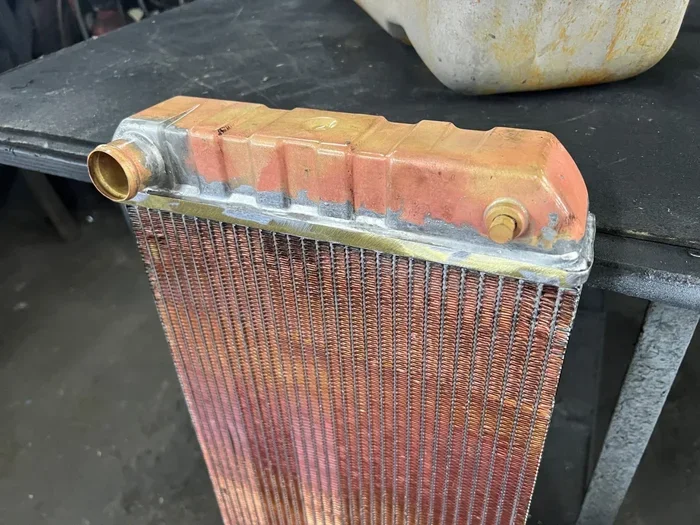
Classic cars are not like modern vehicles. Their cooling systems were built with different materials. You often find cast iron blocks, brass radiators, copper tubing, and aluminum components all in one engine bay. Modern antifreeze formulas are designed for newer materials. They may not protect these older metals the way they need.
The best antifreeze for classic cars contains corrosion inhibitors that work with these mixed metals. Without the right protection, electrolysis can eat away at brass fittings and copper lines. Aluminum radiators can pit and leak. Cast iron blocks can develop scale buildup that blocks coolant flow. Over time, this leads to overheating and major engine damage.
Another reason matters just as much: temperature control. Classic cars often lack modern thermostat technology. They rely on the coolant to manage heat efficiently. A good antifreeze for classic cars raises the boiling point and lowers the freeze point. This gives you a wider safe operating range, especially in extreme weather.
Common Cooling System Materials in Vintage Cars
- Cast iron engine blocks: Prone to scale buildup without proper inhibitors.
- Brass and copper radiators: Sensitive to galvanic corrosion from wrong coolant formulas.
- Aluminum components: Can corrode when exposed to acidic or alkaline coolants.
- Rubber hoses and seals: Degrade faster with the wrong chemical mix.
- Water pump seals: Wear out quickly without proper lubrication from quality coolant.
Types of Antifreeze for Classic Cars
Not all antifreeze is the same. The coolant market offers several types, and each one uses a different chemical base. Understanding these differences helps you pick the best antifreeze for classic cars for your specific vehicle.
IAT Coolant (Inorganic Acid Technology)
IAT coolant is the traditional green or blue fluid found in most classic cars. It uses silicate and phosphate additives to protect metal surfaces. This type works well with older cooling systems because it forms a protective layer on brass, copper, and cast iron. Many owners of vintage vehicles stick with IAT because it matches what their car originally used.
The downside is that IAT needs to be changed more often. It typically lasts about two years or 24,000 miles before the inhibitors break down. If you drive your classic car regularly, you should flush and replace IAT coolant on a strict schedule.
OAT Coolant (Organic Acid Technology)
OAT coolant uses organic acids instead of silicates. It comes in bright colors like orange, red, or purple. This type lasts much longer, often up to five years or 150,000 miles. However, OAT coolants were designed for modern aluminum-heavy engines. Some classic car experts worry that OAT does not protect brass and copper components as well as IAT does.
Still, some manufacturers now offer OAT formulas that work well with mixed metals. If you own a classic car with an aluminum radiator, an OAT-based antifreeze for classic cars might be a good fit. Just check the label carefully.
HOAT Coolant (Hybrid Organic Acid Technology)
HOAT coolant blends the best of both worlds. It includes both organic acids and small amounts of silicate. This gives it the long life of OAT and the metal protection of IAT. Many newer vehicles use HOAT, but it also works well for classic cars with mixed cooling system materials.
HOAT coolants come in yellow, turquoise, or pink colors. They offer excellent corrosion inhibitor protection and extended service life. For classic car owners who want long-lasting protection without frequent flushes, HOAT is worth considering.
Propylene Glycol vs Ethylene Glycol
Most antifreeze uses either ethylene glycol or propylene glycol as the base. Ethylene glycol is the most common and offers excellent heat transfer. However, it is toxic to humans and animals. Propylene glycol is less toxic and safer for garages where you might spill coolant. Both work well as the base for best antifreeze for classic cars products.
If you store your classic car in a shared space or have pets, propylene glycol is the safer choice. The performance difference between the two is minimal. Your decision should come down to safety and personal preference.
Top Antifreeze Products for Classic Cars
With so many options on the shelf, choosing the right product can feel overwhelming. Here are some of the top-rated antifreeze products that work well for classic car cooling systems.
Zerex Original Yellow
Zerex Original Yellow is a time-tested choice for vintage vehicles. It is a silicate-based formula that protects brass, copper, and cast iron. Many classic car restorers trust this product because it closely matches the original coolant specifications from the factory. It offers strong coolant for vintage cars protection and works well in both summer and winter conditions.
Peak OET Hybrid Coolant
Peak OET is a HOAT formula that combines long life with excellent metal protection. It comes pre-mixed and ready to pour, which makes it convenient. The hybrid formula works well with the mixed metals found in many classic engines. It is also affordable and widely available at auto parts stores.
Evans Waterless Coolant
Evans Waterless Coolant is a different approach entirely. Instead of a water-based formula, it uses a glycol-based fluid with a very high boiling point. This eliminates the risk of boiling over and reduces corrosion caused by water. Some classic car enthusiasts swear by Evans because it does not contain water, which is the main cause of internal rust. However, it is more expensive than traditional options.
Prestone AF12+
Prestone AF12+ is a fully compatible coolant that works with both old and new cooling systems. It uses a hybrid organic acid formula that protects all metals, including aluminum, copper, and brass. The product is designed for long life and comes in a convenient pre-mixed format. It is a solid choice for owners who want reliable classic car engine protection.
CAT ELC Extended Life
CAT ELC is designed for heavy-duty diesel engines, but it works well in classic gasoline engines too. It uses an OAT formula with excellent corrosion protection. Many classic truck owners prefer this product because of its durability and long service intervals. It is especially good for vehicles that sit for long periods.
Comparison Table: Best Antifreeze for Classic Cars
| Product | Type | Life Span | Best For |
|---|---|---|---|
| Zerex Original Yellow | IAT | 2 years | Traditional vintage cars with brass/copper radiators |
| Peak OET Hybrid | HOAT | 5 years | Mixed metal engines, everyday drivers |
| Evans Waterless | Glycol-based | Extended | High-heat applications, stored vehicles |
| Prestone AF12+ | HOAT | 5 years | All-metal cooling systems, general use |
| CAT ELC Extended Life | OAT | 6 years | Heavy use, long storage periods |
How to Choose the Right Antifreeze
Choosing the right coolant does not have to be complicated. Follow these steps to find the best antifreeze for classic cars for your specific vehicle.
Step 1: Check Your Owner Manual
Your owner manual tells you what type of coolant the manufacturer recommended. Look for the specification code or color. This gives you a starting point. If the manual is lost, check online forums for your specific car model. Other owners often share what works best.
Step 2: Identify Your Cooling System Materials
Open the hood and look at the radiator. Is it brass and copper, or aluminum? Check the engine block material. Cast iron engines need different protection than aluminum blocks. Knowing your materials helps you narrow down the right coolant type.
Step 3: Decide Between Concentrate and Pre-Mixed
Concentrate coolant needs to be mixed with distilled water before use. Pre-mixed coolant comes ready to pour. Both work well, but pre-mixed is more convenient. If you buy concentrate, always use a 50/50 mix with distilled water for optimal freeze point and boiling point protection.
Step 4: Consider Your Climate
Where you live matters. In cold climates, you need antifreeze with a low freeze point to prevent the coolant from solidifying. In hot climates, you need a high boiling point to prevent overheating. A 50/50 mix handles most climates well. In extreme cold, you might go up to a 60/40 antifreeze-to-water ratio.
Step 5: Look for Compatibility
Not all coolants play nice together. If you are switching from one type to another, you must flush the system first. Mixing incompatible coolants can create sludge that clogs passages and reduces cooling efficiency. Always check for compatibility before adding new antifreeze for classic cars to an existing system.
Common Mistakes to Avoid
Even well-meaning classic car owners make coolant mistakes. Here are the most common ones and how to avoid them.
Using Tap Water
Tap water contains minerals that cause scale buildup and corrosion. Always use distilled water when mixing antifreeze. The small cost of distilled water saves you from expensive cooling system repairs down the road.
Mixing Different Coolant Types
Never mix green IAT with orange OAT or yellow HOAT. The chemical reactions can reduce the effectiveness of the corrosion inhibitors. This leads to premature wear on water pumps, radiator cores, and hose connections. If you need to switch types, flush the entire system first.
Ignoring Coolant Color Changes
Coolant color changes are a warning sign. If your coolant turns rusty brown or darkens significantly, it is time for a change. Discolored coolant means the inhibitors are depleted and corrosion is active. Flush the system and refill with fresh radiator coolant.
Skipping Regular Coolant Flushes
Even the best antifreeze breaks down over time. Old coolant loses its ability to prevent corrosion and regulate temperature. Flush your cooling system every 2 to 3 years for IAT coolant and every 5 years for OAT or HOAT formulas.
Overlooking Small Leaks
A tiny coolant leak might seem harmless, but it leads to low fluid levels. Low coolant causes overheating, which damages the head gasket and warps engine components. Check for puddles under your car and inspect hoses regularly. Early detection saves you from major repairs.
Expert Tips for Maximum Engine Protection
Want to get the most out of your best antifreeze for classic cars? Follow these expert tips to keep your cooling system in top shape.
Flush Before Every Seasonal Change
If you store your classic car seasonally, flush the coolant before putting it away and again before driving it. Old coolant that sits for months loses its protective properties. Fresh coolant ensures your engine stays safe during storage and use.
Use a Cooling System Stop Leak Product Sparingly
Stop leak products can seal small leaks temporarily. However, overuse can clog your radiator and heater core. Use them only as a short-term fix while you plan a proper repair. Never rely on stop leak as a permanent solution.
Monitor Your Temperature Gauge
Keep an eye on your temperature gauge while driving. If the needle climbs higher than normal, pull over and let the engine cool. Overheating is the fastest way to destroy an engine. Proper antifreeze for classic cars helps prevent this, but vigilance is still essential.
Replace Hoses and Clamps During Coolant Changes
Every time you flush and refill your coolant, inspect the hoses and clamps. Old rubber hoses crack and swell. Weak clamps vibrate loose over time. Replacing these parts during a coolant change prevents unexpected failures and keeps your cooling system flush results lasting longer.
Keep a Coolant Backup in Your Garage
Always have a bottle of the right coolant on hand. If you notice a low level or a small leak, topping off quickly prevents overheating. Store coolant in a cool, dry place away from children and pets.
Key Takeaways
- Right coolant matters: Classic cars need antifreeze that protects cast iron, aluminum, and brass components without causing damage.
- Type matters: OAT, HOAT, and silicate-based coolants each work differently with older engine materials.
- Top picks exist: Products like Zerex, Peak, and Evans coolants stand out for classic car use.
- Mixing is risky: Never mix different coolant types or use plain water alone.
- Flush regularly: A cooling system flush every 2-3 years keeps your engine safe.
- Ratio counts: A 50/50 mix of antifreeze and distilled water offers the best freeze and boil protection.
- Prevention saves money: Proper antifreeze use prevents costly repairs like head gasket failure and radiator corrosion.
Conclusion
Your classic car deserves the best care you can give it. Choosing the best antifreeze for classic cars is one of the simplest and most impactful things you can do. The right coolant protects your engine from corrosion, overheating, and freeze damage. It keeps your cooling system running efficiently for years to come.
Take the time to understand your vehicle needs. Check the materials in your cooling system. Pick the right type of antifreeze. Follow the maintenance schedule. These small steps add up to a well-protected engine that you can enjoy for decades. Whether you drive your classic car on weekends or show it at local events, proper coolant care keeps it running its best.
Start today. Check your current coolant condition, flush the system if needed, and refill with the right antifreeze for classic cars. Your engine will thank you every time you turn the key. The road ahead is long, and with the right protection, your classic car is ready for every mile of it.
Frequently Asked Questions
What is the best antifreeze for classic cars with brass radiators?
Zerex Original Yellow is a top choice for cars with brass and copper radiators. Its silicate-based formula provides strong protection for these older metals. It closely matches the original factory coolant specifications for most vintage vehicles.
Can I use modern OAT coolant in my classic car?
It depends on your cooling system materials. OAT coolants work well with aluminum but may not protect brass and copper as effectively. If your classic car has a mixed-metal cooling system, a HOAT or IAT formula is a safer choice. Always check compatibility before switching.
How often should I flush my classic car cooling system?
IAT coolant should be flushed every 2 years or 24,000 miles. OAT and HOAT coolants last longer, typically 5 years or more. If you store your car for long periods, flush the coolant before storage and before driving again.
Is Evans Waterless Coolant worth it for classic cars?
Evans Waterless Coolant is worth considering if you want maximum corrosion protection and high boiling point performance. It does not contain water, which eliminates internal rust. However, it costs more than traditional antifreeze and requires a special flush procedure when switching.
What happens if I mix different types of antifreeze?
Mixing different coolant types can cause chemical reactions that reduce corrosion protection. The mixture may form sludge that clogs radiator passages and blocks coolant flow. If you need to switch types, always flush the system completely first.
Can I use plain water instead of antifreeze in my classic car?
Never use plain water alone. Water does not provide corrosion inhibition, and it freezes at 32 degrees Fahrenheit. It also boils at a much lower temperature than coolant, which can cause overheating. Always use a proper antifreeze mixture with distilled water.