BMWs Sustainability and Corporate Responsibility Commitment
BMW’s commitment to sustainability goes far beyond making electric cars. The company is reshaping its entire operation, from green factories to responsible sourcing, to reduce its environmental footprint. This article explores how BMW’s sustainability and corporate responsibility efforts are setting a new standard in the automotive industry. You will learn about their electric vehicle strategy, clean manufacturing, and long-term environmental goals.
BMW is one of the world’s most recognized car brands. For decades, it has been known for luxury, performance, and engineering excellence. But in recent years, something bigger has taken center stage. BMW’s commitment to sustainability and corporate responsibility has become a core part of its identity. The company is not just building fast cars anymore. It is building a cleaner, greener future for everyone.
So what does this really mean? It means BMW is rethinking how it makes cars, where it gets materials, and how it powers its factories. The shift toward electric vehicles, renewable energy, and ethical sourcing is not a trend. It is a long-term strategy backed by real action. If you are curious about how a traditional automaker is transforming into a sustainability leader, you are in the right place.
Key Takeaways
- BMW is investing heavily in electric vehicles to achieve zero emissions across its lineup.
- The company uses renewable energy in its factories to cut carbon emissions significantly.
- BMW practices responsible sourcing and ensures ethical supply chain standards.
- Circular economy and battery recycling are key parts of BMW’s long-term sustainability plan.
- BMW has set bold climate targets aligned with global environmental goals.
- Corporate social responsibility extends to community engagement and social initiatives worldwide.
📑 Table of Contents
- The BMW Sustainability Vision and Goals
- Green Manufacturing and Clean Production
- Sustainable Supply Chain and Responsible Sourcing
- Electric Vehicles and Sustainable Mobility
- Circular Economy and Recycling Initiatives
- Corporate Social Responsibility and Community Impact
- Common Mistakes Companies Make in Sustainability (And How BMW Avoids Them)
- Expert Insights on BMW’s Sustainability Leadership
- What This Means for Consumers
- Conclusion
The BMW Sustainability Vision and Goals
BMW has laid out a clear vision for sustainability. The company wants to reduce its carbon footprint at every level. This includes how cars are made, how they are driven, and what happens to them at the end of their life. BMW has set specific targets that are measurable and time-bound. This is not just green marketing. It is a genuine corporate responsibility strategy.
Carbon Neutrality Targets
BMW aims to become carbon neutral across its entire value chain. This includes production, logistics, and the use phase of its vehicles. The company has pledged to cut CO2 emissions per vehicle significantly by 2030. These goals align with the Paris Agreement and global climate action efforts. BMW understands that climate change is a real challenge. And it is taking ownership of its role in addressing it.
Electrification Strategy
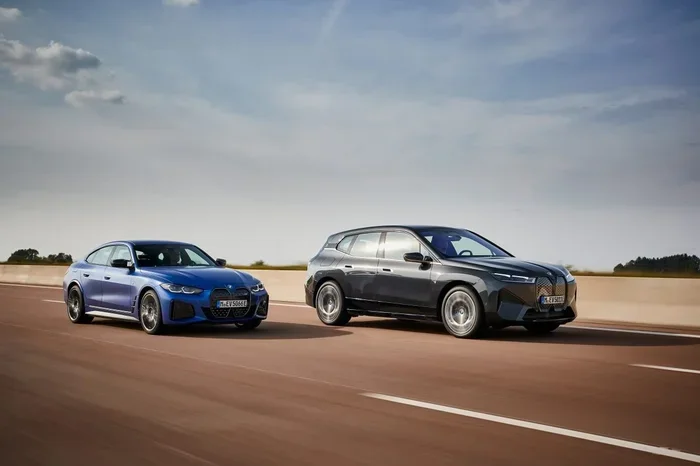
One of the biggest pillars of BMW’s sustainability plan is electrification. The company offers a growing lineup of plug-in hybrids and fully electric vehicles. The BMW i series, including the iX, i4, and iX3, represents the brand’s electric future. BMW has committed to increasing the share of electric vehicles in its global sales. By the end of this decade, electric cars could make up a large portion of BMW’s total deliveries.
But BMW is not just swapping gas engines for electric ones. The company is also investing in battery technology. It is working to make batteries more efficient, longer-lasting, and easier to recycle. This holistic approach sets BMW apart from many competitors in the automotive industry.
Green Manufacturing and Clean Production
How a car is made matters just as much as how it is driven. BMW has invested billions in making its production facilities more sustainable. The company operates some of the most eco-friendly factories in the world. These plants use renewable energy, reduce waste, and minimize water usage.
Renewable Energy in Factories
BMW has switched to using 100% renewable electricity at all its production sites. This includes solar panels, wind energy, and green energy contracts. The Leipzig plant in Germany, for example, uses wind turbines to power its assembly lines. The Dingolfing plant runs on hydroelectric power. These are not small steps. They are major commitments to green manufacturing.
By powering factories with clean energy, BMW significantly reduces its scope 2 emissions. These are emissions from purchased electricity and heat. Cutting these emissions is a big part of the company’s overall environmental strategy.
Water and Resource Efficiency
BMW also focuses on reducing water consumption in production. The company uses closed-loop water systems that recycle and reuse water. This helps conserve one of our most precious resources. BMW has also reduced waste sent to landfills through recycling and circular practices. Every scrap of material is given a second life whenever possible.
Sustainable Supply Chain and Responsible Sourcing
A car is made of thousands of parts from all over the world. BMW knows that sustainability must extend beyond its own walls. The company works closely with suppliers to ensure ethical and eco-friendly practices. This is a complex challenge, but BMW takes it seriously.
Ethical Material Sourcing
BMW requires its suppliers to meet strict sustainability standards. This includes responsible sourcing of raw materials like cobalt, lithium, and aluminum. The company uses blockchain technology to trace materials back to their origin. This helps ensure that no child labor or unethical practices are involved in the supply chain. It is a powerful example of corporate responsibility in action.
Supplier Sustainability Programs
BMW runs programs to help suppliers reduce their own carbon footprints. The company shares best practices and provides tools for measuring environmental impact. Suppliers who meet BMW’s standards receive recognition and long-term partnerships. This creates a ripple effect across the entire automotive supply chain. Other companies are starting to follow BMW’s lead in holding suppliers accountable.
Electric Vehicles and Sustainable Mobility
The shift to electric vehicles is at the heart of BMW’s sustainability strategy. Electric cars produce zero tailpipe emissions. They help improve air quality in cities and reduce greenhouse gases. BMW has made it clear that the future of mobility is electric.
BMW i Series and Beyond
The BMW i series is the company’s dedicated electric vehicle line. The iX is a fully electric luxury SUV with cutting-edge technology. The i4 is an electric sports sedan that delivers thrilling performance. The iX3 is an electric crossover that brings sustainable mobility to a wider audience. Each of these vehicles proves that eco-friendly cars can also be exciting and luxurious.
BMW is also expanding its electric lineup beyond the i series. Many existing models now offer plug-in hybrid versions. This gives customers more choices and makes sustainable driving more accessible. The company is building a comprehensive ecosystem of electric vehicles for every segment.
Charging Infrastructure and Customer Support
Owning an electric car can feel daunting without proper charging support. BMW has invested in expanding charging infrastructure across Europe and other markets. The company partners with charging network providers to make public charging easier. BMW also offers home charging solutions and mobile apps that help owners plan their trips. This customer-first approach removes barriers to electric vehicle adoption.
Circular Economy and Recycling Initiatives
BMW believes in a circular economy. This means designing products that can be reused, repaired, and recycled. The company is working to minimize waste and maximize resource efficiency at every stage of a vehicle’s life.
Battery Recycling Program
One of BMW’s most impressive sustainability efforts is its battery recycling program. When electric vehicle batteries reach the end of their life in a car, they still hold significant energy capacity. BMW recovers these batteries and repurposes them for energy storage systems. When the batteries can no longer be used, the company recycles valuable materials like lithium, cobalt, and nickel. This reduces the need for mining new raw materials and lowers environmental impact.
Design for Disassembly
BMW designs new vehicles with end-of-life recycling in mind. This concept is called “design for disassembly.” It means using fewer different types of materials and making parts easier to separate. This approach increases recycling rates and reduces waste. It is a smart strategy that benefits both the environment and the bottom line.
Corporate Social Responsibility and Community Impact
Sustainability is not just about the environment. It is also about people. BMW takes its corporate social responsibility seriously. The company invests in communities, supports education, and promotes diversity and inclusion.
Education and Youth Programs
BMW runs programs that inspire young people to pursue careers in engineering and sustainability. The company partners with universities and technical schools around the world. BMW also supports STEM education initiatives in underserved communities. These programs help build the next generation of innovators and problem solvers.
Diversity and Inclusion
BMW believes that a diverse workforce drives better ideas and stronger performance. The company has implemented programs to increase gender diversity and promote equal opportunities. BMW sets targets for female representation at all levels of the organization. This commitment to inclusion is a key part of its overall corporate responsibility strategy.
Philanthropy and Social Initiatives
BMW supports numerous charitable organizations and social causes globally. The company donates to disaster relief efforts, cultural projects, and environmental conservation programs. BMW employees are encouraged to volunteer and give back to their communities. These social initiatives show that BMW cares about more than just profits. It cares about making a positive difference in the world.
Common Mistakes Companies Make in Sustainability (And How BMW Avoids Them)
Many companies claim to be sustainable without making real changes. BMW avoids these common pitfalls through transparency and action. Here are mistakes that BMW steers clear of:
- Greenwashing: BMW backs up its claims with data and measurable results. The company sets specific targets and reports progress publicly.
- Ignoring the supply chain: BMW extends its sustainability standards to all suppliers. It does not just focus on its own operations.
- Short-term thinking: BMW’s sustainability goals span decades. The company invests in long-term solutions rather than quick fixes.
- Neglecting recycling: BMW designs for recyclability from the start. It does not treat end-of-life as an afterthought.
- Overlooking social responsibility: BMW balances environmental goals with community impact and employee well-being.
Expert Insights on BMW’s Sustainability Leadership
Industry experts often point to BMW as a leader in automotive sustainability. The company’s integrated approach, combining electric vehicles, clean manufacturing, and ethical sourcing, sets it apart. According to sustainability analysts, BMW’s early investment in electrification gives it a significant competitive advantage. The company’s use of blockchain for supply chain transparency is also widely praised. These innovations show that BMW is not just following trends. It is shaping the future of sustainable mobility.
What This Means for Consumers
BMW’s sustainability efforts have a direct impact on buyers. When you choose a BMW electric or hybrid vehicle, you are supporting a company that cares about the planet. You are also getting a high-performance car that meets modern environmental standards. BMW proves that sustainability and luxury can go hand in hand. Consumers today want more than just a great driving experience. They want to feel good about their choices. BMW delivers on both fronts.
Quick Tips for Choosing a Sustainable BMW
- Look for the BMW i series models for fully electric options.
- Consider plug-in hybrid versions if you are not ready for a full EV.
- Check the BMW sustainability report for the latest environmental data.
- Explore certified pre-owned BMW electric vehicles to reduce your footprint further.
- Ask your dealer about BMW’s recycling and battery second-life programs.
Conclusion
BMW’s commitment to sustainability and corporate responsibility is real, measurable, and inspiring. The company is transforming every aspect of its business, from factory floors to vehicle design to community engagement. BMW’s sustainability goals are ambitious, and the progress so far is impressive. The company is proving that a traditional automaker can lead the charge toward a cleaner, greener future.
Whether you are a car enthusiast, an environmental advocate, or simply someone who cares about the world we live in, BMW’s efforts are worth watching. The bmw commitment to sustainability shows that business success and environmental responsibility can go together. As the automotive industry evolves, BMW is setting the standard for what corporate responsibility should look like in the 21st century. The road ahead is electric, and BMW is driving the charge.
Frequently Asked Questions
What is BMW doing to reduce its carbon emissions?
BMW is reducing carbon emissions through electrification, renewable energy in factories, and sustainable supply chain practices. The company has set targets to achieve carbon neutrality across its entire value chain. These efforts include producing more electric vehicles and cutting CO2 emissions per vehicle significantly by 2030.
Is BMW really committed to sustainability or is it just greenwashing?
BMW’s sustainability efforts are backed by real data and measurable goals. The company publishes detailed sustainability reports and tracks progress on its environmental targets. BMW uses renewable energy in production, invests in battery recycling, and ensures ethical sourcing of materials. These are concrete actions, not just marketing promises.
What electric vehicles does BMW currently offer?
BMW offers a growing lineup of electric vehicles under its i series. This includes the iX, i4, and iX3, with more models on the way. The company also provides plug-in hybrid versions of many popular models. BMW continues to expand its electric vehicle portfolio each year.
How does BMW ensure ethical sourcing of materials?
BMW uses blockchain technology to trace materials like cobalt and lithium back to their source. The company requires suppliers to meet strict sustainability and ethical standards. BMW works to ensure that no child labor or harmful practices are involved in its supply chain.
What is BMW doing about battery recycling?
BMW has a comprehensive battery recycling program. The company recovers used batteries and repurposes them for energy storage before recycling the raw materials. This reduces the need for new mining and helps create a circular economy for EV batteries.
How does BMW support communities beyond environmental efforts?
BMW supports education programs, promotes diversity and inclusion, and engages in philanthropy worldwide. The company partners with universities, supports STEM education, and encourages employee volunteering. These social initiatives are a key part of BMW’s overall corporate responsibility strategy.