BMW Warning Light Guide What Every Driver Needs to Know
BMW warning lights are your car’s way of telling you something needs attention. Red lights mean stop and check immediately, while yellow lights signal a less urgent issue. This guide helps you understand every BMW dashboard symbol so you can drive safely and avoid costly repairs.
You are driving your BMW down the highway. Suddenly, a bright symbol lights up on your dashboard. Your heart skips a beat. What does it mean? Is it serious? Should you pull over right now?
Every BMW owner has been there. BMW warning lights can be confusing, scary, and frustrating. But here is the good news. Once you learn what each symbol means, you will feel much more confident behind the wheel.
This guide breaks down every BMW dashboard symbol you will ever see. We cover red lights, yellow lights, and everything in between. By the end, you will know exactly what to do when a light comes on. Let us get started.
Key Takeaways
- Red BMW warning lights require immediate action and should never be ignored.
- Yellow or amber lights are less urgent but still need your attention soon.
- Common causes include low oil, tire pressure issues, and battery problems.
- BMW iDrive displays can show multiple symbols at once, which can be confusing.
- Regular maintenance helps prevent many warning lights from appearing.
- Using a BMW diagnostic tool can quickly identify hidden problems behind warning symbols.
- Knowing your lights saves money, time, and keeps you safe on the road.
📑 Table of Contents
- Understanding BMW Warning Lights
- Red BMW Warning Lights You Must Never Ignore
- Yellow and Amber BMW Warning Lights
- Common BMW Warning Light Causes and Fixes
- BMW Warning Light Checklist for Every Owner
- When to See a Mechanic
- Expert Insights on BMW Warning Lights
- BMW Warning Light Quick Reference
- Conclusion
Understanding BMW Warning Lights
BMW warning lights are not random symbols. Each one tells a specific story about your car. Think of them as your vehicle’s way of talking to you. They use colors and shapes to communicate how serious the issue is.
The color system is simple and important to remember:
- Red lights mean stop safely and address the issue immediately.
- Yellow or amber lights mean something needs attention soon but is not an emergency.
- Green or blue lights are simply informational. They tell you a system is active.
Most BMW models use a similar dashboard layout. However, the exact symbols can vary slightly between the 3 Series, 5 Series, X Series, and others. Always refer to your owner’s manual for your specific model. But the core meanings stay the same across the lineup.
Why Warning Lights Matter
Ignoring a BMW warning light can lead to big problems. A small issue today can become a very expensive repair tomorrow. For example, driving with low oil pressure can destroy your engine completely. That repair costs thousands of dollars.
On the other hand, responding quickly to a warning light can save you a lot of money and stress. Many issues are simple and cheap to fix when you catch them early. A quick check can turn a potential disaster into a minor fix.
Red BMW Warning Lights You Must Never Ignore
Red warning lights are the most serious. They indicate a problem that could affect your safety or damage your vehicle. If you see a red light, pull over safely as soon as you can.
Engine Oil Pressure Warning
This light looks like an old oil can with a drop coming out of it. It means your engine oil pressure is too low. Oil keeps your engine’s moving parts lubricated. Without enough oil, metal grinds against metal. This causes serious internal damage very fast.
If you see this light, do the following:
- Pull over safely and turn off the engine.
- Check your oil level using the dipstick.
- Add oil if the level is low. Use the correct grade for your BMW.
- Do not drive far distances with this light on.
- Visit a mechanic if the light stays on after adding oil.
Brake System Warning
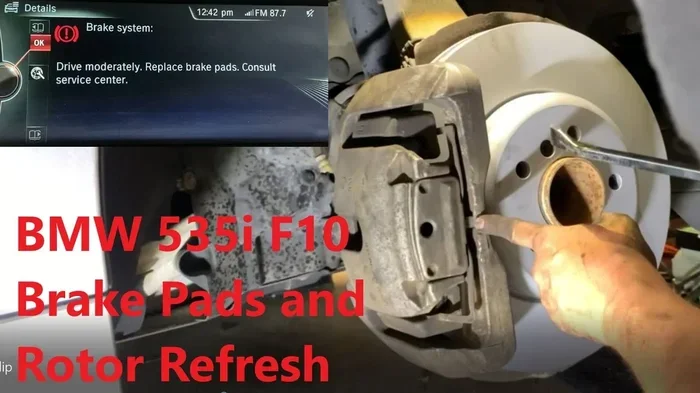
The brake warning light often looks like the letters “BRAKE” inside a circle. This light can mean several things. Your parking brake might be engaged. Your brake fluid level might be low. Or your brake pads might be worn down to the minimum.
Brakes are the most important safety feature in your car. Never ignore this light. Check your parking brake first. If it is not engaged, have your brake system inspected right away.
Battery Charge Warning
This light looks like a battery icon. It means your BMW’s electrical system is not charging properly. A dead battery will leave you stranded. Common causes include a faulty alternator, loose battery cables, or a worn-out battery.
If this light comes on while driving, turn off all unnecessary electronics. Headlights, the radio, and the air conditioning all drain power. Get to a service center as soon as possible.
Coolant Temperature Warning
This light looks like a thermometer sitting in waves. It means your engine is overheating. Overheating can warp engine parts and cause permanent damage. Common reasons include a coolant leak, a broken thermostat, or a failing water pump.
If this light appears, pull over and let the engine cool down. Never open the radiator cap while the engine is hot. The pressurized coolant can cause serious burns. Once cooled, check your coolant level and top it up if needed.
Yellow and Amber BMW Warning Lights
Yellow lights are less urgent than red ones. They still mean something needs your attention. You can usually drive a short distance to a service center, but do not delay getting it checked.
Check Engine Light
The BMW check engine light is one of the most common symbols drivers see. It looks like an engine outline. This light comes on when the engine management system detects a problem. The issue could be as simple as a loose gas cap or as complex as a powertrain malfunction.
Here are some common triggers for the check engine light:
- A loose or damaged fuel cap.
- Faulty oxygen sensors.
- Clogged catalytic converter.
- Misfiring spark plugs.
- Issues with the emissions system.
When this light comes on, do not panic. But also do not ignore it. Use a BMW diagnostic tool to read the error codes. Many auto parts stores offer free code reading. This gives you a clear idea of what is going on.
Tire Pressure Monitoring Warning
This light looks like a horseshoe shape with an exclamation point in the middle. It means one or more of your tires has low pressure. Underinflated tires reduce fuel efficiency. They also wear out faster and can be unsafe, especially in wet conditions.
Check your tire pressure as soon as you can. You can find the recommended pressure on the sticker inside your driver’s door. Most gas stations have air pumps with pressure gauges. A simple top-up often fixes this issue quickly.
ABS Warning Light
The ABS light means your Anti-lock Braking System has a problem. This system prevents your wheels from locking up during hard braking. If the ABS light is on, your regular brakes still work. But you lose the anti-lock benefit, especially on slippery roads.
Common causes include a faulty wheel speed sensor or low brake fluid. Have a technician scan your system to find the exact cause.
BMW Service Interval Warning
This light looks like a wrench or spanner icon. It is your reminder that your BMW is due for maintenance. This is not a sign of a broken part. It simply means it is time for an oil change, inspection, or other scheduled service.
Do not ignore this light for too long. Regular maintenance keeps your BMW running smoothly and helps prevent more serious issues from developing. Following the BMW service interval schedule also helps maintain your vehicle’s resale value.
Common BMW Warning Light Causes and Fixes
Many BMW warning lights share common causes. Understanding these can help you troubleshoot faster and save money. Here is a look at the most frequent issues drivers face.
Low Fluid Levels
BMW cars use several vital fluids. Engine oil, coolant, brake fluid, and power steering fluid all need to stay at proper levels. Low fluid is one of the top reasons warning lights appear. Regularly checking your fluid levels takes just a few minutes and can prevent many problems.
Sensor Malfunctions
Modern BMWs have dozens of sensors throughout the vehicle. These sensors monitor everything from tire pressure to exhaust emissions. Sometimes a sensor fails or gives a false reading. A BMW diagnostic tool can help you tell if a sensor is genuinely faulty or just sending a bad signal.
Electrical Issues
BMW electrical systems are complex and sophisticated. A loose wire, a blown fuse, or a failing module can trigger multiple warning lights at once. Electrical issues are tricky to diagnose on your own. A qualified BMW technician has the right tools and training to handle them.
Wear and Tear
Some warning lights simply mean parts are wearing out. Brake pads, tires, and filters all have a lifespan. When they reach the end, the corresponding warning light comes on. Replacing worn parts on schedule keeps your BMW safe and reliable.
BMW Warning Light Checklist for Every Owner
Every BMW owner should have a basic checklist for handling warning lights. This simple routine can save you time, money, and stress.
- Stay calm. Do not panic when a light appears. Assess the situation calmly.
- Check the color. Red means stop. Yellow means proceed with caution. Green or blue is just information.
- Note the symbol. Try to identify what the symbol looks like. Refer to your owner’s manual.
- Check for other symptoms. Is the car making a strange noise? Is it vibrating? Is the steering stiff? These details help a mechanic diagnose the problem faster.
- Address red lights immediately. Pull over safely and turn off the engine if needed.
- Use a diagnostic tool. For yellow lights, a diagnostic scanner can reveal the error code and help you understand the issue.
- Visit a service center. When in doubt, let a professional take a look. It is always better to be safe than sorry.
When to See a Mechanic
Not every warning light requires a trip to the shop. But some situations definitely do. Here are clear signs that you need professional help.
- The red oil pressure light stays on after you add oil.
- Multiple warning lights appear at the same time.
- Your BMW check engine light flashes instead of staying solid. A flashing check engine light often indicates a serious misfire that can damage the catalytic converter.
- You notice a burning smell or smoke under the hood.
- Your brakes feel soft, spongy, or unresponsive.
- The coolant temperature warning light stays on even after the engine cools down.
A qualified BMW mechanic has access to specialized BMW diagnostic tools. These tools can read error codes and pinpoint problems quickly. Trying to fix complex issues without the right equipment can make things worse and cost you more in the long run.
Expert Insights on BMW Warning Lights
Seasoned BMW technicians agree on one thing. The biggest mistake drivers make is ignoring warning lights. Many people assume a light will go away on its own. Sometimes it does, but that is not worth the risk.
Experts also emphasize the importance of using genuine BMW parts. Aftermarket parts can sometimes trigger warning lights because they do not meet the same quality standards. When replacing sensors, filters, or other components, OEM parts are always the safer choice.
Another tip from the pros. Keep a small notebook in your glove box. Write down when each warning light appeared and what was happening at the time. This information is incredibly helpful for any mechanic who works on your car later.
Quick Tips to Prevent Warning Lights
- Check your oil level every two weeks.
- Keep your tire pressure at the recommended level.
- Never ignore the service interval reminder.
- Use only the recommended fuel grade for your BMW model.
- Keep your battery terminals clean and tight.
- Address small issues before they become big problems.
Prevention is always better than cure. A little regular care goes a long way in keeping your BMW’s warning lights quiet and your car running at its best.
BMW Warning Light Quick Reference
Having a quick reference table makes it easy to look up symbols on the go. Here is a summary of the most common BMW warning lights and what they mean.
| Light Color | Symbol Meaning | Urgency Level |
|---|---|---|
| Red | Oil Pressure | Stop immediately |
| Red | Brake System | Stop immediately |
| Red | Battery Charge | Stop immediately |
| Red | Coolant Overheating | Stop immediately |
| Yellow | Check Engine | Schedule service soon |
| Yellow | Tire Pressure Low | Check within a few days |
| Yellow | ABS Fault | Schedule service soon |
| Yellow | Service Due | Schedule maintenance |
| Green/Blue | High Beams Active | Informational only |
| Green/Blue | Turn Signal Active | Informational only |
This table covers the most common symbols, but your BMW may have additional lights specific to its features. Always consult your owner’s manual for the complete list of symbols and their meanings.
Conclusion
BMW warning lights are there to protect you and your vehicle. They are not something to fear. Once you understand what each light means, they become a helpful tool rather than a source of anxiety.
Remember the basics. Red lights mean stop and check. Yellow lights mean address the issue soon. Green and blue lights are just informational. Keep up with regular maintenance. Use a diagnostic tool when needed. And never hesitate to visit a professional when something feels off.
Your BMW is a finely engineered machine. It communicates with you through its dashboard. The more you listen, the better your driving experience will be. Stay informed, stay safe, and enjoy the ride.
Frequently Asked Questions
What is the most serious BMW warning light?
The red warning lights are the most serious. These include the oil pressure light, brake system light, battery charge light, and coolant overheating light. If any of these come on, pull over safely and turn off the engine. Continuing to drive with a red light on can cause severe damage to your vehicle or put you at serious risk.
Can I drive my BMW with the check engine light on?
You can usually drive a short distance with the check engine light on. However, you should get the vehicle inspected as soon as possible. A flashing check engine light is more serious and means you should stop driving and seek help immediately. A solid light often indicates a less urgent issue like a loose gas cap or a sensor problem.
Why does my BMW have so many warning lights?
Modern BMWs are equipped with advanced technology and many sensors. Each sensor monitors a specific system or function. When something goes wrong, the corresponding warning light activates. While this can feel overwhelming at first, each light has a specific purpose. Learning what the most common ones mean makes them much easier to understand.
How do I reset a BMW warning light?
Some warning lights reset automatically once the issue is fixed. Others need to be cleared with a diagnostic tool. You can use an OBD-II scanner or visit a BMW service center. However, it is important to fix the underlying problem first. Resetting a light without addressing the root cause will only cause it to come back.
Are aftermarket parts safe for my BMW?
Aftermarket parts can be safe, but they do not always meet BMW’s exact specifications. Using non-OEM parts can sometimes trigger warning lights or cause compatibility issues. For critical components like sensors, brake parts, and electronics, genuine BMW parts are always the recommended choice. They ensure proper fit, function, and reliability.
How often should I check my BMW fluid levels?
It is a good habit to check your fluid levels every two weeks or before a long trip. Pay special attention to engine oil, coolant, and brake fluid. Keeping these at proper levels prevents many common warning lights from appearing and helps your BMW run smoothly for years to come.
=== SEO TITLE ===
BMW Warning Light Guide Every Driver Needs to Know
=== META TITLE ===
BMW Warning Light Guide: What Every Driver Needs to Know
=== URL SLUG ===
bmw-warning-light-guide-driver-needs-to-know