Everything You Need To Know About Brake F150 Performance
Understanding your brake F150 is essential for safety, performance, and longevity. This guide covers everything from basic brake system components to advanced upgrades and maintenance tips. Whether you drive a new F-150 or a classic model, you will find practical advice to keep your truck braking at its best.
Your brake f150 is one of the most important systems on your truck. Without working brakes, nothing else matters. Every time you step on the pedal, a complex system of parts works together to bring thousands of pounds of steel to a safe stop. In this guide, we will walk you through everything you need to know about brake F150 performance, maintenance, upgrades, and common problems.
Whether you use your Ford F-150 for daily commuting, heavy towing, or off-road adventures, your brakes take a beating. Understanding how they work and what you can do to keep them in top shape will save you money and keep you safe on the road. Let us dive right in.
Key Takeaways
- Brake F150 systems are complex: they include pads, rotors, calipers, fluid, and lines working together.
- Regular maintenance saves money: simple habits like checking brake fluid and inspecting pads prevent costly repairs.
- Upgrades boost stopping power: heavy-duty rotors and performance pads make a real difference for towing and hauling.
- Warning signs are easy to spot: squealing, pulling, and soft pedals all signal brake problems.
- Driving habits matter: aggressive driving wears brakes faster, while smooth braking extends their life.
- ABS technology adds safety: modern F-150 models include anti-lock brakes that prevent wheel lockup.
📑 Table of Contents
- What Is a Brake F150 System and How Does It Work?
- Types of Brake Systems in the Ford F-150
- Signs Your Brake F150 Needs Attention
- How to Upgrade Your Brake F150 for Better Performance
- Brake Maintenance Tips for Long-Lasting Stopping Power
- Common Brake F150 Problems and How to Fix Them
- Expert Insights: Getting the Most from Your Brake F150
- Key Takeaways
- Conclusion
What Is a Brake F150 System and How Does It Work?
The brake system on a Ford F-150 is more than just pads and rotors. It is an engineered network of components designed to convert the energy of motion into heat, which slows your truck down. When you press the brake pedal, you activate a hydraulic system that pushes brake fluid through lines to each wheel. This pressure forces the brake calipers to squeeze the pads against the rotors, creating friction.
Most modern F-150 models use disc brakes on all four wheels. Older models or base trims sometimes came with drum brakes on the rear axle. Each type has its strengths. Disc brakes offer better heat dissipation and more consistent performance. Drum brakes are simpler and cheaper to replace. But both serve the same purpose: stopping your truck safely.
The brake f150 system also relies on several supporting components. Brake fluid transmits the force from your foot to the calipers. Brake lines carry that fluid under high pressure. The master cylinder creates that pressure when you press the pedal. And the ABS module prevents your wheels from locking up during hard stops. All of these parts work as a team.
Key Components of the Brake F150 System
Let us break down the main parts you should know about:
- Brake pads: These are the friction material that presses against the rotors. They wear down over time and need regular replacement.
- Brake rotors: Also called discs, these are the metal discs attached to each wheel hub. Pads clamp onto them to create stopping friction.
- Brake calipers: These house the pads and use hydraulic pressure to squeeze them against the rotors.
- Brake fluid: A special hydraulic fluid that transfers force from the pedal to the calipers. It must stay clean and at the right level.
- Brake lines: Steel or rubber hoses that carry brake fluid from the master cylinder to each wheel.
- Master cylinder: The device that converts pedal pressure into hydraulic pressure.
- ABS module: The anti-lock braking system computer that monitors wheel speed and prevents skidding.
Knowing these parts helps you understand why each one matters. A problem with any single component can affect your entire brake f150 performance.
Types of Brake Systems in the Ford F-150
Not all brake f150 setups are the same. Ford offers different brake configurations depending on the model year, trim level, and towing package. Understanding what you have helps you make better maintenance and upgrade decisions.
Standard Disc Brakes
Most F-150 models come equipped with four-wheel disc brakes. The front discs are typically larger because they handle about 70 percent of your stopping power. When you brake hard, the weight of the truck shifts forward, putting more demand on the front brakes. This is why front brake f150 pads tend to wear faster than rear pads.
Drum Brakes on Rear Axle
Some base model F-150s, especially older years, use drum brakes on the rear. Drum brakes use shoes that press outward against a curved drum. They are effective but do not dissipate heat as well as disc brakes. If your truck has rear drum brakes, pay extra attention to them during maintenance checks.
Heavy-Duty and Tow Package Brakes
If you tow with your F-150, you likely have upgraded brakes. Ford offers a Heavy-Duty Trailer Tow Package that includes larger rotors and more durable pads. These brake f150 upgrades handle the extra heat and stress of pulling heavy loads. If you tow regularly, these brakes deserve extra care and more frequent inspection.
Signs Your Brake F150 Needs Attention
Catching brake problems early can save you from expensive repairs and, more importantly, keep you safe. Your truck gives you plenty of warning signs when something is wrong with the brake f150 system. Here are the most common signals to watch for.
Squealing or Grinding Noises
A high-pitched squeal when you brake usually means your pads are worn down to the metal wear indicators. This sound is designed to alert you that replacement is needed. If you ignore it and hear a grinding noise, your pads are likely completely worn through, and metal is grinding against metal. That damages your rotors and makes repairs much more expensive.
Soft or Spongy Brake Pedal
When you press the pedal and it feels soft or goes too close to the floor, that is a red flag. Usually, this means air has entered your brake lines or your fluid level is low. Either way, air in the system reduces hydraulic pressure, and your brakes will not perform as they should.
Pulling to One Side
If your truck pulls to the left or right when you brake, something is uneven. This could be a stuck caliper, a collapsed brake line, or uneven pad wear. A pulling sensation means one side is applying more force than the other, which affects your control during emergency stops.
Vibration or Pulsation in the Pedal
Feeling a vibration through the brake pedal usually indicates warped rotors. Over time, rotors can develop uneven surfaces from heat buildup or improper installation. Warped rotors reduce the contact area between pads and rotors, leading to inconsistent braking.
Dashboard Brake Warning Light
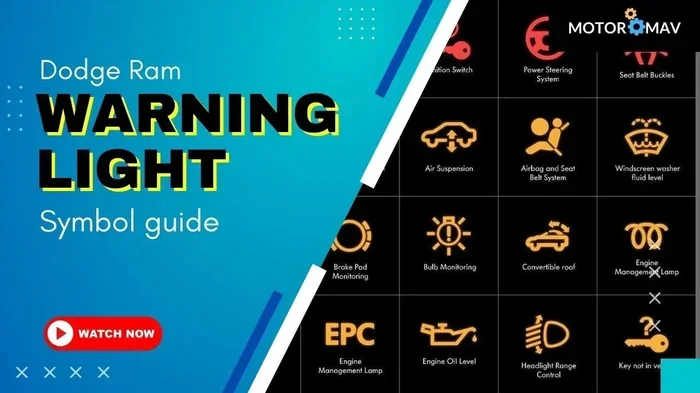
Do not ignore the brake light on your dashboard. It could signal low brake fluid, an ABS issue, or a problem with the parking brake. When this light comes on, get your brake f150 inspected as soon as possible.
How to Upgrade Your Brake F150 for Better Performance
If you want better stopping power from your F-150, upgrades are always an option. Whether you tow heavy loads, haul gear, or simply want more confidence behind the wheel, upgrading your brakes makes a noticeable difference.
Performance Brake Pads
Swapping out your stock brake pads for performance pads is one of the easiest and most affordable upgrades. Ceramic pads offer quieter operation and less dust. Semi-metallic pads provide better stopping power and heat resistance. Choose the type that fits your driving style and needs.
Drilled or Slotted Rotors
Drilled rotors have holes that help dissipate heat and gas buildup. Slotted rotors have grooves that channel away debris and dust. Both designs improve braking performance, especially under heavy use. For towing or hauling, slotted rotors tend to be more durable and practical.
Big Brake Kits
For serious performance gains, a big brake kit replaces your stock calipers and rotors with larger, more powerful units. These kits are popular among truck enthusiasts who want maximum stopping force. They do add weight and cost more, but the improvement in stopping power is significant.
Brake Line Upgrades
Upgrading your brake lines from rubber to stainless steel braided lines reduces flex and improves pedal feel. Stock rubber lines can expand under pressure, which softens your pedal response. Braided lines keep the pressure consistent, giving you more precise control over your braking.
Brake Fluid Flush and Upgrade
Fresh brake fluid is often overlooked but plays a critical role. Over time, brake fluid absorbs moisture, which lowers its boiling point. This means your brakes can fade during hard use. A brake fluid flush and upgrade to a high-performance fluid like DOT 4 or DOT 5.1 can improve your brake f150 feel and reliability.
Brake Maintenance Tips for Long-Lasting Stopping Power
Good maintenance habits keep your brake f150 working reliably for years. You do not need to be a mechanic to follow these simple tips. Most of them take just a few minutes and can be done at home or at any quick-lube shop.
Check Your Brake Fluid Regularly
Open the hood and locate your brake fluid reservoir. The fluid should be between the minimum and maximum marks and should look clear or light amber. Dark or dirty fluid means it is time for a flush. Check the level at least once a month, especially before long trips.
Inspect Brake Pads and Rotors
Get into the habit of visually checking your brake pads through the wheel spokes. Most pads have a wear indicator slot in the middle. When that slot disappears, it is time for new pads. For rotors, look for deep grooves, scoring, or bluish discoloration from heat. These signs mean your rotors are wearing out.
Do Not Ride Your Brakes
One of the biggest enemies of your brake f150 is riding the brakes. Keeping your foot lightly on the pedal while driving creates constant friction and heat. Over time, this wears pads and rotors prematurely and can cause brake fade. Keep your foot off the pedal when you are not actively slowing down.
Flush Brake Fluid on Schedule
Ford recommends flushing and replacing brake fluid every two years. Fresh fluid ensures your hydraulic system works at peak efficiency. This is a cheap maintenance item that prevents big problems down the road. Ask your mechanic to include it in your regular service schedule.
Break in New Brake Pads Properly
When you install new pads, do not hammer on the brakes right away. Instead, perform a few moderate stops from around 40 miles per hour, then let the brakes cool. This bedding-in process transfers a thin layer of pad material onto the rotor surface, which maximizes grip and reduces noise. Proper bedding extends the life of both your pads and rotors.
Keep Your Wheels Clean
Dirt, mud, and road grime can accelerate brake wear. Cleaning your wheels regularly removes corrosive materials that eat away at pads and rotors. This is especially important if you drive in areas with road salt or muddy conditions.
Common Brake F150 Problems and How to Fix Them
Even with good maintenance, brake problems can still happen. The Ford F-150 is a popular truck, and certain brake issues come up again and again across model years. Here are the most common problems and how to address them.
Brake Pad Wear on One Side
If your front or rear pads wear unevenly, a stuck caliper is usually the culprit. A caliper that does not slide freely applies pressure unevenly, causing one pad to wear faster than the other. Fixing this involves replacing the caliper slides or pins and often replacing the caliper itself.
Brake Fluid Leaks
Brake fluid leaks can happen at the calipers, wheel cylinders, or brake lines. Look for wet spots near your wheels or a spongy pedal. Fluid leaks are serious because they reduce braking pressure. If you suspect a leak, do not drive the truck until it is repaired.
ABS Module Failures
Some F-150 model years have experienced ABS module issues. Symptoms include an illuminated ABS light, erratic braking behavior, or intermittent traction control warnings. Replacing or rebuilding the ABS module usually resolves these problems. It is worth having a qualified technician diagnose the exact cause.
Brake Rotor Warping
Warped rotors cause vibration and uneven braking. This often happens after towing or driving in hilly terrain where brakes get extremely hot. Resurfacing rotors can fix minor warping, but severely warped or thin rotors need to be replaced entirely.
Parking Brake Issues
The parking brake on an F-150 can develop slack over time, or the cables can rust and seize. If your parking brake does not hold the truck on an incline, have the cables adjusted or replaced. A failing parking brake also affects your vehicle inspection in many states.
Brake Dust Buildup
Excessive brake dust on your wheels is not just a cosmetic issue. It can indicate that your pads are wearing aggressively or that the pad compound is low quality. Switching to ceramic pads often reduces dust significantly while still providing excellent stopping power.
Understanding these common problems helps you stay ahead of issues before they become safety hazards. Regular inspection and timely repairs keep your brake f150 system in excellent shape.
Expert Insights: Getting the Most from Your Brake F150
We spoke with several Ford mechanics and brake specialists to gather their top tips for F-150 owners. Here is what the experts want you to know.
Do not skip brake inspections after towing. Heavy loads put enormous stress on your braking system. After a long haul, inspect your pads, rotors, and fluid. Many truck owners find that their brakes need attention sooner after towing than during normal driving.
Invest in quality parts. Cheap brake pads might save a few dollars upfront, but they often wear faster and perform inconsistently. Trusted brands like Bosch, Wagner, and Akebono offer reliable options for the brake f150 platform.
Do not ignore small symptoms. A slight squeal or a minor vibration today can become a major repair tomorrow. Catching small issues early keeps your repair costs low and your truck safe.
Consider your driving environment. If you live in a mountainous area or frequently drive in stop-and-go traffic, your brakes work harder. These conditions call for more frequent inspections and possibly upgraded components.
Key Takeaways
- Brake F150 systems combine pads, rotors, calipers, fluid, and lines: every component plays a role in safe stopping.
- Regular maintenance prevents costly repairs: checking fluid, inspecting pads, and flushing fluid on schedule keeps everything working.
- Upgrades like performance pads and drilled rotors improve stopping power: especially valuable for towing and hauling.
- Warning signs like squealing, pulling, and soft pedals should never be ignored: they indicate real problems that need immediate attention.
- Driving habits affect brake life: smooth braking extends component life, while riding the brakes causes premature wear.
- Common F-150 brake issues are well-documented: knowing them helps you catch problems early and fix them correctly.
Conclusion
Your brake f150 is the system that keeps you and everyone on the road safe. Taking care of it is not optional; it is essential. From understanding how the system works to recognizing warning signs, performing regular maintenance, and knowing when to upgrade, every bit of knowledge helps you get more life and better performance from your brakes.
Follow the maintenance tips in this guide, pay attention to what your truck is telling you, and do not hesitate to invest in quality parts and repairs. A well-maintained brake system gives you confidence every time you step on the pedal. Your Ford F-150 is a powerful machine, and strong brakes are what make that power usable and safe.
Start today. Check your brake fluid, inspect your pads, and make a plan for your next brake service. Your future self and everyone on the road will thank you.
Frequently Asked Questions
How often should I replace the brake pads on my brake f150?
Brake pad replacement intervals vary based on driving habits and conditions. Most F-150 owners replace front pads every 30,000 to 50,000 miles and rear pads every 40,000 to 60,000 miles. If you tow frequently or drive in stop-and-go traffic, expect to replace them sooner. Listen for squealing sounds and check pad thickness regularly.
Can I upgrade the brakes on my brake f150 for better towing performance?
Absolutely. Upgrading to larger rotors, performance pads, and stainless steel brake lines significantly improves stopping power when towing. Many F-150 owners also upgrade their brake fluid to a high-temperature formula. These changes reduce brake fade and give you more confidence when hauling heavy loads.
What is the cost of replacing brakes on a brake f150?
The cost depends on which components need replacement and where you live. A full brake pad replacement typically costs between 150 and 300 dollars per axle. Rotor replacement adds another 200 to 400 dollars per axle. Caliper replacement can run 300 to 600 dollars each. Always get a detailed quote before authorizing repairs.
Why does my brake f150 vibrate when I brake?
Vibration during braking usually means your rotors are warped. Warping happens from excessive heat, such as towing downhill or riding the brakes. You can either resurface the rotors if they are thick enough or replace them if they are too thin. Have a mechanic measure the rotor thickness to determine the best option.
Is it safe to drive with the ABS light on in my brake f150?
You can still drive safely with the ABS light on because your regular brakes will continue to work. However, you lose the anti-lock protection that prevents wheel lockup during emergency stops. Have the ABS system diagnosed and repaired as soon as possible. The issue could be a sensor, a module, or low fluid level.
How do I know if my brake f150 fluid needs changing?
Brake fluid should be clear or light amber in color. If it looks dark brown or black, it has absorbed moisture and needs to be replaced. Ford recommends a fluid flush every two years regardless of appearance. You can also test the fluid with a moisture test strip available at most auto parts stores.