Can I Use Car Battery to Run Appliances Instead of Plugging
Yes, you can use a car battery to run appliances instead of relying on a cigarette charger. A power inverter converts your car’s DC power into AC electricity, letting you run household devices on the go. This guide covers everything you need to know about using a car battery to run appliances safely and efficiently.
Have you ever been parked in a beautiful spot, away from any power outlet, and wished you could run your coffee maker, blender, or even a small fridge? Maybe you are camping, road tripping, or dealing with a power outage at home. The idea of using a car battery to run appliances instead of plugging into a cigarette charger is tempting. It sounds simple enough, right? Just connect something, and boom, you have power.
The truth is, it is not quite that straightforward. But it is absolutely doable. Many people already do this every day. The key is knowing what equipment you need, how much power your appliances actually pull, and how to do it safely. In this article, we will walk you through everything you need to know about using your car battery to run appliances the right way.
Key Takeaways
- Direct battery power beats the cigarette charger: It gives you more wattage and flexibility for running bigger appliances.
- You need a power inverter to make it work: This device converts DC power from your battery into usable AC power.
- Not all appliances are safe to run: Some devices draw too much power and can drain your battery fast or damage the inverter.
- Battery drain is a real concern: Running appliances without the engine running can kill your car battery quickly.
- Safety first always matters: Proper wiring, fuse protection, and ventilation are non-negotiable when using a car battery to run appliances.
- Alternative options exist: Portable power stations and solar chargers offer great off-grid solutions.
📑 Table of Contents
How a Car Battery Powers Appliances
Your car battery stores energy in direct current, or DC power. Most household appliances run on alternating current, or AC power. These are two very different types of electricity. You cannot just plug a regular appliance into a car battery and expect it to work. That is where a power inverter comes in.
What Is a Power Inverter?
A power inverter for car is a device that converts DC power from your battery into AC power. Think of it as a translator between your car and your appliances. You connect the inverter to your battery, plug your device into the inverter, and the appliance runs just like it would at home.
Inverters come in different sizes. Small ones handle 100 to 300 watts. Medium ones handle 500 to 1,000 watts. Large ones can handle 2,000 watts or more. The size you need depends entirely on what appliances you want to run.
How DC Power Works in Vehicles
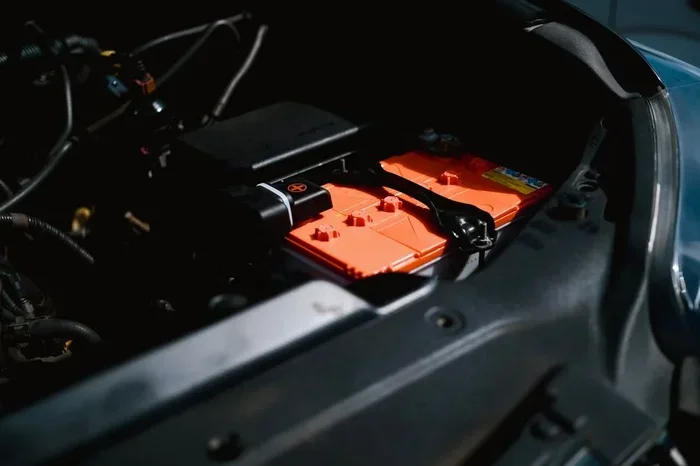
A standard car battery is 12 volts. When your engine is running, the alternator keeps the battery charged and can even supply extra power. This means you can use your car battery to run appliances for a long time if the engine is on. But if the engine is off, you are working with a fixed amount of stored energy. Once it is gone, it is gone until you drive again.
The wattage capacity of your battery matters a lot here. A typical car battery holds about 40 to 60 amp hours. That translates to roughly 480 to 720 watts per hour. Small appliances like a phone charger or a laptop work great on this. But something like a microwave oven will drain the battery very fast.
What You Need to Run Appliances from Your Car Battery
Setting up your car battery to power appliances is easier than most people think. You do not need to be a mechanic or an electrician. But you do need the right equipment and a basic understanding of how things work together.
Essential Equipment List
Here is what you will need to get started:
- A power inverter: This is the most important piece. Choose one that matches the wattage of the appliances you want to run.
- Proper cables and wiring: Thick, short cables reduce power loss and heat. Cheap thin cables can overheat and cause a fire.
- A fuse or fuse box: This protects your battery and your wiring from short circuits and overloads.
- Battery monitor or voltmeter: This helps you track how much charge your battery has left so you do not get stranded.
- A cigarette lighter adapter (optional): For smaller devices, this still works. But for bigger appliances, you need a direct battery connection.
Why the Cigarette Charger Falls Short
The cigarette lighter outlet in your car is designed for small devices. Phone chargers, dash cams, and portable air compressors work fine on it. But it is usually limited to 10 to 15 amps, which is about 120 to 180 watts. That is not enough for most appliances.
When you use a cigarette charger in car for something bigger, you risk blowing a fuse. You may also notice the device does not work properly because it is not getting enough power. This is one of the main reasons people look into using a car battery directly instead.
Direct Battery Connection vs. Cigarette Charger
| Feature | Cigarette Charger | Direct Battery Connection |
|---|---|---|
| Max Power Output | 120-180 watts | 1,000-3,000+ watts |
| Appliance Size Supported | Small devices only | Medium to large appliances |
| Setup Complexity | Plug and play | Requires wiring and inverter |
| Risk of Battery Drain | Low | Moderate to high |
| Safety Features | Built-in fuse | Requires external fuse |
| Cost | Low ($10-$30) | Medium ($50-$200+) |
As you can see from the table, a direct battery connection gives you much more power. But it also comes with more responsibility. You need to know what you are doing to stay safe.
Which Appliances Can You Safely Run?
Not all appliances are created equal when it comes to power draw. Some sip electricity, while others gulp it. Understanding the difference helps you choose wisely and avoid draining your battery in minutes.
Low-Power Appliances (Under 100 Watts)
These work great on a car battery, even with the engine off. You can run them for hours without worry:
- Phone and tablet chargers
- Laptop computers
- LED lights and small lamps
- Small fans
- Portable speakers
- USB-powered devices
These devices are perfect for camping trips or road trips. They draw so little power that a car battery can keep them running all day long.
Medium-Power Appliances (100-500 Watts)
These need the engine running or a larger battery setup. Examples include:
- Small microwaves (portable ones)
- Coffee makers (single-serve)
- Blenders and smoothie makers
- Mini refrigerators
- Laptop chargers (some high-wattage ones)
- Small power tools
Running fridge in car setups are very popular among campers. A small 12V fridge draws about 30 to 50 watts on average. With the engine running, this is very manageable. But if you try to run it with the engine off, you will drain a standard battery in a few hours.
High-Power Appliances (500+ Watts)
These are the tricky ones. You generally need a large inverter, a deep cycle battery, and the engine running. Examples include:
- Microwave ovens (standard size)
- Toasters and toaster ovens
- Electric kettles
- Hair dryers
- Space heaters
- Large power tools
These appliances pull so much power that they can overwhelm a standard car battery quickly. The inverter may also overheat if it is not rated for the load. Always check the wattage of your appliance before trying to run it from a car battery.
Quick Tips
- Check the wattage label on your appliance before plugging it in.
- Start with low-power devices and work your way up.
- Keep a battery monitor handy so you always know your charge level.
- If the inverter gets hot, turn off the appliance and let it cool down.
Common Mistakes to Avoid
Using a car battery to run appliances is straightforward, but there are some common pitfalls that trip people up. Avoiding these mistakes keeps you safe and saves your battery.
Mistake 1: Ignoring Battery Drain
This is the number one mistake. People hook up an inverter, plug in a few devices, and drive off without thinking about how fast the battery is draining. If the engine is off, a standard car battery can be dead in one to three hours depending on the load.
Always calculate your total power draw before using a car battery to run appliances. Add up the wattage of all your devices. Then compare that to your battery capacity. If you are not sure, start with just one device and see how long it lasts.
Mistake 2: Using Cheap or Undersized Inverters
A cheap inverter might seem like a good deal, but it can be dangerous. Poor-quality inverters can overheat, produce dirty power that damages your appliances, or even catch fire. Always buy an inverter from a reputable brand and make sure it is rated for the total wattage you plan to use.
Mistake 3: Forgetting About Fuse Protection
Without proper fuse protection, a short circuit can damage your car’s electrical system or even start a fire. Always install an inline fuse between the battery and the inverter. This is a small cost that provides big peace of mind.
Mistake 4: Running the Engine in Enclosed Spaces
Never run your car engine in a closed garage or tent to power appliances. Carbon monoxide is a silent killer. Always use your vehicle in a well-ventilated area. This is a safety rule that cannot be overlooked.
Mistake 5: Overloading the Cigarette Lighter Circuit
If you are still trying to use the cigarette lighter for bigger appliances, stop. The fuse will blow, or worse, the wiring can overheat. The cigarette lighter is only meant for small electronics. For anything bigger, go straight to a direct battery connection.
Expert Insight
Automotive electricians recommend using a deep cycle battery instead of a standard starting battery if you plan to run appliances frequently. Deep cycle batteries are designed to be discharged and recharged many times. Standard car batteries are designed to give a quick burst of power to start the engine, not to run devices for hours.
Tips for Maximizing Battery Life
If you want to get the most out of your car battery when running appliances, a few smart practices go a long way. These tips help you stay powered longer and keep your battery healthy.
Keep the Engine Running When Possible
When your engine is running, the alternator charges the battery. This means you can run appliances for as long as you want without draining the battery. Just make sure your alternator can handle the extra load. Most standard alternators produce 40 to 60 amps, which is plenty for most setups.
Use Energy-Efficient Appliances
LED lights use a fraction of the power that incandescent bulbs use. A laptop uses less power than a desktop computer. Choosing energy-efficient devices means your battery lasts longer. This is especially important when you are off the grid and cannot recharge easily.
Turn Off Appliances When Not in Use
It sounds obvious, but many people leave devices plugged in even when they are not actively using them. Some inverters draw a small amount of power even when no device is connected. Turn everything off when you are done to conserve battery life.
Consider a Solar Charger for Car Battery
If you camp or spend a lot of time outdoors, a solar charger is a game changer. You can set up a small solar panel on your roof or near your vehicle. It trickle charges your battery during the day, giving you free power to run appliances overnight. This is one of the best ways to use off-grid power without worrying about battery drain.
Upgrade to a Deep Cycle or Auxiliary Battery
If you find yourself running appliances often, consider installing a second battery. A deep cycle battery or an auxiliary battery lets you run devices without touching your starting battery. This means your car will always start, even after hours of powering appliances.
Quick Tips for Battery Longevity
- Never let your battery drop below 50% charge if possible.
- Keep your battery terminals clean and corrosion-free.
- Use a battery maintainer if you store your vehicle for long periods.
- Check your battery water levels regularly if you have a traditional lead-acid battery.
Alternative Power Solutions to Consider
Using a car battery is just one option. There are other ways to power your appliances on the go. Depending on your needs, one of these alternatives might work even better for you.
Portable Power Stations
A portable power station is like a big rechargeable battery with built-in outlets. You charge it at home, then take it with you. Brands like Jackery, EcoFlow, and Bluetti make units that can run anything from phones to small fridges. They are quiet, safe, and do not depend on your car engine.
For many people, a portable power station is a better choice than using a car battery to run appliances. They are purpose-built for this use and come with safety features built in.
Solar Power Systems
Solar panels paired with a battery bank give you completely free power from the sun. You can set up a small solar system for camping or as a backup at home. The initial cost is higher, but the long-term savings are significant.
Generator Options
If you need a lot of power and do not mind the noise, a small gasoline generator works well. It is not as eco-friendly as a car battery or solar setup, but it provides reliable power for heavy-duty appliances.
Final Thoughts
So, can you use a car battery to run appliances instead of plugging into a cigarette charger? The answer is a clear yes. With the right equipment, some basic knowledge, and a focus on safety, you can power a wide range of devices from your vehicle. Whether you are camping in the woods, stuck during a blackout, or just want more flexibility on the road, this setup gives you real freedom.
Start small with low-power devices. Get comfortable with how your battery and inverter work together. Then gradually add more as you gain confidence. Always prioritize safety, keep an eye on your battery levels, and never overload your system. With these practices, using a car battery to run appliances becomes a reliable and convenient part of your lifestyle.
The key is preparation. Know your power needs, choose the right equipment, and respect the limits of your battery. Do this, and you will never be stuck without power again.
Frequently Asked Questions
Can I run a TV off my car battery?
Yes, a standard TV uses about 30 to 100 watts, which is well within the capacity of a car battery and a small inverter. You can run a TV for several hours with the engine off. Just make sure your inverter is rated for at least 150 watts to handle the startup surge.
How long can a car battery run an appliance?
It depends on the appliance wattage and your battery capacity. A small device like a phone charger can run for days. A medium device like a mini fridge might last 4 to 8 hours with the engine off. Always use a battery monitor to track your charge level and avoid fully draining the battery.
Is it safe to leave a power inverter connected to my car battery?
It is generally safe for short periods, but you should turn off the inverter when you are not using it. Some inverters draw a small amount of standby power, which can slowly drain your battery over time. For extended periods, disconnect the inverter when it is not in use.
What size power inverter do I need to run a microwave?
A standard microwave uses 600 to 1,200 watts. You would need an inverter rated for at least 1,500 watts to handle the startup surge safely. It is always better to choose an inverter with a higher rating than you think you need to avoid overloading the system.
Can I use a car battery to run appliances while driving?
Yes, running appliances while driving is the safest and most efficient way to use a car battery. The alternator keeps the battery charged and supplies extra power. Just make sure your total power draw does not exceed your alternator’s capacity, which is usually around 40 to 60 amps.
What is the difference between a car battery and a deep cycle battery for running appliances?
A standard car battery is designed to deliver a quick burst of power to start the engine. A deep cycle battery is designed to be discharged slowly and recharged many times. For running appliances regularly, a deep cycle battery is much better because it can handle repeated draining without damage.
=== CONCLUSION ===
Using a car battery to run appliances instead of relying on a cigarette charger opens up a world of possibilities. Whether you are camping, traveling, or preparing for emergencies, this knowledge gives you real independence from wall outlets. The key is starting with the right equipment, understanding your power needs, and always putting safety first.
Remember, a power inverter is your best friend in this setup. Choose the right size, protect your wiring with fuses, and keep an eye on your battery levels. Avoid common mistakes like overloading circuits or ignoring battery drain. With a little practice, you will be running appliances from your car battery with confidence and ease.