Can No Oil Change Cause Your Car Engine Overheating
No oil change cause overheating is a real and serious problem that many car owners overlook. When you skip or delay an oil change, old oil loses its ability to lubricate and cool your engine properly. This leads to increased friction, excess heat buildup, and potential engine failure. Regular oil changes are one of the simplest and most affordable ways to keep your car running safely and prevent costly damage.
Every car owner knows that oil changes are part of routine maintenance. But many people wonder whether skipping one or two can actually lead to serious engine problems. The short answer is yes. No oil change cause overheating is something that happens more often than you might think. When you neglect this simple service, your engine loses its primary line of defense against heat and friction.
Oil does much more than just lubricate moving parts. It also helps regulate temperature, keeps contaminants out, and prevents premature wear. Over time, oil breaks down and becomes less effective. The result can be an engine that runs too hot, struggles to perform, and eventually fails. Understanding this connection can save you from expensive repairs and unexpected breakdowns on the road.
Key Takeaways
- Skipping oil changes directly contributes to engine overheating: Old oil breaks down and can no longer cool or lubricate your engine effectively.
- Engine damage from overheating can be extremely costly: Repair bills can reach thousands of dollars if warning signs are ignored.
- Watch for warning signs like smoke, strange noises, and high temperature gauges: These indicate your engine needs immediate attention.
- Stick to your manufacturer’s recommended oil change interval: This is the best way to prevent overheating and extend engine life.
- Oil quality matters as much as oil quantity: Degraded oil with poor viscosity fails to protect your engine from heat and friction.
- Preventive maintenance saves you money in the long run: Regular oil changes cost far less than engine repairs or full replacement.
📑 Table of Contents
What Happens When You Skip an Oil Change?
Your engine has hundreds of moving parts that spin, slide, and grind against each other every second you drive. Engine oil creates a thin protective layer between these parts. This layer reduces friction and keeps everything running smoothly. Without fresh oil, those metal surfaces rub against each other directly, causing heat and wear.
The Role of Oil in Your Engine
Engine oil serves several critical functions that keep your car running safely. First, it lubricates all the internal components. This includes the crankshaft, camshaft, pistons, and valve train. Second, oil helps absorb and carry away heat. As oil circulates through the engine, it picks up warmth from hot spots and moves it away from sensitive parts. Third, oil cleans the engine interior. It traps dirt, metal particles, and combustion byproducts, carrying them to the oil filter where they get trapped.
When you skip an oil change, all of these functions start to decline. The oil becomes contaminated with debris and combustion residues. Its viscosity changes over time. It can no longer perform at the level your engine needs. This sets the stage for overheating and serious engine damage over time.
How Old Oil Affects Engine Temperature
As oil ages, it loses its ability to absorb heat efficiently. The thermal properties of degraded oil are much lower than those of fresh oil. This means heat builds up in areas that normally rely on steady oil flow to stay cool. Friction between parts increases too. More friction means more heat. It becomes a vicious cycle that accelerates engine wear and raises your engine temperature dangerously.
Old oil also becomes thinner or thicker depending on its condition. Either change in oil viscosity reduces its ability to form a proper protective film between engine parts. The result is metal-on-metal contact, which generates even more heat and can quickly lead to overheating.
Can No Oil Change Cause Overheating?
The direct answer is yes. No oil change cause overheating through several clear mechanisms. Let us break down exactly how this happens so you understand the full picture and can protect your vehicle.
The Science Behind Oil and Heat
Your engine operates at very high temperatures. Normal running temperature can reach 195 to 220 degrees Fahrenheit. The cooling system handles most of the heat, but oil plays a vital supporting role. Oil cools areas that the coolant cannot reach, such as the underside of pistons and the valve train. These areas depend entirely on oil flow for cooling.
When oil degrades from age and use, it can no longer absorb and transfer heat effectively. Hot spots develop inside the engine. These hot spots can cause warping, swelling, and even cracking of metal components. Over time, the entire engine can overheat, leading to seized pistons, blown head gaskets, or a cracked engine block.
The engine cooling system and the oil system work together as a team. You cannot rely on just one to keep your engine safe. Both need to be in good condition for your car to run at the right temperature. Ignoring either system puts your entire engine at risk.
Warning Signs Your Engine Is Overheating
Your car gives you plenty of warning before overheating becomes catastrophic. Learning to recognize these signs can save you from major damage and expensive repairs. Here are the most common indicators you should never ignore:
- Temperature gauge reading high: If your dashboard temperature gauge climbs into the red zone, pull over safely and turn off the engine immediately.
- Steam or smoke from the hood: This is a clear sign that your engine is overheating. Do not open the hood right away. Wait for the steam to subside to avoid burns.
- Strange smells from the engine area: Burning oil smells, sweet coolant smells, or a general hot-metal odor all point to overheating problems.
- Unusual engine noises: Knocking, ticking, or grinding sounds can indicate that oil is no longer lubricating properly.
- Oil pressure warning light: If this light comes on, your oil level or pressure may be dangerously low.
- Reduced engine performance: A sluggish engine, loss of power, or stalling can all result from overheating caused by old oil.
If you notice any of these signs, stop driving and get your vehicle checked. Continuing to drive an overheating engine can cause irreversible damage that no repair can fully fix.
How Long Can You Go Without an Oil Change?
Every vehicle has a recommended oil change interval. These guidelines vary based on the type of oil used, driving conditions, and the age of your car. Following the manufacturer’s recommendations is the best way to keep your engine healthy and prevent overheating issues.
Recommended Oil Change Intervals
Most modern cars can go between 5,000 and 7,500 miles between oil changes. Some vehicles with full synthetic oil can push to 10,000 or even 15,000 miles. However, these numbers are for ideal driving conditions. If you drive in harsh conditions, you may need to change your oil more frequently than the standard recommendation.
Older vehicles or those using conventional oil typically need changes every 3,000 to 5,000 miles. The key is to check your owner’s manual and follow the recommended schedule for your specific vehicle model and engine type.
Factors That Change Your Oil Change Needs
Several factors can shorten the time between oil changes. If you do any of the following, consider shortening your oil change interval to protect your engine:
- Driving in extreme heat or cold weather
- Towing heavy loads or trailers
- Frequent stop-and-go city driving
- Driving on dusty or gravel roads
- Short trips where the engine does not fully warm up
These conditions cause oil to break down faster than normal. They also introduce more contaminants into the oil system. As a result, the oil loses its effectiveness sooner and can no longer protect your engine properly.
| Oil Type | Typical Interval | Best For |
|---|---|---|
| Conventional Oil | 3,000 – 5,000 miles | Older vehicles, standard driving |
| Synthetic Blend | 5,000 – 7,500 miles | Moderate driving conditions |
| Full Synthetic Oil | 7,500 – 15,000 miles | Modern engines, extreme conditions |
Keep in mind that these are general guidelines. Always check your vehicle’s owner manual for the specific recommendation for your car.
The Damage a Skipped Oil Change Can Do
When you skip an oil change, the consequences go far beyond just overheating. Old oil causes a chain reaction of problems that can seriously damage your engine over time. Let us look at the specific types of damage that can occur when you neglect this basic maintenance task.
Engine Oil Breakdown
Over time, engine oil undergoes thermal breakdown. This is a process where the oil’s chemical structure degrades due to constant exposure to high temperatures. The oil loses its lubricating properties and its ability to flow properly through the engine. It also loses its capacity to neutralize acids that form during the combustion process.
As the oil breaks down, it forms harmful byproducts. These include varnish, sludge, and acidic compounds. All of these can clog oil passages, coat internal surfaces, and accelerate wear on engine components. The result is an engine that runs hotter and less efficiently with each passing mile.
Oil Sludge and Engine Blockage
Oil sludge is one of the most dangerous byproducts of skipped oil changes. Sludge is a thick, dark substance that forms when old oil oxidizes and mixes with contaminants. It can clog oil passages and prevent oil from reaching critical engine parts that need lubrication the most.
When oil cannot flow freely through the system, parts that depend on it for cooling and lubrication start to overheat. The oil pump has to work harder to push sludge through narrow passages. This can lead to oil pump failure, which causes a complete loss of oil pressure. Without oil pressure, your engine can seize within minutes and suffer permanent damage.
Long-Term Engine Damage
The long-term effects of skipping oil changes can be devastating to your car. Here are some of the most serious problems that can develop over time:
- Worn bearings: Without proper lubrication, bearings wear out quickly. This causes knocking sounds and reduces overall engine life significantly.
- Cylinder wall scoring: Metal-on-metal contact can scratch cylinder walls, leading to compression loss and increased oil consumption.
- Head gasket failure: Overheating can cause the head gasket to blow. This is an expensive repair that often requires major engine work.
- Engine seizure: In the worst case, a seized engine means the entire engine needs replacement. This can cost several thousand dollars or more.
All of these serious problems start with something as simple as skipping an oil change. The cost of a routine oil change is tiny compared to the cost of these expensive repairs. Prevention is always cheaper than correction.
Common Mistakes Car Owners Make
Many car owners make mistakes that accelerate engine wear and increase the risk of overheating. Here are the most common errors to avoid:
- Ignoring the oil change reminder light: That light is there for a reason. Dismissing it puts your engine at risk.
- Using the wrong oil grade: Always use the oil weight and type recommended by your manufacturer for best results.
- Forgetting to replace the oil filter: A clogged filter restricts oil flow and reduces cooling efficiency.
- Checking oil only when problems appear: Make oil checks a regular habit, not a reaction to warning signs.
- Assuming synthetic oil never needs changing: Even synthetic oil degrades over time and needs replacement.
Expert Insight
Automotive experts agree that regular oil changes are the single most important thing you can do to extend your engine’s life. According to most experienced mechanics, engines that receive regular oil changes last significantly longer than those that do not. The cost difference between routine maintenance and major engine repair is enormous. A simple oil change costs a fraction of what a new engine costs.
How to Prevent Overheating from Skipped Oil Changes
The good news is that preventing overheating caused by skipped oil changes is straightforward. It all comes down to staying on top of your maintenance schedule and paying attention to what your vehicle is telling you.
Stick to a Regular Oil Change Schedule
The best way to prevent overheating is to never skip an oil change. Set a reminder on your phone or calendar for your next service appointment. Keep track of your mileage and note when you are approaching your oil change interval. If you are not sure when your last oil change was, get it checked and changed if needed right away.
Many modern cars have oil change reminder systems built into the dashboard. Pay attention to these alerts and do not ignore them. They are designed to help you stay on track with your maintenance schedule and protect your engine from overheating.
Monitor Your Oil Levels Regularly
Between oil changes, check your oil level regularly. You can do this with the dipstick under your hood. Make sure the engine is cool before checking. If the oil level is low, top it off with the type of oil recommended by your manufacturer. Low oil levels can cause overheating just as much as old oil can.
If you find that you are losing oil frequently, have a mechanic inspect your vehicle for leaks or burning issues. Catching oil loss early can prevent overheating and keep your engine running smoothly for years to come.
Watch for Early Warning Signs
Stay alert to the warning signs we discussed earlier. If you notice any changes in your engine’s performance, temperature, or sounds, get it checked right away. Early detection of problems can prevent major damage and save you a lot of money in the long run.
Quick Tips to Avoid Overheating
- Check your oil level every two weeks
- Keep a record of your oil change dates and mileage
- Use the oil grade recommended by your car manufacturer
- Replace your oil filter with every oil change
- Do not ignore dashboard warning lights
- Have your cooling system inspected annually
- Address any oil leaks immediately
When to See a Mechanic
Sometimes, even with the best maintenance habits, engine problems can still occur. Knowing when to seek professional help is just as important as staying on top of oil changes and other routine tasks.
Signs You Need Immediate Help
Certain symptoms should prompt you to visit a mechanic right away. If your temperature gauge is consistently in the red zone, do not wait. If you see steam or smoke coming from under the hood, pull over safely and call for assistance. Unusual knocking or grinding sounds from the engine are also red flags that should never be ignored.
Also, if your oil pressure warning light stays on, turn off the engine immediately. Driving with low oil pressure can destroy your engine in a very short time. The sooner you get professional help, the better your chances of avoiding catastrophic engine damage.
What to Expect at the Repair Shop
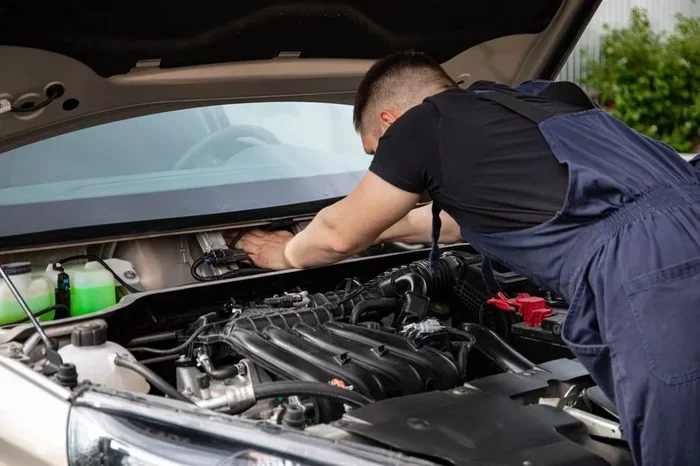
When you take your car in for overheating issues, the mechanic will typically start by checking your oil level and condition. They may also inspect the cooling system, including the radiator, water pump, and thermostat. In cases of severe overheating, they may need to perform a compression test or inspect internal engine components for damage.
The cost of repairs will depend on the extent of the damage. Minor issues like a thermostat failure are relatively affordable to fix. But if overheating has caused internal engine damage, the repair bill can be substantial. This is exactly why preventive maintenance, including regular oil changes, is so important for your wallet and your peace of mind.
Conclusion
No oil change cause overheating is not just a possibility. It is a real risk that every car owner should take seriously. Old oil breaks down over time, loses its ability to cool and lubricate, and sets the stage for engine failure. The connection between skipped oil changes and engine overheating is clear and well-documented by automotive experts.
Staying on top of your oil change schedule is one of the easiest and most affordable ways to protect your engine. It prevents overheating, reduces wear and tear, and extends the life of your vehicle. Do not wait until you see warning signs on your dashboard. Take action now and keep your engine running cool and healthy for miles to come.
Remember, your car depends on you to take care of it. A simple oil change today can save you from a massive repair bill tomorrow. Stay proactive, stay informed, and your engine will thank you for years of reliable service.
Frequently Asked Questions
Can a dirty oil filter cause overheating?
Yes, a clogged oil filter can restrict oil flow and cause overheating. When the filter is full of debris, oil cannot circulate properly through the engine. This means less lubrication and less cooling for your engine parts. Always replace your oil filter with every oil change to keep your engine running smoothly.
How long can you drive with old oil before the engine overheats?
There is no set timeframe because it depends on driving conditions, oil type, and engine design. However, most engines start to show signs of overheating after the oil has degraded significantly. Do not push past your recommended oil change interval to avoid the risk of engine damage.
What type of oil is best for preventing engine overheating?
Full synthetic oil generally provides the best protection against overheating. It maintains its viscosity better at high temperatures and lasts longer than conventional oil. Check your owner’s manual to find the right oil grade for your specific vehicle and driving conditions.
Does low oil cause overheating even if the oil is clean?
Absolutely. Low oil levels mean there is not enough oil to lubricate and cool your engine properly. Even clean oil cannot do its job if there is not enough of it. Check your oil level regularly and top it off as needed to prevent overheating.
Can overheating from old oil be reversed?
It depends on the severity of the damage. If caught early, an oil change and cooling system service can prevent further issues from getting worse. However, if the engine has already suffered internal damage from prolonged overheating, the damage may be permanent and require major repairs or even full engine replacement.
How often should you check your oil level between changes?
Most experts recommend checking your oil level every two weeks or before long trips. This simple habit helps you catch low oil levels early and prevents overheating before it starts. It takes just a few minutes and can save you from serious engine problems down the road.