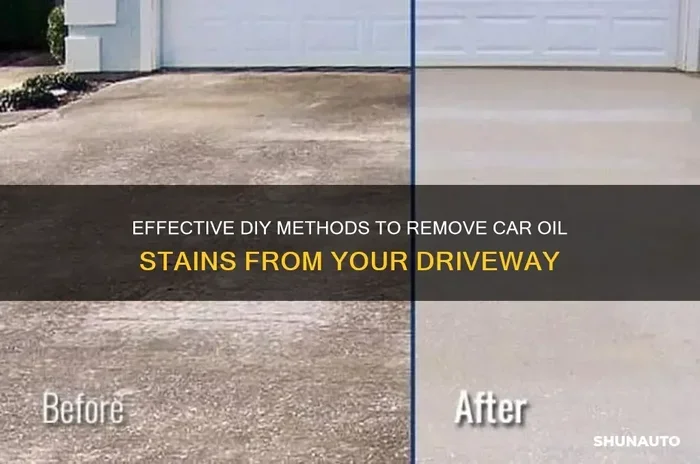
Car Oil Stain Removal Made Easy With These Pro Tips
Car oil stain removal doesn’t have to be a headache. Whether you’re dealing with motor oil stains on your driveway or grease spots in your garage, our pro tips will help you tackle the mess fast. Learn the best grease removal techniques for concrete, fabric, and more.
Key Takeaways
- Act fast: The sooner you address a fresh oil stain, the easier car oil stain removal becomes.
- Know your surface: Concrete, asphalt, fabric, and garage floors all need different cleaning approaches.
- DIY methods work: Baking soda, dish soap, and vinegar are effective and affordable grease dissolvers.
- Commercial products help: Degreaser sprays and enzyme-based cleaners power through tough automotive grease.
- Prevent future stains: Protective mats and regular driveway maintenance keep oil spills from setting in.
- Clothes need special care: Stain pre-treatment and laundry detergent pre-soak are essential for fabric oil removal.
- Patience pays off: Set-in stains may require multiple treatments for complete oil spill cleanup.
📑 Table of Contents
- Why Car Oil Stain Removal Should Be Your Top Priority
- Understanding Oil Stains and Why They’re So Tough
- How to Assess the Oil Stain Before You Start
- DIY Car Oil Stain Removal Methods That Actually Work
- Commercial Products for Tough Oil Stain Removal
- Car Oil Stain Removal for Clothes and Fabric
- Preventing Future Oil Stains
- Common Mistakes to Avoid During Oil Stain Removal
- Expert Insights for Better Results
- Conclusion
Why Car Oil Stain Removal Should Be Your Top Priority
Oil stains are one of the most common headaches for car owners. Whether it’s a drip from your engine bay or a spill in the garage, car oil stain removal should be on your to-do list right away. These stains don’t just look bad. Over time, they can cause real damage to your driveway, garage floor, and even your clothes.
Here’s the good news. You don’t need expensive professional services to handle this problem. With the right tools and techniques, you can manage motor oil stains on your own. Let’s walk through everything you need to know about oil stain removal for every surface in and around your car.
Understanding Oil Stains and Why They’re So Tough
The Hidden Damage Oil Can Cause
Oil might seem harmless at first. But left untreated, it seeps deep into porous surfaces. Concrete oil stains can weaken the material over time. On asphalt, oil breaks down the binding agents that hold the surface together. This leads to cracks and costly repairs.
Oil also attracts dirt and debris. A greasy driveway looks darker and dingier than it should. Driveway stain cleaning becomes much harder the longer you wait. That’s why quick action is so important.
Common Areas Where Oil Stains Appear
You’ll typically find oil stains in these spots:
- Driveways and walkways where cars park or idle
- Garage floors from leaks and drips
- Asphalt surfaces in parking areas
- Clothing and fabric from handling greasy parts
- Pavement near oil change stations
Each surface needs a different approach. Concrete cleaning techniques differ greatly from pavement stain removal or fabric cleaning. Let’s break it all down.
How to Assess the Oil Stain Before You Start
Before jumping into cleanup, take a moment to evaluate the situation. Proper assessment saves time and prevents wasted effort.
Fresh vs. Set-In Stains
Fresh oil stains are much easier to handle. The oil hasn’t fully penetrated the surface yet. You can often clean them with simple household items in under an hour.
Set-in stains are a different story. These have been sitting for days or even weeks. The oil has soaked deep into the material. Oil spill cleanup for old stains may require repeated treatments and stronger products. But don’t worry. Even tough stains can be beaten with the right method.
Identifying the Surface Type
Your cleaning approach depends entirely on what you’re cleaning:
- Concrete — porous and absorbent. Needs deep cleaning solutions.
- Asphalt — softer than concrete. Requires gentle but effective products.
- Garage floor — often epoxy-coated. Can handle stronger chemicals.
- Fabric and clothing — needs stain pre-treatment and careful washing.
Knowing your surface helps you choose the right oil removal products and avoid damage.
DIY Car Oil Stain Removal Methods That Actually Work
Let’s get into the methods you can try at home. These concrete cleaning techniques use common household items. They’re budget-friendly and surprisingly effective.
Baking Soda Paste
Baking soda is a powerhouse for grease removal. Here’s how to use it:
- Sprinkle a generous layer of baking soda directly on the stain.
- Add a small amount of water to form a thick paste.
- Let it sit for 30 minutes to one hour. The baking soda absorbs the oil.
- Scrub with a stiff brush and rinse with warm water.
- Repeat if needed for stubborn motor oil stains.
You can also make a baking soda paste with a bit of dish soap added. This boosts the cleaning power for driveway stain cleaning.
Dish Soap and Warm Water Solution
This is one of the simplest surface cleaning methods. Dish soap is designed to cut through grease. That makes it perfect for car oil stain removal.
- Mix a few drops of dish soap with hot water.
- Pour the solution directly onto the stain.
- Let it soak for 15 to 20 minutes.
- Scrub with a brush and rinse thoroughly.
- For tougher stains, use a soapy water solution with a higher soap concentration.
This method works great on garage floors and lighter stains. It’s gentle enough for regular use.
Vinegar and Baking Soda Combo
Vinegar and baking soda together create a fizzing reaction that lifts oil from surfaces. Here’s the process:
- Pour white vinegar over the stain. Let it sit for 10 minutes.
- Sprinkle baking soda on top. You’ll see it fizz.
- Let the mixture work for another 30 minutes.
- Scrub and rinse with clean water.
This combo acts as a natural grease dissolver. It’s safe for most surfaces and eco-friendly too.
Absorbent Materials for Fresh Spills
For fresh oil spills, absorbent materials can save the day. Cat litter, cornmeal, and sand all work well. Simply cover the stain and let the material soak up the oil.
- Spread the absorbent generously over the stain.
- Leave it for several hours or overnight.
- Sweep it up and repeat if necessary.
This is a great first step before applying any cleaning solution. It reduces the amount of oil left behind and makes oil spill cleanup much easier.
Commercial Products for Tough Oil Stain Removal
Sometimes DIY methods aren’t enough. That’s when commercial oil removal products come in handy. Don’t feel bad about reaching for them. They’re built for heavy-duty jobs.
Degreaser Sprays
Degreaser spray products are formulated to break down automotive grease quickly. They work well on garage floors and concrete driveways.
- Choose a spray designed for concrete or industrial use.
- Apply it directly to the stain.
- Let it dwell for the time listed on the label.
- Scrub with a brush and rinse with water.
Look for products that are safe for your specific surface. Some are too harsh for asphalt. Always check the label before use.
Oil Absorbent Powders
These commercial powders work similarly to cat litter but with stronger absorption. They’re especially useful for large spills. You spread them over the stain, wait, and sweep them up. Many brands offer oil absorbent powders designed specifically for automotive use.
Enzyme-Based Cleaners
Enzyme cleaners are an excellent choice for set-in stains. They use natural bacteria to break down oil at a molecular level. Here’s why they stand out:
- They’re non-toxic and safe for plants and pets.
- They work slowly but very effectively.
- They’re great for concrete oil stains that won’t budge with soap.
- Apply, let sit overnight, and scrub in the morning.
These cleaners take patience but deliver impressive results for driveway maintenance and long-term stain prevention.
Car Oil Stain Removal for Clothes and Fabric
Getting oil on your clothes while working on your car is practically inevitable. The good news is that car oil stain removal on fabric is very doable with the right steps.
Stain Pre-Treatment Steps
Don’t toss oil-stained clothes directly into the washing machine. Pre-treatment is essential:
- Blot the stain with a paper towel. Remove as much oil as possible first.
- Apply a small amount of dish soap directly to the stain.
- Gently rub the fabric together to work the soap in.
- Let it sit for 15 minutes. This acts as a stain pre-treatment.
- For tough stains, use a laundry detergent pre-soak solution.
Washing Tips
After pre-treating, wash the clothing on the hottest setting the fabric allows. Hot water helps dissolve remaining oil. Use a generous amount of laundry detergent.
Check the stain before drying. If any oil remains, repeat the pre-treatment. Never put oil-stained clothes in the dryer. Heat sets the stain and makes it nearly impossible to remove later. A laundry detergent pre-soak combined with a hot wash handles most oil removal needs from fabric.
Preventing Future Oil Stains
Prevention is always better than cleanup. A little effort now saves you from tough car oil stain removal later. Here’s how to protect your surfaces.
Protective Measures
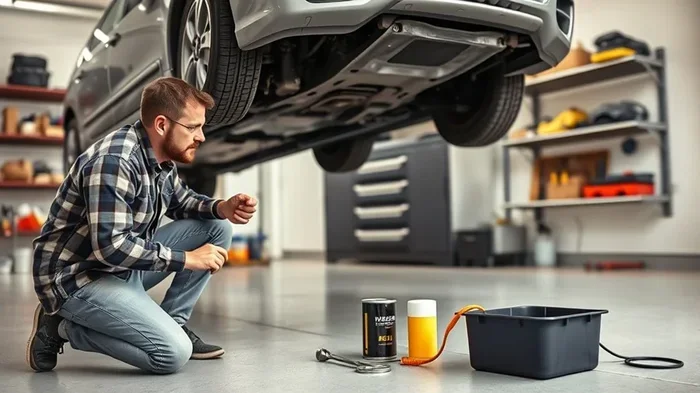
- Use drip pans under your car during oil changes. This catches drips before they hit the ground.
- Place protective mats in your garage floor. Rubber mats or plastic trays shield concrete from spills.
- Seal your driveway every few years. A quality sealant reduces porosity and makes future driveway stain cleaning easier.
- Wear old clothes when working on your car. This keeps your good outfits free from grease.
Regular Maintenance Tips
Keep up with routine cleaning to prevent buildup:
- Sweep your driveway and garage floor regularly. Debris traps moisture and oil.
- Address fresh spills immediately. Quick action prevents deep absorption.
- Schedule professional concrete cleaning techniques services once a year for deep cleaning.
- Reapply driveway sealant as needed to maintain protection.
These habits keep your surfaces looking great and reduce the need for heavy-duty pavement stain removal down the road.
Common Mistakes to Avoid During Oil Stain Removal
Even with the best intentions, people make mistakes that make things worse. Here are common errors to steer clear of:
- Using too much water too soon. Flooding an oil stain pushes the oil deeper into the surface.
- Ignoring the surface type. Using a harsh chemical on asphalt can cause cracking and damage.
- Skipping the test patch. Always test cleaning products on a small hidden area first.
- Rushing the process. Many solutions need time to work. Don’t scrub before the product has had time to absorb.
- Using bleach on oil stains. Bleach doesn’t break down oil. It can actually make the stain worse.
Avoiding these pitfalls makes your oil spill cleanup much smoother and more effective.
Expert Insights for Better Results
Here are a few pro tips that experienced mechanics and cleaning specialists swear by:
- Warm the cleaning solution before applying. Heat helps break down grease faster.
- Use a stiff-bristled brush for concrete. Soft brushes don’t scrub deep enough into porous surfaces.
- Combine methods for best results. Start with absorbents, then follow up with a degreaser spray.
- For motor oil stains on concrete, try a two-step approach. Apply baking soda paste first. Follow up with an enzyme cleaner for complete surface cleaning.
These small tweaks can be the difference between a partially cleaned stain and a completely restored surface.
Conclusion
Car oil stain removal is a task every car owner will face eventually. The good news is that with the right approach, it’s entirely manageable. Whether you’re dealing with fresh drips or set-in motor oil stains, there’s a method that works for you. Start with absorbents for fresh spills. Move to baking soda paste or dish soap for moderate stains. Reach for commercial degreasers and enzyme cleaners when the job gets tough.
Remember to protect your surfaces from future damage. Use drip pans, protective mats, and regular cleaning routines. Your driveway and garage floor will thank you. Now you have all the tools and knowledge you need. Go ahead and give those stubborn stains the boot.
Frequently Asked Questions
What is the fastest way to remove car oil stains from concrete?
The fastest method is to sprinkle baking soda generously over the fresh stain, add a small amount of water to form a paste, and let it sit for 30 minutes. Scrub with a stiff brush and rinse. For tougher concrete oil stains, follow up with a degreaser spray for complete grease removal.
Can you remove motor oil stains from asphalt driveways?
Yes. Use a gentle approach with dish soap and warm water. Avoid harsh chemicals that can damage asphalt. Absorbent materials like cat litter work well for fresh spills on asphalt. For pavement stain removal, enzyme-based cleaners are safe and effective over time.
How do you get oil stains out of garage floors?
Start by sweeping up any debris. Apply a degreaser spray designed for garage floors. Let it dwell per the product instructions, scrub with a stiff brush, and rinse with water. For garage floor cleaning, a baking soda and dish soap paste also works well on lighter stains.
What laundry detergent pre-soak works best for oil-stained clothes?
A mixture of warm water and heavy-duty liquid laundry detergent works great as a laundry detergent pre-soak. Apply it directly to the stain, let it sit for 30 minutes, then wash on the hottest setting safe for the fabric. This stain pre-treatment handles most oil removal from clothing.
Are enzyme-based cleaners safe for all surfaces?
Enzyme cleaners are generally safe for concrete, asphalt, and most sealed surfaces. They’re non-toxic and eco-friendly. However, always test on a small area first. They are especially effective for set-in stains and deep oil spill cleanup on porous materials like concrete and driveway surfaces.
How often should I seal my driveway to prevent oil stains?
Most driveways benefit from resealing every two to three years. A quality sealant reduces porosity, making driveway maintenance easier and concrete cleaning techniques more effective. Sealed surfaces repel oil and simplify surface cleaning if a spill does occur.