Why Is My Car Overheating When Stopped or Going Slow
Your car overheating when stopped or going slow is a common problem that usually points to a cooling system issue. The most frequent culprits include a failing radiator fan, low coolant, a broken thermostat, or a worn water pump. Understanding what triggers this problem helps you take quick action and avoid costly engine damage. This guide walks you through every major cause, what to check yourself, and when to call a mechanic. With the right knowledge, you can stay cool on the road and keep your car running smoothly.
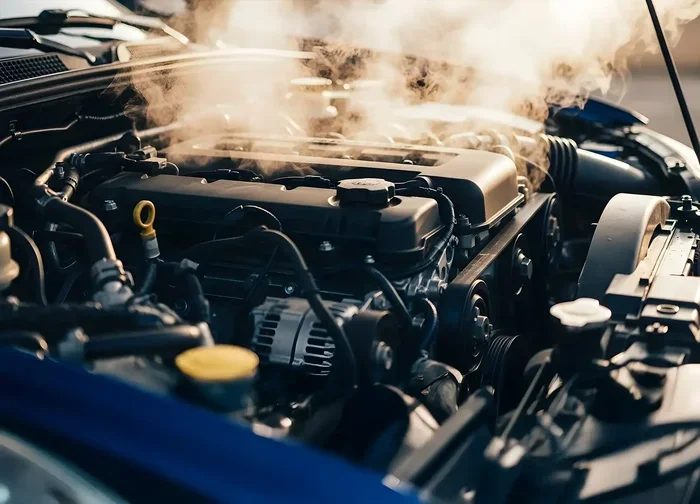
You are sitting at a red light. The traffic is barely moving. Suddenly, you notice the temperature gauge climbing. Steam starts curling from under the hood. Your car overheating when stopped or going slow is one of the most stressful situations any driver can face. It happens to millions of people every year, and it can strike without warning.
The good news is that most causes are fixable. The key is knowing what to look for and acting quickly. This guide breaks down every major reason your engine might be running hot during low-speed driving or idling. You will learn what causes it, how to spot the warning signs, and what you can do about it. Let us dive in.
Key Takeaways
- A broken radiator fan is the #1 reason cars overheat at idle or low speeds. Low coolant levels starve your engine of the fluid it needs to stay cool.
- A stuck thermostat prevents proper coolant flow, causing rapid overheating.
- A failing water pump can lead to complete engine cooling failure.
- Simple DIY checks like inspecting hoses and coolant levels can save you time and money.
- Ignoring overheating signs can lead to severe engine damage and expensive repairs.
- Regular maintenance is the best way to prevent overheating problems before they start.
📑 Table of Contents
Why Does Your Car Overheat at Low Speeds or When Stopped?
Your car relies on a complex cooling system to keep the engine at the right temperature. When you drive at highway speeds, airflow through the radiator does a lot of the heavy lifting. But when you slow down or stop, the system has to work differently. The radiator fan kicks in to pull air through the radiator manually. If any part of this process breaks down, heat builds up fast.
Here is the simple truth. Your engine generates enormous heat. The cooling system handles that heat every time you drive. But at low speeds or when stopped, there is less natural airflow. That means every component in the cooling system has to work harder. If even one part is weak or failing, overheating becomes almost inevitable.
Understanding this basic concept helps you see why the problem is so common. It also helps you understand why certain fixes work better than others. Let us look at the top causes in detail.
The Role of Airflow in Engine Cooling
When you drive fast, air rushes through the front of the car and hits the radiator. This natural airflow carries heat away from the coolant. But at idle or low speed, there is almost no airflow. The radiator fan has to step in and do the job instead. If the fan is broken, weak, or not turning on, your engine will overheat quickly.
Think of it like a fan in your room. When you are moving around, the breeze keeps you cool. But when you sit still, you need that fan to work harder. Your car works the same way.
Top Causes of Overheating When Stopped or Moving Slowly
Several issues can cause your car to overheat at low speeds. Some are simple and cheap to fix. Others are more serious. Here are the most common reasons your engine might be running hot.
1. Faulty Radiator Fan
The radiator fan, also called the cooling fan, pulls air through the radiator when your car is not moving fast enough to create natural airflow. If this fan fails, your engine has no way to cool down when idling or crawling in traffic.
Common reasons the radiator fan stops working include:
- A blown fuse or bad relay
- A worn-out fan motor
- Damaged fan wiring or connectors
- A broken fan blade
If you notice the fan not kicking on when the engine gets hot, this is likely your problem. A mechanic can test the fan motor and relay quickly. Replacing a fan motor usually costs between $200 and $400, depending on your car model.
2. Low Coolant Levels
Coolant, also called antifreeze, is the fluid that absorbs heat from your engine and carries it to the radiator. If your coolant level is low, there is not enough fluid to do its job. The engine heats up fast, especially when there is no airflow at low speeds.
Coolant leaks are the most common reason levels drop. These leaks can happen in several places:
- The radiator itself
- Radiator hoses
- The water pump seal
- The heater core
- Internal leaks from a blown head gasket
Check your coolant reservoir regularly. If you find yourself topping it off more than once a month, you have a leak that needs attention. Never open the radiator cap when the engine is hot. The pressurized coolant can cause serious burns.
3. Broken Thermostat
The thermostat is a small valve that controls coolant flow through the engine. When the engine is cold, the thermostat stays closed to help it warm up quickly. Once the engine reaches the right temperature, the thermostat opens and lets coolant flow through.
If the thermostat gets stuck closed, coolant cannot circulate. Heat builds up fast, and your engine overheats. This is especially noticeable when you are stopped or driving slowly because there is less airflow to help cool things down.
Replacing a thermostat is one of the cheapest and easiest cooling system repairs. Most mechanics charge between $100 and $300 for the job. It is a great first fix to try if your car overheats at idle.
4. Failing Water Pump
The water pump is the heart of your cooling system. It pushes coolant through the engine block, hoses, and radiator. Without a working water pump, coolant sits still and the engine heats up rapidly.
Water pump failure can happen for several reasons:
- Worn-out bearings over time
- A broken impeller blade
- Leaks from the pump seal
- Corrosion from old coolant
Signs of a failing water pump include coolant leaks near the front of the engine, a whining noise, and visible corrosion on the pump. Replacing a water pump can cost $300 to $750 depending on your vehicle. It is not a cheap repair, but it is essential for keeping your engine cool.
5. Clogged Radiator
Over time, rust, sediment, and old coolant can build up inside the radiator. This buildup restricts the flow of coolant and reduces the radiator’s ability to release heat. A clogged radiator is especially problematic at low speeds because there is already limited airflow.
If your coolant looks rusty or discolored, the radiator may be partially blocked. Flushing the cooling system can often fix this problem. In severe cases, the radiator may need to be replaced entirely.
6. Head Gasket Leak
A head gasket sits between the engine block and the cylinder head. It keeps coolant and oil separate while maintaining proper compression. When a head gasket blows, coolant can leak into the combustion chambers or oil passages.
This is one of the more serious causes of overheating. Signs include:
- White smoke from the exhaust
- Coolant mixing with oil (milky residue)
- Bubbles in the radiator or coolant reservoir
- Loss of coolant with no visible external leak
A head gasket repair is expensive, often costing $1,000 to $2,000. The cost comes from the labor involved, since the mechanic has to remove the cylinder head to access the gasket. Catching this problem early can prevent even more damage to the engine.
7. Broken Temperature Sensor or Gauge
Sometimes the problem is not the cooling system at all. A faulty temperature sensor or a broken gauge can give false readings. The engine might be running fine, but the dashboard shows it is overheating.
If you suspect a sensor issue, have a mechanic hook up a diagnostic scanner. This tool reads the actual engine temperature and can confirm whether the sensor is giving accurate data.
How the Cooling System Works
To understand why your car overheats at low speeds, it helps to understand how the cooling system works. The system has several key components that all work together.
The water pump pushes coolant through passages inside the engine block. The coolant absorbs heat as it flows through these hot areas. Then it travels through hoses to the radiator, where the heat is released into the air. The thermostat regulates the flow, opening and closing to maintain the right temperature. The radiator fan pulls air through the radiator when the car is not moving fast enough on its own.
When any one of these parts fails, the whole system suffers. That is why overheating at idle or low speeds is such a common symptom. The system is already working at reduced capacity because of the lack of natural airflow. A weak component will fail under those conditions even if it works fine at highway speeds.
Regular cooling system maintenance is the best way to keep all of these parts working properly. This includes flushing the coolant on schedule, checking hoses for cracks, and inspecting the radiator fan operation during every oil change.
DIY Checks You Can Do Right Now
You do not need to be a mechanic to check a few things yourself. Here are some simple steps you can take right now to figure out why your car overheats when stopped or going slow.
Check the Coolant Level
Open the hood and locate the coolant reservoir. The fluid level should be between the minimum and maximum marks. If it is low, top it off with the correct type of coolant for your vehicle. Keep in mind that low coolant usually means you have a leak somewhere that needs to be fixed.
Inspect the Radiator Fan
Start the car and let it idle until the engine warms up. Watch the radiator fan. It should kick on when the temperature gauge reaches the middle or higher. If the fan does not turn on, check the fuse first. If the fuse is good, the fan motor or relay may need replacement.
Look for Visible Leaks
Get under the car and look for any puddles or drips. Fresh coolant is usually green, orange, or pink and has a sweet smell. If you see a leak, note its location and share that information with your mechanic. Even a small drip can lead to a serious coolant loss over time.
Check the Radiator Hoses
With the engine cool, squeeze the radiator hoses gently. They should feel firm but flexible. If a hose feels hard, brittle, or spongy, it needs to be replaced. Cracked or swollen hoses are a common source of coolant leaks.
Test the Thermostat
Once the engine is warm, carefully touch the upper radiator hose. It should feel hot. If it stays cool, the thermostat may be stuck closed and not allowing coolant to flow to the radiator. This is a quick and inexpensive fix.
Quick Tip: Always let the engine cool down before doing any checks under the hood. Hot coolant and steam can cause painful burns. Wait at least 15 minutes after turning off the engine before opening anything.
When to See a Mechanic
Some overheating problems are simple enough to handle yourself. But others require professional help. You should see a mechanic right away if you notice any of the following:
- The temperature gauge hits the red zone repeatedly
- You see steam or smoke coming from under the hood
- You notice a sweet smell coming from the engine bay
- Your heater stops working or blows cold air
- There is a puddle of coolant under your parked car
- The check engine light comes on along with the temperature warning
Ignoring these signs can lead to serious engine damage. A warped cylinder head, a cracked engine block, or a blown head gasket can all result from prolonged overheating. These repairs cost thousands of dollars and can take days to complete. A quick trip to the mechanic when you first notice the problem can save you a lot of money and headache.
If your car overheats when stopped or going slow and you cannot find the cause, do not keep driving it. Pull over safely, turn off the engine, and let it cool down. Then call for a tow if needed. Driving an overheating engine can turn a small repair into a major engine replacement.
Preventing Future Overheating Problems
The best way to deal with overheating is to prevent it from happening in the first place. A little regular maintenance goes a long way toward keeping your cooling system in top shape.
Here are some simple steps to follow:
- Flush your coolant on the schedule recommended by your car manufacturer, usually every 30,000 to 50,000 miles
- Inspect hoses and clamps during every oil change for signs of wear or cracking
- Check the coolant level once a month when the engine is cool
- Replace the thermostat every 100,000 miles as a preventive measure
- Keep the radiator clean on the outside by removing bugs and debris
- Listen for unusual sounds like whining or gurgling that could signal a water pump or air pocket issue
Using the correct type of coolant for your vehicle also matters. Mixing different coolant types can cause chemical reactions that lead to corrosion and clogs. Check your owner manual for the right specification.
Another important tip is to pay attention to your temperature gauge while driving. Do not wait until the needle is in the red to take action. If you notice the gauge creeping higher than normal, especially in traffic or at idle, pull over and let the engine cool. Early action can prevent a small problem from becoming a big one.
Key Takeaways
- A broken radiator fan is the number one reason cars overheat at idle or low speeds.
- Low coolant levels starve your engine of the fluid it needs to stay cool.
- A stuck thermostat prevents proper coolant flow, causing rapid overheating.
- A failing water pump can lead to complete engine cooling failure.
- Simple DIY checks like inspecting hoses and coolant levels can save you time and money.
- Ignoring overheating signs can lead to severe engine damage and expensive repairs.
- Regular maintenance is the best way to prevent overheating problems before they start.
Conclusion
Dealing with a car overheating when stopped or going slow is frustrating, but it is almost always fixable. The most common causes are a faulty radiator fan, low coolant, a stuck thermostat, or a failing water pump. Each of these problems has a clear solution, and catching them early keeps repair costs low.
Start with the simple DIY checks. Look at the coolant level, inspect the radiator fan, and check the hoses for leaks. If those checks do not reveal the problem, take your car to a trusted mechanic. A thorough diagnosis will pinpoint the exact cause and get you back on the road safely.
Remember that overheating is your engine’s way of telling you something is wrong. Do not ignore it. The sooner you address the problem, the better your chances of avoiding a major and expensive repair. Keep your cooling system well-maintained, stay alert to warning signs, and your car will stay cool no matter how slow the traffic gets.
Can low oil cause a car to overheat?
Yes, low engine oil can contribute to overheating. Oil lubricates engine parts and helps carry away heat. When oil levels are too low, friction increases and heat builds up faster than the cooling system can handle.
How long can you drive an overheating car?
You should not drive an overheating car at all. Pull over safely, turn off the engine, and let it cool down. Continuing to drive can cause catastrophic engine damage including a warped head or cracked block.
Why does my car overheat in traffic but not on the highway?
This is usually caused by a failing radiator fan. At highway speeds, natural airflow through the radiator keeps the engine cool. When you stop or slow down, the fan must take over. If it is not working, the engine overheats.
How much does it cost to fix an overheating car?
The cost varies widely depending on the cause. A thermostat replacement might cost $100 to $300. A radiator fan motor could run $200 to $400. A water pump repair might be $300 to $750. A head gasket replacement can cost $1,000 to $2,000 or more.
Can a clogged radiator cause overheating at idle?
Absolutely. A clogged radiator restricts coolant flow and reduces heat transfer. At low speeds when there is little natural airflow, a clogged radiator makes overheating much more likely.
Is it safe to add coolant while the engine is hot?
No, it is not safe. The cooling system is pressurized when hot, and opening the cap can cause hot coolant to spray out and cause severe burns. Always let the engine cool down before adding coolant.
Frequently Asked Questions
What is car overheating when stopped or going slow?
car overheating when stopped or going slow is an important topic with many practical applications.