Mazda Cylinder Deactivation How It Works And Why It Matters
Mazda cylinder deactivation is a smart engine technology that shuts off half the cylinders when you don’t need full power. This system improves fuel efficiency, reduces emissions, and keeps your driving experience smooth. Mazda uses this feature mainly in their V6 engines to give you the best of both worlds. If you want better mileage without sacrificing performance, this technology is worth understanding.
Mazda cylinder deactivation is one of the smartest engine tricks in the automotive world today. It sounds complex, but the idea is beautifully simple. When your car doesn’t need all its power, the engine shuts down some cylinders to save fuel. Then, when you step on the gas, those cylinders wake back up instantly. This technology helps Mazda build vehicles that sip gas instead of guzzling it.
If you’ve ever wondered how some cars get surprisingly good mileage without feeling weak, this is a big part of the answer. Mazda has been refining this system for years, and it shows in their newer models. Let’s break down exactly how this works, why Mazda uses it, and what it means for you behind the wheel.
Key Takeaways
- Mazda cylinder deactivation saves fuel by deactivating half the engine cylinders during light-load driving conditions.
- The system works automatically and seamlessly, so drivers rarely notice when cylinders shut off or restart.
- Mazda uses this technology in V6 engines like the one found in the CX-90 and Mazda6 models.
- Fuel consumption drops significantly because fewer cylinders burn gasoline during everyday driving.
- Engine performance stays strong when you need full power, since all cylinders reactivate instantly.
- Exhaust emissions decrease thanks to reduced fuel burn and smarter combustion management.
- This technology is part of Mazda’s Skyactiv philosophy of building efficient yet fun-to-drive engines.
📑 Table of Contents
- What Is Cylinder Deactivation?
- How Mazda Cylinder Deactivation Works
- Why Cylinder Deactivation Matters for Fuel Economy
- Impact on Engine Performance and Driving Experience
- Which Mazda Models Feature Cylinder Deactivation?
- Environmental Benefits of Cylinder Deactivation
- Common Myths About Cylinder Deactivation
- Maintenance Tips for Vehicles with Cylinder Deactivation
- How Cylinder Deactivation Compares to Other Efficiency Technologies
- The Future of Cylinder Deactivation at Mazda
- Conclusion
What Is Cylinder Deactivation?
Cylinder deactivation is an engine management feature that turns off certain cylinders during low-demand driving. Instead of burning fuel in all cylinders, the system shuts down half of them. This reduces the amount of work the engine has to do. Less work means less fuel burned. Less fuel burned means better mileage.
Think of it like climbing a hill. When you need full effort, you use every muscle. But when you’re walking on flat ground, you don’t need to push as hard. Cylinder deactivation works the same way for your engine. It adjusts power output based on what the driver actually needs at that moment.
How Mazda Implements This Technology
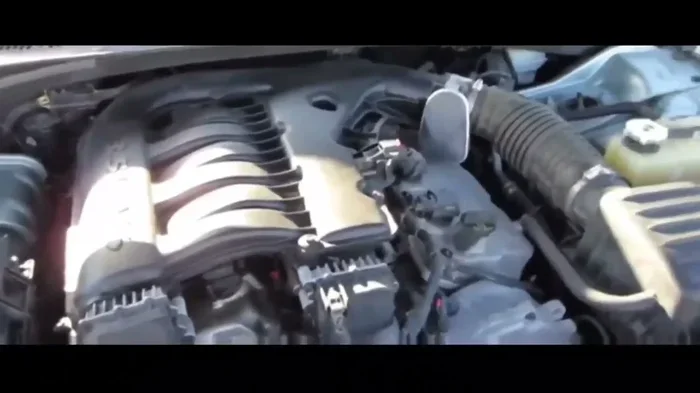
Mazda uses cylinder deactivation primarily in their V6 engines. The system deactivates three of the six cylinders when full power isn’t needed. This effectively turns a V6 into a three-cylinder engine during light-load conditions. The switch happens seamlessly through the engine control unit, also known as the ECU. Drivers barely notice the transition because Mazda has tuned the system to be incredibly smooth.
The technology is part of Mazda’s broader Skyactiv engine family. Skyactiv engines focus on maximizing efficiency while maintaining the responsive feel Mazda is known for. Cylinder deactivation fits perfectly into this philosophy. It gives drivers the fuel economy of a smaller engine without sacrificing the power of a larger one.
How Mazda Cylinder Deactivation Works
The mechanics behind cylinder deactivation are fascinating. When the system activates, it stops the intake and exhaust valves from opening on the deactivated cylinders. Fuel injection to those cylinders also stops completely. The pistons in those cylinders still move, but they don’t produce combustion. Essentially, those cylinders become air compressors that don’t consume meaningful energy.
The engine management system constantly monitors driving conditions. It looks at factors like throttle position, engine load, vehicle speed, and gear selection. When conditions call for less power, the system deactivates the cylinders. When you demand more power, it reactivates them almost immediately.
The Role of Variable Valve Timing
Mazda’s cylinder deactivation system works closely with variable valve timing technology. Variable valve timing adjusts when the intake and exhaust valves open and close. This optimization helps the engine run smoothly even with some cylinders deactivated. The combination of these two technologies creates a very refined driving experience.
Without variable valve timing, deactivated cylinders could cause rough running or vibrations. Mazda’s engineering team solved this problem through careful calibration. The result is an engine that transitions between modes so smoothly you might not even realize it happened.
Why Cylinder Deactivation Matters for Fuel Economy
Fuel economy is one of the biggest reasons Mazda uses cylinder deactivation. Modern drivers want efficiency without compromise. This technology delivers exactly that. By running on fewer cylinders during cruising and light-load situations, the engine consumes significantly less fuel.
Studies show that cylinder deactivation can improve fuel economy by 7 to 15 percent in real-world driving. That might not sound like much, but it adds up over thousands of miles. For commuters who spend hours on highways, the savings can be substantial. Over a year of driving, those fuel savings can mean real money back in your pocket.
Real-World Driving Scenarios
Highway cruising is where cylinder deactivation shines the most. When you’re maintaining a steady speed on the interstate, the engine doesn’t need maximum output. The system deactivates cylinders and lets the engine run efficiently. In city traffic, the system may deactivate less often because stop-and-go driving keeps the engine under varying loads.
However, even partial activation helps. Any time the engine runs on fewer cylinders, you save fuel. Mazda’s engineers have designed the system to activate whenever conditions allow it. This means you get efficiency benefits across a wide range of driving situations.
Impact on Engine Performance and Driving Experience
One common concern about cylinder deactivation is whether it affects performance. Mazda has addressed this concern brilliantly. When all six cylinders are active, the engine delivers its full torque output. The system only deactivates cylinders when full power isn’t needed. So acceleration, passing, and hill climbing all feel completely normal.
The transition between active and deactivated modes is nearly instantaneous. Mazda’s ECU processes sensor data in milliseconds. It decides whether to deactivate or reactivate cylinders based on current demand. This speed ensures that drivers never experience lag or hesitation.
Smoothness and Refinement
Mazda has put significant effort into making cylinder deactivation imperceptible. Vibrations, noise, and power fluctuations are all minimized. The engine mounts, damping systems, and calibration all work together to create a seamless experience. Most drivers won’t know their engine is running on three cylinders unless they check the instrument cluster display.
This level of refinement sets Mazda apart from some competitors. Other brands have had cylinder deactivation systems that felt noticeable or intrusive. Mazda has focused on making the technology invisible to the driver. You get the efficiency benefits without any of the downsides.
Which Mazda Models Feature Cylinder Deactivation?
Not every Mazda vehicle uses cylinder deactivation. The technology is typically reserved for models with larger engines. Here are the key vehicles where you’ll find this feature:
- Mazda CX-90: This three-row SUV uses a turbocharged V6 engine with cylinder deactivation for efficient highway cruising.
- Mazda CX-70: Similar to the CX-90, this two-row SUV benefits from the same efficient V6 powertrain.
- Mazda6: The midsize sedan has historically offered a V6 engine with cylinder deactivation technology.
- Mazda CX-9: The flagship SUV has used cylinder deactivation in its V6 configuration for years.
Mazda’s smaller vehicles with four-cylinder engines don’t need cylinder deactivation. A four-cylinder engine already runs on only four cylinders, so the efficiency gains wouldn’t be as significant. This is why Mazda reserves the technology for their V6 powertrains.
Engine Specifications and Configurations
The V6 engines in Mazda vehicles typically have a displacement of around 2.5 to 3.3 liters. These engines produce strong torque figures while maintaining respectable fuel economy numbers. Cylinder deactivation helps close the gap between the efficiency of a four-cylinder and the power of a traditional V6.
Mazda’s approach to engine design reflects their belief that efficiency and driving enjoyment should coexist. They don’t sacrifice performance for fuel savings. Instead, they use smart technology like cylinder deactivation to deliver both. This philosophy has earned Mazda a loyal following among driving enthusiasts who also care about efficiency.
Environmental Benefits of Cylinder Deactivation
Beyond fuel savings, cylinder deactivation also helps reduce harmful emissions. Fewer cylinders burning fuel means less exhaust output. The engine produces fewer hydrocarbons, nitrogen oxides, and carbon dioxide during deactivated periods. This contributes to lower overall emissions from the vehicle.
Mazda has been working hard to meet increasingly strict emission standards around the world. Cylinder deactivation is one tool that helps them achieve these goals. It allows the company to offer powerful engines that still comply with environmental regulations. This is especially important as governments tighten emission rules for new vehicles.
Connection to the Catalytic Converter
When fewer cylinders are active, the exhaust system produces fewer pollutants overall. This reduces the burden on the catalytic converter. The catalytic converter works more efficiently when it doesn’t have to process as many exhaust gases. This creates a positive cycle where the entire emissions system performs better.
Over the lifetime of a vehicle, these emission reductions add up. Cylinder deactivation contributes to a cleaner environmental footprint. For buyers who care about sustainability, this is an important consideration when choosing a vehicle.
Common Myths About Cylinder Deactivation
There are several misconceptions about cylinder deactivation that deserve clarification. Let’s address some of the most common ones.
Myth 1: It damages the engine. This is not true. Mazda designs their cylinder deactivation system to work within normal engine parameters. The deactivated cylinders still receive lubrication and experience minimal wear. The system has been tested extensively for durability and reliability.
Myth 2: It causes rough idling. Modern systems like Mazda’s are incredibly refined. The transitions are smooth and well-calibrated. You won’t experience shaking or rough running when cylinders deactivate or reactivate.
Myth 3: It only works on highways. While highway driving is where the system is most active, it can also activate during light-load city driving. Any time conditions allow, the system will deactivate cylinders to save fuel.
Myth 4: It makes the car feel weak. As mentioned earlier, the system only deactivates when full power isn’t needed. When you need performance, all cylinders are available instantly. The driving experience remains strong and responsive.
Maintenance Tips for Vehicles with Cylinder Deactivation
Taking care of a vehicle with cylinder deactivation is straightforward. The system is designed to be maintenance-free under normal conditions. However, following a few best practices will keep everything running smoothly.
- Keep up with regular oil changes. Clean oil ensures all engine components, including deactivated cylinders, stay properly lubricated.
- Use quality fuel. Top-tier gasoline helps maintain clean combustion chambers and supports the engine management system.
- Don’t ignore warning lights. If the check engine light comes on, have it diagnosed promptly. The cylinder deactivation system relies on sensors that can fail over time.
- Follow the maintenance schedule. Regular inspections ensure the engine management system and variable valve timing components work correctly.
These simple steps will help your Mazda’s cylinder deactivation system perform at its best for years to come. The technology is built to last, but good maintenance habits always help.
How Cylinder Deactivation Compares to Other Efficiency Technologies
Cylinder deactivation isn’t the only way automakers improve fuel economy. Let’s compare it to a few other common technologies.
| Technology | How It Works | Fuel Savings | Best For |
|---|---|---|---|
| Cylinder Deactivation | Shuts off half the cylinders during low demand | 7-15% | V6 and V8 engines during cruising |
| Turbocharging | Forces more air into cylinders for more power from smaller displacement | 10-20% | Small engines needing more power |
| Variable Valve Timing | Adjusts valve timing for optimal efficiency across RPM ranges | 5-10% | All engine types |
| Start-Stop System | Shuts off the engine at idle to prevent fuel waste | 3-8% | City driving with frequent stops |
| Lightweight Materials | Reduces vehicle weight so the engine works less | 5-15% | All driving conditions |
Mazda combines cylinder deactivation with several of these other technologies. The result is a comprehensive approach to efficiency. Variable valve timing, direct injection, and lightweight construction all work together with cylinder deactivation. This integrated strategy is what makes Mazda’s engines so impressive.
The Future of Cylinder Deactivation at Mazda
Mazda continues to innovate in engine technology. While the company is also investing in electrification, cylinder deactivation remains relevant. Hybrid and electric vehicles will not replace every combustion engine anytime soon. For the millions of drivers who still rely on gasoline-powered cars, technologies like cylinder deactivation make a real difference.
Future Mazda engines may use even more advanced versions of this technology. The company could expand cylinder deactivation to more engine configurations or refine the system further. Whatever comes next, Mazda’s commitment to efficient, enjoyable driving will remain constant.
Cylinder deactivation represents a smart bridge between traditional engines and the future. It delivers meaningful efficiency gains today while the industry transitions toward electrification. For Mazda owners, this technology adds value and peace of mind to every drive.
Conclusion
Mazda cylinder deactivation is a brilliant piece of engineering that benefits drivers in many ways. It improves fuel economy, reduces emissions, and maintains strong performance. The system works automatically and seamlessly, making it one of the most user-friendly efficiency technologies available. Whether you’re cruising on the highway or navigating city streets, this feature works quietly in the background to save you money at the pump.
If you’re considering a Mazda vehicle with a V6 engine, cylinder deactivation is a feature worth appreciating. It represents Mazda’s commitment to building cars that are both fun to drive and responsible with fuel. Understanding how this technology works helps you get the most out of your vehicle. Next time you’re behind the wheel, know that your engine is working smarter, not harder, to deliver the best possible experience.
Frequently Asked Questions
Does cylinder deactivation really save fuel?
Yes, cylinder deactivation can improve fuel economy by 7 to 15 percent in real-world driving conditions. The savings are most noticeable during highway cruising and light-load situations where full engine power isn’t needed. Over time, these savings can add up to meaningful reductions in fuel costs.
Will I notice when cylinders deactivate or reactivate?
Most drivers won’t notice the transition at all. Mazda has engineered the system to be incredibly smooth and seamless. The engine management system handles the switch in milliseconds, so there’s no hesitation or roughness. Some vehicles may show a status indicator on the instrument cluster, but the driving experience remains consistent.
Does cylinder deactivation harm the engine over time?
No, Mazda designs their cylinder deactivation system to operate within normal engine parameters. The deactivated cylinders still receive proper lubrication and experience minimal additional wear. The system has undergone extensive durability testing and is built to last the lifetime of the vehicle.
Which Mazda models have cylinder deactivation?
Cylinder deactivation is primarily found in Mazda models with V6 engines. This includes the CX-90, CX-70, CX-9, and Mazda6 when equipped with the V6 powertrain. Mazda’s smaller four-cylinder engines don’t use this technology since they already run on fewer cylinders.
Can I turn off cylinder deactivation?
In most Mazda vehicles, cylinder deactivation operates automatically and cannot be manually disabled. The system activates and deactivates based on driving conditions and engine load. This automatic operation ensures optimal efficiency without requiring driver intervention. Some older models may have had a temporary disable option, but modern systems are fully automatic.
Is cylinder deactivation the same as a hybrid system?
No, cylinder deactivation is a conventional engine technology, not a hybrid system. It works by shutting off some cylinders within the same engine rather than adding an electric motor. However, both technologies share the same goal of improving fuel efficiency. Mazda uses cylinder deactivation in their gasoline engines while also offering hybrid options in their lineup.