Does Ignition Voltage Disconnect When You Start a Car
Does ignition voltage disconnect when you turn the key? The short answer is no — your car’s ignition system keeps power flowing during startup. Understanding how ignition voltage disconnect works helps you spot problems early and avoid costly repairs. This guide breaks down the entire starting process in plain language so you know exactly what to expect and when something is wrong.
Every time you turn your key or push the start button, a complex electrical dance happens under the hood. Your car starting system relies on a steady flow of battery power to crank the engine and get it running. But here is a question many drivers ask: does ignition voltage disconnect when you start the car? The answer might surprise you. In this article, we will walk through exactly what happens to your ignition voltage during startup, why it matters, and how to tell if something is wrong with your electrical system.
Whether you are a curious car owner or someone dealing with a stubborn starting problem, this guide has you covered. We will explore every part of the starting system, from the battery to the starter motor, and explain how ignition voltage disconnect fits into the bigger picture. By the end, you will understand your vehicle better and know exactly what to look for when things go wrong.
Key Takeaways
- Ignition voltage does not fully disconnect when you start your car — it temporarily drops but stays connected to power the starting system.
- A healthy battery maintains around 10 volts during cranking, which is normal and expected.
- Excessive voltage drop during startup often signals a weak battery, corroded connections, or a failing starter motor.
- Regular testing of your starting system can prevent unexpected breakdowns and extend component life.
- Common mistakes like loose terminals or worn ignition switches are the top causes of starting voltage problems.
- Knowing the difference between a voltage drop and a voltage disconnect helps you diagnose issues faster and more accurately.
- Simple maintenance habits such as cleaning terminals and checking battery health go a long way in keeping your car reliable.
📑 Table of Contents
- What Happens to Ignition Voltage When You Start Your Car
- The Science Behind Voltage Changes During Startup
- Common Starting System Components Involved
- Signs Your Ignition Voltage Is Not Disconnecting Properly
- How to Test Ignition Voltage During Startup
- Expert Tips to Keep Your Starting System Healthy
- Conclusion
What Happens to Ignition Voltage When You Start Your Car
When you turn the key to the start position, a lot happens in a very short time. The ignition switch sends a signal to the starter solenoid, which then engages the starter motor. This motor spins the engine until it fires up and runs on its own. Throughout this process, your battery voltage does not disconnect. Instead, it experiences a temporary drop that is completely normal.
The ignition circuit stays active during cranking. This is by design. Your spark plugs need a consistent power supply to create the spark that ignites fuel in the cylinders. If voltage truly disconnected, your engine would not crank at all. Understanding this basic fact is the first step toward diagnosing any starting issues you might face.
The Role of the Ignition Switch
The ignition switch is the gatekeeper of your entire starting process. When you insert your key and turn it, the switch moves through several positions. Each position activates a different part of your electrical system. In the start position, it sends power to the starter motor while also keeping the ignition coil energized. This dual function ensures your engine gets both the mechanical crank and the electrical spark it needs to fire up.
A faulty ignition switch can disrupt this entire process. If the switch fails to maintain proper contact, you may experience intermittent starting problems. This is one of the most overlooked causes of starting issues, and it directly affects how ignition voltage disconnect behaves during a start cycle.
The Science Behind Voltage Changes During Startup
Now let us talk numbers. When your starter motor engages, it draws a significant amount of starter motor draw from the battery. A healthy starter typically pulls between 100 and 200 amps. This heavy draw causes the battery voltage to dip from its normal resting level of around 12.6 volts down to roughly 10 volts during cranking.
This is not a disconnect. It is a voltage drop, and it is expected. The battery is still delivering power — it just cannot maintain its full charge under the heavy load of cranking the engine. Think of it like opening a fire hydrant. The water pressure drops when you open the valve wide, but the water is still flowing.
Voltage Drop vs. Voltage Disconnect
It is important to understand the difference between a voltage drop and an actual voltage disconnect. A voltage drop is temporary and normal. A voltage disconnect means power has been completely cut off, which is a serious problem. If your ignition voltage disconnect fully during startup, your engine will not crank, and your spark plugs will not fire.
Here is a simple way to remember it. A voltage drop is like walking up a hill — you slow down but you keep moving. A voltage disconnect is like hitting a brick wall — everything stops. Your car needs to keep moving through that hill during startup, not hit a wall.
| Condition | Voltage Level During Cranking | Is It Normal? |
|---|---|---|
| Healthy System | 10 to 12 volts | Yes |
| Mild Voltage Drop | 9 to 10 volts | Borderline — check connections |
| Severe Voltage Drop | Below 9 volts | No — investigate battery or starter |
| Full Voltage Disconnect | 0 volts | No — immediate attention needed |
What a Healthy Starting System Looks Like
A healthy car starting system shows a brief voltage dip during cranking and then quickly recovers once the engine starts running. Within a few seconds of the engine firing, your alternator output takes over and begins recharging the battery. The voltage regulator ensures the alternator output stays within the safe range of 13.5 to 14.5 volts.
If your system behaves this way every time you start the car, everything is working as it should. The ignition voltage disconnect does not occur — instead, you see a controlled, temporary voltage dip that resolves quickly. This is the sign of a well-maintained vehicle with a healthy battery and electrical system.
Quick Tips
- Always check your battery terminals for corrosion before assuming the worst.
- Keep a voltage drop test tool in your glove box for basic diagnostics.
- Replace your battery every 3 to 5 years to avoid surprise starting failures.
- Listen for clicking sounds when you turn the key — they often point to a starter solenoid issue.
Common Starting System Components Involved
Your car’s starting system is a team of components working together. If one part fails, the whole process suffers. Let us break down the key players and how they relate to ignition voltage disconnect behavior.
Battery and Its Role
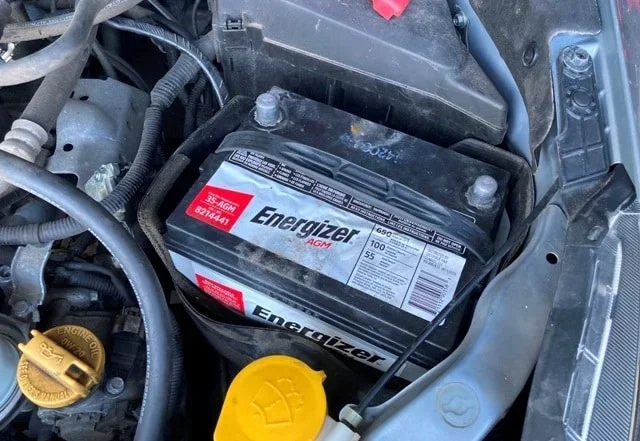
The battery is the heart of your starting system. It stores battery power and delivers it on demand when you turn the key. A fully charged battery should read around 12.6 volts when the engine is off. During cranking, that number will dip, but it should never fall below 10 volts in a healthy system.
If your battery is old or weak, it cannot sustain the heavy starter motor draw. This can cause an excessive voltage drop that mimics a full ignition voltage disconnect. The engine cranks slowly or not at all, even though the switch and solenoid are working fine. Always test your battery first when you have starting problems.
Starter Motor and Solenoid
The starter motor is the muscle that cranks your engine. The starter solenoid acts as a relay that sends power from the battery to the motor. Together, they turn the engine crank fast enough to draw in air and fuel.
A worn-out starter motor draws too much current, which stresses the battery and causes a deeper voltage dip. A faulty solenoid may fail to engage at all, creating a situation that feels like a complete ignition voltage disconnect. In reality, the power is there — it just cannot reach the motor because of the failed solenoid.
Ignition Switch and Relays
The ignition switch and starting relay control the flow of electricity to the starter. The relay acts as a heavy-duty switch that handles the high current needed by the starter motor. The ignition switch sends a low-current signal to the relay, which then closes the circuit.
If the ignition switch wears out or the starting relay fails, the circuit cannot complete properly. This can create intermittent or total loss of power to the starter, which drivers often describe as an ignition voltage disconnect. These components are relatively inexpensive to replace and are well worth checking when you have starting issues.
Signs Your Ignition Voltage Is Not Disconnecting Properly
Sometimes the problem is the opposite — your voltage does not behave correctly during startup. Recognizing the warning signs early can save you from being stranded.
Symptoms to Watch For
- Slow cranking: The engine turns over slowly or sluggishly when you turn the key. This often points to a voltage drop that is too severe or a weak battery power supply.
- No crank at all: You hear nothing when you turn the key. This could indicate a complete ignition voltage disconnect caused by a dead battery, bad solenoid, or faulty ignition switch.
- Intermittent starting: The car starts sometimes but not others. This is often a sign of a worn ignition switch or corroded ignition circuit connections.
- Dimming dashboard lights: When you turn the key to start, your dashboard lights should dim slightly. If they go completely dark, your battery may not be delivering enough power supply to the system.
- Clicking noise without cranking: A single click or rapid clicking usually means the starter solenoid is engaging but not receiving enough voltage to turn the motor.
When to See a Mechanic
If you notice any of the symptoms above, it is time to take action. A simple voltage drop test performed by a qualified mechanic can pinpoint the exact cause. Do not ignore starting problems. What starts as a slow crank can turn into a no-start situation within weeks. Early diagnosis saves money and keeps you on the road.
Common Mistakes
- Assuming the battery is always the culprit. Corroded terminals or a bad ground strap can cause the same symptoms as a dead battery.
- Ignoring warning signs. A slow crank today becomes a no-start tomorrow. Address small problems before they grow.
- Jump-starting without diagnosis. A jump start can mask the real problem and delay proper repairs.
- Neglecting terminal maintenance. Dirty or loose terminals are the number one cause of voltage issues in starting systems.
How to Test Ignition Voltage During Startup
Testing your ignition voltage during startup is easier than most people think. With the right tools and a basic understanding of your car starting system, you can perform a voltage drop test in minutes.
Tools You Need
- A digital multimeter set to DC voltage
- Clean, insulated test leads
- A helper to turn the key while you watch the meter
Step-by-Step Testing Process
- Set up your multimeter. Connect the red lead to the positive battery terminal and the black lead to the negative terminal.
- Check resting voltage. With the engine off, you should read between 12.4 and 12.6 volts. This confirms your battery power is healthy.
- Have a helper turn the key. Watch the multimeter as the starter motor engages. The voltage should not drop below 10 volts.
- Observe recovery. Once the engine starts, the voltage should return to 13.5 to 14.5 volts as the alternator output takes over.
- Record your readings. Write down the numbers. Compare them to the table in the section above to determine if your system is healthy.
If your readings show a full ignition voltage disconnect (0 volts during cranking), you have a serious problem that needs immediate attention. If you see a drop between 9 and 10 volts, your system is borderline and deserves a closer look. Readings between 10 and 12 volts mean everything is working normally.
Expert Insights
Professional technicians always test voltage drop across the starter motor cables, not just at the battery. A voltage drop of more than 0.5 volts across the positive cable or 0.1 volts across the negative cable indicates excessive resistance in the ignition circuit. This hidden resistance can cause symptoms that look like a full ignition voltage disconnect even when the battery is perfectly healthy.
Expert Tips to Keep Your Starting System Healthy
Prevention is always better than repair. A few simple habits can keep your starting system in top shape and prevent unexpected ignition voltage disconnect problems.
Regular Maintenance Habits
- Clean your terminals regularly. A mixture of baking soda and water removes corrosion easily. Apply a thin coat of dielectric grease afterward to prevent future buildup.
- Check your battery water level. If your battery has removable caps, inspect the electrolyte level monthly and top off with distilled water as needed.
- Test your battery twice a year. Spring and fall are great times for a voltage drop test and a load test at your local auto parts store.
- Replace worn cables. Starter motor cables and ground straps degrade over time. Replace them if you notice cracking or excessive resistance.
- Listen to your car. Any change in cranking speed or sound is worth investigating before it becomes a full no-start situation.
When to Replace Key Components
No component lasts forever. Your battery typically lasts 3 to 5 years. The starter motor can last 100,000 miles or more with proper care. The ignition switch and starting relay should last the life of the vehicle but can wear out earlier in high-mileage cars. Replace these components proactively rather than waiting for a failure that leaves you stranded.
Understanding how ignition voltage disconnect works — and more importantly, how it does not work — gives you a huge advantage as a car owner. You can have meaningful conversations with your mechanic, make informed decisions about repairs, and avoid being taken advantage of by unnecessary services.
Conclusion
The answer to the question does ignition voltage disconnect when starting a car is a clear no. Your ignition system maintains power throughout the starting process. What you experience is a controlled voltage drop as the starter motor draws heavy current from the battery. This is completely normal and designed into the car starting system from the factory.
When the voltage drops too far or fails to recover after startup, that is when you know something needs attention. A weak battery, corroded terminals, a failing starter motor, or a worn ignition switch can all cause abnormal ignition voltage disconnect behavior. The good news is that regular maintenance and simple voltage drop test checks can catch these problems early.
Take the time to understand your vehicle’s electrical system. Check your battery voltage regularly, keep your terminals clean, and listen for unusual sounds when you turn the key. These small habits add up to a reliable car that starts every time. Now you know the truth about ignition voltage disconnect — use that knowledge to keep your vehicle running strong for miles to come.
Frequently Asked Questions
Why does my car voltage drop when I start it?
Your battery voltage drops during startup because the starter motor draws a large amount of current — typically 100 to 200 amps. This heavy starter motor draw causes a temporary voltage drop from the normal 12.6 volts down to around 10 volts. This is completely normal and expected in a healthy car starting system. The voltage should recover quickly once the engine starts running and the alternator output takes over.
Can a bad ground cause ignition voltage problems?
Absolutely. A poor ground connection creates excessive resistance in the ignition circuit, which can mimic the symptoms of a full ignition voltage disconnect. Even if your battery is strong, a bad ground strap prevents it from delivering power efficiently to the starter motor. Always check ground connections when diagnosing starting voltage issues.
How do I know if my starter motor is failing?
Warning signs include slow cranking, a grinding noise, intermittent starting, or a clicking sound without any cranking at all. These symptoms often point to excessive starter motor draw or internal wear. A voltage drop test can confirm whether the starter is causing excessive voltage loss in your electrical system. Replacing a failing starter early prevents you from being stranded.
What is a normal cranking voltage for a car battery?
A healthy battery should maintain between 10 and 12 volts during cranking. If the voltage drops below 9 volts, your battery power is insufficient and needs attention. A reading of 0 volts during cranking indicates a complete ignition voltage disconnect, which requires immediate diagnosis. Use a digital multimeter to check your cranking voltage and compare it to these benchmarks.
Does the ignition coil need power during cranking?
Yes, the ignition coil must receive power during cranking to generate the spark that ignites fuel in the cylinders. The ignition circuit stays active throughout the startup process. If you experience a true ignition voltage disconnect, the coil will not fire, and the engine will not start. This is why maintaining a consistent power supply to the ignition system is critical during cranking.
How often should I test my starting system voltage?
Testing your car starting system voltage at least twice a year is a smart habit. Spring and fall checks align with seasonal battery stress — extreme heat in summer and cold in winter both strain your battery and electrical system. Regular voltage drop test checks help you catch weak battery power, corroded connections, or failing starter motor components before they leave you stranded.