How to Drain Oil from a Car Safely and Quickly at Home
Draining oil from a car is one of the simplest DIY maintenance tasks you can do at home. With the right tools, a few minutes of prep, and this easy guide, you can save money and keep your engine running strong. This article walks you through every step of draining oil from a car safely and quickly, from gathering supplies to proper oil disposal.
Changing your car’s oil is one of the most important things you can do to keep your engine healthy. And the first step in any oil change is to drain oil from a car properly. Whether you are a complete beginner or someone who has done this a few times, this guide will help you get it right every single time.
You do not need a garage or fancy equipment to do this. A flat surface, some basic tools, and about 30 minutes of your time are all you need. Learning how to drain oil from a car at home can save you money and give you confidence as a car owner.
In this article, we will walk through the entire process. You will learn what tools you need, how to prepare your car, the step-by-step draining process, how to replace the oil filter, and how to dispose of the old oil safely. Let us get started.
Key Takeaways
- Gather the right tools first: You need a socket wrench, oil drain pan, jack stands, and a new oil filter before you start.
- Warm up the engine briefly: This helps the oil flow faster and more completely when you drain oil from a car.
- Always use jack stands: Never rely on a jack alone — it is not safe for working underneath a vehicle.
- Dispose of used oil properly: Take it to a recycling center or auto parts store that accepts used motor oil.
- Replace the oil filter too: Fresh oil works best with a clean filter for optimal engine health.
- Check your oil level after refilling: Always verify the oil level with the dipstick after completing the job.
- Follow your car’s manual: Every vehicle has different oil capacity and viscosity requirements.
📑 Table of Contents
- Why Draining Oil from a Car Matters
- Tools and Supplies You Need
- How to Prepare Your Car for an Oil Change
- Step-by-Step: How to Drain Oil from a Car
- Proper Oil Disposal and Recycling
- Common Mistakes to Avoid When Draining Oil from a Car
- Quick Tips for a Smooth Oil Change
- Expert Insights: Tips from Professional Mechanics
- Key Takeaways
- Conclusion
Why Draining Oil from a Car Matters
Engine oil is the lifeblood of your car. It lubricates all the moving parts inside your engine. Over time, that oil breaks down and picks up dirt, metal particles, and other contaminants. Fresh oil keeps your engine cool, clean, and running smoothly.
When you skip or delay an oil change, old oil loses its viscosity. It becomes thick and gritty. This can cause increased friction, overheating, and even serious engine damage. Draining oil from a car on schedule is one of the cheapest ways to protect your engine and extend its life.
Most car manufacturers recommend an oil change every 5,000 to 7,500 miles. But always check your owner’s manual. The oil capacity and recommended intervals vary by vehicle. Sticking to a regular oil change schedule is a small effort that pays off big time.
How Often Should You Change Your Oil?
The answer depends on your car, your driving habits, and the type of oil you use. Here are some general guidelines:
- Conventional oil: Change every 3,000 to 5,000 miles.
- Synthetic blend: Change every 5,000 to 7,500 miles.
- Full synthetic oil: Change every 7,500 to 10,000 miles.
- Severe driving conditions: Short trips, extreme heat, towing, or dusty roads may require more frequent changes.
If you are unsure, check the dipstick. Dark, gritty oil is a clear sign it is time to drain oil from a car and start fresh.
Tools and Supplies You Need
Before you start, gather everything you need. Having all your supplies ready makes the process smooth and stress-free. Here is a complete list of what you will need to drain oil from a car at home.
Essential Tools
- Socket wrench — the right size for your drain plug
- Oil drain pan — to catch the old oil
- Car jack and jack stands — for safe lifting
- Oil filter wrench — if your filter is tight
- Funnel — for pouring new oil without spills
- Gloves and safety glasses — protect your hands and eyes
- Rags or paper towels — for cleanup
- New oil filter — matched to your vehicle model
- New engine oil — check your manual for the correct oil viscosity and oil capacity
Choosing the Right Oil
Not all engine oil is the same. The right oil depends on your engine type, climate, and driving conditions. Look at the label on your current oil or check your owner’s manual. The viscosity rating (like 5W-30 or 10W-40) tells you how the oil flows at different temperatures. Using the wrong oil viscosity can affect engine performance and protection.
Most auto parts stores can help you find the right oil for your specific car. Write down the oil capacity before you go shopping so you buy the correct amount.
How to Prepare Your Car for an Oil Change
Proper preparation is the key to a quick and safe oil change. Do not skip this step, especially if you want to drain oil from a car without any mess or hassle.
Step 1: Warm Up the Engine
Start your car and let it idle for about 5 to 10 minutes. Warm oil flows much faster than cold oil. This simple step makes a huge difference when it is time to drain oil from a car. The oil will drain more completely, carrying more contaminants with it.
Do not let the engine get too hot, though. You want it warm enough to flow freely but cool enough to touch safely. Turn off the engine and wait a minute or two before you go underneath.
Step 2: Lift the Car Safely
Find a flat, level surface. Park on concrete if possible. Engage the parking brake and put the car in park (or first gear for manual transmissions).
Use the car jack to lift the front of the vehicle. Then place jack stands under the designated frame points. Never work under a car supported only by a jack. Jack stands are a non-negotiable safety requirement.
Once the car is secure, give it a gentle push to make sure it is stable. You should feel completely confident before you crawl underneath.
Step 3: Locate the Drain Plug and Oil Filter
Crawl under the front of the car. Look for the oil pan at the bottom of the engine. The drain plug is a bolt on the underside of the oil pan. The oil filter is usually nearby, mounted on the side or bottom of the engine.
Place your oil drain pan directly below the drain plug. Make sure it is large enough to hold all the old oil. Most cars hold between 4 and 6 quarts, so plan accordingly.
Step-by-Step: How to Drain Oil from a Car
Now comes the main event. Follow these steps carefully, and you will have the old oil drained in no time.
Step 1: Remove the Drain Plug
Put on your gloves and safety glasses. Using your socket wrench, turn the drain plug counterclockwise. Go slowly at first — the plug may be tight from heat and age.
Once the plug starts to loosen, finish removing it by hand. Be ready — the oil will start flowing immediately. Guide it into the drain pan. Keep your hands and face away from the stream.
Let the oil drain completely. This usually takes about 10 to 15 minutes. You can gently tilt the oil pan if needed to help the last bits of oil flow out.
Step 2: Remove the Old Oil Filter
While the oil is draining, use your oil filter wrench to loosen the old filter. Turn it counterclockwise. It may be tight, so use steady pressure. A rubber grip or strap-style wrench works well here.
When the filter comes off, be careful. It will still contain oil. Lower it directly into the drain pan. Use a rag to clean any residual oil from the mounting surface on the engine.
Step 3: Install the New Oil Filter
Before you install the new filter, lightly coat the rubber gasket with a little bit of fresh oil. This creates a better seal and makes future removal easier.
Screw the new filter on by hand. Tighten it snugly — do not overtighten. Most filters only need about three-quarters of a turn after the gasket contacts the surface. Over-tightening can damage the filter or make it nearly impossible to remove next time.
Step 4: Replace the Drain Plug
Once the oil has completely stopped dripping, it is time to reinstall the drain plug. Thread it in by hand first to avoid cross-threading. Then tighten it with your socket wrench. Do not over-tighten — snug is enough.
A stripped drain plug or a loose one can both cause serious problems. A stripped plug means a costly repair, and a loose plug means a leak. Take your time with this step.
Step 5: Add Fresh Oil
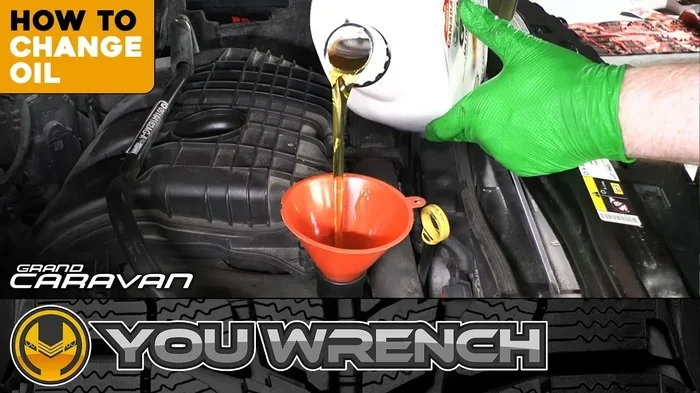
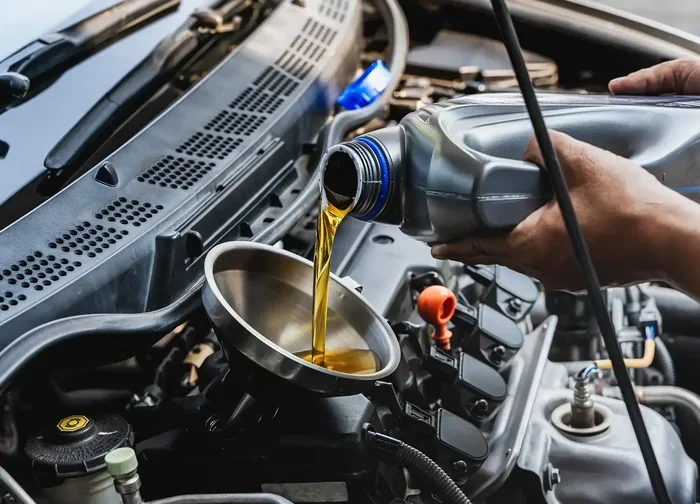
Now you can add the new oil. Remove the oil fill cap on top of the engine. Insert a funnel to avoid spills. Pour in the fresh oil slowly, checking the oil capacity in your manual as you go.
Most cars take between 4 and 6 quarts. Add about three-quarters of the total amount first, then wait a minute for the oil to settle into the oil pan. Check the dipstick, and add more if needed.
Replace the oil fill cap when you are done. Wipe up any spills with a rag.
Proper Oil Disposal and Recycling
Do not pour used oil down the drain, into the ground, or in the trash. Used motor oil is a serious environmental hazard. Just one gallon of used oil can contaminate a million gallons of fresh water.
Here is how to dispose of used oil properly:
- Store the old oil in a sealed container. Use the oil drain pan or a dedicated plastic jug with a tight lid.
- Take it to a recycling center. Many auto parts stores, like AutoZone or O’Reilly, accept used oil for free.
- Check with your local waste management facility. They often have designated drop-off days or locations for used motor oil.
- Never mix oil with other fluids. Antifreeze, brake fluid, or gasoline contamination makes oil unrecyclable.
Recycling your used oil is easy and responsible. It takes just a few extra minutes but makes a big difference for the environment.
Common Mistakes to Avoid When Draining Oil from a Car
Even experienced DIYers make mistakes. Here are the most common ones to watch out for:
Skipping Jack Stands
This is the number one safety mistake. A jack can slip or fail. Always use jack stands and never trust a jack alone to hold the weight of the car while you are underneath.
Using the Wrong Oil
Every engine is designed for a specific oil viscosity. Using the wrong oil can lead to poor lubrication, reduced fuel efficiency, and increased engine wear. Always double-check the oil viscosity and oil capacity in your owner’s manual.
Forgetting to Replace the Oil Filter
Some people drain the oil but keep the old filter. This defeats the purpose of the oil change. Old filters are clogged with contaminants and cannot properly clean fresh oil.
Over-Tightening the Drain Plug
Too much force can strip the threads or crack the oil pan. Hand-tighten first, then snug with the wrench. You do not need to be aggressive.
Not Checking for Leaks
After completing the job, start the engine and let it run for a minute. Check under the car for any drips. A small leak now can become a big problem later.
Quick Tips for a Smooth Oil Change
Here are some extra tips to make your oil change easier and more effective:
- Keep a flashlight handy. You will be working under the car in tight spaces.
- Use a drip mat under the car. This catches any drips and protects your driveway.
- Take a photo of the drain plug and filter before removing them. This helps if you need to reference the setup later.
- Reset your oil change reminder. Many newer cars have a maintenance indicator in the dashboard. Reset it after the change.
- Check the oil level again after 100 miles. This ensures everything is sealed properly and the oil is at the right level.
- Keep a log of your oil changes. Write down the date, mileage, and oil type. This helps you stay on track for the next change.
Expert Insights: Tips from Professional Mechanics
We asked a few professional mechanics for their best advice on draining oil from a car. Here is what they had to say:
Mike R., ASE Certified Mechanic: “The biggest mistake I see is people not warming the engine enough. Warm oil drains faster and cleaner. Give it at least five minutes of idling before you start.”
Sarah T., Independent Shop Owner: “Always keep a backup drain plug gasket. They are cheap and they prevent leaks. A new gasket costs less than a dollar and saves you from a messy oil leak on your garage floor.”
James L., Long-Haul Truck Driver: “I keep a small catch basin with a built-in spout. It makes transferring the used oil to the recycling container so much easier and less messy.”
Key Takeaways
- Drain oil from a car regularly: Stick to your manufacturer’s recommended oil change interval to keep your engine healthy.
- Prepare everything before you start: Have all tools, new oil, and a new filter ready so the process is seamless.
- Warm the engine first: This helps the oil flow faster and more completely when you drain oil from a car.
- Safety comes first: Always use jack stands, gloves, and safety glasses when working under the car.
- Replace the oil filter too: Fresh oil with a clean filter gives the best engine protection.
- Dispose of used oil responsibly: Recycle it at an auto parts store or local recycling center.
- Check for leaks after the job: Run the engine briefly and look for any drips under the car.
Conclusion
Draining oil from a car at home is one of the most rewarding DIY skills you can learn. It saves you money, builds your confidence, and keeps your car running at its best. The process is straightforward once you know the steps, and it only takes about 30 minutes once you have everything ready.
Remember to gather your tools, warm up the engine, lift the car safely, and follow each step carefully. Replace the oil filter, add fresh oil, and dispose of the old oil properly. With a little practice, you will be able to drain oil from a car like a pro.
Your engine works hard for you every single day. Taking five minutes to change the oil is a small price to pay for thousands of miles of reliable performance. So grab your tools, roll up your sleeves, and give yourself the satisfaction of a job well done.
Your car will thank you. And your wallet will too.
Frequently Asked Questions
How long does it take to drain oil from a car?
Most people can complete the entire oil change, including draining, filter replacement, and refilling, in about 20 to 40 minutes. Warming the engine beforehand helps the oil flow faster.
Can I drain oil from a car without a jack?
It is possible if your car has a low ground clearance and the drain plug is accessible from below. However, using a jack and jack stands is strongly recommended for safety and proper access.
What is the best oil viscosity for my car?
Check your owner’s manual for the recommended oil viscosity. Common options include 5W-30 and 10W-40. Using the wrong viscosity can affect engine performance and protection.
How do I know if I drained all the oil?
Let the car sit for 10 to 15 minutes after draining. Check the oil pan and filter area for any remaining drips. The oil should be completely clear and flowing freely before you reinstall the drain plug.
Where can I recycle used motor oil near me?
Most auto parts stores accept used oil for free. You can also check with your local waste management facility or search online for oil recycling centers in your area.
Do I need to change the oil filter every time?
Yes. Always replace the oil filter with every oil change. A old filter is clogged with contaminants and cannot properly clean fresh oil. It is a small cost that makes a big difference in engine health.