Can You Drive With Low Oil Without Damaging Your Engine
Driving with low oil can seriously harm your engine, leading to costly repairs or even total failure. Many drivers ignore the warning signs, not realizing that low engine oil causes friction, heat buildup, and irreversible damage. This guide covers everything you need to know about driving with low oil, from recognizing symptoms to taking action before it’s too late.
You are running late for work. You turn the key, the engine starts, and you pull out of the driveway. Then you notice it. A strange ticking sound under the hood. Or maybe the low oil pressure light just popped on your dashboard. Your first thought might be, “Can I just drive with low oil?” It is a question more drivers ask than you might think. But the honest answer is not a simple yes or no. Driving with low oil is one of the fastest ways to damage your engine. And the damage it causes is often not obvious until it is too late.
Your car’s engine has hundreds of moving parts. These parts spin, slide, and grind against each other at high speed. Without enough motor oil, they rub together with nothing between them. That creates heat, friction, and wear. Over time, this wear adds up. It can lead to expensive repairs or even a completely seized engine. Understanding what happens when oil runs low can save you a lot of money and stress. So let us break it all down.
Key Takeaways
- Even short trips with low oil can cause engine wear: oil lubricates critical components, and running low removes that protection fast.
- Warning signs like dashboard lights and engine noise should never be ignored: they are your car’s way of telling you something is wrong.
- How low is too low depends on your vehicle: most engines need at least a quarter of the oil capacity to function safely.
- Checking your oil regularly is simple and takes just minutes: it can save you thousands in repair costs.
- If your oil is low, act quickly: top it off, check for leaks, and get a full oil change soon.
- Driving with low oil is preventable: regular maintenance and oil level checks keep your engine healthy.
📑 Table of Contents
- What Happens When You Drive With Low Oil
- Warning Signs Your Oil Level Is Too Low
- How Low Is Too Low for Your Engine
- Can You Drive With Low Oil Without Damaging Your Engine?
- How to Check and Maintain Your Oil Level
- What to Do If Your Oil Is Low
- Common Mistakes Drivers Make With Low Oil
- Expert Insights on Oil and Engine Health
- Conclusion
What Happens When You Drive With Low Oil
When you drive with low oil, your engine starts losing the one thing that keeps it alive: lubrication. Oil forms a thin film between metal parts. This film reduces friction and carries heat away from critical areas. When the oil level drops, that film becomes thinner. Eventually, metal starts touching metal. Here is what happens step by step.
Increased Friction and Heat
Without enough oil, engine parts create more friction. Friction generates heat. And heat breaks down remaining oil faster. This creates a dangerous cycle. The oil gets thinner, the engine gets hotter, and the damage grows with every mile you drive. Even a few minutes of running with very low oil can cause problems.
Worn Engine Components
Over time, low oil causes wear on bearings, pistons, and cylinder walls. These are expensive parts to replace. In many cases, the damage is permanent. Once engine components wear down, no amount of new oil can fix it. You may need a full engine rebuild or replacement.
Oil Pump Strain
Your oil pump works hard to circulate oil through the engine. When oil levels are low, the pump has to work even harder. It pulls in air instead of oil. This causes low oil pressure, which means oil is not reaching all the places it needs to go. The pump can fail entirely if this continues.
Engine Seizure
In the worst case, a completely dry engine will seize. The pistons weld themselves to the cylinder walls. At that point, the engine is dead. You will need a full replacement. This is the most extreme outcome, but it can happen fast if you ignore the signs.
Warning Signs Your Oil Level Is Too Low
Your car gives you plenty of warning before oil gets dangerously low. The trick is knowing what to look for. Most drivers miss these signals because they do not know what they mean. Here are the most common warning signs that your oil is running low.
The Oil Warning Light
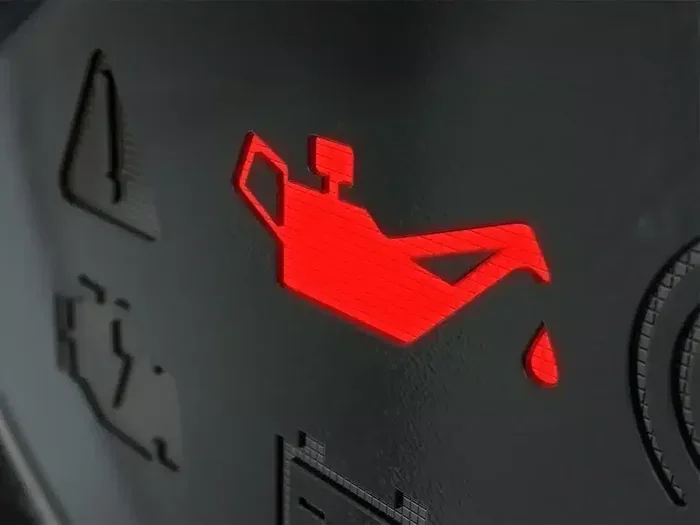
The red oil light on your dashboard is the most obvious sign. It usually looks like an oil can with a drip coming from it. If this light comes on, stop driving immediately. It means your oil pressure is too low. Continuing to drive risks serious engine damage.
Unusual Engine Sounds
Listen to your engine. A healthy engine sounds smooth and quiet. If you hear ticking, knocking, or rumbling sounds, your oil might be low. These noises happen because metal parts are rubbing without proper lubrication. Do not ignore them. They get louder as the problem gets worse.
Burning Oil Smell
Do you smell something hot inside the car? A burning oil smell often means oil is leaking onto hot engine parts. This is a serious issue. Check your oil level right away and look for leaks underneath the car.
Poor Engine Performance
Low oil can make your engine feel sluggish. You might notice reduced power, rough idling, or stalling. These symptoms happen because the engine is working harder without proper lubrication. If your car feels off, check the oil.
Dark or Dirty Oil on the Dipstick
When you pull out the oil dipstick, look at the color. Fresh oil is amber and clear. Dark, gritty oil means it is old and worn out. It also might mean your oil level is low. Checking the dipstick regularly is one of the best habits you can build.
How Low Is Too Low for Your Engine
Not all low oil situations are the same. The level at which damage starts depends on your vehicle, engine type, and how long you drive. But there are general guidelines every driver should follow.
Understanding Oil Capacity
Every engine has an oil capacity. This is the total amount of oil the engine needs to run properly. Most cars hold between four and six quarts. When the oil drops below the minimum mark on the dipstick, you are in the danger zone. Even being a quarter low can start causing issues over time.
The Role of Oil Pressure
Oil pressure is what pushes oil through the engine. Low oil levels lead to low pressure. Most engines need at least 10 to 30 PSI to maintain proper lubrication. If pressure drops too low, oil stops reaching the top of the engine. The camshaft and valve train suffer first.
Short Trips vs. Long Drives
How far you drive with low oil matters a lot. A short trip to the grocery store might not cause immediate damage. But a long highway drive with low oil can be very risky. Longer drives generate more heat and put more stress on engine parts. The less oil you have, the faster damage builds up.
Older Engines Are More Vulnerable
Older cars with high mileage are more sensitive to low oil. Their engines already have some wear. Running low on oil speeds up that wear dramatically. If you drive an older vehicle, be extra careful about oil levels.
Can You Drive With Low Oil Without Damaging Your Engine?
This is the question most drivers want answered. The short answer is: it depends. The longer answer is more complicated. You can sometimes drive a short distance with slightly low oil. But there are risks involved, and those risks increase the longer you drive.
Factors That Determine the Risk
Several factors decide how much damage low oil will cause. The type of oil matters. Synthetic oil handles heat better than conventional oil. The condition of your oil filter also plays a role. A clogged filter restricts oil flow and makes low oil even worse. Driving conditions matter too. Stop-and-go city driving is harder on a low-oil engine than steady highway driving.
How Much Damage Can Occur
Studies show that even five minutes of driving with no oil can cause damage. Most engines start showing wear after just a few miles with low oil. The damage might not show up right away. But over time, it adds up. You might not notice the effects for weeks or months. By then, the repair bill could be huge.
If you find yourself in a situation where you must drive a short distance, do it carefully. Keep the engine RPM low. Avoid heavy acceleration. Get to a service station or mechanic as soon as possible. And never drive with the oil light on.
Real-World Examples
Imagine you are on a road trip. You check your oil in the morning and notice it is just below the minimum line. You decide to keep going. By afternoon, the engine starts making noise. You pull over and check again. The oil is now critically low. This scenario plays out more often than you think. A simple check in the morning could have prevented the whole situation.
Another example: a driver notices a small oil leak. They top off the oil and keep driving. A week later, the leak gets worse. The oil level drops again. By the time they notice the engine overheating, the damage is done. Both of these situations could have been avoided with regular oil checks.
How to Check and Maintain Your Oil Level
Checking your oil is one of the simplest things you can do for your car. It takes less than five minutes and can prevent major problems. Here is how to do it right.
Step-by-Step Oil Check
- Park your car on a flat surface.
- Turn off the engine and wait a few minutes for the oil to settle.
- Open the hood and locate the oil dipstick.
- Pull the dipstick out and wipe it clean with a cloth.
- Reinsert the dipstick fully, then pull it out again.
- Look at the oil level. It should be between the minimum and maximum marks.
- Check the oil color. It should be amber, not dark brown or black.
When to Change Your Oil
Regular oil changes are the best way to keep your engine healthy. Most manufacturers recommend changing oil every 5,000 to 7,500 miles for conventional oil. Synthetic oil can last longer, sometimes up to 10,000 miles. Check your owner’s manual for the exact oil change interval for your vehicle. Sticking to a regular schedule keeps your oil clean and your engine protected.
Choosing the Right Oil
Not all oil is the same. Different engines need different oil viscosity grades. Viscosity refers to how thick or thin the oil is. Thicker oil works better for high-temperature engines. Thinner oil flows better in cold weather. Using the wrong oil can lead to poor lubrication and engine wear. Always check your owner’s manual or ask your mechanic.
Quick Tips for Oil Maintenance
- Check your oil at least once a month.
- Keep a spare quart of the right oil in your trunk.
- Set a reminder for your next oil change.
- Watch for oil spots under your car when parked.
- Never ignore the oil warning light.
- Replace your oil filter with every oil change.
What to Do If Your Oil Is Low
If you discover your oil is low, do not panic. But do take action right away. Here is a clear plan to follow.
Step 1: Add Oil Immediately
Open the hood and locate the oil fill cap. Add the correct type of oil in small amounts. Check the dipstick after each addition. Do not overfill. Too much oil can be just as bad as too little.
Step 2: Look for Leaks
Low oil often means there is a leak somewhere. Check under the car for oil spots. Look around the oil pan, oil filter, and engine gaskets. If you find a leak, get it repaired as soon as possible.
Step 3: Visit a Mechanic
Even after you top off the oil, visit a mechanic. They can check for underlying issues like worn seals, damaged gaskets, or a failing oil pump. A professional inspection gives you peace of mind and catches problems early.
Step 4: Get a Full Oil Change
Topping off oil is not a permanent fix. You should get a full oil change with a new filter soon. Fresh oil cleans out debris and residue from the engine. It restores proper lubrication and protects your engine for the miles ahead.
Common Mistakes Drivers Make With Low Oil
There are several mistakes drivers make when dealing with low oil. Avoiding these can save you a lot of trouble.
- Ignoring the warning light: This is the biggest mistake. The oil light means your engine needs attention now.
- Adding the wrong oil type: Mixing oil types or viscosities can reduce performance and protection.
- Waiting too long to check: By the time you notice symptoms, the damage might already be done.
- Assuming the oil level stays the same: Oil gets consumed over time. Check it regularly, especially in older cars.
- Overfilling the oil: Too much oil causes foaming and pressure problems. Always stay between the min and max marks.
Expert Insights on Oil and Engine Health
We spoke with several automotive mechanics about the dangers of driving with low oil. Their advice is consistent. “I see engines damaged by low oil all the time,” says one veteran mechanic. “Most of the time, the driver knew the oil was low but thought they could make it to the shop. By then, the damage was done.”
Another expert adds, “The best thing any driver can do is build a habit of checking their oil weekly. It takes two minutes and it can add years to your engine life.”
Regular maintenance is the foundation of a healthy engine. Oil changes, oil level checks, and prompt repairs keep everything running smoothly. Think of oil as the lifeblood of your engine. Without it, nothing works.
Conclusion
The answer to whether you can drive with low oil without damaging your engine is complicated. Technically, you might get away with it for a short distance. But the risks are real and the consequences can be severe. Low oil causes friction, heat, wear, and eventually engine failure. It is not worth the gamble.
Protect your engine by checking your oil regularly. Watch for warning signs. Add oil when needed. And never ignore the oil pressure light. A few minutes of attention today can save you thousands of dollars tomorrow. Your engine works hard for you every day. Give it the care and maintenance it deserves.
Make oil checks part of your routine. Set a reminder on your phone. Keep the right oil in your garage. These small habits add up to a healthier, longer-lasting engine. And a well-maintained engine means fewer surprises and more peace of mind every time you hit the road.
Frequently Asked Questions
How far can you drive with low oil?
There is no safe distance when it comes to low oil. Even a few miles can cause damage, especially if the oil level is critically low. If your oil is below the minimum mark, add oil immediately and avoid driving unless absolutely necessary.
What are the symptoms of low oil in a car?
Common symptoms include the oil warning light on the dashboard, unusual engine noises like ticking or knocking, a burning oil smell, reduced engine performance, and dark or dirty oil on the dipstick. If you notice any of these, check your oil level right away.
Can low oil cause engine overheating?
Yes, low oil can cause engine overheating. Oil helps absorb and carry away heat from engine components. When oil levels are low, heat builds up faster than the engine can handle. This can lead to overheating and serious engine damage.
How often should you check your oil level?
You should check your oil level at least once a month. For older vehicles or those with known oil consumption issues, checking weekly is a good idea. Always check the oil when the engine is cool and the car is parked on a flat surface.
Does synthetic oil last longer than conventional oil?
Yes, synthetic oil generally lasts longer than conventional oil. It handles higher temperatures better and breaks down more slowly. However, it still needs to be changed regularly according to your vehicle manufacturer’s recommendations.
What happens if you overfill your engine oil?
Overfilling oil causes excess pressure inside the engine. It can lead to oil foaming, which reduces lubrication. In severe cases, oil can leak into the combustion chamber and cause blue smoke from the exhaust. Always keep oil between the minimum and maximum marks on the dipstick.