How Much Does It Cost to Tow a Car
The average tow cost ranges from $75 to $300 for local jumps and $200 to $500 or more for longer distances. Several factors influence towing rates, including distance, time of day, vehicle type, and the kind of tow truck needed. Understanding these variables helps you avoid surprise fees and choose the right car towing service when you need roadside assistance the most.
You never expect your car to break down. One minute you are driving fine, and the next you hear a strange noise or see a warning light on the dashboard. When that happens, the first question that pops into your mind is usually the same: how much does it cost to tow a car?
The answer is not as simple as a single number. Towing rates vary widely depending on where you are, what time it is, what kind of vehicle you drive, and how far you need to go. Some people pay as little as $75, while others end up spending over $500. This guide breaks down every factor that affects towing cost, so you know what to expect and how to avoid getting ripped off.
Whether you need local towing to the nearest mechanic or long distance towing across state lines, understanding the pricing structure gives you peace of mind. Let us walk through everything you need to know about truck towing expenses and roadside rescue costs.
Key Takeaways
- Local tows cost $75 to $300: Most short-distance towing fees fall in this range for standard passenger vehicles.
- Long distance towing runs $2 to $5 per mile: Cross-country or interstate towing rates add up quickly based on mileage.
- After-hours service costs more: 24 hour towing and emergency calls during nights or holidays carry surcharges of $50 to $150.
- Vehicle type matters: SUVs, trucks, and motorcycles may require specialized equipment, raising the tow truck cost.
- Insurance may cover towing: Many roadside assistance policies and car insurance plans include free or discounted towing.
- Prevention saves money: Regular maintenance and roadside emergency kits reduce the need for vehicle recovery services.
- Always ask for a price upfront: Reputable towing companies provide clear estimates before they start the job.
📑 Table of Contents
What Affects the Cost of Towing a Car
Not all towing jobs are the same. Several key factors determine the final price you will pay. Knowing these factors helps you understand why some quotes are higher than others.
Distance and Location
The single biggest factor in towing rates is distance. A short local tow within city limits costs far less than a long haul across multiple states. Most towing companies charge a base fee that covers the first few miles, then add a per-mile rate for additional distance.
Location also matters. Towing in a rural area may cost more because the driver has to travel farther to reach you. Towing in a busy city might involve navigating traffic, which adds time and complexity. If your car is stuck on a highway shoulder or in a hard-to-reach spot, expect a premium charge.
Time of Day and Day of Week
24 hour towing services often charge more during nights, weekends, and holidays. A tow truck cost at 2 a.m. on Christmas Day will be significantly higher than a daytime call on a Tuesday. This is because after-hours calls require drivers to work overtime and sacrifice personal time.
If you can wait until regular business hours for non-emergency situations, you may save a considerable amount. However, if your car is blocking traffic or creating a safety hazard, do not hesitate to call for emergency towing regardless of the time.
Type of Vehicle
A compact sedan is much easier and cheaper to tow than a full-size truck or an SUV. Larger vehicles weigh more and take up more space on the flatbed tow truck, which increases the towing fees. Similarly, motorcycle towing requires special equipment like a motorcycle trailer or wheel lift, which may add to the cost.
All-wheel-drive vehicles also require extra care. Towing an AWD car with only two wheels on the ground can damage the transmission. This means you may need a flatbed or a dolly, both of which add to the roadside assistance price.
Type of Tow Truck Needed
Not every job requires the same equipment. The type of tow truck used directly impacts the price. A simple wheel lift tow works great for front-wheel-drive cars on flat ground. But if your vehicle is stuck in a ditch, buried in snow, or severely damaged, a winch towing operation may be necessary, which costs more.
Flatbed trucks are the most expensive option but also the safest. They lift the entire vehicle onto the bed, keeping all four wheels off the ground. This is the best choice for luxury cars, classic vehicles, and AWD or 4WD automobiles.
Additional Services
Sometimes the towing cost includes more than just the tow itself. Many towing companies offer bundled roadside rescue services like jump starts, tire changes, fuel delivery, and car lockout service. Each of these extras adds to the final bill.
For example, a basic jump start might cost $50 to $100 on its own. If you need a jump start plus a tow to a nearby shop, the combined fee could reach $150 or more. Always ask the dispatcher what each service costs before they arrive.
Average Towing Costs by Distance
Understanding average towing rates by distance helps you budget for the unexpected. Here is a general breakdown of what you can expect to pay.
Local Towing (Up to 10 Miles)
Local towing is the most common type of car towing service. Most drivers need a tow from their current location to a nearby repair shop or home. The average cost for a local tow ranges from $75 to $150 for a standard passenger car.
Many towing companies charge a base fee of $50 to $75, which covers the first 5 to 10 miles. Beyond that, the per-mile rate typically kicks in. For short distances under 5 miles, you may only pay the base fee with no additional mileage charges.
Medium Distance Towing (10 to 50 Miles)
For medium-distance towing, such as hauling your car to a specialized mechanic in another part of the city, expect to pay between $150 and $300. The per-mile rate for this range usually falls between $2 and $4 per mile.
This is a common scenario for drivers whose local shops cannot handle specific repairs. For instance, you might need to tow from a small-town garage to a dealership in the next city over. The towing price per mile stays reasonable, but it adds up quickly.
Long Distance Towing (50 to 100+ Miles)
Long distance towing across state lines or across the country can cost anywhere from $300 to $1,000 or more. At this range, most companies charge $2 to $5 per mile, plus a base fee.
Some towing companies offer discounted rates for very long hauls because the driver is already committed to the trip. If you need to move a vehicle hundreds of miles, it is worth getting quotes from several providers. Vehicle recovery over long distances also depends on the route, road conditions, and fuel costs.
Types of Tow Trucks and Their Rates
The kind of tow truck dispatched to help you plays a big role in the final towing fees. Here is a closer look at the most common types and what they cost.
Flatbed Tow Truck
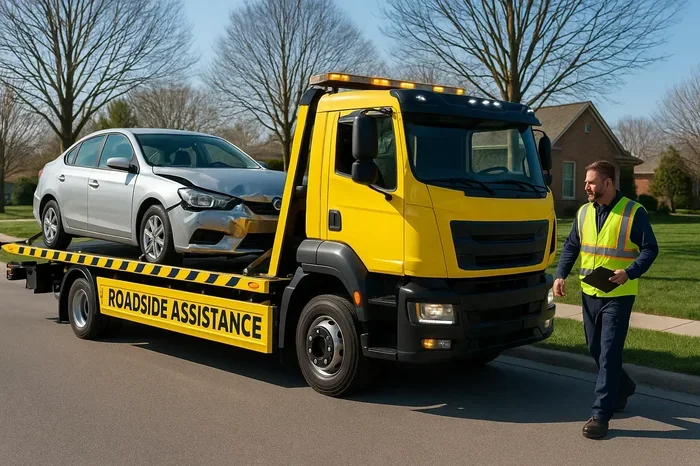
A flatbed tow truck is the gold standard for vehicle transport. The entire car sits on a flat platform that hydraulically tilts to load and unload the vehicle. This method causes the least amount of wear and tear on your car.
Flatbed towing rates typically range from $100 to $350 for local jobs. The higher cost reflects the specialized equipment and the extra effort required to safely load the vehicle. For luxury cars, classic automobiles, and vehicles with all-wheel drive, flatbed towing is strongly recommended.
Wheel Lift Tow Truck
A wheel lift truck uses a metal yoke to lift the front or rear wheels off the ground while the other wheels remain on the road. This is the most common type of tow truck you see on the roadside.
Wheel lift towing cost is generally lower than flatbed, ranging from $50 to $200 for local tows. This option works well for two-wheel-drive vehicles with rear-wheel lift. However, it is not suitable for AWD, 4WD, or luxury vehicles that require all wheels to stay off the ground.
Dolly Tow Truck
A dolly tow uses a small trailer that supports the front or rear wheels while the other set of wheels stays on the ground. This method falls between a wheel lift and a flatbed in terms of cost and safety.
Dolly towing rates typically range from $75 to $250 for local jobs. Dolly towing is a good middle-ground option for front-wheel-drive vehicles being towed long distances. However, it is not appropriate for AWD or 4WD vehicles without proper precautions.
Motorcycle Tow Truck
Motorcycle towing requires specialized equipment because bikes are lighter and more fragile than cars. A motorcycle trailer or flatbed with motorcycle ramps is used to safely transport the bike.
The cost for motorcycle towing ranges from $100 to $300 for local jobs. The price is slightly higher than a standard car tow because of the specialized handling and equipment involved.
How to Save Money on Towing
Nobody wants to pay more than necessary for truck towing services. The good news is there are several practical steps you can take to reduce your towing cost.
Check Your Insurance Coverage
Many car insurance policies include roadside assistance coverage as part of your plan. This often covers towing costs up to a certain dollar amount, usually $50 to $100 per incident. Before calling a towing company, check your policy or call your insurance provider.
Some credit cards also offer roadside rescue benefits. Premium credit cards from major issuers frequently include complimentary towing services. This can save you hundreds of dollars in unexpected towing fees.
Join a Roadside Assistance Membership
Organizations like AAA, Better World Club, and even some automakers offer membership plans that include free or discounted towing. A AAA Plus membership, for example, typically covers up to 100 miles of towing at no extra charge.
The annual membership fee is often less than a single tow would cost on its own. If you drive regularly, a roadside assistance membership is one of the smartest investments you can make.
Ask for the Price Before the Tow
Always ask the dispatcher for a total cost estimate before the tow truck arrives. Reputable companies will give you a clear breakdown of the base fee, mileage charges, and any additional service fees. If a company refuses to provide a price, consider calling a different provider.
Some towing companies also post their rates on their websites. Checking these rates ahead of time gives you a benchmark for what is fair and reasonable in your area.
Avoid After-Hours Calls When Possible
If your situation is not an emergency, wait until regular business hours to arrange a tow. 24 hour towing services charge premium rates during nights, weekends, and holidays. A simple delay of a few hours could save you $50 to $150 or more.
Of course, safety always comes first. If your car is in a dangerous location or blocking traffic, call for immediate emergency towing without hesitation.
Keep a Roadside Emergency Kit in Your Trunk
Prevention is the best way to avoid towing costs altogether. A basic roadside emergency kit should include jumper cables, a spare tire, a jack, a flashlight, and basic tools. A small tire inflator and a portable jump starter can also save you from needing a roadside rescue call.
Regular vehicle maintenance also reduces the chances of a breakdown. Checking your tire pressure, oil levels, and battery health on a routine basis keeps your car running smoothly and lowers the risk of needing vehicle recovery services.
How to Choose the Right Towing Company
Not all towing companies are created equal. Choosing the right provider ensures you get fair towing rates and reliable service when you need it most.
Look for Licensed and Insured Providers
Always verify that the towing company is properly licensed and insured. Licensed providers follow industry standards and are accountable for their service. Insurance protects you in case of damage during the truck towing process.
You can usually find licensing information on the company website or by calling their office directly. A reputable provider will not hesitate to share this information.
Read Reviews and Ask for Recommendations
Online reviews on Google, Yelp, and Better Business Bureau give you insight into the quality of service a towing company provides. Look for patterns in the reviews. Consistent complaints about hidden fees or rude drivers are red flags.
Ask friends, family, and coworkers for recommendations. Personal experiences with roadside assistance providers carry more weight than anonymous online reviews.
Compare Multiple Quotes
For non-emergency situations, take the time to call two or three towing companies and compare their rates. Ask about the base fee, the per-mile charge, and any surcharges for after-hours service or special equipment.
Price differences between providers can be significant. A few minutes on the phone could save you $50 or more on your towing cost.
Ask About Flat Rate Pricing
Some towing companies offer flat rate pricing for common routes and distances. This means you pay a set fee regardless of traffic or delays. Flat rate pricing provides transparency and protects you from surprise charges.
When getting quotes, ask whether the provider offers flat rate options. This is especially helpful for long distance towing where mileage and travel time can vary.
Common Mistakes People Make When Towing a Car
Avoiding these common mistakes can save you money and prevent headaches during an already stressful situation.
- Not asking for a price estimate upfront: This is the number one mistake drivers make. Always get a clear cost breakdown before the tow begins.
- Choosing the cheapest option without checking reviews: Extremely low prices can signal unlicensed or unreliable operators. Quality roadside assistance is worth paying for.
- Ignoring your insurance coverage: Many drivers do not realize their policy already includes towing benefits. Always check before paying out of pocket.
- Tow trucks with unmarked vehicles: Stick to recognizable, marked tow trucks from established towing companies. Unmarked vehicles may charge inflated rates.
- Forgetting to ask about additional fees: Hookup fees, dispatch fees, and mileage surcharges can add up quickly. Ask about every possible fee before agreeing to the service.
Key Takeaways
- Local tows typically cost $75 to $150: The base fee covers the first few miles, with additional charges for longer distances.
- Long distance towing ranges from $2 to $5 per mile: Cross-country vehicle recovery can cost $500 or more depending on the route.
- After-hours and emergency calls cost more: 24 hour towing surcharges can add $50 to $150 to your final bill.
- Flatbed towing is the safest but most expensive option: It is essential for AWD, 4WD, and luxury vehicles.
- Insurance and memberships can cover towing costs: Check your car insurance policy and roadside assistance plans before calling a provider.
- Always get multiple quotes for non-emergency tows: Comparing towing rates from different providers can save you significant money.
Conclusion
So, how much does it cost to tow a car? The answer depends on many factors, but most local towing jobs fall between $75 and $300, while long distance towing can range from $200 to over $1,000. The key is to understand the variables that drive towing cost, so you are never caught off guard by an inflated bill.
By checking your insurance coverage, joining a roadside assistance program, and choosing a reputable towing company, you can significantly reduce what you pay for roadside assistance. Preparation and knowledge are your best defenses against unexpected towing expenses.
The next time your car breaks down, you will know exactly what to expect. You will ask the right questions, avoid common pitfalls, and get fair towing rates for the service you need. Stay calm, stay informed, and remember that help is always just a phone call away.
Frequently Asked Questions
What is the average cost to tow a car locally?
The average cost for local towing ranges from $75 to $150 for a standard passenger vehicle. This usually covers the first 5 to 10 miles, with additional charges for extra mileage. The exact towing fee depends on your location, the time of day, and the type of vehicle being towed.
Does car insurance cover towing costs?
Many car insurance policies include roadside assistance coverage that pays for towing up to a certain limit, usually $50 to $100 per incident. Some premium policies and credit cards offer even more generous towing benefits. Always check your specific policy before calling a towing company to see if you are already covered.
Why does after-hours towing cost more?
24 hour towing services charge higher rates during nights, weekends, and holidays because drivers work overtime and sacrifice personal time. After-hours surcharges typically range from $50 to $150 on top of the standard towing rates. Emergency situations always warrant immediate service regardless of the cost difference.
What is the difference between a flatbed and a wheel lift tow truck?
A flatbed tow truck lifts the entire vehicle onto a flat platform, keeping all four wheels off the ground. This is the safest option for AWD, 4WD, and luxury vehicles. A wheel lift truck raises only the front or rear wheels while the other set stays on the ground. Flatbed towing generally costs more but provides better protection for your car.
How much does long distance towing cost per mile?
Long distance towing typically costs between $2 and $5 per mile, plus a base fee. For example, towing a car 100 miles might cost $200 to $500 total. The exact towing price per mile depends on the distance, the type of vehicle, and the towing company you choose. Always get multiple quotes for long hauls.
Can I negotiate towing costs with a towing company?
While some towing companies have set rates, it never hurts to ask about discounts or flat rate options. Membership programs like AAA often negotiate lower rates with partner providers. If you feel the quoted towing fees are unreasonable, you can politely ask for a breakdown or call another provider for a comparison. Transparency is key when dealing with truck towing services.