How to Maintain Waxing a Car for Lasting Protection
Waxing a car is one of the best ways to protect your vehicle’s paint and keep it looking great. This guide covers everything you need to know about maintaining wax for long-lasting shine and protection. You will learn the best waxing frequency, top products, common mistakes, and expert tips that make the process easy and effective.
Your car takes a beating every single day. Sunlight, rain, road salt, bird droppings, and tree sap all attack the paint. Waxing a car creates a protective shield that guards against these elements. But here is the thing most people miss. Wax does not last forever. It wears off. That is why maintaining your wax matters so much.
If you want your car to look showroom-ready for years, you need a solid wax maintenance routine. This guide walks you through everything. From choosing the right product to knowing when to reapply. We will also cover the mistakes that ruin your wax job faster than anything else. By the end, you will have a clear game plan to keep your car protected and shining.
Key Takeaways
- Wax every 2-3 months to maintain consistent paint protection against UV rays and environmental damage.
- Hand waxing gives the best results, but spray wax is great for quick touch-ups between full applications.
- Always wash and decontaminate the surface before applying wax for maximum adhesion and durability.
- Carnauba wax offers a deep, warm shine, while synthetic paint sealants last longer on the surface.
- Avoid waxing in direct sunlight or on hot surfaces, as this causes the wax to dry too quickly and leave streaks.
- Use a clay bar before waxing to remove embedded contaminants that reduce wax effectiveness.
- Buff with a clean microfiber towel for a flawless finish without swirl marks or residue.
📑 Table of Contents
- Why Maintaining Wax on Your Car Matters
- How Often Should You Wax Your Car
- Best Products for Maintaining Wax Protection
- Step-by-Step Guide to Maintaining Wax on Your Car
- Common Mistakes That Ruin Your Wax Job
- Expert Tips for Extending Wax Protection
- When Should You Strip Old Wax and Start Fresh
- Conclusion
Why Maintaining Wax on Your Car Matters
Some car owners wax once and forget about it for a year. That is a big mistake. Wax breaks down over time. Sunlight breaks it down. Rain washes it away. Even normal driving wears it off. Maintaining your car wax ensures your paint stays protected around the clock.
Think of wax like sunscreen for your car. Just as you reapply sunscreen throughout the day, you need to reapply wax regularly. The paint protection layer blocks harmful UV rays that cause fading and oxidation. It also creates a hydrophobic surface that repels water and makes car washing easier.
What Happens When Wax Wears Off
Once your wax layer thins out, your car becomes vulnerable. Here is what you can expect without proper wax maintenance:
- Oxidation sets in faster. The clear coat loses its luster and starts looking dull.
- Swirl marks become more visible. Without a smooth wax layer, every tiny scratch shows up.
- Water spots leave permanent marks. Minerals in water etch into unprotected paint.
- Paint becomes brittle. UV damage accelerates without a protective barrier.
- Bird droppings and tree sap cause more damage. These substances eat into bare paint quickly.
Keeping a fresh wax layer prevents all of this. It is not just about looks. It is about preserving your car’s value and finish for the long haul.
How Often Should You Wax Your Car
The waxing frequency depends on several factors. Where you live, how often you drive, and what type of wax you use all matter. Most experts recommend waxing a car every two to three months for optimal protection.
Factors That Affect Wax Durability
Not all wax jobs last the same amount of time. Here are the key factors that determine how long your paint protection holds up:
- Climate: Cars in hot, sunny climates lose wax faster. Constant UV exposure breaks down the wax layer quickly.
- Driving conditions: If you park outside or drive on salty roads, your wax wears off faster.
- Type of wax: Carnauba wax looks amazing but typically lasts 6 to 8 weeks. Synthetic sealants can last 3 to 6 months.
- Application quality: A thin or uneven wax layer wears off much faster than a properly applied one.
- Washing habits: Frequent car washing, especially with harsh methods, strips wax away.
A good rule of thumb is to check your wax every month. Do the water beading test. Spray your car with water and watch how it beads. If the water spreads out and does not bead, it is time to reapply car wax.
Best Products for Maintaining Wax Protection
Not all wax products are created equal. Choosing the right one makes a huge difference in how long your wax protection lasts and how your car looks. Let us break down the main options.
Carnauba Wax
Carnauba wax is the gold standard for car enthusiasts. It comes from a Brazilian palm tree and creates the deepest, warmest shine you can get on a car. It bonds beautifully with the clear coat and gives your paint a rich, glossy look.
However, carnauba wax does not last as long as synthetic options. You will need to reapply it more often, usually every 6 to 8 weeks. It is also slightly harder to apply evenly, but the results are worth the effort.
Synthetic Paint Sealants
Synthetic paint sealants are made in a lab. They are designed to last longer than traditional wax. Many sealants provide protection for 3 to 6 months. They create a hard, durable barrier that resists environmental damage.
The tradeoff is that sealants do not give the same deep, warm glow that carnauba wax does. Some car owners use a hybrid approach. They apply a sealant first for durability and then top it with a layer of carnauba wax for the best of both worlds.
Spray Wax for Quick Maintenance
Spray wax is your best friend for quick touch-ups. It is not meant to replace a full wax job, but it extends the life of your existing wax between applications. You can spray it on after a car wash to refresh the protection layer.
Spray wax is also perfect for when you need a fast shine before heading out. Keep a bottle in your garage and use it whenever your car looks a little dull. It takes less than five minutes and makes a noticeable difference.
Comparison Table: Wax vs. Sealant vs. Hybrid
| Product Type | Durability | Shine Level | Ease of Application | Best For |
|---|---|---|---|---|
| Carnauba Wax | 6-8 weeks | Deep, warm glow | Moderate | Enthusiasts who want maximum shine |
| Synthetic Sealant | 3-6 months | Slick, glossy finish | Easy | Long-lasting protection with less effort |
| Hybrid Products | 2-4 months | Rich shine with good durability | Easy | Balanced protection and aesthetics |
| Spray Wax | 1-2 weeks | Light, quick shine | Very easy | Touch-ups between full applications |
Step-by-Step Guide to Maintaining Wax on Your Car
Maintaining wax protection is not just about applying more wax. It involves proper preparation, smart application, and smart aftercare. Follow these steps to get the longest-lasting results from every wax job.
Step 1: Wash Your Car Thoroughly
Before you apply any wax, your car needs to be perfectly clean. Dirt and grime stuck to the surface will get trapped under the wax and cause scratches. Use a pH-neutral car wash soap and a soft microfiber mitt. Wash from top to bottom and rinse thoroughly.
Pro tip: Use the two-bucket method. One bucket for soapy water and one for rinsing your mitt. This prevents you from dragging dirt back across the paint and creating swirl marks.
Step 2: Decontaminate the Surface
Even after washing, tiny contaminants can cling to the paint. These include iron particles, tar spots, and overspray from the road. Use a clay bar or a clay mitt with a lubricant to lift these particles away. This step is essential for wax adhesion.
After claying, feel the paint with your hand. It should feel incredibly smooth. If it still feels rough, repeat the process or use a polishing compound to remove any remaining defects.
Step 3: Polish if Needed
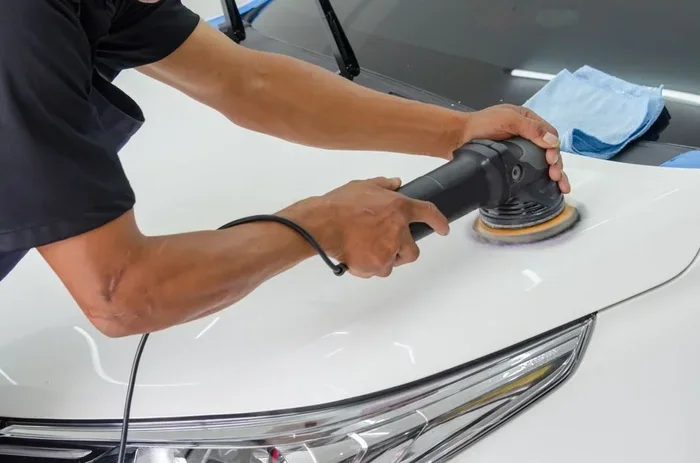
If your car has light swirl marks or minor scratches, now is the time to correct them. Apply a polishing compound with a foam pad and a dual-action buffer. Work in small sections and wipe away residue with a clean microfiber towel.
Polishing is not always necessary. If your paint is in good condition, you can skip this step and move directly to wax application.
Step 4: Apply Wax Evenly
Now comes the fun part. Apply your chosen car wax in thin, even layers. Use an applicator pad and work in small sections, about 2×2 feet at a time. Use gentle, overlapping motions and avoid pressing too hard.
Let the wax haze over according to the product instructions. This usually takes 10 to 20 minutes depending on the temperature and humidity. Then buff off the residue with a clean, plush microfiber towel.
Step 5: Let It Cure
After buffing, give the wax time to cure. Most waxes need at least 12 to 24 hours to fully harden and bond with the paint. Avoid washing or driving the car during this time. Once cured, your paint protection layer is at its strongest.
Common Mistakes That Ruin Your Wax Job
Even experienced car owners make mistakes that shorten the life of their wax protection. Knowing what to avoid is just as important as knowing what to do.
Waxing in Direct Sunlight
This is the number one mistake people make. Waxing a car in direct sunlight causes the product to dry too fast. It does not bond properly with the paint and leaves a chalky, streaky residue. Always wax in a shaded area or in a garage. If that is not possible, choose a cool, cloudy day.
Applying Wax on a Hot Surface
Similarly, applying wax to a hot car causes it to cure unevenly. The paint expands in heat, and the wax does not settle into the pores of the clear coat the way it should. Always let your car cool down completely before you start waxing.
Using Too Much Wax
More wax does not mean better protection. In fact, applying too much wax creates a thick layer that is hard to buff off properly. It can leave behind a hazy film and attract dirt faster. Use a thin, even layer and build up protection with multiple light applications rather than one heavy one.
Skipping the Prep Work
Jumping straight to waxing without washing and claying is a waste of time and product. The wax will not adhere properly to a dirty surface. It peels off faster and leaves your paint vulnerable. Always take the time to prep the surface before you apply car wax.
Using the Wrong Towels
Regular towels or old rags can scratch your paint and leave lint behind. Always use high-quality microfiber towels for both application and buffing. They are soft, lint-free, and gentle on your car’s finish. A good set of microfiber towels is one of the best investments you can make for car detailing.
Expert Tips for Extending Wax Protection
Want your wax job to last as long as possible? These expert tips will help you squeeze every bit of life out of your paint protection.
- Use a spray wax after every car wash. It refreshes the wax layer and adds a little extra protection without much effort.
- Park in a garage or under a carport whenever possible. Sun and weather are the biggest enemies of wax.
- Avoid automatic car washes with brushes. The rotating brushes strip wax away and create micro-scratches. Use touchless washes or hand wash instead.
- Apply a quick detailer spray between wax jobs. These sprays contain light cleaning agents and polymers that boost your existing wax layer.
- Use a ceramic coating as a base layer. Ceramic coatings bond with the paint at a molecular level and provide a foundation that makes wax last longer on top.
- Keep your car clean. Dirt and contaminants eat through wax faster than anything else. Regular washing preserves your wax protection significantly.
Quick Tips for Busy Car Owners
Not everyone has hours to spend on car detailing. Here are some quick tips for those with a busy schedule:
- Keep a spray wax bottle in your garage for a 5-minute refresh after every wash.
- Use a rinse-less wash product for light cleaning between full washes.
- Invest in a ceramic coating that lasts 6 to 12 months and reduces the need for frequent waxing.
- Set a calendar reminder every 8 weeks to check your wax condition and reapply if needed.
- Dry your car with a microfiber towel after every wash to prevent water spots that damage the wax layer.
When Should You Strip Old Wax and Start Fresh
Sometimes you need to remove all the old wax and start over. This happens when wax builds up, becomes sticky, or no longer repels water effectively. A wax remover or an isopropyl alcohol solution can strip away old layers and give you a clean slate.
Signs that you need to strip and reapply include water no longer beading, the paint looking dull despite recent waxing, or visible wax residue that will not buff off. Once you strip the old wax, follow the full preparation process again and apply a fresh layer of car wax for maximum protection.
Conclusion
Waxing a car is one of the simplest and most effective ways to protect your vehicle’s paint and keep it looking fantastic. But the real secret is in the maintenance. Regular reapplication, proper prep work, and smart aftercare all contribute to a lasting wax job that keeps your car protected for months at a time.
Follow the steps in this guide and avoid the common mistakes that shorten wax life. Use the right products for your needs and make wax maintenance part of your regular car care routine. Your car will thank you with a deep, beautiful shine and long-lasting paint protection that turns heads wherever you go.
Start today. Grab your favorite wax, wash your car, and give it the protection it deserves. A little effort now saves you time and money down the road.
Frequently Asked Questions
How long does wax last on a car?
Most carnauba waxes last between 6 and 8 weeks, while synthetic sealants can last 3 to 6 months. The duration depends on your climate, driving conditions, and how well you maintain the wax layer between applications.
Can I wax my car in the rain?
It is not ideal. Rain adds moisture to the surface, which prevents wax from bonding properly. Wait for a dry day and make sure the car is completely dry before you start the waxing process.
Is hand waxing better than using a machine?
Hand waxing gives you more control and is gentler on the paint. However, using a dual-action buffer can make the application faster and more even. Both methods work well when done correctly.
How do I know when my wax is wearing off?
The water beading test is the easiest way. Spray water on your car. If the water forms tight beads, your wax is still effective. If the water spreads out and does not bead, it is time to reapply.
Should I wax my car before or after a ceramic coating?
Ceramic coatings replace the need for traditional wax in most cases. However, if you do use wax on top of a ceramic coating, it provides a sacrificial layer that you can replace without disturbing the coating underneath.
What is the best time of day to wax a car?
Early morning or late afternoon is best. The temperature is cooler, the sun is less intense, and the surface is not hot to the touch. These conditions allow the wax to cure evenly and bond properly with the paint.