How to Pull an Automatic Bakkie With These Simple Steps
Knowing how to pull an automatic bakkie the right way can save you time, money, and a lot of stress on the road. Whether your vehicle broke down or you need to move it to a safer spot, pulling an automatic bakkie requires the correct gear settings, proper equipment, and a few safety precautions. This guide walks you through every step in plain, simple language so anyone can follow along. You will learn what equipment you need, the exact steps to take, and the common mistakes to avoid. Let us get your bakkie moving safely.
There is nothing quite like the panic that hits when your bakkie refuses to start and you have somewhere to be. Maybe the battery died, the engine stalled, or something else went wrong entirely. Whatever the reason, the question on your mind is probably the same: how do you pull an automatic bakkie? The good news is that it is not as complicated as most people think. With the right knowledge and a little preparation, you can get your vehicle moving again or tow it to safety without breaking a sweat. In this guide, we will walk you through every single step so you feel confident and prepared.
Pulling an automatic bakkie is different from towing a manual vehicle. The automatic gearbox has specific rules you must follow to avoid costly damage. If you ignore these rules, you could end up with a blown gearbox or other expensive repairs. That is exactly why we put this guide together. We want to give you clear, practical advice that works every time. Whether you are a beginner or just need a refresher, you will find everything you need right here.
Key Takeaways
- Always put the gear selector in neutral: This protects your automatic gearbox from damage while being towed.
- Use the right towing equipment: A quality tow rope, tow bar, or flat trailer makes the job safer and easier.
- Follow speed and distance limits: Keep tow speeds under 50 km/h and limit flat towing distance to avoid wear.
- Check your towing capacity first: Every bakkie has a maximum towing weight listed in the owner manual.
- Avoid common mistakes like leaving the ignition off: This can lock the steering and make towing dangerous.
- Know when to call a professional: If you are unsure or the situation feels unsafe, a tow truck is always a smart choice.
📑 Table of Contents
Understanding What It Means to Pull an Automatic Bakkie
Before we dive into the steps, let us talk about what pulling an automatic bakkie actually means. When we say pull, we are talking about towing or moving your bakkie using another vehicle or equipment. This could mean using a tow rope, a tow bar, or even flat towing behind a larger vehicle. The goal is to move the bakkie from one place to another without starting the engine.
The tricky part with an automatic gearbox is that the internal components rely on fluid pressure to operate correctly. When the engine is off and the wheels are turning, those components can still move. If the gear selector is in the wrong position, you risk damaging the transmission. This is why knowing the correct procedure matters so much. A small mistake can lead to a big repair bill.
Why Automatic Bakkies Need Special Care
Automatic transmissions use a complex system of gears, clutches, and fluid channels to shift smoothly. Unlike a manual gearbox where you physically engage the gears, an automatic relies on hydraulic pressure. When the engine is not running, there is no pump to circulate the fluid properly. This means the internal parts are not fully lubricated during a tow.
To reduce the risk of damage, you need to put the vehicle in neutral. This disengages the gears inside the gearbox and allows the wheels to turn freely without stressing the internal components. Some modern bakkies also have a specific towing mode or a release mechanism for the steering lock. Always check your owner manual for manufacturer-specific guidelines before towing.
Safety Precautions Before You Start Towing
Safety should always come first when you are dealing with towing. Before you even think about hooking up a tow rope, take a moment to assess the situation. Is the road clear? Is the other vehicle ready? Are both drivers on the same page? These are the kinds of questions you should ask yourself every single time.
Here are the key safety steps to follow before pulling your automatic bakkie:
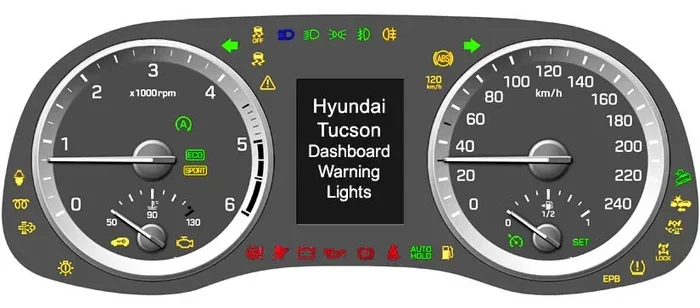
- Turn on the ignition: This releases the steering lock so you can steer the bakkie while it is being towed. The dashboard warning lights should come on, which tells you the electrical system is active.
- Check the gear selector: Make sure it is in neutral. This is the single most important step when learning how to pull an automatic bakkie.
- Apply the brake pedal: Hold the brake pedal down while shifting into neutral. This prevents the bakkie from lurching forward or backward during the gear change.
- Engage the parking brake on the tow vehicle: This gives the driver of the tow vehicle more control during the start of the tow.
- Attach safety chains: Always use safety chains as a backup in case the tow rope or tow bar fails.
Assess the Towing Environment
Take a look at where you are towing. Is the road straight or winding? Is it uphill or downhill? Short, straight distances are much safer than long, hilly ones. If you are on a highway, consider whether it is safer to wait for a professional tow truck instead. Your personal safety and the safety of other road users always comes first.
Step-by-Step Guide to Pulling an Automatic Bakkie
Now that you understand the basics and have checked your safety precautions, it is time to walk through the actual process. Follow these steps carefully and you will have your bakkie moving in no time.
Step 1: Gather Your Equipment
Before you start, make sure you have everything you need. You will need a tow rope or tow bar, both vehicles in working condition, and a clear understanding of each vehicle’s towing capacity. If you are using a tow rope, make sure it is rated for the weight of your bakkie. A cheap, thin rope can snap under tension and cause serious damage.
Step 2: Position the Vehicles
Park the tow vehicle behind the broken bakkie. Leave about 3 to 4 metres of space between them. Both vehicles should be on level ground if possible. If you are on a slope, turn the wheels of the bakkie toward the curb as an extra safety measure.
Step 3: Connect the Tow Rope or Tow Bar
Attach the tow rope to the designated towing points on both vehicles. These points are usually found on the front and rear bumpers. If you are using a tow bar, follow the manufacturer’s instructions for attachment. Make sure the connection is secure and there is no slack in the rope.
Step 4: Set the Gear Selector to Neutral
This is the most critical step. In the broken bakkie, press the brake pedal and move the gear selector to neutral. You should feel it click into place. Double-check this before you begin towing. If the gear selector is even slightly off, you risk damaging the automatic gearbox.
Step 5: Start the Tow
The driver of the tow vehicle should start moving slowly. Begin at walking pace and gradually increase speed. The driver of the bakkie should keep the steering wheel steady and use gentle braking if needed. Communication between the two drivers is essential, so agree on hand signals before you start.
Step 6: Monitor the Bakkie During the Tow
While being towed, keep an eye on the dashboard. Are the warning lights working? Is the steering responsive? If anything feels off, signal the tow vehicle to stop. It is better to pause and check than to risk an accident on the road.
Step 7: Stop Safely
When you reach your destination, signal the tow vehicle to stop. Apply the brake pedal gently in the bakkie. Once stopped, engage the parking brake and turn the gear selector back to park. Disconnect the tow rope or tow bar carefully and store your equipment properly.
Essential Equipment for Towing an Automatic Bakkie
Having the right equipment makes the whole process smoother and safer. Here is a rundown of what you should have on hand whenever you are planning to tow an automatic bakkie.
- Tow rope: Choose a rope that is rated for at least the weight of your bakkie. A good quality tow rope should be thick, durable, and have reinforced ends.
- Tow bar: A tow bar provides a more stable connection than a rope. It is especially useful for longer tows or when towing on highways.
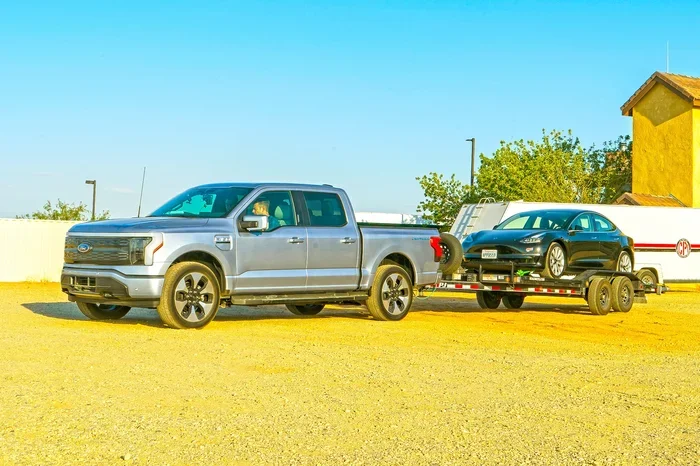
- Wheel dollies or tow dolly: These lift the driven wheels off the ground, which is ideal for flat towing an automatic bakkie over longer distances.
- Safety chains: Always use these as a backup. They prevent the bakkie from detaching if the primary connection fails.
- Reflective triangles and warning lights: Make sure your bakkie is visible to other drivers, especially if the tail lights are not working.
How to Choose the Right Tow Rope
Not all tow ropes are created equal. When shopping for a tow rope, look for one with a high breaking strength rating. The rope should be long enough to give the tow vehicle adequate reaction time but not so long that it causes jerky movements. A length of 4 to 6 metres is usually ideal for most situations. Avoid ropes that are frayed, faded, or show signs of wear and tear.
Common Mistakes to Avoid When Towing
Even experienced drivers make mistakes when towing. Being aware of these common errors can save you from costly repairs and dangerous situations.
- Forgetting to turn the ignition on: This locks the steering column and makes the bakkie impossible to steer while being towed. Always turn the key to the accessory or on position.
- Leaving the gear selector in drive: This is the most damaging mistake you can make. Towing an automatic bakkie in drive will cause serious internal damage to the gearbox.
- Ignoring the towing capacity: Every bakkie has a maximum towing weight. Exceeding this limit puts strain on the engine, brakes, and frame.
- Using a damaged tow rope: A worn-out rope can snap under load. Always inspect your equipment before every tow.
- Not checking the transmission fluid: If your bakkie has been sitting for a while, low or old transmission fluid can cause problems when you try to tow it.
- Towing on steep hills without experience: Hills add extra stress to both vehicles. Stick to flat, straight roads if you are new to towing.
The Steering Lock Problem
One issue that catches many people off guard is the steering lock. When the ignition is off, the steering column locks in place. If you try to tow the bakkie with the ignition off, the wheels cannot turn, which can damage the steering mechanism. Always make sure the ignition is on before towing an automatic bakkie. The dashboard lights should be visible, confirming that the electrical system is active.
Keeping Your Automatic Bakkie in Good Shape
Prevention is always better than cure. Regular maintenance of your automatic bakkie can help you avoid situations where you need to pull it in the first place. Here are a few tips to keep your vehicle running smoothly.
- Check your transmission fluid regularly: Old or low fluid is one of the leading causes of automatic gearbox problems. Replace it according to your owner manual schedule.
- Listen for unusual sounds: Grinding, whining, or slipping gears are all signs that something is wrong with your automatic transmission.
- Watch your odometer reading: Follow the recommended service intervals based on your mileage. Regular servicing catches small problems before they become big ones.
- Keep your battery maintained: A healthy battery reduces the chances of being stranded with a bakkie that will not start.
- Inspect your tow equipment often: A tow rope, tow bar, and safety chains should all be checked for wear and tear at least once a month.
When to Seek Professional Help
There are times when pulling an automatic bakkie yourself is not the best idea. If the bakkie is severely damaged, if you are on a busy highway, or if the weather conditions are poor, it is always safer to call a professional tow service. Professional tow truck operators have the right equipment, training, and experience to handle difficult situations safely. There is no shame in asking for help, and it could save you from a much bigger headache down the road.
Learning how to pull an automatic bakkie is a valuable skill that every bakkie owner should have. It gives you confidence, saves you money, and keeps you prepared for unexpected situations on the road. Just remember to always put safety first, follow the correct gear settings, and use the right equipment. With the steps outlined in this guide, you are well equipped to handle most towing situations calmly and effectively. Keep this information handy, share it with fellow bakkie owners, and never feel stuck again.
Frequently Asked Questions
Can I tow an automatic bakkie with all four wheels on the ground?
It depends on your bakkie model. Some automatic bakkies can be flat towed with all four wheels on the ground, but others cannot. Always check your owner manual for the manufacturer’s towing guidelines. Using wheel dollies or a tow dolly is the safest option if you are unsure.
What happens if I tow an automatic bakkie in gear instead of neutral?
Towing an automatic bakkie in gear can cause severe internal damage to the transmission. The gears and clutch packs will spin without proper lubrication, leading to overheating and costly repairs. Always double check that the gear selector is in neutral before towing.
How fast can I tow an automatic bakkie?
Keep your tow speed under 50 km/h for short distances. Higher speeds increase the stress on the transmission and reduce your ability to react to road conditions. For longer tows, it is best to use a flat trailer or call a professional tow truck.
Do I need to turn the ignition on when towing an automatic bakkie?
Yes, you must turn the ignition to the on position. This releases the steering lock and activates the dashboard warning lights. Without the ignition on, you will not be able to steer the bakkie, which is extremely dangerous during a tow.
What is the difference between a tow rope and a tow bar?
A tow rope is a flexible cable that connects two vehicles, while a tow bar is a rigid metal bar that provides a more stable connection. Tow bars are generally safer and more controlled, especially for longer tows. Tow ropes are better for short, low-speed pulls in emergency situations.
How often should I check my towing equipment?
Inspect your tow rope, tow bar, and safety chains at least once a month. Look for fraying, rust, or any signs of wear. Replace any damaged equipment immediately. Well-maintained towing gear is essential for a safe and successful tow every time.