Learn How to Read a Mazda 3 2L Transmission Dip Stick
Learning how to read a Mazda 3 2L transmission dip stick is essential for keeping your car running smoothly. This guide walks you through the simple steps to check your transmission fluid level and condition. You will quickly master the process and avoid costly repairs by following our easy tips.
Key Takeaways
- Always check on a level surface: This ensures an accurate reading of your Mazda 3 2L transmission dip stick.
- Warm up the engine first: Transmission fluid expands when hot, giving you the true operating level.
- Look at the fluid color: Healthy fluid is red and clear, while dark fluid means it is time for a change.
- Locate the correct dipstick: The transmission dipstick is often separate from the engine oil dipstick.
- Wipe and reinsert the stick: This double-dip method guarantees an exact fluid measurement.
- Consult your owner’s manual: Every Mazda 3 model has specific requirements for fluid type and check procedure.
📑 Table of Contents
- Why Checking Your Mazda 3 2L Transmission Dip Stick Matters
- Locating the Dipstick on Your Mazda 3 2L
- Step-by-Step Guide to Reading the Dipstick
- Understanding Transmission Fluid Levels and Condition
- Common Mistakes When Using the Mazda 3 2L Transmission Dip Stick
- When to Seek Professional Help for Your Transmission
Why Checking Your Mazda 3 2L Transmission Dip Stick Matters
Keeping your car running smoothly starts with simple habits. One of the most important habits is checking your transmission fluid. The transmission is the heart of your gear shifting system. If you own a Mazda 3 with a 2L engine, you know how important it is to keep everything running right. Learning how to read a Mazda 3 2L transmission dip stick is a skill every owner should have. Many drivers skip this step. They do not realize it can save them from big repairs later. The transmission moves power from the engine to the wheels. It uses special fluid to stay cool and slippery. Without enough fluid, your gears will grind. Too little fluid means trouble. Too much fluid can also cause problems. Foam can build up inside the transmission pan. This foam stops the fluid from doing its job. By learning how to check the fluid, you take control of your car. You become a smarter car owner. You will spot problems before they get worse. This simple habit keeps your Mazda 3 driving smooth for years. It also helps you understand your vehicle better. You will know exactly what is going on under the hood. Do not wait for a warning light. Be proactive today.
The 2L engine in the Mazda 3 is a reliable unit. It provides excellent fuel economy for daily driving. But like any engine, it needs proper maintenance. The 2L engine works closely with the transmission. They share the same cooling system and fluid pathways. If the transmission fluid is low, the engine might overheat. If the engine overheats, the transmission suffers too. It is a two-way street. By checking the Mazda 3 2L transmission dip stick, you protect both the engine and the transmission. You ensure the powertrain works as a team. This simple check takes almost no time. It requires no special skills. Anyone can learn to do it. Make it a part of your regular service interval. Most drivers check their engine oil. But the transmission fluid is just as important. It keeps the powertrain healthy. A well-maintained transmission lasts longer. It saves you from expensive repairs. Think of the dipstick as your early warning system. It tells you when the fluid is low or dirty. Listen to what the dipstick is telling you.
Locating the Dipstick on Your Mazda 3 2L
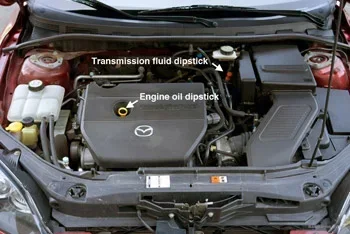
Finding the right stick can be tricky. When you open the hood of your Mazda 3, you see many things. There is the engine oil dipstick. There are also many hoses and cables. The Mazda 3 2L transmission dip stick is usually located near the back of the engine bay. In a 2L engine, it sits close to the firewall. The firewall is the metal wall between the engine and the cabin. The transmission dipstick handle is often yellow or red. This color helps you tell it apart from the oil stick. The oil stick is usually yellow or has a bright handle. You need to pull the right one. If you pull the wrong stick, you will get the wrong reading. Always look for the transmission symbol on the handle. Sometimes it looks like a gear. If you cannot find it, check your owner’s manual. The manual has a diagram of the engine bay. It will show you exactly where the dipstick tube sits. The dipstick tube goes into the transmission pan. The transmission pan holds the fluid. Make sure the car is on a flat surface. This makes the location process much easier. Take your time and look carefully.
Quick Tips for Finding the Stick
- Look for a red or yellow handle near the back of the engine.
- Use a flashlight to see into the dark engine bay.
- Remember that the transmission dipstick is often longer than the oil dipstick.
- Consult the owner’s manual if you are unsure about the location.
Step-by-Step Guide to Reading the Dipstick
Now let us get into the steps. Reading the Mazda 3 2L transmission dip stick is simple when you know how. First, you must warm up the engine. Drive your car around the block for a few minutes. A warm engine gives the most accurate reading. The fluid expands when it is hot. This lets you see the true transmission level. When you return to a flat spot, turn off the engine. Wait a few seconds for the fluid to settle. Then, open the hood and find the dipstick. Pull the stick out completely. Use a clean rag or paper towel. Wipe the fluid off the stick. Look closely at the stick itself. You will see two marks on the dipstick. These marks are the full and low lines. Sometimes they are holes. Sometimes they are words like Full and Add. Once you wipe it, put the stick all the way back in. Push it down firmly. Now pull it out again. This is the real reading. Look at where the fluid touches the stick. Is it between the two marks? Great! That means your fluid level is perfect. If it is below the low mark, you need to add more fluid. If it is above the full mark, you have too much fluid. Always add fluid a little bit at a time. You can always add more, but you cannot easily take it out.
Quick Tips for Accurate Readings
- Always park on a level surface before checking the fluid.
- Shift through all gears before checking to circulate the fluid.
- Wipe the stick completely before the second insertion.
- Add fluid in small increments to avoid overfilling.
What If the Engine Is Cold?
Some people ask if they can check the fluid when the engine is cold. You can, but the reading might not be right. When the engine is cold, the fluid is thick. It does not fill the transmission pan completely. This can make the level look low. It is always best to check with a warm engine. If you must check it cold, let the car idle for a few minutes first. This warms the fluid just a little bit. The Mazda 3 2L transmission dip stick needs the fluid to be at normal operating temperature. This gives you the best information about your fluid level. A cold check can lead you to add too much fluid. Do not make that mistake.
Understanding Transmission Fluid Levels and Condition
Level is only half the battle. You also need to look at the fluid condition. Healthy transmission fluid tells a story. It tells you how well the inside of the transmission is working. When you wipe the Mazda 3 2L transmission dip stick, look at the color. New fluid is usually bright red. It looks almost like cherry syrup. It also feels slick and smooth. If the fluid is dark brown, that is okay. It just means the fluid is getting older. It has been doing its job for a while. But if the fluid is black, that is a warning sign. Black fluid means it is burned. Burnt fluid smells bad. It has a sharp, burnt toast smell. This smell means the transmission is overheating. The gear ratios inside are creating too much friction. You should change the fluid right away. Also, look for particles or grit. Clean fluid should look clean. If you see metal shavings, stop driving. Take the car to a mechanic. Metal in the fluid means internal parts are wearing out. The transmission pan might have debris inside. Checking the fluid condition is just as important as checking the level.
What the Color of Your Fluid Means
- Bright Red: The fluid is new and healthy.
- Dark Red or Brown: The fluid is aging and needs a change soon.
- Black: The fluid is burned and the transmission is overheating.
- Gritty Texture: There is dirt or metal in the fluid. Stop driving immediately.
Common Mistakes When Using the Mazda 3 2L Transmission Dip Stick
Many people make simple mistakes when checking the fluid. One common mistake is checking the fluid right after driving hard. The fluid is too hot and too bubbly. The air bubbles make the level look lower than it is. Wait until the engine cools down a bit. Another mistake is not holding the stick straight. When you pull the stick out, hold it level. If you tilt it, the fluid will move to one side. This gives a false reading. Some owners forget to put the car in Park. The transmission must be in Park for an accurate check. If you are in Neutral, the fluid will not fill the tube correctly. You might think the level is low when it is not. Do not overfill the transmission. People sometimes add too much fluid. Too much fluid causes the fluid to foam. Foamed fluid cannot lubricate the gears properly. It also causes the transmission to push fluid out of the dipstick tube. This makes a mess under your hood. Always add fluid in small amounts. Check the level after each addition. It is easy to add too much. Another mistake is ignoring the transmission fluid change interval. The fluid does not last forever. It breaks down over time and miles. Changing the fluid keeps the transmission healthy. Do not wait until the fluid is black to change it. Stay ahead of the problem.
Common Mistakes to Avoid
- Checking the fluid on a slope instead of a flat surface.
- Adding the wrong type of transmission fluid to your 2L engine.
- Forgetting to wipe the stick before the second reading.
- Overfilling the transmission, which causes foaming and leaks.
- Ignoring the fluid change interval and letting old fluid damage the transmission.
When to Seek Professional Help for Your Transmission
Checking the Mazda 3 2L transmission dip stick is a DIY task. But there are times when you need a professional. If you add fluid and the level drops quickly, you have a leak. Transmission leaks are serious. They usually come from the transmission pan gasket. They can also come from the seals around the driveshaft. A leak will leave red fluid under your car. If you see this, get it fixed fast. Driving with low fluid destroys the transmission. You might also hear strange noises. A whining noise when you shift gears is a red flag. Clunking noises are also bad. These sounds mean the internal parts are damaged. The gear ratios are not engaging properly. If the check engine light comes on, do not ignore it. A mechanic can plug a scanner into the car. The scanner reads the error codes. These codes tell you exactly what is wrong with the transmission. Sometimes the dipstick itself is stuck. The tube might be clogged with old fluid. If the stick will not move, do not force it. A mechanic has special tools to read the transmission fluid pressure too. They can also do a transmission fluid flush. A flush replaces all the old fluid. This is better than just draining the pan. Keep your Mazda 3 in top shape. Know when to call for help.
If you have a manual transmission, the process is slightly different. Some manual transmissions do not have a dipstick at all. They use a fill plug on the side of the gearbox. But the automatic transmission models always have a dipstick. The automatic transmission relies on the fluid to shift gears smoothly. If you hear grinding or slipping, the fluid might be the issue. Or the internal clutch packs might be worn. A professional mechanic can inspect both. They have the right tools to test the fluid pressure. They can also check the gear ratios electronically. Do not guess when it comes to your transmission. Trust the experts when the problem goes beyond a simple fluid top-up. Taking care of your Mazda 3 2L transmission dip stick is an easy way to protect your investment. Start today and enjoy a smoother ride tomorrow.
Frequently Asked Questions
How often should I check my Mazda 3 2L transmission dip stick?
You should check your Mazda 3 2L transmission dip stick at least once a month. It is also a good idea to check it before any long road trips. Regular checks help you catch low fluid early before it causes damage.
Can I check the transmission fluid when the engine is cold?
You can, but a warm engine gives the most accurate reading. The fluid expands when hot, filling the transmission properly. Always wait a few minutes after driving to get the true transmission level on your Mazda 3 2L transmission dip stick.
What color should the fluid be on the Mazda 3 2L transmission dip stick?
Healthy fluid is bright red and clear. If the fluid turns dark brown or black, it is time for a change. Black fluid means the transmission is overheating and the fluid is burned.
What happens if I overfill the transmission fluid?
Overfilling causes the fluid to foam inside the transmission pan. Foamed fluid cannot lubricate the gears properly, which leads to damage. Always add fluid in small amounts and recheck the level on the Mazda 3 2L transmission dip stick.
Is the Mazda 3 2L transmission dip stick the same as the oil dip stick?
No, they are different. The transmission dipstick usually has a red or yellow handle with a gear symbol. The oil dipstick has a bright yellow or orange handle. Always pull the correct one to get an accurate reading of your transmission fluid level.
Can I drive my Mazda 3 if the transmission fluid is low?
Driving with low transmission fluid is very risky. The gears will grind and wear out quickly without proper lubrication. Top up the fluid immediately or have the car towed to a mechanic to avoid expensive repairs.
=== CONCLUSION ===
In conclusion, knowing how to read a Mazda 3 2L transmission dip stick is a valuable skill. It keeps your car running smoothly and saves you money. You now know where to find the stick, how to get an accurate reading, and what the fluid condition means. Always check your fluid on a flat surface with a warm engine. Look for the right color and texture to ensure your transmission is healthy. Avoid common mistakes like overfilling or using the wrong fluid type. If you ever feel unsure, do not hesitate to call a professional. Taking care of your Mazda 3 2L transmission dip stick is an easy way to protect your investment. Start today and enjoy a smoother ride tomorrow.