How to Turn Off Low Tire Pressure Light
Dealing with a low tire pressure light can be stressful, but you can often turn it off in minutes. This guide walks you through resetting your TPMS, fixing the root cause, and knowing when the warning is a real safety issue. Whether your tire pressure light stays on after a temperature drop or a slow leak, we have the answers you need.
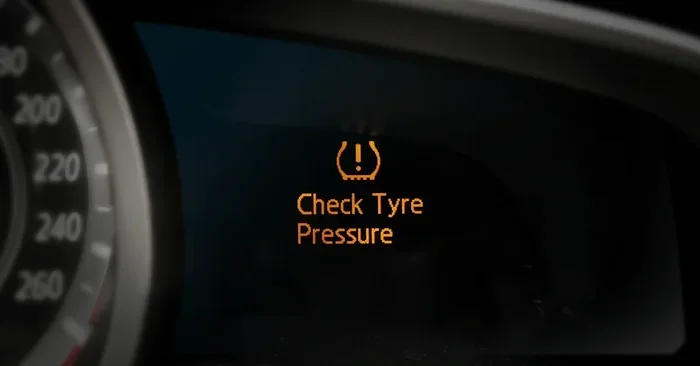
That little yellow light on your dashboard shaped like a horseshoe with an exclamation point can really spike your anxiety. You are driving along, minding your own business, and suddenly your tire pressure warning light comes on. Your first thought might be, “Is my tire about to blow out?” The good news is that how to turn off low tire pressure light is something most car owners can handle themselves. You do not need a dealership visit or an expensive mechanic. In this guide, we will walk you through every step, from checking your air pressure to resetting the system and preventing future alerts.
Understanding your tire pressure monitoring system, commonly called TPMS, is the first step toward confidence behind the wheel. Whether the light comes on because of a slow leak, a cold morning, or a faulty sensor, this article covers it all. We will break down the causes, the fixes, and the mistakes to avoid. By the end, you will know exactly what to do when that annoying light shows up.
Key Takeaways
- Resetting the TPMS is simple: Most vehicles let you clear the light with a button or menu sequence.
- Check your tire pressure first: Always verify PSI levels before resetting the warning light.
- Temperature changes trigger false alerts: Cold weather can temporarily activate the low tire pressure light.
- A flashing light signals a sensor problem: A blinking TPMS light often means a faulty sensor or dead battery.
- Protect your tires with Tire Armor: Learn about tire sealants and protectants that help maintain proper pressure.
- Driving on underinflated tires is dangerous: It reduces fuel efficiency and increases blowout risk.
📑 Table of Contents
- Why Does the Low Tire Pressure Light Come On?
- How to Turn Off Low Tire Pressure Light: Step-by-Step
- What Does a Flashing Tire Pressure Light Mean?
- Common Mistakes People Make When the Light Comes On
- How to Prevent the Low Tire Pressure Light From Coming Back
- When Should You See a Professional?
- Quick Tips for Dealing With Low Tire Pressure
- Conclusion
Why Does the Low Tire Pressure Light Come On?
The tire pressure warning light activates when your TPMS detects that one or more tires are below the recommended PSI. But knowing why it comes on helps you choose the right fix. Let us look at the most common reasons this dashboard warning light shows up.
Low Air Pressure from a Slow Leak
A slow puncture is the number one culprit. Tiny nails, screws, or sharp debris can pierce your tire and let air escape over hours or even days. You might not notice the flat spot because the leak is gradual. One morning you start the car and boom, there is the light. A tire pressure gauge is your best friend here. Check each tire against the recommended PSI listed on the driver side door jamb.
Temperature Drops and Weather Changes
Cold weather is a sneaky trigger. When the air temperature drops, the air inside your tires contracts. This reduces tire pressure and can activate the warning light even when your tires are perfectly fine. This is especially common in fall and winter. If the light comes on after a cold front, check your pressure first before assuming the worst.
Faulty TPMS Sensor
Sometimes the problem is not your tire at all. The tire pressure sensor itself can fail. Each wheel has a small sensor that sends air pressure data to your car’s computer. When a sensor battery dies or the unit malfunctions, it sends a false signal. A tire pressure sensor battery typically lasts about five to seven years before needing replacement.
Recent Tire or Wheel Changes
Did you just get new tires, rotate your tires, or change a wheel? The TPMS system might need recalibration. Moving tires between wheels can shift the sensors, and the system may not recognize the new positions right away. This is a common reason the tire pressure light stays on after service.
How to Turn Off Low Tire Pressure Light: Step-by-Step
Now let us get to the main event. Resetting the tire pressure warning light is straightforward on most vehicles. The exact steps vary by car brand, but the general process is similar across most makes and models.
Step 1: Check and Inflate Your Tires
Before you do anything else, check your tire pressure. Use a reliable tire pressure gauge and compare each tire to the recommended PSI. You will find this number on a sticker inside the driver door frame or in your owner manual. Inflate any tires that are low. Do not skip this step. Resetting the light without fixing the actual pressure problem is pointless and unsafe.
Step 2: Drive at Steady Speed for a Few Miles
On many vehicles, simply driving at a steady speed of 50 mph for about 10 minutes can trigger the system to recalibrate. The TPMS monitor senses that pressure has stabilized and may turn the light off automatically. This is the easiest method and works on many newer cars.
Step 3: Use the TPMS Reset Button
Most cars have a dedicated reset button for the TPMS system. Here is where to look:
- Under the steering column
- Near the gear shift lever
- Inside the glove box
- On the center console near the climate controls
Press and hold the button until the warning light on the dashboard blinks three times. Release the button and start the engine. The light should turn off within a few minutes of driving.
Step 4: Reset Through the Infotainment System
Many modern vehicles let you reset the TPMS through the digital dashboard or infotainment screen. The exact path varies, but here is a general process:
- Press the menu or settings button on your dashboard screen
- Navigate to Vehicle Settings or Maintenance
- Find the TPMS or Tire Pressure option
- Select Reset or Calibrate
- Confirm the action and drive the car
Step 5: Disconnect the Car Battery
If none of the above methods work, you can try disconnecting the car battery for about 15 minutes. This resets the entire electrical system, including the TPMS. Reconnect the battery, start the car, and the light should be cleared. However, this method also resets other settings like your radio presets, so use it as a last resort.
What Does a Flashing Tire Pressure Light Mean?
A steady yellow light usually means low pressure. But a tire pressure light flashing is different. A flashing TPMS light typically indicates a malfunction in the system itself. Here is what a flashing light could mean:
- Dead sensor battery: The sensor in one or more wheels has lost its power source.
- Broken sensor: The sensor unit is damaged or has fallen off the valve stem.
- Communication error: The car’s computer cannot receive data from the sensors.
- Aftermarket wheel issue:Non-OEM wheels may not fit the sensors properly.
If your light is flashing, do not ignore it. Visit a mechanic or auto parts store. Most shops can read the TPMS error code with a diagnostic tool and pinpoint the exact problem. Fixing a flashing light promptly prevents more costly repairs down the road.
Common Mistakes People Make When the Light Comes On
There are several things drivers do that make the problem worse or waste their time. Avoid these common mistakes:
Resetting Without Checking Pressure
This is the biggest mistake. Some people just hit the reset button and drive away, hoping the problem fixes itself. If your tire actually has low pressure, resetting the light just masks a real safety issue. You could end up driving on a dangerously underinflated tire, which increases the risk of a blowout and reduces your fuel economy.
Ignoring the Light for Weeks
It is tempting to just leave the light on and deal with it later. But driving with underinflated tires causes uneven tire wear, poor handling, and lower gas mileage. Over time, a small leak can turn into a flat tire on the highway. Address the light as soon as it appears.
Overinflating the Tires
Some drivers add too much air to “make sure” the pressure is good. Overinflated tires are just as problematic as underinflated ones. They wear out the center of the tread faster and provide a harsher ride. Always stick to the recommended PSI on the door jamb sticker.
Assuming All Four Tires Are the Problem
The light could be triggered by just one tire. Do not assume every tire is low. Check each one individually with a tire pressure gauge to find the exact culprit.
How to Prevent the Low Tire Pressure Light From Coming Back
Once you have cleared the light, you probably want to keep it off. Prevention is much easier than fixing the problem repeatedly. Here are some practical tips to maintain proper tire pressure and avoid future warnings.
Check Your Tire Pressure Monthly
Make it a habit to check your tire pressure at least once a month. Air slowly leaks through the rubber even in good tires. A quick check with a tire pressure gauge takes only a few minutes and can save you from surprise warnings. Keep a quality gauge in your glove box so you always have one handy.
Invest in Quality Tire Care Products
Using a tire sealant or protectant can help prevent slow leaks and keep your tires in great shape. Products like Tire Armor create a protective layer inside the tire that helps seal small punctures and maintain consistent air pressure. These products are easy to apply and can extend the life of your tires significantly. Check out our Tire Armor collection for options that work with your TPMS system.
Monitor Seasonal Temperature Changes
As temperatures drop, so does your tire pressure. During fall and winter, check your pressure more frequently. A drop of 10 degrees Fahrenheit can reduce tire pressure by about 1 PSI. Stay ahead of the changes and your light will stay off.
Replace TPMS Sensors on Schedule
TPMS sensor batteries do not last forever. When they die, the light comes on and stays on even if your tires are fine. Replace sensors according to your vehicle maintenance schedule, typically every five to seven years. Many tire shops can replace the sensors during a routine tire rotation.
Use the Right Tires for Your Vehicle
Aftermarket wheels and tires that are not properly rated for your vehicle can cause TPMS issues. Always match your tire size and type to your manufacturer specifications. If you are switching to a different tire brand, make sure the new tires are compatible with your TPMS sensors.
When Should You See a Professional?
Most of the time, you can handle a low tire pressure light on your own. But there are situations where professional help is the smart move. See a mechanic if:
- The light stays on after you have properly inflated all tires
- The light is flashing instead of staying solid
- You notice a persistent slow leak that keeps coming back
- Your TPMS sensor battery needs replacement
- You have recently installed new wheels or tires and the system will not recalibrate
A professional has the diagnostic tools to read TPMS error codes and identify sensor failures quickly. Trying to guess and check can waste hours and money. When in doubt, let the experts take a look.
Quick Tips for Dealing With Low Tire Pressure
- Keep a portable air compressor in your trunk for emergencies
- Write down the recommended PSI for each tire on a note in your glove box
- Check tire pressure when the tires are cold for the most accurate reading
- Do not ignore the light, even if the tires look fine to the naked eye
- Keep a tire pressure gauge in your emergency kit
- Use a tire sealant that is TPMS-safe to avoid sensor damage
Conclusion
Knowing how to turn off low tire pressure light gives you confidence and saves time and money. Whether the cause is a simple pressure drop from cold weather or a slow leak that needs a patch, the steps are straightforward. Check your pressure first, reset the system, and address the root cause. Avoid the common mistakes that lead to repeated warnings. And take preventive steps like monthly checks and quality tire care products to keep your tires in top shape. Your dashboard warning light is there to protect you. Listen to it, respond quickly, and you will stay safe on the road.
Frequently Asked Questions
Can I drive with the low tire pressure light on?
You can drive a short distance if the pressure is only slightly low, but it is not safe for long trips. Underinflated tires reduce handling, increase stopping distance, and raise the risk of a blowout. Check your pressure and inflate the tires as soon as possible.
How much does it cost to replace a TPMS sensor?
Replacement costs typically range from $50 to $100 per sensor, including labor. Some shops offer package deals when replacing all four sensors at once. The sensor battery itself is usually built into the unit and cannot be replaced separately.
Will the low tire pressure light turn off by itself?
Sometimes. If the light came on due to a temporary pressure drop from cold weather, it may turn off once the tires warm up from driving. However, if the pressure is genuinely low, the light will stay on until you inflate the tire and reset the system.
How do I find the recommended tire pressure for my car?
Look for a sticker on the driver side door frame or in the glove box. The sticker lists the recommended PSI for both front and rear tires. You can also check your vehicle owner manual for the exact specifications.
Can I reset the TPMS light without inflating the tires first?
You can reset the light without inflating, but this is not recommended. The light will likely come back once the system detects low pressure again. Always check and inflate your tires before resetting the warning light.
How long does a TPMS sensor battery last?
Most TPMS sensor batteries last between five and seven years. When the battery dies, the sensor stops sending data and the warning light comes on. Replacement involves installing a new sensor unit since the battery is not user-replaceable.