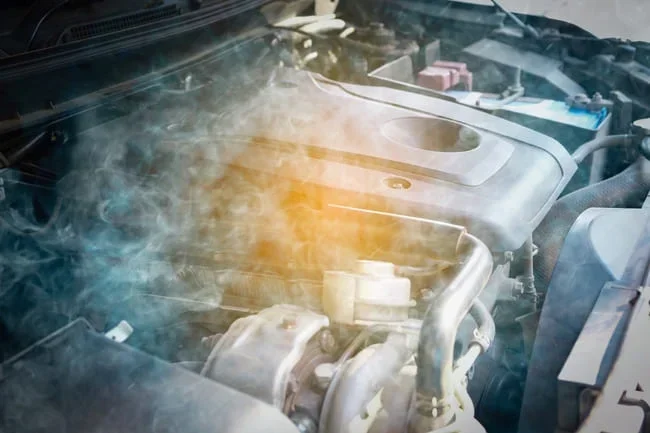
My Summer Car Engine Burning Oil What You Need to Know
My summer car engine burning oil is a common problem that many car owners face during hot months. Heat, worn parts, and poor maintenance can all cause your engine to burn more oil than normal. Understanding the signs and knowing how to fix the issue can save you money and keep your car running smoothly all summer long.
Key Takeaways
- High summer temperatures make engine oil burn faster and can worsen existing problems.
- Common causes include worn piston rings, bad valve seals, and leaking gaskets.
- Blue exhaust smoke is the most obvious sign that your engine is burning oil.
- Regular oil checks and changes are the best way to prevent oil burning issues.
- Ignoring the problem can lead to serious engine damage and costly repairs.
- Simple fixes like using the right oil weight can make a big difference.
- When in doubt, see a mechanic for a proper diagnosis and repair plan.
📑 Table of Contents
- My Summer Car Engine Burning Oil What You Need to Know
- Why Does My Engine Burn More Oil in Summer?
- Common Causes of Oil Burning in Summer
- Signs Your Engine Is Burning Oil
- How to Prevent Oil Burning During Summer
- Quick Tips to Reduce Oil Burning
- When to See a Mechanic
- Expert Insight: Oil Burning and Engine Longevity
- Final Thoughts on My Summer Car Engine Burning Oil
My Summer Car Engine Burning Oil What You Need to Know
Summer heat can be tough on your car. You already deal with hot roads and sticky dashboards. But did you know that high temperatures can also cause your engine to burn oil faster? If you have noticed your car using more oil than usual during the summer months, you are not alone. Many drivers face the same issue every year.
When my summer car engine burning oil becomes a regular problem, it is time to pay attention. Oil burning can point to small issues that are easy to fix. Or it can signal something more serious that needs immediate care. Either way, understanding what is happening under the hood is the first step to solving the problem.
In this article, we will cover everything you need to know about engine oil burning in summer. We will look at the main causes, warning signs, and simple fixes you can try at home. We will also talk about when it is time to visit a mechanic. By the end, you will feel confident about handling this common car problem.
Why Does My Engine Burn More Oil in Summer?
Summer heat affects your car in many ways. The engine runs hotter, the oil thins out, and internal parts expand. All of these factors can increase oil consumption. But why does this happen exactly?
Heat and Oil Viscosity
Oil viscosity refers to how thick or thin your oil is. In hot weather, oil becomes thinner. Thinner oil moves more easily but also evaporates faster. When oil evaporates, it burns off in the engine. This means you lose oil without any visible leak.
Using the wrong oil weight for summer driving can make this problem worse. For example, a 5W-30 oil may not be thick enough for hot climates. Switching to a higher viscosity oil like 10W-40 can help your engine hold onto oil better during the summer months.
Engine Heat and Internal Pressure
When your engine runs hot, internal pressure increases. This pressure can push oil past seals and gaskets that normally keep it contained. The result is oil burning inside the combustion chamber. This is one of the most common reasons engines burn oil during summer.
Hot weather also affects your cooling system. If your radiator or coolant system is not working at full capacity, your engine temperature rises even more. This creates a cycle where more heat leads to more oil burning, which leads to more heat.
Common Causes of Oil Burning in Summer
Several issues can cause your engine to burn oil, especially during the summer. Let us look at the most common culprits.
Worn Piston Rings
Piston rings seal the gap between the piston and the cylinder wall. Over time, these rings wear out. When they do, oil leaks into the combustion chamber and burns along with fuel. This is one of the top reasons my summer car engine burning oil becomes a persistent problem.
Worn piston rings often come with other symptoms too. You might notice a drop in engine power or poor acceleration. If you suspect this issue, it is best to get a professional diagnosis right away.
Damaged Valve Seals
Valve seals keep oil from leaking into the engine’s intake and exhaust ports. When these seals crack or wear out, oil seeps past them and gets burned. Valve seal damage is common in older cars but can also happen in high-mileage vehicles.
One telltale sign of bad valve seals is oil burning when you first start the car. You might see a puff of blue smoke from the exhaust after the car has sat overnight. This happens because oil pools around the valve seals while the engine is off.
Leaking Head Gasket
A head gasket sits between the engine block and the cylinder head. It keeps oil and coolant from mixing and leaking into places they do not belong. A blown head gasket is a serious problem that can cause your engine to burn oil and coolant at the same time.
Head gasket issues are more common in summer because the engine runs hotter. Watch for white smoke from the exhaust, a milky oil cap, or coolant loss without any visible leak. These are all signs that your head gasket may be failing.
PCV Valve Problems
The Positive Crankcase Ventilation (PCV) valve helps regulate pressure inside the engine. When it gets clogged or stuck, excess pressure builds up and pushes oil into the intake system. The oil then gets burned in the combustion chamber.
PCV valve problems are easy and cheap to fix. Replacing a faulty PCV valve costs very little compared to the damage it can cause if left unattended. If you notice rough idling or oil leaks near the engine hoses, check your PCV valve first.
Signs Your Engine Is Burning Oil
How do you know if your engine is burning oil? There are several clear signs to watch for. Catching these early can save you from bigger problems down the road.
Blue or Gray Exhaust Smoke
The most obvious sign of oil burning is blue or gray smoke coming from your exhaust. This happens when oil enters the combustion chamber and mixes with fuel. The smoke often has a distinct burnt oil smell that is hard to miss.
Pay attention to when the smoke appears. Blue smoke on acceleration often points to piston ring issues. Blue smoke on startup usually means bad valve seals. Blue smoke while idling can indicate PCV valve problems.
Drop in Oil Level
Check your oil level regularly during summer. If you find yourself topping off the oil more often than usual, your engine is likely burning oil. A drop of one quart every 1,000 miles is considered normal for many engines. Anything more than that is a red flag.
Use the dipstick to check your oil level at least once a week during the hot months. Make sure the car is parked on level ground and the engine is cool for the most accurate reading.
Engine Warning Lights
Modern cars have sensors that detect low oil pressure or low oil levels. If your check engine light or oil pressure warning comes on, do not ignore it. These lights are designed to alert you to problems before they become expensive repairs.
Keep in mind that some oil burning does not trigger warning lights right away. The sensors may only detect a problem once the oil level drops significantly. This is why manual oil checks are still so important.
How to Prevent Oil Burning During Summer
The good news is that you can take steps to prevent oil burning or reduce it significantly. Here are some practical tips to keep your engine healthy all summer long.
Use the Right Oil for Summer Driving
Not all engine oils are created equal. For summer driving, choose a higher viscosity oil that can handle heat better. Many mechanics recommend switching from 5W-30 to 10W-40 or even 20W-50 during the hottest months.
Check your owner’s manual for the manufacturer’s recommended oil weight. Some newer engines are designed for specific oil weights and using the wrong one can cause problems. When in doubt, ask your mechanic for advice on the best oil for your car and climate.
Check Oil Levels Regularly
Make it a habit to check your oil level at least once a week during summer. Set a reminder on your phone if needed. Catching low oil early can prevent engine damage and keep your car running smoothly.
Keep a spare quart of oil in your trunk during the summer months. This way, if you notice your oil level dropping, you can top it off right away without having to find a gas station.
Change Your Oil and Filter on Schedule
Fresh oil performs better in high heat. Old oil breaks down faster and loses its ability to lubricate and protect engine parts. Stick to your manufacturer’s recommended oil change interval, or change it more frequently if you drive in extreme heat.
Always replace the oil filter when you change the oil. A clogged filter can restrict oil flow and cause increased oil consumption. A new filter ensures clean oil circulates freely through your engine.
Monitor Your Cooling System
Your cooling system plays a big role in preventing oil burning. Make sure your radiator, water pump, and thermostat are all working properly. Check your coolant level regularly and top it off as needed.
A well-functioning cooling system keeps your engine at the right temperature. This reduces the pressure that pushes oil into the combustion chamber. It also extends the life of your engine oil and other internal components.
Quick Tips to Reduce Oil Burning
Here are some fast and easy tips to help reduce oil burning in your car during summer:
- Check your oil level every week during hot months.
- Switch to high-mileage oil if your car has over 75,000 miles.
- Inspect engine hoses and gaskets for leaks regularly.
- Avoid heavy acceleration in extreme heat when possible.
- Let your car warm up slowly on hot mornings.
- Keep your PCV valve clean and replace it if needed.
- Watch for warning signs like blue smoke or oil smells.
When to See a Mechanic
Some oil burning issues can be handled at home. But others require professional attention. Knowing the difference can save you time, money, and prevent further engine damage.
If you notice any of the following signs, it is time to visit a mechanic:
- Your oil level drops significantly in less than a week.
- You see heavy blue smoke from the exhaust consistently.
- Your engine overheats frequently, even with a full coolant level.
- You notice a milky or frothy substance on your oil cap.
- Your check engine light stays on despite checking the oil.
- You hear unusual knocking or ticking sounds from the engine.
A mechanic can perform a compression test, inspect your valve seals, and check for head gasket leaks. These diagnostic tests help pinpoint the exact cause of oil burning. Early detection can prevent a minor repair from turning into a major engine overhaul.
Common Mistakes Drivers Make
Many drivers make mistakes when dealing with oil burning issues. Here are some common ones to avoid:
- Ignoring the problem and hoping it goes away on its own.
- Overfilling the oil which can cause foaming and poor lubrication.
- Using the wrong oil weight for summer driving conditions.
- Skipping oil changes to save money in the short term.
- Driving with low oil which causes severe engine wear.
Avoiding these mistakes can go a long way in keeping your engine healthy through the summer. Prevention is always cheaper and easier than repair.
Expert Insight: Oil Burning and Engine Longevity
According to automotive experts, a small amount of oil consumption is normal for most engines. Most manufacturers consider up to one quart per 1,000 miles as acceptable. However, anything beyond that warrants investigation.
Engine longevity depends heavily on how well you maintain your oil system. Regular oil changes, proper oil selection, and timely repairs all contribute to a longer engine life. If you take care of your engine, it will take care of you for many miles to come.
Summer heat amplifies existing problems. A small leak or worn seal that was barely noticeable in winter can become a major issue by July. Stay proactive with your car maintenance and you will avoid most oil burning problems before they start.
Final Thoughts on My Summer Car Engine Burning Oil
Dealing with my summer car engine burning oil can be frustrating, but it is also very manageable. With the right knowledge and a little preventive care, you can keep your engine running strong all summer long. Remember to check your oil regularly, use the right oil weight, and watch for warning signs like blue exhaust smoke or oil level drops.
Most oil burning issues are caused by simple, fixable problems. Worn seals, a clogged PCV valve, or the wrong oil weight can all be addressed without major expense. The key is to catch the problem early and take action before it leads to serious engine damage.
Your car works hard for you every day, especially in the summer heat. Give it the care and attention it deserves. A little maintenance now can save you from costly repairs later and keep your car running reliably for years to come.
Frequently Asked Questions
Is it normal for a car to burn oil in the summer?
A small amount of oil burning in summer is normal due to higher temperatures and increased engine stress. However, if you are losing more than one quart per 1,000 miles, it is a sign that something needs attention.
Can I drive my car if it is burning oil?
You can drive short distances, but do not ignore the problem. Low oil levels can cause severe engine damage over time. Top off your oil and get the issue diagnosed as soon as possible.
What is the best oil weight for summer driving?
Most mechanics recommend switching to a higher viscosity oil like 10W-40 for summer driving. Always check your owner’s manual for the manufacturer’s recommendation before making a change.
How much does it cost to fix an engine that burns oil?
The cost varies widely depending on the cause. A PCV valve replacement might cost under $100, while fixing worn piston rings or a blown head gasket can cost several hundred to over a thousand dollars.
Can I use an oil additive to stop my engine from burning oil?
Some oil additives can help reduce oil consumption temporarily. However, they are not a permanent fix for underlying mechanical problems like worn piston rings or damaged valve seals. Use them as a short-term solution while you plan a proper repair.
How often should I check my oil level during summer?
Check your oil level at least once a week during the summer months. Hot weather causes oil to evaporate and burn faster, so more frequent checks help you catch problems early.