Oil Pump Can Affect Oil Light Delay When You Start the Car
Your oil pump can affect oil light delay when you start the car in surprising ways. A weak or failing oil pump may cause the oil warning light to stay on longer than normal during ignition. Understanding how the oil pump interacts with the oil pressure sensor helps you catch problems early. This guide breaks down the causes, symptoms, and fixes for oil light delay at startup. Knowing the signs can save your engine from serious damage.
When you turn the key and hear your engine turn over, you expect the oil warning light to blink on for a second and then go off. But what happens when it stays on longer than it should? Many car owners ignore this delay. They assume it is just a normal quirk of the ignition cycle. The truth is that your oil pump can affect oil light delay when you start the car more than most people realize.
The oil pump is the heart of your engine’s lubrication system. It pushes oil through passages to every moving part. When the pump struggles, oil pressure drops. And when oil pressure drops, the sensor triggers that familiar yellow or red light on your dashboard. Understanding this connection is essential. It can help you avoid expensive engine repairs down the road.
In this article, we will explore exactly how the oil pump can affect oil light delay when you start the car. We will cover how the system works, what causes delays, warning signs to watch for, and practical fixes. Whether you are a DIY mechanic or just someone who wants to understand their vehicle better, this guide has you covered.
Key Takeaways
- Oil pump health directly impacts oil pressure: A failing pump reduces oil flow, causing delayed oil light behavior at startup.
- Oil light delay is not always normal: While brief delay can be typical, prolonged illumination signals a real problem.
- Multiple factors contribute to oil light delay: From worn oil pump gears to low oil viscosity and faulty sensors.
- Early diagnosis prevents costly repairs: Catching oil pump issues early protects your engine’s crankshaft bearings and hydraulic lifters.
- Regular maintenance keeps the oil circulation system healthy: Simple habits like timely oil changes extend pump life.
- DIY diagnosis is possible: You can check oil pressure with basic tools before visiting a mechanic.
- Ignoring the oil warning light is dangerous: Driving with low oil pressure leads to engine wear and potential failure.
📑 Table of Contents
- How the Oil Pump Affects Oil Light Delay at Startup
- Common Signs Your Oil Pump Is Causing Oil Light Delay
- Diagnosing Oil Light Delay Issues Related to the Oil Pump
- How to Fix Oil Pump Problems That Cause Oil Light Delay
- Preventing Oil Pump Issues and Oil Light Delay
- Expert Insights: What Mechanics Say About Oil Pump and Oil Light Delay
- Common Mistakes Car Owners Make With Oil Light Delay
- How Oil Viscosity and Temperature Impact Oil Pump Performance
- When to See a Mechanic About Oil Light Delay
- Conclusion
How the Oil Pump Affects Oil Light Delay at Startup
When you first turn your key to the ON position or start the engine, something important happens. The oil pump begins spinning, but it has not yet built full pressure. During this brief moment, the oil pressure sensor reads low pressure. That is why the oil warning light comes on. Once the pump reaches normal operating pressure, the light should turn off.
But here is where things get interesting. The oil pump can affect oil light delay when you start the car because of several factors. If the pump is weak, worn, or failing, it takes longer to build pressure. That means the light stays on longer. A healthy pump builds pressure in about one to two seconds. A struggling pump might take five seconds or more. That delay is your first clue that something is wrong.
The Role of Oil Pressure in Engine Startup
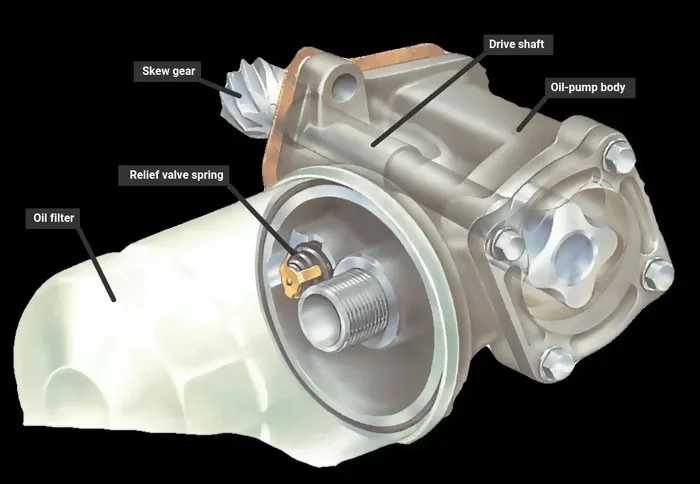
Oil pressure is the force that moves oil through your engine. Think of it like blood flow in your body. Without proper pressure, oil cannot reach the crankshaft bearings, camshaft lobes, or hydraulic lifters. At startup, the engine needs oil circulation fast. The oil pump draws oil from the oil pan and pushes it through the filter and into the engine block.
Here is what happens step by step during startup:
- The ignition key sends power to the oil pump relay.
- The oil pump begins spinning and drawing oil.
- Oil flows through the oil filter to remove contaminants.
- Oil pressure builds and reaches the sensor.
- The sensor signals the dashboard to turn off the oil warning light.
If any step in this chain is slow or broken, the oil light delay gets longer. And the oil pump is often the root cause.
Why Oil Pump Condition Matters at Startup
Your oil pump works harder during cold starts. Cold oil is thicker. It does not flow as easily. A healthy pump pushes through that thick oil quickly. But a pump with worn gears or a weakened drive cannot overcome that resistance. The result is a longer delay before oil pressure reaches the sensor.
This is especially true in colder climates. Winter temperatures make oil viscosity higher. The pump has to work even harder. If your pump is already borderline, winter startup becomes a real problem. The oil warning light might stay on for several seconds instead of one or two.
Common Signs Your Oil Pump Is Causing Oil Light Delay
Not all oil light delays mean your pump is failing. But certain signs point directly to oil pump problems. Knowing these symptoms helps you act before the damage spreads.
Prolonged Oil Warning Light at Ignition
The most obvious sign is a long-lasting oil warning light. When you start the car, the light should go off within two to three seconds. If it stays on for five seconds or more, pay attention. This is a clear signal that the oil pump can affect oil light delay when you start the car and is not building pressure fast enough.
Oil Pressure Gauge Fluctuations
If your vehicle has an oil pressure gauge, watch it during startup. Normal pressure should rise quickly and stabilize. If the needle climbs slowly or fluctuates, the pump may be struggling. Low oil pressure at idle is another red flag. It suggests the pump cannot maintain consistent flow.
Unusual Engine Noises
A ticking or tapping sound from the engine valve train often points to low oil pressure. Hydraulic lifters need a steady supply of oil to operate quietly. When the pump cannot deliver enough, these components make noise. This symptom often appears alongside the delayed oil light.
Oil Pressure Light Comes On While Driving
Sometimes the oil warning light does not just appear at startup. It may also come on while you are driving. This is more serious. It means the pump cannot maintain pressure under load. Pull over safely and check your oil level immediately.
Diagnosing Oil Light Delay Issues Related to the Oil Pump
Figuring out whether your oil pump is causing the delay takes some detective work. You do not need to be a professional mechanic, but you do need the right approach.
Step 1: Check the Oil Level First
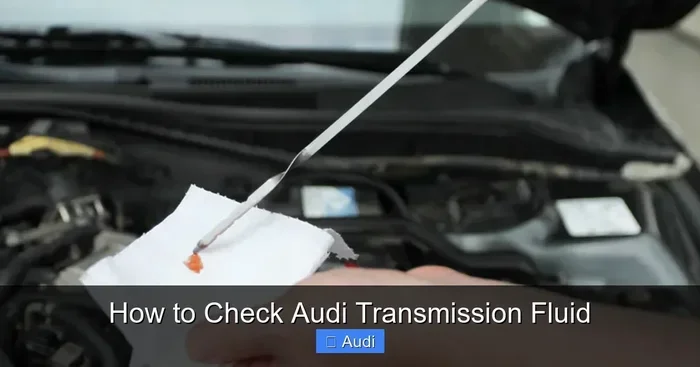
Before blaming the pump, check your engine oil level. Low oil is the simplest cause of oil light delay. Pull the dipstick and look at the level. If it is below the minimum mark, top it off and see if the delay improves. Sometimes the fix is that simple.
Step 2: Inspect the Oil Pressure Sensor
A faulty oil pressure sensor can give false readings. The sensor tells your dashboard when oil pressure is low. If the sensor itself is bad, it may trigger the light even when the pump is working fine. You can test the sensor with a multimeter or have a mechanic scan it.
Step 3: Test Oil Pressure with a Gauge
The most accurate way to diagnose the issue is with a mechanical oil pressure gauge. You screw it into the oil pressure port on the engine block. Start the car and watch the reading. Normal oil pressure at startup should be around 20 to 30 PSI for most vehicles. If the reading is low, the pump is likely the culprit.
Step 4: Listen for Oil Pump Noise
Put your ear near the oil pan (with the engine running). A healthy oil pump makes a quiet hum. If you hear whining, grinding, or rattling, the pump internal components may be worn. This noise often accompanies oil light delay.
Step 5: Check the Oil Pump Relay and Wiring
Sometimes the problem is electrical, not mechanical. The oil pump relay delivers power to the pump. If the relay is faulty, the pump may not spin at full speed. Check the relay fuse box and inspect the wiring harness for corrosion or loose connections.
How to Fix Oil Pump Problems That Cause Oil Light Delay
Once you confirm the oil pump is causing the delay, it is time to fix it. The solution depends on the severity of the problem.
Oil Change and Oil Filter Replacement
Sometimes the fix is simpler than you think. Old, dirty oil makes the pump work harder. Sludge builds up and clogs passages. A fresh oil change with the correct oil viscosity for your engine can restore normal pressure. Always replace the oil filter at the same time. A clogged filter restricts oil flow and stresses the pump.
Replacing the Oil Pump
If the pump is mechanically worn, you will need a replacement. This is a more involved repair. The mechanic removes the oil pan, unbolts the old pump, and installs a new one. Cost varies by vehicle but typically runs between $500 and $1,500 including labor. It is a job that should not be delayed.
Fixing the Oil Pump Drive
The oil pump is driven by the crankshaft or camshaft through a gear or chain. If the drive gear is worn or the chain is stretched, the pump spins too slowly. Replacing the drive component can restore proper pump speed and oil pressure.
Replacing the Oil Pressure Sensor
If the sensor is the problem, replacement is straightforward and inexpensive. The sensor usually screws into the engine block near the oil filter. A new sensor costs around $20 to $50 and takes about 30 minutes to install.
Using the Right Oil for Your Engine
Not all engine oils are the same. Using the wrong oil viscosity can cause pressure issues. Thinner oils (lower viscosity) flow more easily at cold startup but may not maintain pressure at operating temperature. Thicker oils (higher viscosity) protect better at high temperatures but can strain the pump during cold starts. Always use the oil weight recommended in your owner’s manual.
Preventing Oil Pump Issues and Oil Light Delay
The best way to deal with oil pump problems is to prevent them. Regular maintenance keeps the entire oil circulation system working smoothly.
Stick to Your Oil Change Schedule
This is the single most important thing you can do. Fresh oil lubricates the pump internals and carries away debris. Most manufacturers recommend oil changes every 5,000 to 7,500 miles. If you drive in severe conditions, shorten the interval.
Use Quality Oil and Filters
Cheap oil and filters do not protect your engine the way premium products do. Look for oils that meet your vehicle’s API specification. Choose filters with high efficiency ratings. They trap more contaminants and keep the oil passages clean.
Monitor Oil Pressure Regularly
Make it a habit to glance at your oil pressure gauge (or warning light) when you start the car. If you notice any change in behavior, investigate it right away. Catching a problem early saves you from a full engine rebuild.
Address Oil Leaks Promptly
Oil leaks reduce the oil level in the pan. When the level drops, the pump can suck air instead of oil. Air in the system causes erratic pressure and delays. Check under your car for fresh oil spots and fix leaks as soon as you notice them.
Warm Up Your Engine Before Driving Hard
Give your engine a minute or two to build oil pressure before hitting the road. This is especially important in cold weather. The oil needs time to warm up and flow properly. A brief warm-up period reduces stress on the pump and engine components.
Expert Insights: What Mechanics Say About Oil Pump and Oil Light Delay
Experienced mechanics see this issue regularly. They emphasize that the oil pump can affect oil light delay when you start the car is often a symptom of a bigger problem. By the time the light is delayed, internal engine wear may already be underway.
Many mechanics point to crankshaft bearing wear as a hidden consequence. When oil pressure is low, the bearings do not get adequate lubrication. Metal-on-metal contact causes erosion. Over time, this erosion widens the bearing clearances. Wider clearances mean even lower oil pressure. It becomes a vicious cycle.
Another expert insight involves the oil pump relief valve. This valve regulates maximum oil pressure. If it sticks open, pressure never builds properly. If it sticks closed, pressure builds too high. Both conditions cause problems. Mechanics recommend inspecting the relief valve whenever the oil pump is serviced.
Top mechanics also stress the importance of the ignition cycle. When you turn the key to ON (before starting), the oil pump runs for a few seconds. This pre-lubricates the engine before the crankshaft starts spinning. If this pre-lube cycle is short or incomplete, the oil light delay at startup becomes more pronounced.
Common Mistakes Car Owners Make With Oil Light Delay
Avoid these common pitfalls that make oil pump and oil light issues worse.
- Ignoring the delay: Many drivers assume the light is normal and keep driving. This is the biggest mistake you can make.
- Overfilling the oil: Too much oil causes foaming. Foamed oil cannot maintain proper pressure and can damage the pump.
- Using the wrong oil: Mixing oil types or using incorrect viscosity strains the pump and sensor readings.
- Skipping oil changes: Old oil loses its lubricating properties. The pump has to work harder, and wear increases.
- Delaying repairs: A small pump problem becomes a major engine problem if left unaddressed.
How Oil Viscosity and Temperature Impact Oil Pump Performance
Oil viscosity changes with temperature. When the engine is cold, oil is thick and slow. When the engine is hot, oil is thin and flows freely. The oil pump has to push through both conditions.
In cold weather, thick oil puts extra demand on the pump. The pump has to work harder to move the oil through the filter and into the engine passages. This is why oil light delay when you start the car is often worse in winter. The pump simply needs more time to overcome the resistance of cold, thick oil.
Using the right oil viscosity for your climate makes a big difference. Multi-grade oils like 5W-30 or 10W-30 are designed to flow well in both cold and hot conditions. They reduce the strain on the pump during cold starts and maintain proper pressure at operating temperature.
When to See a Mechanic About Oil Light Delay
Some oil light delay is normal, especially in cold weather. But there are clear thresholds where professional help is needed.
See a mechanic if the oil warning light stays on for more than five seconds after startup. Also seek help if the light comes on while driving at any speed. Any grinding or tapping noises from the engine combined with oil light delay warrant immediate attention. Do not wait until the engine starts knocking. By that point, internal damage has already occurred.
A professional mechanic can perform a proper oil pressure test and inspect the entire lubrication system. They will check the pump, sensor, relay, and oil passages. This comprehensive diagnosis ensures you get the right fix the first time.
Conclusion
The oil pump can affect oil light delay when you start the car in ways that are easy to overlook but important to understand. A healthy pump builds pressure quickly and keeps the oil warning light off within seconds. A struggling pump causes delays that signal real trouble. From worn gears to low oil levels and faulty sensors, many factors play a role.
The good news is that you have the power to prevent and address these issues. Regular oil changes, quality oil and filters, and prompt attention to warning signs go a long way. Your engine depends on proper lubrication. The oil pump is the engine of that system. Treat it well, and it will keep your engine running smoothly for years to come.
Do not ignore that oil warning light. Next time you start your car and notice a delay, take it seriously. Your engine will thank you for it.
Frequently Asked Questions
Can a weak oil pump cause the oil light to stay on longer when starting the car?
Yes, a weak or failing oil pump cannot build oil pressure quickly enough during startup. This causes the oil warning light to stay on longer than normal. If your light takes more than a few seconds to turn off, the pump may be the cause.
How long should the oil warning light stay on when starting the car?
In most vehicles, the oil warning light should turn off within two to three seconds of starting the engine. If it stays on longer, this indicates a potential issue with the oil pump, oil level, or oil pressure sensor that needs attention.
What causes oil pump failure that leads to oil light delay?
Oil pump failure is often caused by worn gears, a weakened drive mechanism, or internal sludge buildup. Neglecting oil changes, using the wrong oil viscosity, or driving with low oil levels all accelerate pump wear and lead to oil light delay at startup.
Is it safe to drive if the oil light takes a long time to turn off?
No, it is not safe. A prolonged oil light delay means the engine is not getting proper lubrication during startup. Driving in this condition increases wear on crankshaft bearings, hydraulic lifters, and other critical components. Get the issue diagnosed and fixed promptly.
Can low oil viscosity cause the oil pump to affect oil light delay?
Yes, using oil with the wrong viscosity can cause pressure problems. Thin oil may not maintain adequate pressure, while thick oil makes the pump work harder during cold starts. Always use the oil weight recommended by your vehicle manufacturer.
How much does it cost to replace an oil pump causing oil light delay?
Oil pump replacement typically costs between $500 and $1,500, depending on the vehicle model and labor rates. The cost includes the pump part and the labor to remove the oil pan and install the new pump. Getting a quote from a trusted mechanic is always a good first step.