Possible Sources of Oil Smell From Car and What They Mean
An oil smell from your car is not something to ignore. It can signal a simple fix like a loose drain plug or a serious issue like a failing head gasket. This guide walks you through every possible source of oil smell from car and explains what each one means for your vehicle’s health. Knowing the cause early can save you money and keep you safe on the road.
There are few smells more alarming than catching a whiff of oil smell from car while you are driving or sitting in the garage. That sharp, greasy odor tells you something is off, and it deserves your attention right away. The possible sources of oil smell from car range from minor maintenance oversights to serious engine problems. Some causes are easy and cheap to fix. Others can lead to major damage if you wait too long. This article breaks down every likely source, explains what each one means, and gives you practical steps to address the problem.
Whether the smell hits you when you start the engine, after a long drive, or while parked, the root cause always comes down to one thing: oil is where it should not be. It might be leaking onto hot engine parts, burning inside the combustion chamber, or pooling under the car. Understanding the possible sources of oil smell from car empowers you to take action before small issues become big expenses. Let us walk through each cause in detail so you know exactly what to look for and when to call a mechanic.
Key Takeaways
- Leaking gaskets are the most common reason for an oil smell from car and are usually affordable to repair.
- Burning oil inside the engine can point to worn piston rings or a bad PCV valve.
- Oil residue on the engine bay may not be a leak at all but can still produce a strong smell.
- Ignoring the smell can lead to low oil levels, engine damage, and costly repairs.
- Regular maintenance like checking the oil dipstick and changing the oil filter helps prevent most oil smell issues.
- Some causes require immediate attention, especially if you see blue smoke or notice oil pressure drops.
📑 Table of Contents
Common Oil Smell Sources Under the Hood
Most of the time, the oil smell from car starts with something visible under the hood. The engine bay is a hot, busy place, and many components deal with oil every single day. When a seal fails or a part loosens, oil finds its way onto surfaces that get extremely hot. That contact between oil and heat is what creates the strong, unmistakable burning oil smell. Let us look at the most common sources in this category.
Oil Pan Gasket Leak
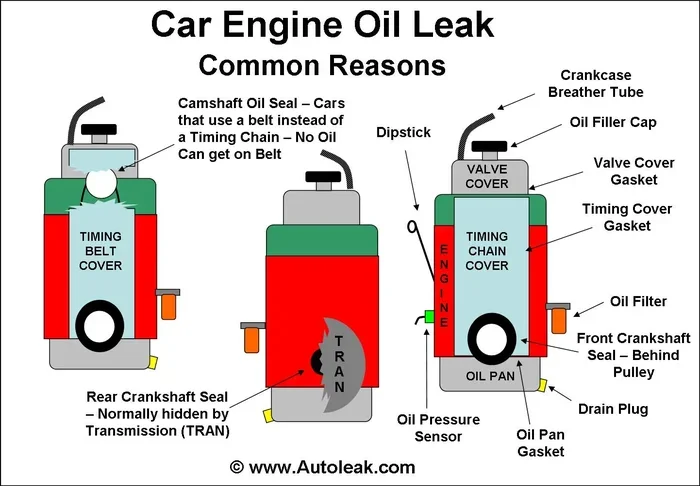
The oil pan sits at the bottom of your engine and holds all the engine oil. A rubber gasket seals it to the engine block. Over time, heat and vibration can cause this gasket to harden and crack. When that happens, oil seeps out slowly and drips down the undercarriage. You may not see a big puddle, but the oil residue on the bottom of the engine creates a persistent smell. This is one of the most frequent reasons drivers notice an oil smell from car after sitting in the garage for a while.
The good news is that replacing an oil pan gasket is a routine repair. A mechanic can usually do it in a few hours, and the parts cost is modest. If you catch it early, you avoid the risk of running low on oil, which can hurt the engine badly.
Valve Cover Gasket Failure
The valve cover sits on top of the engine and seals the combustion chamber. It has its own gasket that can degrade over time, especially in older vehicles or cars with high mileage. When the valve cover gasket fails, oil leaks outward and pools on the engine block. The heat from the exhaust manifold and nearby engine parts burns the oil, creating that familiar burning oil smell. This is a very common source of oil smell from car in vehicles with over 80,000 miles.
You might also notice oil residue around the spark plug wells. If the leak is bad enough, oil can reach the exhaust pipe and create smoke. A valve cover gasket replacement is a straightforward job, but it does require removing engine components, so labor costs can add up.
Oil Filter and Drain Plug Issues
Sometimes the simplest explanations are the right ones. After an oil change, if the drain plug is not tightened properly or the oil filter is not seated correctly, oil can slowly leak out. A loose drain plug is one of the most overlooked causes of oil smell from car. The oil drips onto the hot exhaust or engine components and produces a strong odor within minutes of driving.
Similarly, a cheap or wrong-sized oil filter can fail to seal properly. This lets oil escape around the filter housing. Always double-check your drain plug and filter after an oil change. A quick visual inspection under the car can save you from a messy and smelly problem. This is a great example of how basic engine oil leak prevention keeps your car running clean and odor-free.
Internal Engine Problems That Cause Oil Smell
Not every oil smell from car comes from a visible leak outside the engine. Some problems happen deep inside the engine, where you cannot see them easily. These internal issues are often more serious and require a trained mechanic to diagnose properly. Here are the main internal causes you should know about.
Burning Oil and Excess Oil Consumption
Engines burn a small amount of oil during normal operation. But when oil consumption goes up, the oil smell from car becomes much more noticeable. This usually happens when the piston rings wear out and no longer seal properly. Oil passes the rings and enters the combustion chamber, where it burns along with fuel. The result is a strong oily smell, often accompanied by blue or gray exhaust fumes.
You might also notice your oil dipstick reading dropping faster than normal between oil changes. If you are topping off oil every few weeks, that is a clear sign of excess oil consumption. This is not a DIY fix in most cases. A mechanic can perform a compression test to confirm worn rings and recommend the right repair path.
Head Gasket and Crankcase Problems
The head gasket sits between the engine block and the cylinder head. It keeps oil, coolant, and combustion gases in their proper places. When a head gasket fails, oil can leak into places it does not belong, including the coolant passages and the crankcase. This creates a mix of oil and coolant that produces a strange, oily smell. A blown head gasket is one of the more serious causes of oil smell from car and can lead to engine overheating if not addressed quickly.
The crankcase ventilation system, or PCV valve, also plays a big role. If the PCV valve gets stuck or clogged, pressure builds up inside the crankcase. This forces oil vapor through seals and gaskets, creating leaks and that telltale oil smell. Replacing a PCV valve is inexpensive, but ignoring it can damage other engine parts over time.
External Factors That Create Oil Smell
Sometimes the oil smell from car does not come from a leak at all. External factors can trap oil fumes or spread oil residue in ways that make your car smell like it is burning oil. These causes are often easier to spot and fix than internal engine problems.
Oil Residue on the Engine Bay
Over time, oil splashes and dust build up on engine components. This oil residue collects on the exhaust manifold, turbo lines, and other hot surfaces. Even a small amount of residue can produce a strong smell when the engine heats up. This is especially common in cars that have not had a thorough engine cleaning in a long time.
A simple engine bay cleaning can eliminate this smell. Use a degreaser spray and a soft brush to clean the oil-covered areas. Just be careful around electrical connections and sensors. If you are not comfortable doing this yourself, a quick detail at a car wash or auto shop does the trick. This is one of the easiest and cheapest ways to deal with an oil smell from car that has no real leak behind it.
Exhaust and Undercarriage Contamination
Oil that drips onto the exhaust system or the undercarriage can create a lasting smell. The exhaust gets extremely hot, and any oil that touches it will burn off slowly. This produces a greasy, oily odor that lingers for miles. You might notice this smell most after parking the car, when the exhaust is still hot and the oil is still sizzling.
Check the undercarriage of your car regularly. Look for oil streaks or dark patches on the exhaust pipe and muffler. If you find oil there, trace it back to its source. It could be a minor leak from the oil pan or a dripping valve cover gasket. Fixing the leak at the source is the only real solution. Cleaning the undercarriage helps temporarily, but the smell will come back until the leak is sealed.
How to Diagnose the Oil Smell Source
Figuring out where the oil smell from car is coming from takes a bit of detective work. Start by asking yourself a few simple questions. When do you notice the smell the most? Is it when you first start the engine? After driving for a while? While parked? Your answers can point you toward the right cause. Here is a quick comparison of the most common sources and their key signs.
| Source | Smell Timing | Visible Signs | Severity |
|---|---|---|---|
| Oil Pan Gasket Leak | After parking or idling | Oil drips under the car, oily residue on the pan | Low to Medium |
| Valve Cover Gasket Failure | While driving or after engine warms up | Oil on top of the engine, oil around spark plugs | Medium |
| Loose Drain Plug or Filter | Shortly after an oil change | Fresh oil drips under the car | Low |
| Burning Oil (Internal) | During driving, with blue exhaust smoke | Low oil level, high oil consumption | High |
| Head Gasket Failure | Constant, worsens with driving | Coolant mixed with oil, white smoke from exhaust | Very High |
| Oil Residue on Engine Bay | After engine warms up | Dark, greasy buildup on engine parts | Low |
Use this table as a starting point. If you are unsure, a professional mechanic can perform a thorough inspection. They will check the oil pressure, inspect gaskets, and look for internal leaks that are not visible from the outside. A proper diagnosis saves you from guessing and spending money on the wrong repair.
Quick Fixes and Prevention Tips
Once you know the source of the oil smell from car, you can take action. Some fixes are quick and easy. Others need a professional touch. Here are practical steps you can take right now.
Quick Tips
- Check your oil level with the dipstick every week. Low oil means a leak is present or oil is being burned internally.
- Inspect under the car after parking. Look for fresh oil drips or dark puddles on the ground.
- Tighten the drain plug after every oil change. A loose plug is the easiest engine oil leak to fix.
- Replace the oil filter with the correct size and type for your vehicle. A wrong filter will not seal properly.
- Clean the engine bay regularly to prevent oil residue buildup that causes persistent smells.
- Monitor the PCV valve as part of routine maintenance. A stuck PCV valve causes pressure problems and oil leaks.
Common Mistakes to Avoid
- Ignoring the smell hoping it will go away. Oil smells rarely fix themselves and usually get worse over time.
- Overfilling the oil during a change. Too much oil can foam and enter the combustion chamber, causing burning and smell.
- Using the wrong oil grade for your engine. Wrong oil can cause excessive consumption and leaks.
- Delaying gasket replacements because the leak seems small. Small leaks become big problems fast.
Expert Insights
Experienced mechanics agree that the possible sources of oil smell from car almost always fall into one of two categories: external leaks or internal burning. The key is catching the problem early. A small gasket leak that costs $150 to fix today can turn into a $2,000 engine rebuild if the oil level drops too low. Regular oil changes, timely gasket replacements, and paying attention to warning signs like the oil smell from car are the best ways to protect your engine and your wallet.
When to See a Mechanic
Not every oil smell from car requires a trip to the shop, but some situations demand professional help. If you see blue or gray exhaust smoke, that is a strong sign of internal oil burning. If the oil pressure warning light comes on, pull over safely and get the car towed. A sudden loss of oil pressure can destroy an engine in minutes. Also, if you notice a mix of oil and coolant, the head gasket may be failing, and that repair needs immediate attention.
Trust your instincts. If the smell is strong, persistent, or getting worse, do not wait. A mechanic can perform a pressure test, check the oil pressure sensor, and inspect all the gaskets and seals. Early diagnosis keeps repair costs down and your car running safely.
Conclusion
The possible sources of oil smell from car cover a wide range of issues, from simple maintenance oversights to serious engine problems. The most common causes are external leaks from the oil pan gasket, valve cover gasket, or a loose drain plug. Internal issues like burning oil, worn piston rings, or a failing head gasket are more severe but equally important to address. External factors like oil residue on the engine bay or contamination on the undercarriage can also create a persistent smell.
No matter the cause, the oil smell from car is a warning sign you should never ignore. Regular maintenance, prompt inspections, and quick action when you notice a smell can prevent minor issues from turning into major repairs. Keep an eye on your oil level, check for leaks, and listen to what your car is telling you. A little attention goes a long way in keeping your vehicle running smoothly and smelling clean.
Frequently Asked Questions
Can I drive my car if it smells like oil?
You can drive short distances if the smell is mild and you have enough oil. However, a strong or persistent oil smell is a warning sign that should not be ignored. Check your oil level immediately and inspect under the car for leaks. If the smell gets worse or you see smoke, pull over and call for help.
How much does it cost to fix an oil smell from car?
The cost depends entirely on the cause. A loose drain plug or oil filter costs little or nothing to fix. An oil pan gasket replacement typically runs between $150 and $400. Valve cover gasket repairs can range from $200 to $600. Internal engine problems like a head gasket failure can cost $1,000 or more. Getting a proper diagnosis early is the best way to keep costs low.
What does burning oil smell like in a car?
Burning oil has a sharp, greasy, and slightly acrid smell. It is heavier and darker than normal exhaust fumes. You may also notice blue or gray smoke coming from the tailpipe. This smell usually means oil is leaking onto hot engine parts or entering the combustion chamber internally.
Is an oil smell from car dangerous?
An oil smell itself is not immediately dangerous, but the underlying cause can be. Low oil levels from a leak can lead to engine seizure. Burning oil can damage the catalytic converter and other exhaust components. A failing head gasket can cause overheating. Always take an oil smell seriously and address it promptly.
Can low oil cause an oil smell in the car?
Yes. When oil levels drop too low, the remaining oil gets overworked and overheated. This can cause it to burn and produce a strong smell. Low oil also means less lubrication, which increases friction and heat inside the engine. Always keep your oil at the proper level to prevent smells and engine damage.
How do I prevent oil smell from coming back?
Stick to a regular oil change schedule, use the correct oil grade, and inspect gaskets and seals during routine maintenance. Check your drain plug and oil filter after every oil change. Clean the engine bay periodically to remove oil residue. Address small leaks right away before they grow into bigger problems that cause recurring smells.