Rear Sliding Window Makes Sound Moves 14 Inch F150 Lariat
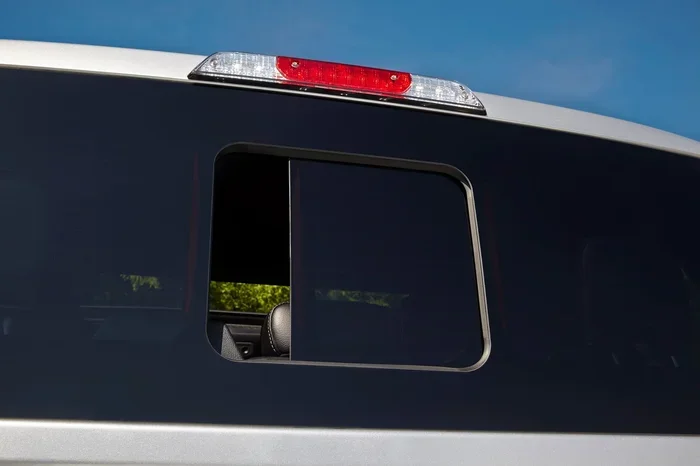
A rear sliding window that makes noise and shifts 1/4 inch in a 2020 Ford F150 Lariat is a common but fixable problem. This guide covers the root causes, DIY solutions, and when to seek professional help. You will learn how to diagnose window alignment issues, lubricate tracks, replace worn seals, and restore smooth, quiet operation in your truck.
Have you noticed your rear sliding window makes a sound every time you roll it up or down? Maybe it rattles, clicks, or grinds. And worse, it seems to shift or move about 1/4 inch when it should stay put. If you own a 2020 Ford F150 Lariat, you are not alone. This is a problem that many F150 owners report, and it can be frustrating to deal with.
A sliding window that makes noise and moves slightly out of place is more than just an annoyance. It can let wind noise into your cabin. It can compromise your window seal and lead to water leaks. And over time, the problem can get worse if you ignore it. The good news is that most causes are easy to identify and fix. In this article, we will walk you through everything you need to know about this issue in the Ford F150 Lariat.
Whether you are a DIYer who likes to tackle repairs yourself or someone who wants to understand what the mechanic is talking about, this guide has you covered. We will break down the common causes, show you how to diagnose the problem, and give you step-by-step fixes. By the end, you will know exactly what to do to get your rear sliding window running smooth and quiet again.
Key Takeaways
- Common Causes: Worn window channels, loose mounting bolts, and degraded weatherstripping are the top reasons for rear sliding window noise and movement in a 2020 F150 Lariat.
- DIY Fixes Work: Simple steps like track lubrication, alignment adjustment, and seal replacement can resolve the issue without a trip to the shop.
- Lubrication Matters: Regularly lubricating window tracks and channels prevents noise and extends the life of your sliding window components.
- Don’t Ignore It: A window that moves freely or rattles can worsen over time, leading to water leaks, wind noise, and costly repairs.
- Professional Help: If DIY fixes fail, a certified Ford technician can diagnose deeper issues like a failing window regulator or motor.
- Prevention Is Key: Routine maintenance and inspections keep your rear sliding window operating smoothly for years.
📑 Table of Contents
- Why Does the Rear Sliding Window Make Sound and Move in a 2020 F150 Lariat?
- How to Diagnose the Problem Yourself
- Step-by-Step Fixes for a Noisy and Loose Rear Sliding Window
- Prevention Tips to Keep Your Rear Sliding Window Quiet and Secure
- When to See a Professional for Your F150 Lariat Window Issue
- How Much Does It Cost to Fix a Noisy Rear Sliding Window?
- Common Mistakes to Avoid When Fixing a Rear Sliding Window
- Expert Insights on F150 Lariat Window Problems
- Key Takeaways
- Conclusion
Why Does the Rear Sliding Window Make Sound and Move in a 2020 F150 Lariat?
Understanding why your window is acting up is the first step to fixing it. Several things can cause a rear sliding window to rattle, shift, or make unusual noises. Let us look at the most common culprits.
Worn or Dirty Window Channels
The window slides up and down inside a rubber or plastic channel. Over time, this channel can wear out, crack, or collect dirt and debris. When the channel is damaged, the window does not glide smoothly. Instead, it binds, jerks, and makes noise. A worn channel can also allow the window to shift slightly, which explains that 1/4 inch movement you are noticing.
Loose Window Mounting Bolts
The window is held in place by bolts and clips. If these become loose, the window will have some wiggle room. Even a small amount of looseness can cause rattling and vibration. On the 2020 F150 Lariat, the rear sliding window is secured by several mounting points. If just one or two of these loosen up, you will feel and hear the difference.
Degraded Weatherstripping and Window Seal
The rubber seal around your window keeps out water, wind, and road noise. When this seal ages or gets damaged, it loses its grip. The window can then move more than it should. A worn seal also creates gaps that let in air, which adds to wind noise and rattling sounds. In cold weather, the rubber can stiffen and make the problem even worse.
Window Regulator or Motor Issues
The window regulator is the mechanism that moves the glass up and down. The motor powers it. If either the regulator or the motor starts to fail, the window may move unevenly or make grinding noises. In some cases, the motor struggles to keep the window in place, causing it to drift slightly.
Track Misalignment
The window runs along vertical and horizontal tracks. If these tracks become misaligned, the window will not sit properly in its frame. This misalignment can cause noise, uneven movement, and that annoying 1/4 inch shift. Track issues often develop after a minor impact or from years of regular use.
How to Diagnose the Problem Yourself
Before you rush to the shop, there are a few simple steps you can take to diagnose the problem. These checks will help you narrow down the cause and save time and money.
Visual Inspection of the Window and Tracks
Start by opening the rear sliding window fully. Look at the channels and tracks on both sides. Check for any visible damage, cracks, or buildup of dirt and grime. Use a flashlight to get a good look inside the channel. If you see debris, that is likely contributing to the noise.
Next, look at the window glass itself. Check for any cracks or chips, even small ones. Then run your hand along the edges of the glass where it meets the channel. Feel for any rough spots or areas where the glass seems to catch.
Check the Window Seal and Weatherstripping
Run your fingers along the rubber seal that surrounds the window. Look for cracks, tears, or areas where the rubber has pulled away from the frame. A good seal should be firm and flexible. If it feels brittle or loose, that is a problem. Also check the seal on the rear door or tailgate where the window sits.
Test the Window Movement
Roll the window up and down slowly. Pay attention to any spots where it sticks or slows down. Listen carefully for clicking, grinding, or rattling sounds. Note where the sounds come from. Is it from one side? From the bottom? This information will help you pinpoint the issue.
Once the window is fully up, try to push it gently from the outside. Does it move at all? A properly seated window should not budge. If it shifts 1/4 inch or more, the mounting or alignment is definitely off.
Listen for Motor or Regulator Noise
Have someone roll the window up and down while you listen from inside the door panel area. A healthy window motor should run smoothly and quietly. If you hear grinding, whining, or clicking, the motor or regulator may need attention.
Step-by-Step Fixes for a Noisy and Loose Rear Sliding Window
Now that you know what might be causing the problem, let us talk about how to fix it. These solutions range from simple DIY tasks to more involved repairs.
Fix 1: Clean and Lubricate the Window Tracks
This is the easiest and most effective first step. Cleaning the tracks removes dirt and debris that cause friction and noise. Lubrication ensures smooth movement.
Here is how to do it:
- Open the window fully.
- Use a soft cloth and a mild cleaner to wipe down the tracks and channels. Remove all dirt, dust, and grime.
- Dry the tracks completely with a clean towel.
- Apply a silicone-based lubricant or white lithium grease to the tracks. Avoid using WD-40 as a long-term solution, since it can attract dirt.
- Roll the window up and down several times to spread the lubricant evenly.
- Wipe away any excess lubricant.
After this, test the window. Many owners find that lubrication alone eliminates the noise and improves movement significantly.
Fix 2: Tighten Loose Mounting Bolts
If the window has some wiggle, check the mounting bolts. You may need to remove the interior trim panel to access them. Use a socket wrench to tighten each bolt snugly. Do not overtighten, as this can crack the bracket or strip the threads.
While you are at it, inspect the clips and brackets for any signs of wear or damage. Replace any broken clips before reassembling everything.
Fix 3: Replace the Window Seal or Weatherstripping
If the rubber seal is cracked or worn, replacement is the best fix. A new seal will stop wind noise, prevent water leaks, and hold the window firmly in place.
To replace the seal:
- Remove the old weatherstripping carefully.
- Clean the area where the new seal will sit.
- Apply the new seal, pressing it firmly into place.
- Let it set for 24 hours before testing the window.
You can find replacement seals specifically designed for the 2020 Ford F150 Lariat at auto parts stores or online.
Fix 4: Adjust Window Alignment
If the window is misaligned, you may need to adjust its position. This involves loosening the mounting bolts slightly, repositioning the window, and then retightening the bolts. Go slowly and check the alignment frequently. The goal is to have the window sit perfectly flush in its frame with no gaps.
If you are not comfortable doing this yourself, a mechanic or Ford dealership can handle the alignment quickly and affordably.
Fix 5: Replace the Window Regulator or Motor
If the regulator or motor is failing, you will likely need to replace the part. A faulty regulator can cause uneven movement, grinding noises, and a window that will not stay in place. This is a more involved repair, but a skilled DIYer can do it with the right tools and a repair manual for the F150 Lariat.
The cost for a regulator replacement typically ranges from $200 to $400 for parts and labor, depending on where you go. The motor replacement is similar in price. Always use OEM or high-quality aftermarket parts to ensure a proper fit.
Prevention Tips to Keep Your Rear Sliding Window Quiet and Secure
Once you have fixed the problem, you want to make sure it does not come back. Prevention is always easier than repair. Here are some tips to keep your rear sliding window in great shape.
- Clean the tracks regularly. Every few months, wipe down the window channels and apply a light coat of silicone lubricant.
- Inspect the weatherstripping. Check the seals every six months for cracks or wear. Replace them early before they cause bigger problems.
- Avoid slamming the window. Forceful closing can misalign the window and stress the regulator over time.
- Address small issues early. If you notice a slight rattle or a bit of resistance, deal with it right away before it turns into a bigger problem.
- Use a sunshade. Extreme heat can warp window components and degrade seals. A sunshade helps protect the interior and window system.
When to See a Professional for Your F150 Lariat Window Issue
Most rear sliding window problems can be handled with the DIY fixes we covered above. But there are times when it makes sense to see a professional.
If you have tried lubrication, tightening bolts, and adjusting alignment, and the problem persists, it is time for a closer look. A persistent grinding noise could indicate internal damage to the regulator or motor. A window that keeps falling down or refuses to stay up is a safety concern and should be addressed immediately.
Also, if your truck is still under warranty, check with your Ford dealer before attempting major repairs. Some window component issues may be covered, saving you money on parts and labor. A certified Ford technician will have access to factory diagnostics and genuine parts, ensuring the repair is done right.
How Much Does It Cost to Fix a Noisy Rear Sliding Window?
The cost depends on what is causing the problem. Simple fixes like lubrication and bolt tightening cost nothing or very little. Replacing a window seal typically runs $30 to $80 for parts. A window regulator replacement can cost $200 to $400. A motor replacement is in a similar range.
Labor costs vary by location and shop. Dealerships tend to charge more than independent mechanics, but they also offer OEM parts and manufacturer expertise. Always get a quote before authorizing any repair work.
Common Mistakes to Avoid When Fixing a Rear Sliding Window
When tackling this repair, there are a few mistakes that people commonly make. Avoiding these will save you time and frustration.
- Using the wrong lubricant. Grease or oil-based products can attract dirt and make the problem worse. Stick with silicone-based lubricants designed for window tracks.
- Overtightening bolts. This can strip the threads or crack the bracket, creating a whole new set of problems.
- Ignoring small noises. A small rattle today can become a broken regulator tomorrow. Early attention prevents costly repairs.
- Using non-OEM parts. Aftermarket parts vary widely in quality. Cheap parts may not fit properly and could fail quickly.
- Adjusting the window without cleaning the tracks first. If dirt and debris are still in the tracks, even a new alignment will not hold for long.
Expert Insights on F150 Lariat Window Problems
According to Ford service advisors and automotive technicians, window noise and movement in the 2020 F150 Lariat are among the most common complaints they hear. The good news is that most cases are straightforward to resolve. Regular maintenance, especially track lubrication and seal inspections, goes a long way in preventing issues.
Technicians also recommend paying attention to how you use your windows. Rough handling, exposure to extreme temperatures, and neglect all contribute to premature wear. Treat your sliding window with care, and it will serve you well for the life of the truck.
One expert tip from seasoned Ford mechanics: if your window is making noise, start with the simplest fix first. Clean and lubricate the tracks. Nine times out of ten, this solves the problem. If it does not, move on to the next potential cause. This systematic approach saves time and money.
Key Takeaways
- Common Culprits: Worn channels, loose bolts, degraded seals, and track misalignment are the main reasons your rear sliding window makes sound and moves 1/4 inch in a 2020 F150 Lariat.
- Start Simple: Cleaning and lubricating the window tracks is the easiest and most effective first step.
- Check the Seals: A worn window seal can cause noise, movement, and even water leaks. Replacement is affordable and straightforward.
- Tighten and Align: Loose mounting bolts and misaligned tracks are common and fixable with basic tools.
- Know When to Call a Pro: If DIY fixes do not work, a professional can diagnose deeper issues like a failing regulator or motor.
- Prevent Future Problems: Regular maintenance, gentle use, and early attention to small issues keep your window running smoothly.
Conclusion
A rear sliding window makes sound and moves 1/4 inch in a 2020 F150 Lariat for a reason. Whether it is worn channels, loose bolts, a failing seal, or track misalignment, the cause is almost always something you can fix. With the right tools, a little patience, and the guidance in this article, you can restore quiet, smooth operation to your truck’s rear window.
Do not let a noisy or loose window ruin your driving experience. Start with the simple fixes, work through the list, and enjoy a quieter, more secure ride. Your Ford F150 Lariat deserves to run at its best, and a well-maintained sliding window is a big part of that.
Take action today. Inspect your window, apply the fixes that fit your situation, and keep up with regular maintenance. You will be glad you did.
Frequently Asked Questions
Why does my rear sliding window make noise in my 2020 F150 Lariat?
The most common reasons are worn window channels, loose mounting bolts, degraded weatherstripping, or track misalignment. Dirt and debris in the tracks can also cause grinding or clicking noises. Regular cleaning and lubrication often resolve the issue quickly.
Is it safe to drive with a rear sliding window that moves 1/4 inch?
It is generally safe in the short term, but the problem can worsen over time. A loose window can let in wind noise, water, and debris. It can also strain the window regulator and motor, leading to more expensive repairs if left unaddressed.
How much does it cost to fix a noisy rear sliding window on a Ford F150?
Costs vary depending on the cause. Simple fixes like lubrication cost very little. Seal replacement runs $30 to $80 for parts. Regulator or motor replacement can cost $200 to $400 including labor. Always get a quote before proceeding with any repair.
Can I fix the rear sliding window issue myself?
Yes, many common causes can be fixed at home with basic tools. Cleaning and lubricating tracks, tightening bolts, and replacing seals are all manageable DIY tasks. More complex repairs like regulator or motor replacement may require professional help.
What lubricant should I use for my F150 Lariat rear sliding window tracks?
Use a silicone-based lubricant or white lithium grease specifically designed for window tracks. Avoid WD-40 or oil-based products, as they attract dirt and can make the problem worse over time.
How often should I maintain my rear sliding window to prevent noise and movement?
Inspect and lubricate your window tracks every three to six months. Check the weatherstripping and seals twice a year. Address any small noises or resistance immediately to prevent bigger problems from developing.