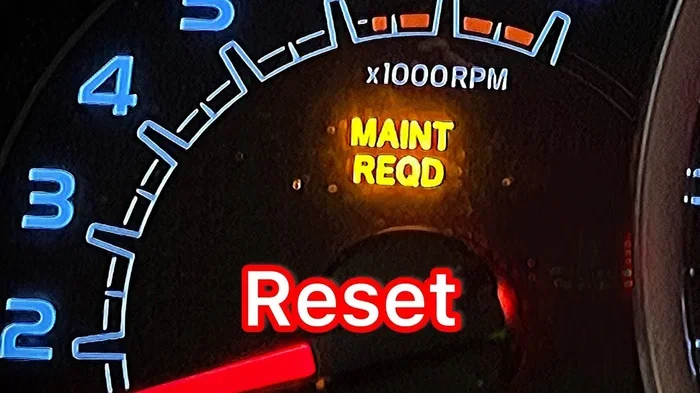
Resetting Maintenance Trip Meters: Flushing Oil Change Warning Indicators Post-service Completion.
Resetting maintenance trip meters is a simple but essential step after every oil change. This guide walks you through the exact process to flush oil change warning indicators and keep your vehicle’s service records accurate. You will learn quick methods for different car brands, common mistakes to avoid, and tips to make your next service visit smoother.
After you take your car in for an oil change, there is one small step that many people forget. You need to reset the maintenance trip meter on your dashboard. This simple action clears the oil change warning light and tells your vehicle that a fresh service has been completed.
Understanding how to handle your car’s maintenance trip meters is a basic skill every driver should have. It takes only a few minutes and can save you from confusing warning lights later on. Whether you drive a Toyota, Honda, Ford, or any other brand, the process is straightforward once you know what to do.
In this article, we will walk you through everything you need to know about resetting maintenance trip meters. You will learn why it matters, how to do it for different vehicles, and what common mistakes to avoid. By the end, you will feel confident handling this task on your own.
Key Takeaways
- Resetting maintenance trip meters ensures your oil change counter starts fresh after each service.
- Flushing oil change warning indicators prevents distracting dashboard alerts after your car has been serviced.
- Every vehicle brand has a slightly different reset procedure, but the basic steps are similar.
- Ignoring service reminders can lead to missed oil changes and potential engine damage.
- Keeping a maintenance log helps you track service intervals and stay on top of vehicle care.
- Professional service centers often handle the reset for you, but knowing how to do it yourself saves time.
📑 Table of Contents
- What Are Maintenance Trip Meters?
- Why Resetting Maintenance Trip Meters Matters
- How to Reset Maintenance Trip Meters: Step-by-Step
- Common Mistakes When Flushing Oil Change Warning Indicators
- Oil Change Warning Indicators and What They Mean
- Keeping Up With Your Vehicle Maintenance Schedule
- Conclusion
What Are Maintenance Trip Meters?
Maintenance trip meters are small counters built into your car’s onboard computer system. They track the distance you drive between oil changes and other scheduled services. Think of them as a digital reminder system built right into your dashboard.
How Trip Meters Work
When your car leaves the service center after an oil change, the trip meter starts counting miles again. It monitors your driving distance and compares it against the recommended service interval. Most vehicles are set to remind you every 5,000 to 7,500 miles, depending on your make and model.
The oil life monitoring system in modern cars goes beyond simple mileage tracking. It factors in your driving habits, engine temperature, and driving conditions. This smart system gives you a more accurate picture of when your next oil change is due. It is part of what makes today’s vehicles so much easier to maintain than older models.
Different Types of Trip Meters
Not all trip meters work the same way. Some vehicles use a simple mileage counter, while others rely on a sophisticated oil life monitoring system. Here are the most common types you will encounter:
- Simple mileage counters that track distance only
- Oil life monitoring systems that use sensors and algorithms
- Manual service interval indicators that you set yourself
- Digital dashboard displays with multiple trip meter options
Knowing which type your car uses helps you understand the reset process better. Check your owner’s manual to find out which system your vehicle has. This small bit of research saves a lot of frustration later on.
Why Resetting Maintenance Trip Meters Matters
You might wonder why resetting the trip meter is so important after a service visit. The answer is simple. Without resetting, your car will keep showing old warnings even after you have completed the service. It is a small step with a big impact.
Preventing False Warnings
When you do not reset the maintenance trip meter, your dashboard keeps displaying the oil change reminder. This can be confusing and annoying. You might start to ignore the warning light altogether, which is a dangerous habit to form.
False warnings also make it harder to notice when a real issue comes up. If your dashboard is always lit up with old alerts, you might miss a new warning that actually needs your attention. Clearing the indicator light after every service keeps your dashboard clean and meaningful.
Keeping Accurate Service Records
Resetting the trip meter after each service helps you maintain accurate records. When you know exactly when your last oil change happened, you can plan your next service visit with confidence. This is especially helpful if you sell your car, as buyers appreciate a well-documented maintenance history.
A clean service record also helps your mechanic spot patterns. If something goes wrong with your engine, having accurate trip meter data gives the mechanic useful context for diagnosing the problem. It is one of those small habits that pays off in a big way over time.
Protecting Your Engine
Oil is the lifeblood of your engine. It lubricates moving parts, reduces friction, and prevents overheating. When you follow the recommended oil change interval, you keep your engine running smoothly for years.
Skipping oil changes or forgetting to reset your trip meter can lead to dirty oil circulating through your engine. Over time, this causes increased wear and tear. Resetting the maintenance trip meter after each service is a small habit that protects your engine in a big way. Think of it as a quick check that saves you from costly repairs down the road.
How to Reset Maintenance Trip Meters: Step-by-Step
Now let us get into the practical part. Resetting your maintenance trip meter is easier than you might think. The exact steps vary by vehicle brand, but the general process is similar across most makes and models. Here is a detailed guide for the most popular brands.
Resetting Trip Meters on Toyota Vehicles
For most Toyota models, follow these steps to reset your maintenance trip meter:
- Turn the ignition to the “ON” position without starting the engine
- Press the trip meter reset button on the dashboard or steering wheel
- Hold the button for about five seconds
- The trip meter display will flash, indicating it is resetting
- Release the button once the display shows zero
Some newer Toyota models use a steering wheel button combination. Check your owner’s manual for the exact button sequence if the above steps do not work for your vehicle. Toyota’s maintenance reminder system is straightforward once you know the right buttons to press.
Resetting Trip Meters on Honda Vehicles
Honda vehicles have a slightly different process. Here is how to reset the maintenance indicator on most Honda models:
- Press the select/reset knob on the dashboard or steering wheel
- Navigate to the maintenance menu on the display
- Hold the knob down for about ten seconds
- The maintenance indicator will blink and then reset
- Turn the ignition off and then back on to confirm
Honda’s oil life monitoring system is one of the more advanced setups. It uses driving data to calculate when your next oil change is needed. After a service, resetting this system ensures the new oil change interval starts fresh. The Honda process takes a little longer but is just as simple once you get the hang of it.
Resetting Trip Meters on Ford and Other Brands
Ford vehicles often require you to use the steering wheel controls to access the trip menu. Use the arrow buttons to navigate to the trip meter option, then press and hold the reset button until the display clears.
For other brands like Chevrolet, Nissan, and Volkswagen, the process is similar. Look for a trip or menu button on your dashboard or steering wheel. Navigate to the maintenance or trip meter option, and hold the reset button until the display clears. Each brand has its own quirks, but the general idea is the same across the board.
When the Reset Does Not Work
Sometimes the trip meter will not reset even after following the correct steps. This can happen for several reasons:
- The ignition was not in the right position
- The battery was recently disconnected
- The vehicle’s computer needs a professional reset tool
- A software update is pending
If you cannot reset the trip meter yourself, visit your dealership or a trusted service center. They have specialized tools that can clear the indicator quickly and accurately. Do not spend hours trying different button combinations. Sometimes the maintenance interval reset requires professional equipment, and that is perfectly fine.
Common Mistakes When Flushing Oil Change Warning Indicators
Even though resetting the trip meter is simple, people still make mistakes. Here are the most common errors and how to avoid them. Learning from these mistakes saves time and frustration.
Forgetting to Reset After Service
The most obvious mistake is simply forgetting to reset the trip meter. It happens to everyone. You pick up your car from the service center, drive home, and forget about the maintenance indicator sitting on your dashboard.
To avoid this, make it a habit to ask your service advisor to confirm the reset before you leave. Many service centers do this automatically, but it never hurts to double-check. A quick verbal confirmation takes only a few seconds and saves you from a lingering warning light on your dash.
Resetting Before the Service Is Complete
Some drivers reset the trip meter before the oil change is actually done. This clears the warning light prematurely and makes it harder to track when the next service is due. Always wait until the full service is complete before resetting any indicators. The oil change counter should only be zeroed out after fresh oil has been installed and the service is fully finished.
Using the Wrong Reset Method
Every vehicle brand has its own reset procedure. Using the wrong method can sometimes cause errors or fail to clear the indicator. Always refer to your vehicle’s owner manual or look up the specific reset procedure for your model online before attempting the reset. Taking five minutes to find the right method saves you from potential confusion and errors.
Ignoring Persistent Warning Lights
If the warning light stays on after you reset the trip meter, do not ignore it. A persistent light could indicate a deeper issue with your oil system, sensor, or engine. Have a mechanic inspect your vehicle to rule out any serious problems. Sometimes the service center forgets to reset the indicator, and sometimes there is a real issue underneath. Either way, it is worth getting checked out.
Oil Change Warning Indicators and What They Mean
Your dashboard uses several different warning lights to communicate maintenance needs. Understanding what each one means helps you respond quickly and appropriately. Not all lights are the same, and knowing the difference keeps you safe.
The Oil Change Reminder Light
This is the most common indicator related to maintenance trip meters. It usually looks like a small oil can symbol. When this light comes on, it means your vehicle’s oil life monitoring system has determined that an oil change is needed.
After you get your oil changed and reset the trip meter, this light should turn off immediately. If it does not, the reset was not successful, or there is another issue that needs attention. This is the light you will be clearing most often, so make sure you know exactly what it looks like on your specific vehicle.
The Oil Pressure Warning Light
Do not confuse the oil change reminder with the oil pressure warning light. The oil pressure light usually looks like a genie lamp or oil drop symbol and is red, not yellow or orange. This light indicates a serious problem with oil pressure and requires immediate attention.
If the oil pressure light comes on, pull over safely and check your oil level. Low oil pressure can cause severe engine damage if ignored. This is a different situation from a maintenance trip meter reset and should be treated as urgent.
The Check Engine Light
The check engine light is a general warning that can indicate many different issues. While it is not directly related to oil changes, it can sometimes be triggered by oil system problems. If you see this light alongside an oil change reminder, have your vehicle inspected as soon as possible. A qualified mechanic can run a diagnostic scan to identify the exact cause.
Keeping Up With Your Vehicle Maintenance Schedule
Resetting maintenance trip meters is just one part of staying on top of vehicle care. A comprehensive approach to maintenance keeps your car running at its best and prevents costly repairs down the road. Here are some practical tips to help you stay organized.
Creating a Personal Maintenance Log
Consider keeping a simple maintenance log, either on paper or in a phone app. Record every oil change, tire rotation, brake inspection, and other service. This log becomes a valuable reference when you need to track service intervals or prove maintenance history during a sale.
Many modern vehicles have built-in service history features. You can access this information through the dashboard display or a companion app. Use these tools to stay organized and never miss a service appointment. A good maintenance log also makes it easier to spot patterns, like recurring issues or services that always come at the same mileage.
Setting Reminders for Your Next Service
Set a reminder on your phone or calendar for your next oil change. Most drivers need an oil change every 5,000 to 7,500 miles, but check your owner’s manual for the exact interval recommended for your vehicle.
You can also use the trip meter itself as a reminder tool. After resetting it post-service, keep an eye on the mileage count. When it approaches the recommended interval, schedule your next service visit. This proactive approach prevents you from ever falling behind on your maintenance schedule.
Building a Relationship With Your Service Center
Finding a reliable service center and sticking with them pays off in the long run. A consistent service provider knows your vehicle’s history and can offer personalized advice on maintenance intervals and warning signs to watch for.
Do not be afraid to ask questions during your service visits. A good service advisor will explain what maintenance your vehicle needs and why. Understanding your car’s needs empowers you to make informed decisions about its care. Over time, this relationship becomes a valuable part of your vehicle ownership experience.
Conclusion
Resetting maintenance trip meters after every oil change is a quick and easy habit that pays big dividends. It keeps your dashboard clear, your service records accurate, and your engine protected. Taking a few extra minutes to flush oil change warning indicators after service completion ensures you always know exactly when your next maintenance is due.
Whether you drive a Toyota, Honda, Ford, or any other vehicle, the reset process is straightforward once you know the steps. Avoid the common mistakes outlined in this guide, and always confirm the reset with your service advisor before leaving the shop. Your car will thank you with better performance and a longer lifespan.
Now that you understand the importance of resetting maintenance trip meters, make it a standard part of your post-service routine. Your future self will appreciate the clarity and peace of mind that comes with a clean dashboard and accurate maintenance tracking. Start today, and you will never second-guess your service schedule again.
Frequently Asked Questions
How often should I reset my maintenance trip meter?
You should reset your maintenance trip meter every time you complete an oil change or scheduled service. Most drivers need an oil change every 5,000 to 7,500 miles, so you will be resetting the trip meter roughly two to four times a year. Consistency is key to keeping accurate service records.
Can I reset the trip meter myself, or do I need a mechanic?
In most cases, you can reset the trip meter yourself using your dashboard controls. The process is simple and takes only a few minutes. However, if the reset does not work or your vehicle uses a professional-grade system, a mechanic or service center can handle it quickly and accurately.
What happens if I don’t reset the trip meter after an oil change?
If you do not reset the trip meter, the oil change reminder light will stay on your dashboard. This creates confusion and makes it harder to track when your next service is due. Over time, ignoring the light can also cause you to overlook new warnings that actually need your attention.
Does resetting the trip meter clear the oil change light permanently?
Yes, resetting the trip meter clears the oil change light until the system determines that another oil change is needed. The oil life monitoring system tracks your driving and will trigger the light again when the interval is reached. This cycle repeats with every service.
Is it safe to drive with the oil change warning light on?
Driving with the oil change reminder light on is generally safe for a short period. However, you should not delay your oil change for too long. Old oil loses its effectiveness and can cause increased engine wear. Schedule your oil change as soon as possible after the light comes on.
Do all vehicles have the same reset procedure?
No, every vehicle brand has its own reset procedure. Toyota, Honda, Ford, and other brands each use different button combinations and menu paths. Always check your owner’s manual or look up the specific procedure for your model before attempting the reset. This ensures you do the process correctly the first time.