Signs Your Car Battery Is Dying Information SD Explained
Knowing the signs your car battery is dying information SD residents trust can save you from unexpected breakdowns. This guide covers every warning signal, from slow cranking to dim lights. You will learn how to test your battery, when to replace it, and how to extend its life. We break it all down in simple, actionable steps you can use right away.
You turn the key, and nothing happens. Or maybe your engine cranks slowly like it is running on tired legs. These moments are frustrating, but they are also your car trying to tell you something important. The signs your car battery is dying information SD drivers should know can help you act before you are stranded on the side of the road.
A car battery is the heart of your vehicle’s electrical system. It starts the engine, powers your lights, and keeps your radio and sensors running. When that battery starts to fail, your whole car feels off. This guide will walk you through every warning sign in plain language. You will learn what to look for, how to test things yourself, and when it is time to get a new battery.
Whether you live in San Diego or just passing through, understanding these signs puts you ahead of the game. Most drivers wait until their car refuses to start. That is a mistake. By the time your car will not turn over, the battery is usually well past the point of saving. Catching the early signals gives you time to plan, budget, and avoid a stressful situation.
Key Takeaways
- Slow engine crank is one of the earliest signs your car battery is dying. If your engine takes longer to start, do not ignore it.
- Dim headlights and electrical issues point to a weak battery. Your battery powers everything electrical in your car.
- Check the battery age. Most car batteries last 3 to 5 years before needing replacement.
- Corrosion on terminals is a clear visual warning. White or blue powdery buildup means your battery may be failing.
- Regular maintenance and testing can prevent sudden failure. A simple voltage test takes only minutes.
- Cold weather in SD worsens battery performance. Low temperatures reduce battery capacity significantly.
- Swelling or bloating of the battery case is dangerous. Replace a swollen battery immediately.
📑 Table of Contents
- What Are the Signs Your Car Battery Is Dying Information SD Drivers Often Miss
- How to Test Your Car Battery at Home
- Common Causes of a Dying Car Battery
- When Should You Replace Your Car Battery
- Battery Maintenance Tips to Extend Battery Life
- How to Jump Start a Car with a Dying Battery
- Signs Your Car Battery Is Dying Information SD Compared With Other Regions
- Key Takeaways
- Frequently Asked Questions
- Conclusion
What Are the Signs Your Car Battery Is Dying Information SD Drivers Often Miss
Most people think a dying battery just means the car will not start. That is only part of the story. There are many subtle clues your battery gives you long before it completely fails. Learning to read these signs is the first step in staying ahead of the problem.
Slow Engine Crank
This is the most common and obvious sign. When you turn the key, the engine should fire up quickly. If it turns over slowly or takes several tries, your battery is struggling. The starter motor needs a strong burst of power to get the engine running. A weak battery delivers that power sluggishly. In cold mornings around San Diego, this problem can feel even more noticeable. Do not brush off a slow crank. It is your battery waving a little white flag.
Dim or Flickering Headlights
Your headlights need a steady flow of power. If you notice them dimming when you idle or flickering while driving, the battery may be the culprit. A healthy battery sends consistent voltage to all electrical systems. When it weakens, the lights are often the first thing to suffer. Try this simple test. Turn the key to the accessory position without starting the engine. If your headlights look noticeably dimmer than normal, get your battery checked. This is one of the signs your car battery is dying information SD mechanics see all the time.
Electrical Issues and Dashboard Warnings
Modern cars are packed with electronic systems. Your radio, power windows, GPS, backup camera, and climate control all rely on the battery. When the battery starts to die, these systems can act strange. You might notice the radio resetting, windows moving slower, or warning lights flickering on the dash. The check engine light can also come on due to low voltage. Do not ignore these small glitches. They are often the earliest warnings of a failing battery.
The Battery Age Factor
Every car battery has a lifespan. Most last between three and five years. After that, performance drops steadily. If you cannot remember when you last replaced your battery, it is time to check. Look for a date sticker on the battery case. The month and year of manufacture will tell you how old it is. In San Diego’s warm climate, batteries can sometimes last a bit longer. But heat also causes fluid evaporation and internal damage over time. Do not assume your battery is fine just because it is under five years old.
How to Test Your Car Battery at Home
You do not need to be a mechanic to test your battery. A simple multimeter tool costs under twenty dollars and gives you instant answers. Testing your battery regularly can catch problems early. Here is how to do it the easy way.
Using a Multimeter
Set your multimeter to measure DC voltage. Connect the red probe to the positive terminal and the black probe to the negative terminal. A fully charged battery should read 12.6 volts or higher. If it reads below 12.4 volts, your battery is starting to weaken. A reading under 12.0 volts means the battery is in serious trouble. This quick test takes less than two minutes and can save you a lot of headaches.
Load Testing
A load test simulates the demand your starter puts on the battery. Many auto parts stores in San Diego offer this test for free. They hook up a special device and measure how well your battery holds voltage under stress. A good battery should maintain above 9.6 volts during a load test. If it drops quickly, the battery needs to be replaced. This is one of the most reliable ways to know your battery’s true condition.
Visual Inspection
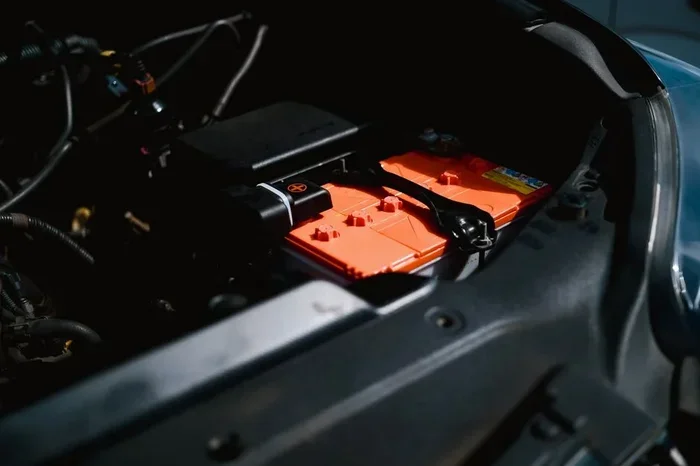
Pop the hood and take a good look at your battery. Check for any cracks, leaks, or swelling in the plastic case. Look at the terminals for white or blue powdery buildup. That is called corrosion, and it blocks the flow of electricity. You can clean minor corrosion with a mixture of baking soda and water. Use an old toothbrush and scrub gently. But if the case looks damaged or bloated, do not take chances. Replace the battery right away.
Common Causes of a Dying Car Battery
Understanding why batteries fail helps you prevent future problems. Several factors can shorten your battery’s life. Here are the most common causes drivers in San Diego and beyond face.
Short Trips and Frequent Driving
Your alternator recharges the battery while you drive. But short trips do not give the battery enough time to fully recharge. If you only drive five or ten minutes at a time, the battery slowly loses its charge. Over weeks and months, this adds up. Try to take longer drives when you can. A thirty-minute highway trip gives the alternator time to do its job properly.
Extreme Temperatures
Both extreme heat and cold hurt your battery. San Diego summers can push under the hood temperatures above 200 degrees. That heat speeds up chemical breakdown inside the battery. Cold winter mornings reduce the battery’s ability to deliver power. The combination of heat and cold over the years wears the battery down faster. If you live in a climate with big temperature swings, your battery may need replacing more often.
Parasitic Draw
Even when your car is off, some electrical systems keep running. The clock, the alarm system, and the onboard computer all draw a small amount of power. This is normal. But if something is draining more power than it should, your battery will suffer. A faulty relay, a stuck dome light, or a defective module can cause a parasitic draw. If your car sits for a few days and the battery is dead, this could be the reason.
Corroded or Loose Connections
The battery terminals need a clean, tight connection. Corrosion or loose cables prevent electricity from flowing properly. You might notice your car stalls or the lights flicker when you turn the steering wheel. That is because the power supply is interrupted. Regularly inspect your terminals and tighten them if needed. A simple cleaning can restore good connection and extend battery life.
When Should You Replace Your Car Battery
Knowing when to replace your battery saves you from being caught off guard. You should not wait until the car will not start. Here are clear signals it is time for a new one.
Three Warning Signs It Is Time for a New Battery
First, if your battery is more than four years old, start planning for a replacement. Second, if you need jump starts more than once a month, the battery is on its way out. Third, if you notice any of the visual signs we discussed, do not delay. A swollen case, cracked walls, or heavy corrosion all mean the battery is done.
How Much Does a Battery Replacement Cost
A standard car battery in San Diego typically costs between one hundred and two hundred dollars. Premium batteries with longer warranties can cost more. Labor for installation is usually included when you buy from an auto parts store. If you are handy, you can do it yourself and save the service fee. Just make sure you dispose of the old battery properly. Most stores will recycle it for you at no charge.
Choosing the Right Battery
Not all batteries are the same. Check your owner’s manual for the correct group size and cold cranking amps rating. In San Diego, you do not need the highest cold cranking amps because the climate is mild. But if you drive in colder areas, choose a battery with a higher CCA rating. Also consider the warranty length. A longer warranty gives you more peace of mind and often reflects better build quality.
Battery Maintenance Tips to Extend Battery Life
A little care goes a long way toward keeping your battery healthy. These simple habits can add months or even years to your battery’s lifespan.
- Keep the terminals clean. Wipe them down every few months with a baking soda solution.
- Drive your car regularly. Longer drives help the alternator fully recharge the battery.
- Turn off all accessories before shutting off the engine. This reduces strain on the battery during startup.
- Check the battery hold-down clamp. A loose battery vibrates and can damage the internal plates.
- Avoid leaving lights or accessories on when the engine is off. This is the number one cause of dead batteries.
- Get a free battery test at your local auto store. Most places in San Diego offer this service year round.
These tips are easy to follow and take very little time. Making them part of your regular car care routine keeps your battery strong and reliable. Think of it like brushing your teeth for your car. A little prevention now saves a lot of trouble later.
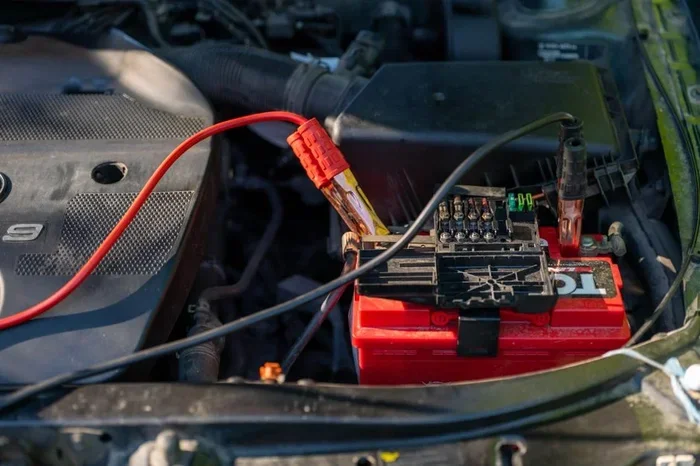
How to Jump Start a Car with a Dying Battery
Sometimes you need a quick fix to get going. Jump starting is a useful skill every driver should know. Here is the process in simple steps.
- Park the working car close to yours but do not let them touch.
- Turn off both engines and all accessories.
- Connect the red clamp to the positive terminal of your dead battery.
- Connect the other red clamp to the positive terminal of the good battery.
- Connect the black clamp to the negative terminal of the good battery.
- Connect the last black clamp to an unpainted metal surface on your car’s engine block.
- Start the working car and let it run for a few minutes.
- Try starting your car. If it starts, let it run for at least twenty minutes to recharge.
Always remove the cables in the reverse order. And never try to jump start a battery that is cracked, leaking, or swollen. That can be very dangerous. If you find yourself needing jump starts often, the signs your car battery is dying information SD experts share all point to one conclusion. It is time for a replacement.
Signs Your Car Battery Is Dying Information SD Compared With Other Regions
San Diego has a unique climate that affects car batteries differently than other parts of the country. The warm, dry weather can actually be harder on batteries than cold climates in some ways. Heat causes the battery fluid to evaporate faster, which damages the internal plates. Drivers in colder northern states often blame the cold for battery failure, but heat does more cumulative damage over time.
In San Diego, many drivers assume they do not need to worry about their battery because it never gets really cold. That is a dangerous assumption. The heat alone can shorten battery life significantly. Regular testing and maintenance are just as important here as they are anywhere else. The signs your car battery is dying information SD residents should watch for are the same warning signals recognized nationwide.
However, the timeline may be a bit different. Batteries in San Diego might need replacement every three to four years instead of five. If you drive a lot in stop-and-go traffic or use lots of electronics while idling, your battery will wear out even faster. Knowing your local conditions helps you make smarter decisions about battery care and replacement timing.
Key Takeaways
- Slow engine crank is one of the earliest signs your car battery is dying. If your engine takes longer to start, do not ignore it.
- Dim headlights and electrical issues point to a weak battery. Your battery powers everything electrical in your car.
- Check the battery age. Most car batteries last 3 to 5 years before needing replacement.
- Corrosion on terminals is a clear visual warning. White or blue powdery buildup means your battery may be failing.
- Regular maintenance and testing can prevent sudden failure. A simple voltage test takes only minutes.
- Cold weather in SD worsens battery performance. Low temperatures reduce battery capacity significantly.
- Swelling or bloating of the battery case is dangerous. Replace a swollen battery immediately.
Frequently Asked Questions
How do I know if my car battery is dying?
Look for slow cranking, dim headlights, electrical glitches, and the battery age. If your car is over three years old and showing any of these signs, get a battery test. A simple voltage check at any auto parts store will tell you the truth fast.
Can a dying battery be saved?
Sometimes a mildly weak battery can be recharged and recover. But if the battery is old, swollen, or deeply discharged, it cannot be saved. Trying to recharge a dead battery wastes time and money. Replacement is the safest and most reliable option in most cases.
How long does a car battery last in San Diego?
Most car batteries in San Diego last three to five years. The warm climate accelerates chemical breakdown inside the battery. Hot summers are especially hard on battery health. Regular testing helps you catch the decline before you are left stranded.
What causes a car battery to die quickly?
Short trips, parasitic draws, corroded terminals, and extreme heat all shorten battery life. Leaving lights on or accessories running while the engine is off is the most common cause. If your battery dies often, have a mechanic check for parasitic draw and charging system issues.
Is it safe to drive with a weak battery?
It is not safe. A weak battery can leave you stranded at any moment. It can also put extra strain on the alternator, which is a much more expensive repair. If you suspect your battery is weak, get it tested and replace it if needed right away.
How much does it cost to replace a car battery in the San Diego area?
Battery replacement in San Diego typically costs between one hundred and two hundred fifty dollars including installation. The price depends on the battery size, brand, and warranty. Many auto parts stores offer free installation when you purchase a new battery from them.
Conclusion
The signs your car battery is dying information SD drivers need are clear once you know what to look for. Slow cranking, dim lights, electrical issues, and visual warnings like corrosion or swelling all tell the same story. Your battery is working hard and it is asking for help. Catching these signals early gives you time to act before a dead battery leaves you stuck.
Regular testing, simple maintenance, and knowing your battery’s age are the best tools you have. Do not wait for the warning signs to become a crisis. Take a few minutes today to check your battery. A little attention now can save you hours of frustration later. Stay proactive, stay informed, and keep your car running strong on every road you take.