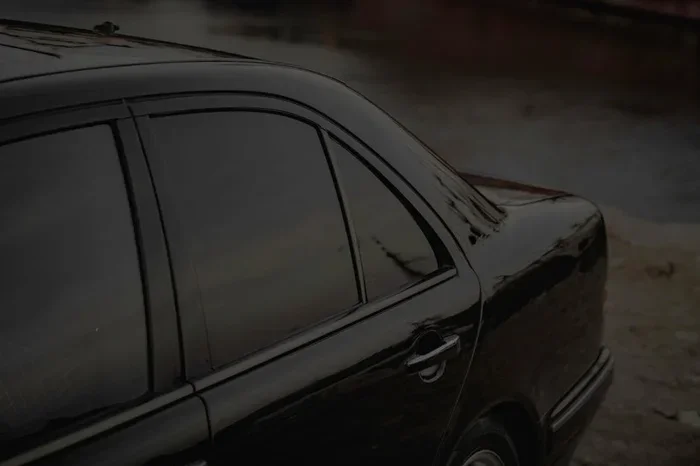
What Does Tint Percentage Mean for Your Car Windows
Tint percentage refers to how much light a car window tint film allows to pass through the glass. It is measured as Visible Light Transmission (VLT), and choosing the right level affects your comfort, safety, and legal compliance. Understanding tint percentage helps you make informed decisions about heat rejection, UV protection, and privacy for your vehicle.
Tint percentage is one of the most important things to understand before you tint your car windows. It determines how dark your windows look, how much heat they block, and whether you stay on the right side of the law. If you have ever walked into a tint shop and felt confused by all the numbers and terms, you are not alone.
This guide breaks down everything you need to know about tint percentage in simple, straightforward language. By the end, you will know exactly what tint percentage means, how it is measured, and how to choose the best level for your car. Let us get into it.
Key Takeaways
- Tint percentage measures how much light passes through your window film. Lower numbers mean darker tints.
- VLT (Visible Light Transmission) is the standard metric used to describe tint darkness.
- Legal limits vary by state and window position. Always check local regulations before tinting.
- Different tint materials offer varying levels of heat rejection and UV protection. Ceramic and carbon tints perform best.
- Choosing the right tint percentage depends on your climate, driving habits, and personal preferences.
- Professional installation ensures even application and long-lasting results.
📑 Table of Contents
What Does Tint Percentage Actually Mean?
Tint percentage, also known as VLT or Visible Light Transmission, tells you how much light the tint film lets through your car windows. A lower tint percentage means less light gets through, which makes the window appear darker. A higher percentage means more light passes through, so the window looks clearer.
Think of it like sunglasses for your car. If you wear very dark sunglasses, very little light reaches your eyes. That is like a low tint percentage. If you wear light pink sunglasses, more light gets through. That is like a high tint percentage. The concept is the same, just applied to your vehicle.
Why Tint Percentage Matters
The tint percentage you choose affects several important things. It changes how hot your car stays in the summer. It affects how well you can see at night. It determines how much UV radiation reaches your skin and your car interior. And it decides whether you pass your state inspection or get pulled over.
Here is a quick look at what different tint levels do:
- High tint percentage (70-90%): Very light tint. Barely noticeable. Great for subtle UV protection and glare reduction.
- Medium tint percentage (35-50%): Noticeable darkness. Good balance of style, comfort, and visibility.
- Low tint percentage (5-20%): Very dark. Maximum privacy and heat rejection. But harder to see through, especially at night.
Understanding these ranges helps you set realistic expectations before you visit a shop.
How Is Tint Percentage Measured?
Tint percentage is measured using a device called a tint meter. This tool shines a light through the window and calculates what percentage of visible light passes through the film and glass combined. The result gives you the VLT number.
Here is how the measurement process works in practice:
- The technician places the tint meter against the window.
- The device sends a beam of light through the glass and film.
- A sensor reads how much light comes out the other side.
- The number displayed is your tint percentage.
It is important to know that tint percentage is measured after the film is already installed. You cannot know the exact number just by looking at a roll of film. The glass itself also plays a role. Factory car windows already block some light, so the combined tint percentage includes both the glass and the film.
Tint Percentage vs. Tint Shade
People often confuse tint percentage with tint shade. The shade refers to the color or hue of the film. You can get tints in charcoal, blue, green, gold, and many other colors. The percentage, on the other hand, only measures light transmission. Two films can be the same shade but have very different tint percentages depending on their material and density.
When shopping for car window tint, always ask about the VLT number rather than just the color. The shade might look great in the showroom, but the tint percentage is what determines actual performance.
Common Tint Percentage Options Explained
Most tint shops offer a few standard tint percentage levels. Each one serves a different purpose. Let us walk through the most popular options.
5% Tint (Limo Tint)
A 5% tint is extremely dark. It is what you see on the back windows of limousines. At this level, you cannot see through the windows from the outside at all. This tint offers maximum privacy and heat rejection, but it is illegal for most front side windows in nearly every state.
5% tint is best suited for rear passenger windows and rear windshields where visibility from outside is not a safety concern. Some people also use it on full-size SUVs and vans where rear visibility is less critical.
20% Tint
Twenty percent tint is a popular choice for those who want a dark look without going to the extreme. You can still see through a 20% tint during the day, but it becomes challenging at night or in poorly lit areas. This level provides excellent heat rejection and good UV protection.
Many car owners choose 20% for their side windows because it strikes a nice balance between style and safety. It is dark enough to look sleek but light enough to stay functional.
35% Tint
Thirty-five percent tint is one of the most versatile options available. It provides a noticeable darkening effect while still allowing good visibility in all lighting conditions. This is often the go-to choice for people who tint their car for the first time.
A 35% tint works well in both hot and moderate climates. It blocks a solid amount of solar heat and UV rays without making the interior too dark. If you are unsure which percentage to pick, 35% is a safe starting point.
50% Tint
Fifty percent tint is considered a light tint. It blocks about half of the visible light that enters your car. You will notice reduced glare and a slight darkening effect, but the windows still look fairly clear.
This level is great for people who want the functional benefits of tint without changing the appearance of their car too much. It is also one of the more legally friendly options across different states.
70% and Above (Lightest Tint)
Tints at 70% or higher are barely visible. They are sometimes called clear tints or UV protection tints. These films are designed primarily for health and comfort reasons rather than aesthetics.
People who spend a lot of time driving choose high-percentage tints to protect their skin from sun damage. The windows still look mostly stock, but you get meaningful UV and heat protection underneath.
Benefits of Different Tint Percentages
Every tint percentage level comes with its own set of advantages. Your choice should depend on what matters most to you. Let us compare the key benefits side by side.
| Tint Level | Heat Rejection | UV Protection | Privacy | Visibility |
|---|---|---|---|---|
| 5% | Excellent | Excellent | Maximum | Poor |
| 20% | Very Good | Very Good | High | Moderate |
| 35% | Good | Good | Moderate | Good |
| 50% | Moderate | Good | Low | Very Good |
| 70%+ | Mild | Good | Minimal | Excellent |
As you can see, there is a trade-off between darkness and visibility. Darker tints give you more privacy and better heat rejection, but they reduce your ability to see through the windows. Lighter tints keep visibility high but offer less of the premium benefits.
Heat Rejection and Tint Percentage
One of the top reasons people tint their windows is to reduce heat inside the car. Lower tint percentages generally block more solar energy. However, the type of film matters just as much as the percentage. Ceramic tint films, for example, can reject a lot of heat even at higher VLT levels.
If you live in a hot climate, consider pairing a low tint percentage with a high-quality ceramic or carbon film. This combination gives you the best of both worlds: darkness and heat protection.
UV Protection Across Tint Levels
Most quality tint films block up to 99% of harmful UV rays, regardless of the tint percentage. This is a huge benefit for your skin and for preventing your car interior from fading and cracking. Even a 70% tint film can provide excellent UV protection because the blocking ability comes from the film material, not just the darkness.
Still, darker tints often have better overall UV performance simply because they use denser materials. If sun protection is a top priority, go with a lower tint percentage and a premium film type.
Legal Tint Limits You Need to Know
Every state in the US has its own window tint laws. These laws specify the maximum or minimum tint percentage allowed for each window on your vehicle. Ignorance of these rules is not an excuse, and getting caught with illegal tint can result in fines and even要求 you to remove the tint.
Front Side Windows
Most states require the front side windows to have a tint percentage of 35% or higher. This means the film must let at least 35% of visible light through. Some states allow as low as 20%, but those are the exception rather than the rule.
The front side windows are regulated closely because they affect the driver’s peripheral vision. Law enforcement officers need to see inside your car during traffic stops, so darker tints on the front windows are restricted.
Rear Side Windows and Rear Windshield
Rear windows generally have more relaxed tint laws. Many states allow tint percentages as low as 5% on the back side windows and rear windshield. Some states require a dual side mirror if the rear window is tinted below a certain percentage.
The logic here is simple. Rear windows are not directly in the driver’s line of sight, so darker tints pose less of a safety risk. However, always double-check your specific state’s rules.
Medical Exemptions
Some states offer medical exemptions for window tint. If you or a passenger has a condition that makes you sensitive to sunlight, you may be allowed to tint your windows darker than the legal limit. You typically need a doctor’s prescription or certificate to qualify.
Common conditions that qualify include lupus, eczema, photosensitivity disorders, and certain skin cancers. If you think you might qualify, check with your state’s DMV or tint regulatory agency.
Quick Tips for Staying Legal
- Always ask your tint shop about state-specific regulations. A reputable shop will know the local laws.
- Get a tint receipt that lists the VLT percentage. This protects you if you ever get pulled over.
- Do not assume the laws are the same everywhere. Tint regulations vary widely from state to state.
- Consider a light tint if you are unsure. A 35% or 50% tint is almost always legal and still looks great.
How to Choose the Right Tint Percentage for Your Car
Choosing the right tint percentage comes down to understanding your needs. There is no one-size-fits-all answer. Here are the factors you should consider before making a decision.
Think About Your Climate
If you live in a hot, sunny state like Arizona or Texas, you will benefit most from a lower tint percentage. Darker tints block more solar heat and keep your car cooler. In cooler climates, you might prefer a lighter tint that still offers UV protection without making the interior too dark during winter months.
Consider Your Driving Conditions
Do you drive mostly during the day or at night? If you do a lot of night driving, a very dark tint can be dangerous. Low-light visibility is already reduced at night, and a low tint percentage makes it even harder to see pedestrians, cyclists, and other vehicles.
For nighttime drivers, a medium tint percentage of 35% or higher is usually the safest choice. If you only drive during the day, you have more flexibility to go darker.
Prioritize Your Goals
What is the main reason you want to tint your windows? If it is privacy, go with a lower tint percentage. If it is heat reduction, look at the film material as well as the percentage. If it is UV protection, even a light tint will do the job. Knowing your priority helps you narrow down the options quickly.
Popular Tint Percentage Combinations
Many car owners choose a layered approach. They tint the front side windows at a lighter percentage for safety and legal compliance, then go darker on the rear windows for privacy and style. This combination is both practical and visually appealing.
A common setup is 35% on the front side windows and 20% on the rear side windows and rear windshield. This gives you a balanced look and keeps you within most state regulations.
Common Mistakes to Avoid
- Buying the darkest tint without checking local laws. This can lead to fines and the hassle of removing the film.
- Choosing tint based only on how it looks in the store. Tint looks different on a window than on a sample swatch. Always test a small piece first.
- Ignoring the film type. The tint percentage tells you about darkness, but the material determines heat rejection and durability.
- Skipping professional installation. DIY tint kits often result in bubbles, peeling, and uneven coverage.
Expert Insight on Tint Percentage Selection
Professional installers often recommend starting with a medium tint percentage if you are new to window film. A 35% tint is a safe, versatile choice that works in most situations. Once you get used to the feel and look, you can always go darker on future installations.
Also, keep in mind that tint percentage is not the only factor in performance. The type of film matters a lot. Ceramic films, for example, offer superior heat rejection and clarity compared to dyed or metallic films, even at the same VLT level. When budgeting for your tint, invest in quality film first and worry about the exact percentage second.
If you are comparing options, think about what you want out of the experience. Do you want maximum comfort? Go with a low tint percentage and a ceramic film. Do you just want a subtle upgrade? A high tint percentage with a basic dyed film will do the job just fine.
Final Thoughts on Tint Percentage
Tint percentage is the foundation of any good window tinting decision. It affects how your car looks, how comfortable it is, and whether you stay within the law. By understanding what the numbers mean and how they relate to your needs, you can confidently choose the right tint level for your vehicle.
Remember that the best tint percentage is the one that balances your priorities. Whether you want maximum heat rejection, great UV protection, or a stylish dark look, there is a tint percentage that fits. Do your research, check your local laws, and work with a trusted professional to get the best results.
Take your time, ask questions, and do not rush the decision. A well-chosen tint percentage will serve you well for years to come, keeping your car cooler, safer, and more comfortable every time you drive.
Frequently Asked Questions
What is the best tint percentage for hot climates?
A tint percentage between 5% and 20% works best in hot climates because it blocks the most solar heat. Pairing a low tint percentage with a ceramic or carbon film gives you maximum heat rejection. This keeps your car interior significantly cooler during summer months.
Is 5% tint legal for front windows?
In most states, 5% tint is illegal for front side windows and the windshield. It is typically only allowed on rear side windows and rear windshields. Always check your specific state regulations before choosing an extremely dark tint percentage.
Can I see through a 20% tint at night?
Seeing through a 20% tint at night is difficult, especially on unlit roads. During the day, visibility is acceptable. If you do a lot of night driving, consider a lighter tint percentage like 35% or higher for better safety.
Does tint percentage affect GPS or phone signal?
Some tint materials, especially metallic films, can interfere with GPS and phone signals. Ceramic tint films are signal-friendly and do not cause this issue. The tint percentage itself does not affect signal strength, but the film material does.
How long does tint last at different percentages?
Tint longevity depends more on the film quality and installation than on the tint percentage. Premium ceramic and carbon films can last 10 to 15 years regardless of the darkness level. Cheaper dyed films may fade or bubble within a few years.
What is the difference between tint percentage and tint film type?
Tint percentage measures how much light passes through the film, while tint film type refers to the material used, such as ceramic, carbon, dyed, or metallic. You can have the same tint percentage with different film types, and each type will perform differently in terms of heat rejection and durability.
=== CONCLUSION ===
Tint percentage is a simple concept with big implications for your driving comfort and safety. It tells you how dark your window film is and how much light it lets in. From 5% limousine tint to 70% clear film, every level has its place depending on your needs, climate, and local laws.
Take the time to understand your options, weigh the pros and cons, and choose a tint percentage that fits your lifestyle. Whether you want maximum privacy, superior heat rejection, or just a subtle upgrade, the right tint percentage makes all the difference. Apply what you have learned here, and you will make a confident, informed choice for your car.