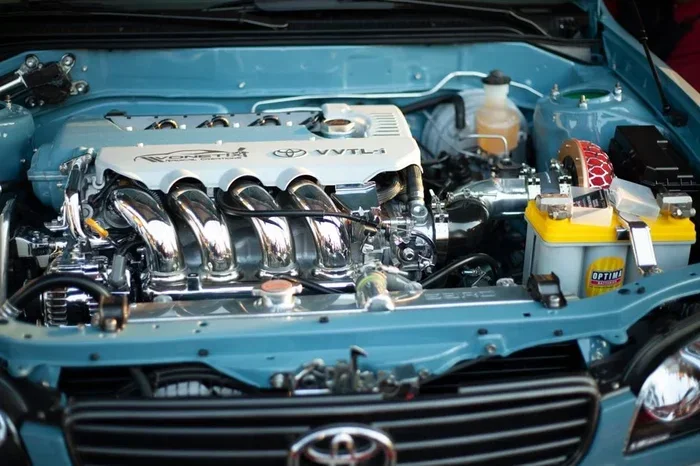
Toyota Pixis Cranking But Not Starting Easy Solutions
Toyota Pixis cranking but not starting is a frustrating but common issue that many owners face. This guide covers the top causes, from fuel system problems to ignition failures, and gives you simple, actionable fixes you can try at home. By the end, you will know exactly what to check and how to get your Toyota Pixis back on the road.
There is nothing worse than turning the key and hearing your Toyota Pixis crank and crank without catching. You turn it again. Nothing changes. The engine sounds alive but refuses to fire up. This is the dreaded Toyota Pixis cranking but not starting problem, and it can happen to any owner at any time.
Whether you drive a used model or your first brand-new Pixis, a no-start situation can throw your whole day off balance. You might be late for work, stuck on the side of the road, or just trying to run simple errands. The good news is that most causes are easy to identify and fix. You do not need to be a professional mechanic to handle many of these issues.
In this guide, we walk you through every common reason your Toyota Pixis cranking but not starting problem happens. We also give you clear, step-by-step fixes you can try yourself. By the end, you will feel confident diagnosing the issue and getting back behind the wheel. Let us dive in.
Key Takeaways
- Fuel delivery issues are the most common reason a Toyota Pixis cranks but does not start.
- Weak or dead batteries can cause cranking without ignition, especially in older models.
- Spark plug and ignition coil problems prevent the engine from firing properly.
- Sensor failures like the crankshaft position sensor often mimic starting problems.
- Regular maintenance helps prevent most no-start conditions in the Toyota Pixis.
- DIY troubleshooting can save you hundreds of dollars in mechanic costs.
📑 Table of Contents
- Why Your Toyota Pixis Cranks But Will Not Start
- Common Causes of Toyota Pixis Cranking But Not Starting
- Mechanical Problems That Prevent Starting
- Step-by-Step Troubleshooting Guide
- How to Prevent Future Starting Issues
- When to Call a Professional Mechanic
- Final Thoughts on Toyota Pixis Cranking But Not Starting
Why Your Toyota Pixis Cranks But Will Not Start
Understanding the Cranking Process
When you turn your key or press the start button, the starter motor spins the engine. This is called cranking. For the engine to actually start, three things must work together perfectly. You need fuel, spark, and compression. If even one of these is missing, your Toyota Pixis will crank but not start.
Think of it like a simple recipe. You need flour, eggs, and sugar to bake a cake. Take away one ingredient, and the cake does not rise. The same idea applies to your engine. A no start condition means one or more of these ingredients is missing.
Common Symptoms to Watch For
Before you start troubleshooting, pay attention to what your car is telling you. Here are the most common symptoms of a Toyota Pixis that cranks but will not start:
- The engine turns over quickly or slowly but does not fire.
- You hear the starter engage but get no response from the engine.
- The dashboard lights come on, but the engine stays silent after cranking.
- You smell fuel near the engine but it still will not start.
- The engine cranks normally but stalls immediately after a brief start.
Each symptom points to a different possible cause. The more details you can note, the easier your diagnosis will be.
Common Causes of Toyota Pixis Cranking But Not Starting
Fuel System Problems
The most frequent reason for Toyota Pixis cranking but not starting is a fuel delivery issue. Your engine needs a steady supply of fuel to run. If the fuel cannot reach the combustion chamber, the engine will crank but never catch.
Here are the top fuel-related problems to check:
- Empty fuel tank: It sounds silly, but this happens more often than you think. Always check your fuel gauge first.
- Clogged fuel filter: A dirty filter blocks fuel flow. Replace it according to your maintenance schedule.
- Faulty fuel pump: The fuel pump pushes gas from the tank to the engine. If it fails, no fuel reaches the cylinders.
- Bad fuel pump relay: This small switch controls the fuel pump. A failed relay means the pump never turns on.
- Clogged fuel injectors: Dirty injectors cannot spray fuel properly, leading to a lean or dry engine condition.
A quick way to test for fuel delivery issues is to listen for a humming sound when you turn the key to the “on” position. You should hear the fuel pump prime for a few seconds. No sound? Your fuel pump or relay might be the culprit.
Ignition System Failures
Without spark, fuel alone will not ignite. The ignition system creates the electrical spark that lights the fuel-air mixture in your engine. When this system fails, your Toyota Pixis cranking but not starting problem becomes almost impossible to miss.
Common ignition problems include:
- Worn spark plugs: Old spark plugs cannot produce a strong enough spark. They wear out over time and need regular replacement.
- Faulty ignition coil: The coil converts battery power into the high voltage needed for spark. A bad coil means no spark at all.
- Damaged ignition wires: Cracked or corroded wires leak voltage and weaken the spark.
- Distributor issues (older models): Some Pixis models use a distributor that can wear out over time.
Replacing spark plugs is one of the simplest and cheapest fixes you can do at home. Most Toyota Pixis models use standard spark plugs that are easy to access. Check your owner manual for the correct spark plug type and gap specification.
Electrical and Sensor Issues
Modern cars like the Toyota Pixis rely heavily on sensors and electrical components. A single faulty sensor can prevent your engine from starting, even if the fuel and spark systems are working perfectly.
Here are the electrical and sensor problems that often cause a no-start condition:
- Weak or dead battery: A low-voltage battery can crank the engine slowly but not provide enough power for ignition.
- Bad crankshaft position sensor: This sensor tells the engine computer where the crankshaft is. Without this signal, the engine does not know when to fire.
- Camshaft position sensor failure: Similar to the crankshaft sensor, this helps the computer time the fuel injection and spark.
- Faulty engine immobilizer: The anti-theft system can block starting if it does not recognize your key or key fob.
- Corroded battery terminals: Dirty or loose terminals reduce electrical flow and can cause intermittent starting problems.
If your dashboard warning lights are acting strange or flashing, pay close attention. The check engine light often stores codes related to sensor failures. A simple OBD-II scanner can read these codes and point you in the right direction.
Mechanical Problems That Prevent Starting
Compression and Internal Engine Issues
Sometimes the problem goes deeper than fuel or spark. Engine compression is the pressure that builds up inside the cylinders when the pistons move. Without proper compression, the fuel-air mixture will not ignite, no matter how much fuel or spark you provide.
Common mechanical causes of compression loss include:
- Worn piston rings: These seal the pistons inside the cylinders. Over time, they wear down and lose their grip.
- Blown head gasket: A damaged gasket lets coolant or air leak into the cylinders, disrupting compression.
- Bent or broken valves: Valves control airflow into and out of the cylinders. Damage to them affects engine performance severely.
- Timing belt or chain issues: If the timing is off, the valves and pistons do not sync properly, leading to a no-start condition.
These problems are more serious and usually require professional diagnosis. However, catching them early can save you from a complete engine rebuild. If you hear unusual knocking or ticking sounds from your engine, do not ignore them.
Step-by-Step Troubleshooting Guide
Now that you know the common causes, let us walk through a simple troubleshooting process. Follow these steps in order to narrow down the problem quickly.
- Check the fuel level: Look at your gauge. Add fuel if the tank is low. Sometimes the gauge is inaccurate.
- Listen for the fuel pump: Turn the key to “on” without starting. Listen for a soft hum from the back of the car. No sound? Check the fuel pump relay.
- Inspect the spark plugs: Remove one and look for wear, carbon buildup, or damage. Replace if needed.
- Test the battery voltage: Use a multimeter. A healthy battery should read 12.6 volts or higher. Below 12 volts means a weak battery.
- Check the battery terminals: Clean any corrosion with a wire brush. Make sure connections are tight.
- Scan for error codes: Use an OBD-II scanner to read any stored fault codes. These codes give you specific clues about what is wrong.
- Check the immobilizer light: If a security light stays on the dashboard, the anti-theft system might be blocking the start.
Following this sequence helps you rule out simple causes first before moving on to complex repairs. Most Toyota Pixis cranking but not starting issues fall into the first three steps above.
Quick Tips for Faster Diagnosis
- Keep a basic toolkit in your car. You never know when you need a wrench or a multimeter.
- Write down symptoms before you start. This helps you track patterns and avoid confusion.
- Do not spray starting fluid into the engine unless you are sure it is a fuel issue. It can damage sensors.
- Ask a friend to help. A second pair of ears can catch sounds you might miss.
- When in doubt, consult a trusted mechanic. Some problems need professional tools and expertise.
How to Prevent Future Starting Issues
The best way to deal with a Toyota Pixis cranking but not starting problem is to prevent it from happening in the first place. Regular maintenance goes a long way toward keeping your engine healthy and reliable.
Here are the best preventive measures every Toyota Pixis owner should follow:
- Replace spark plugs on schedule: Most Toyota Pixis models need new spark plugs every 30,000 to 60,000 miles. Check your manual for the exact interval.
- Change the fuel filter regularly: A clean fuel filter ensures smooth fuel delivery. Replace it every 20,000 to 40,000 miles.
- Keep the battery clean and charged: Inspect terminals for corrosion. Drive your car regularly to keep the battery healthy.
- Use quality fuel: Cheap or contaminated fuel can clog injectors and damage the fuel pump over time.
- Address warning signs early: If your car hesitates, stalls, or cranks slowly, get it checked before it becomes a full no-start situation.
- Follow the recommended service schedule: Regular oil changes, inspections, and tune-ups keep all systems running smoothly.
Think of maintenance as an investment. A few dollars spent on prevention today can save you hundreds in repair costs tomorrow. Your Toyota Pixis will reward you with reliable starts and smooth performance for years to come.
When to Call a Professional Mechanic
Not every starting problem can be solved with a DIY fix. Some issues require specialized tools, advanced knowledge, or professional equipment. Knowing when to call for help saves you time, money, and frustration.
You should contact a mechanic if:
- The engine cranks but shows no signs of fuel or spark after basic checks.
- You suspect internal engine damage, such as a blown head gasket or timing issue.
- Error codes point to complex sensor or computer problems.
- Your Toyota Pixis has been sitting unused for a long time and will not start at all.
- You have tried multiple fixes but the problem keeps coming back.
A professional mechanic has access to advanced diagnostic tools and years of experience. They can quickly pinpoint problems that might take you hours to figure out on your own. Do not hesitate to seek help when the problem feels beyond your comfort level.
Final Thoughts on Toyota Pixis Cranking But Not Starting
Dealing with a Toyota Pixis cranking but not starting situation can be stressful, but it is almost always fixable. The key is to stay calm, follow a logical troubleshooting process, and check the most common causes first. Most of the time, the problem comes down to fuel delivery, spark, or a simple electrical issue. With the right knowledge and a bit of patience, you can often solve the problem yourself.
Remember that regular maintenance is your best defense against starting problems. Keep your fuel system clean, replace spark plugs on time, and pay attention to your battery health. These simple habits keep your Toyota Pixis running strong and starting every time you turn the key.
Now you have the tools and knowledge to tackle this problem head-on. Do not let a no-start situation ruin your day. Grab your toolkit, follow the steps in this guide, and get your Toyota Pixis back on the road where it belongs.
Frequently Asked Questions
Why does my Toyota Pixis crank but not start in the morning?
Cold mornings often reveal weak batteries or fuel system issues. The battery may not have enough charge to deliver proper spark and fuel pressure. Try checking your battery voltage and fuel pump operation first. If the problem only happens in cold weather, a battery replacement or fuel additive might solve it.
Can a bad crankshaft position sensor cause my Toyota Pixis to crank but not start?
Yes, absolutely. The crankshaft position sensor tells the engine control unit where the crankshaft is positioned. Without this signal, the computer cannot time the spark or fuel injection. This is one of the most common reasons for Toyota Pixis cranking but not starting and is easy to diagnose with an OBD-II scanner.
How much does it cost to fix a Toyota Pixis that cranks but will not start?
The cost depends entirely on the cause. A spark plug replacement might cost under 50 dollars. A fuel pump or ignition coil can range from 100 to 400 dollars. Sensor replacements usually fall between 50 and 200 dollars. Always get a proper diagnosis before committing to expensive repairs.
Is it safe to use starting fluid on my Toyota Pixis?
Starting fluid can help you diagnose fuel delivery problems, but it should be used sparingly. Spraying too much can damage your engine sensors or cause a backfire. Use it only as a temporary diagnostic tool and never as a long-term fix.
How can I tell if the problem is the battery or the fuel system?
Check your battery voltage with a multimeter. If it reads below 12 volts, the battery is likely the issue. If the battery is strong but you hear no fuel pump hum when you turn the key, focus on the fuel system. A simple fuel pressure test at the rail can confirm a fuel pump problem.
What should I do if my Toyota Pixis starts but immediately stalls?
An immediate stall often points to a fuel delivery or sensor problem. The engine might briefly fire but cannot sustain running. Check the fuel pump, fuel filter, and crankshaft position sensor first. These are the most common culprits for a start-then-stall condition in the Toyota Pixis.
=== CONCLUSION ===
A Toyota Pixis cranking but not starting problem does not have to be a mystery. With the right information, you can diagnose and fix most causes yourself. Start with the simple checks, work your way through the troubleshooting steps, and do not be afraid to call a professional when needed. Keep your Pixis well-maintained, and it will reward you with reliable starts every single time.