How to Activate Toyota TPMS Tire Sensor the Easy Way
Learn how to activate your Toyota TPMS tire sensor with this simple, step-by-step guide. We cover the TPMS reset process, driving methods, and quick fixes to turn off the warning light. Whether you drive a Camry, RAV4, or Tacoma, you’ll master the Toyota TPMS activate sensor procedure in minutes.
You are driving your Toyota, and suddenly the TPMS warning light glows on the dashboard. It’s a small yellow icon that looks like a horseshoe with an exclamation mark. That little light can cause big worry. Is it a flat tire? Is something broken? Most of the time, the answer is simple. Your tire pressure monitoring system needs a quick reset. This guide shows you exactly how to toyota tpms activate sensor the easy way. You’ll learn the steps, the common mistakes, and the quick fixes that work on Camry, RAV4, Tacoma, and other models.
The tire pressure monitoring system, or TPMS, keeps an eye on the air inside your tires. When pressure drops too low, the light comes on. Sometimes the light stays on even after you fix the pressure. That’s when you need to activate or reset the sensor. The process is not hard. You don’t need expensive tools. With a few minutes and a calm approach, you can turn off the light and drive safely. This article breaks everything down into plain language. You’ll find step-by-step instructions, helpful tips, and real-world examples. By the end, you’ll feel confident handling the Toyota TPMS activate sensor task yourself.
Why does this matter? Proper tire pressure saves fuel. It keeps your tires wearing evenly. It also prevents blowouts. A working TPMS sensor gives you peace of mind. When the light is off, you know your tires are in good shape. So let’s dive into the simple steps to get that light off for good. No fluff, no confusing jargon. Just clear, friendly advice you can use right away.
Key Takeaways
- Activate sensor fast: Use the reset button or driving method to relearn Toyota TPMS sensors.
- Check tire pressure first: Always set correct PSI before activating the sensor.
- Replace batteries if needed: A dead sensor battery causes the TPMS light to stay on.
- Avoid common mistakes: Don’t skip the relearn sequence or drive too slowly.
- Know when to call a pro: If the light persists, a mechanic can diagnose deeper issues.
- Keep your tires safe: Proper TPMS activation ensures accurate pressure readings and better fuel economy.
📑 Table of Contents
Why Your Toyota TPMS Light Is On
Before you learn how to activate the sensor, you need to know why the light appears. The TPMS warning light is your car’s way of talking to you. It uses a simple symbol to say something is off. Understanding this helps you fix the real problem, not just the symptom.
What the TPMS Warning Light Means
The light looks like a horseshoe with a dot in the middle and an exclamation mark. It means one or more tires have low pressure. In some Toyotas, it also flashes when the system itself has a fault. A steady light usually means low pressure. A flashing light often points to a sensor issue. Either way, the system wants your attention.
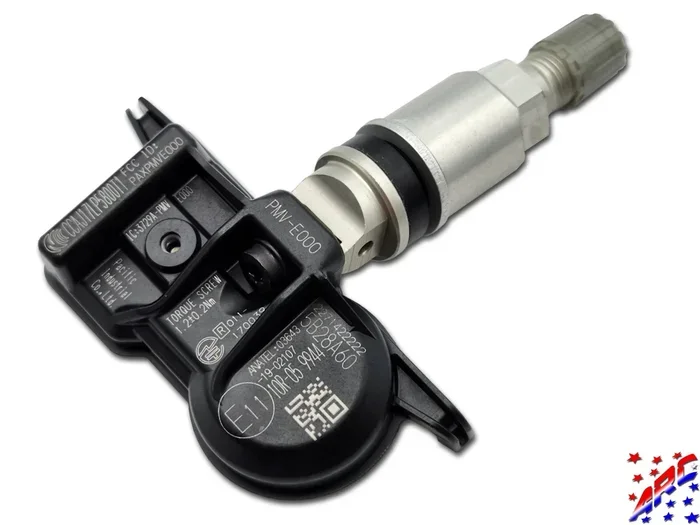
Direct TPMS systems have a small sensor inside each tire. These sensors measure the exact air pressure. They send a signal to the car’s computer. Indirect TPMS systems use the wheel speed sensors from the ABS. They detect a spinning tire that has less air. Both types can trigger the same warning light. Knowing which system your Toyota uses helps you choose the right fix.
Common Triggers for the TPMS Light
Several things can turn on the TPMS light. Here are the most common causes:
- Low tire pressure: A slow leak or temperature drop can reduce air.
- Temperature changes: Cold weather shrinks the air inside tires.
- Sensor battery death: TPMS sensors have batteries that last 5–10 years.
- Sensor damage: Hitting a pothole can break the sensor or its valve.
- After a tire rotation or change: The system needs to relearn the new sensor positions.
- Faulty TPMS module: Rarely, the control unit itself fails.
If you just added air, the light might still stay on. That’s because the system hasn’t reset yet. You need to tell the car, “Hey, the pressure is good now.” That’s where the Toyota TPMS activate sensor process comes in.
How to Activate Toyota TPMS Tire Sensor
Now we get to the heart of the matter. Activating the sensor means teaching the car’s computer to recognize the current tire pressure. The exact steps vary slightly by model year. But the core methods are the same across most Toyotas from 2008 onward. You’ll use either the reset button or the driving relearn method.
Step-by-Step Activation for Toyota Models
Follow these steps in order. Take your time. Each step is simple and clear.
- Park on a flat surface. Turn off the engine. Make sure the tires are cool.
- Check the tire pressure. Use a good gauge to set the pressure to the PSI listed on the driver’s door jamb. This is the recommended pressure for your Toyota.
- Locate the TPMS reset button. It’s usually under the steering wheel on the left side. It might be labeled “TPMS,” “RESET,” or “SET.”
- Press and hold the reset button. Turn the ignition to the “ON” position without starting the engine. Keep holding the button until the TPMS light blinks three times.
- Release the button. Start the engine. The light should stay off for a moment, then turn off completely after a few minutes of driving.
If the light stays on, don’t panic. Move to the driving method below. The Toyota TPMS activate sensor process often works best when you combine both methods.
The Reset Button Method
Some Toyota owners skip the button and go straight to driving. But the reset button is the official first step. It tells the system, “I’ve checked the pressure.” The button method works on most Toyota sedans, SUVs, and trucks. If you can’t find the button, check your owner’s manual. On some models, the reset is done through the multi-information display. You’ll navigate to “Vehicle Settings,” then “TPMS,” and select “Reset.” This screen method is just as effective.
After pressing the button, drive at a steady speed of 30–50 mph for about 10 minutes. The system will relearn the sensors. The TPMS light should go off during this drive. If it doesn’t, try the next method.
Driving Relearn Procedure
This method is great for when the light comes back after a tire change or rotation. The car needs to “see” each sensor again. Here’s how to do it:
- Drive at a steady 50 mph on a highway. Keep the speed constant for 10–15 minutes.
- Avoid sudden braking or sharp turns. Smooth driving helps the sensors communicate.
- Watch the TPMS light. It may blink during the first few minutes, then turn off.
- Park and turn off the engine. Wait 20 seconds, then restart. The light should be off.
This driving relearn is also called the “TPMS relearn” procedure. It works because the car’s computer scans the tire sensors at speed. Once it gets a signal from all four tires, it resets the system. This is the most common way to toyota tpms activate sensor after a flat repair or new tire installation.
Quick Tips and Common Mistakes for TPMS Activation
A few small tips can make the difference between a 5-minute fix and a frustrating hour. I’ve seen many people skip the obvious steps and wonder why the light won’t go off. Here’s what works best.
Check Tire Pressure First
Never try to reset the TPMS light without checking the air first. If a tire is truly low, the light will come right back on. Use a quality tire gauge. Check all four tires and the spare. The correct PSI is on the sticker inside the driver’s door. Don’t rely on the max pressure written on the tire sidewall. That number is for the tire’s max load, not your Toyota’s recommendation.
Replace Sensor Batteries if Needed
TPMS sensors run on small batteries. They last about 5 to 10 years. When the battery dies, the sensor stops sending signals. The TPMS light will stay on no matter how much you reset. If your Toyota is older than 8 years, consider replacing the sensor batteries. A mechanic can test the sensors with a special tool. You can also buy aftermarket sensors with replaceable batteries. This saves money over buying a whole new sensor.
Common Mistakes to Avoid
- Skipping the reset button: Many people just drive and hope the light goes off. It rarely works without the reset.
- Driving too slowly: The relearn needs 30–50 mph. Driving 20 mph won’t trigger the scan.
- Ignoring a flashing light: A flashing TPMS light often means a sensor fault, not just low pressure. Don’t ignore it.
- Using the wrong PSI: Overinflating tires is just as bad as underinflating. Stick to the door jamb number.
- Forgetting the spare tire: Some Toyotas monitor the spare. If the spare sensor is dead, the light stays on.
Avoiding these mistakes keeps you from going in circles. The Toyota TPMS activate sensor process works best when you follow the steps exactly.
DIY Activation vs Professional Service
You can handle most TPMS activations yourself. But sometimes a professional is the better choice. Here’s a quick comparison to help you decide.
| Aspect | DIY Activation | Professional Service |
|---|---|---|
| Cost | Free (just your time) | $50–$150 for diagnostic and sensor replacement |
| Time | 10–20 minutes | 30–60 minutes |
| Tools Needed | Tire gauge, owner’s manual | Professional TPMS tool, scan device |
| Best For | Light stays on after pressure fix | Flashing light, dead sensor battery, or repeated failures |
| Risk | Low if you follow steps | None; handled by trained tech |
As a general rule, try the DIY reset first. If the light returns within a day or two, visit a Toyota dealer or trusted mechanic. They have advanced tools that can read sensor health and battery life. A professional can also program new sensors if you’ve replaced a tire. This is especially true for direct TPMS systems that require a Toyota TPMS activate sensor relearn tool. For most drivers, the simple reset button and driving method will solve the problem.
Key Takeaways
- Activate sensor fast: Use the reset button or driving method to relearn Toyota TPMS sensors.
- Check tire pressure first: Always set correct PSI before activating the sensor.
- Replace batteries if needed: A dead sensor battery causes the TPMS light to stay on.
- Avoid common mistakes: Don’t skip the relearn sequence or drive too slowly.
- Know when to call a pro: If the light persists, a mechanic can diagnose deeper issues.
- Keep your tires safe: Proper TPMS activation ensures accurate pressure readings and better fuel economy.
Conclusion
Learning how to toyota tpms activate sensor is a simple skill every Toyota owner should have. The TPMS warning light can feel stressful, but it’s usually a quick fix. You now know how to use the reset button, the driving relearn method, and the common mistakes to avoid. You also understand when to handle it yourself and when to call a pro. A properly activated TPMS sensor keeps your tires safe, your fuel economy high, and your mind at ease.
Take five minutes next time the light comes on. Check the pressure. Press the reset button. Drive at a steady speed. In most cases, the light will go off and stay off. If it doesn’t, your Toyota dealer can help with a proper diagnostic. But for the vast majority of drivers, these steps are all you need. Keep this guide bookmarked. Share it with a friend who drives a Toyota. And remember, a little attention to your TPMS sensor goes a long way toward safer, smoother rides.
Frequently Asked Questions
What is the Toyota TPMS activate sensor process?
The Toyota TPMS activate sensor process involves resetting the tire pressure monitoring system after checking or adjusting your tire pressure. You can use the reset button under the steering wheel or drive at a steady 50 mph for 10 minutes to relearn the sensors.
Why won’t my Toyota TPMS light go off after resetting?
The light may stay on if the tire pressure is still low, if a sensor battery is dead, or if a sensor is damaged. Double-check all tire pressures first. If they are correct, try the driving relearn method again. If the light persists, a professional scan tool can identify the faulty sensor.
Can I activate the Toyota TPMS sensor myself?
Yes, most Toyota TPMS activations are simple DIY tasks. You only need a tire gauge and access to the reset button. The process takes about 10–20 minutes and requires no special tools. Just follow the step-by-step instructions in your owner’s manual.
How long does the Toyota TPMS sensor battery last?
TPMS sensor batteries typically last between 5 and 10 years. When the battery dies, the sensor stops transmitting, and the TPMS light stays on. You’ll need to replace the sensor or its battery. A mechanic can test the battery level with a TPMS diagnostic tool.
Is it safe to drive with the TPMS light on?
Driving with the TPMS light on is not recommended. It means your tire pressure is either too low or too high, which can affect handling and fuel economy. Check your tire pressure immediately. If the pressure is correct and the light stays on, limit your driving and have the system inspected soon.
What’s the difference between direct and indirect TPMS?
Direct TPMS has a physical sensor inside each tire that measures pressure. Indirect TPMS uses the ABS wheel speed sensors to detect a low-pressure tire by its smaller rolling radius. Most modern Toyotas use direct TPMS. Both systems require a reset or relearn procedure after pressure adjustments.