How to Check Transmission Fluid Temperature on a 2015 Nissan
Checking your transmission fluid temperature on a 2015 Nissan is essential for keeping your vehicle running smoothly. This guide walks you through the entire process in simple steps, so you can spot problems early. You will learn the right tools, normal temperature ranges, and warning signs to watch for. Regular checks help prevent costly repairs and extend the life of your transmission. Follow our tips to keep your Nissan in top shape.
Your 2015 Nissan transmission works hard every time you drive. It handles gear shifts, power delivery, and all the daily stress of the road. But here is something many drivers overlook: transmission fluid temperature. Heat is the number one enemy of any transmission system. When fluid gets too hot, it breaks down fast. This leads to poor shifting, increased wear, and eventually major damage.
So how do you actually check the transmission fluid temperature on a 2015 Nissan? It is simpler than you might think. Whether you drive a Nissan Altima, Nissan Rogue, or Nissan Sentra, the process is similar across most models. In this guide, we will walk you through every step. You will learn what tools you need, what temperatures are normal, and how to spot trouble before it becomes expensive.
We have put together practical advice based on real-world experience. No jargon. No fluff. Just clear, actionable steps you can follow today. Let us dive in and help you protect your Nissan transmission.
Key Takeaways
- Know your normal range: Transmission fluid on a 2015 Nissan should stay between 175 and 220 degrees Fahrenheit during normal driving.
- Use the right tools: A scan tool or OBD-II reader is the most reliable way to check transmission temperature accurately.
- Watch for warning signs: Slipping gears, burning smells, and the check engine light can all point to overheating.
- Check fluid condition: The color and smell of your fluid tell you a lot about transmission health.
- Preventive maintenance matters: Regular fluid changes and cooler upgrades keep temperatures in check.
- Don’t ignore the problem: Delaying transmission care leads to expensive repairs down the road.
📑 Table of Contents
- Why Transmission Fluid Temperature Matters on a 2015 Nissan
- Tools and Preparation You Will Need
- Step-by-Step Guide to Checking Transmission Fluid Temperature
- Common Signs of Transmission Overheating
- How to Keep Your Nissan Transmission Cool
- When to See a Professional
- Final Thoughts on Checking Transmission Fluid Temperature
Why Transmission Fluid Temperature Matters on a 2015 Nissan
Transmission fluid does more than just lubricate gears. It also cools the internal components and helps transfer power smoothly. When the transmission temperature rises too high, the fluid loses its ability to do all of these jobs. Think of it like cooking oil on a stove. Heat it too much and it breaks down. The same thing happens inside your Nissan.
Most modern vehicles from Nissan use either a traditional automatic or a CVT transmission. Both types generate heat during operation. The CVT, in particular, can be more sensitive to temperature changes. That is why monitoring fluid heat is so important for your specific model.
What Happens When Transmission Fluid Gets Too Hot
Overheated transmission fluid causes a chain reaction of problems. First, the fluid starts to oxidize. This means it breaks down chemically and loses its protective properties. Next, the fluid becomes darker in color and develops a burnt smell. At this point, internal components like the transmission solenoid and clutch packs start wearing faster.
If you ignore the heat, the damage gets worse. Seals can crack. Gears can slip. In the worst case, the entire transmission fails. Transmission repair costs can easily reach thousands of dollars. That is why catching the problem early through temperature checks saves you money and headaches.
Normal Transmission Temperature Ranges
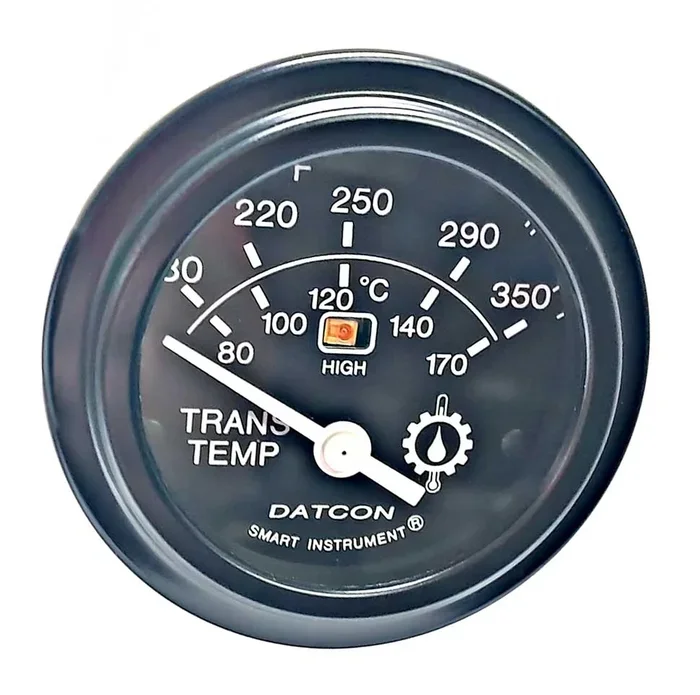
So what is a healthy temperature for your 2015 Nissan? Under normal driving conditions, transmission fluid temperature should stay between 175 and 220 degrees Fahrenheit. Anything above 220 degrees is a warning sign. At 240 degrees and above, the fluid starts to degrade quickly. At 260 degrees, you are in the danger zone.
During a road test temperature check, you might see the temperature climb temporarily. That is normal during hard acceleration or towing. The key is that it should come back down once you ease off the pedal. If it stays high, something is wrong.
| Temperature Range | Status | Action Needed |
|---|---|---|
| 175 – 220 F | Normal | No action needed |
| 220 – 240 F | Warm – Caution | Monitor closely, reduce load |
| 240 – 260 F | Hot – Warning | Stop driving, check fluid |
| Above 260 F | Danger Zone | Shut off engine immediately |
Tools and Preparation You Will Need
Before you start checking your transmission fluid temperature, gather a few tools. You do not need anything expensive. Most of these items are easy to find at any auto parts store.
Essential Tools for the Job
- OBD-II Scan Tool: This is the most important tool. A basic scan tool reads transmission temperature data from your 2015 Nissan’s computer. Look for one that supports transmission-specific sensors.
- Transmission Dipstick: Some 2015 Nissan models have a dipstick for checking fluid level. Check your owner’s manual to confirm.
- Flashlight: You will need good light to see the fluid and inspect the area around the transmission pan.
- Clean Rag or Paper Towels: For wiping the dipstick and checking fluid condition.
- Vehicle Lift or Jack Stands: If you plan to look underneath the car for leaks or the transmission pan.
- Thermometer or Infrared Gun (Optional): Some DIYers use these to check fluid temperature directly at the transmission pan.
Safety First
Always check the transmission fluid when the engine is warm but not scorching hot. Drive the vehicle for about 10 to 15 minutes first. This brings the fluid up to optimal operating temperature and gives you a more accurate reading. Park on a flat surface and set the parking brake before you start.
Step-by-Step Guide to Checking Transmission Fluid Temperature
Now for the part you have been waiting for. Here is the full process for checking transmission fluid temperature on your 2015 Nissan. Follow each step carefully for the best results.
Step 1: Start the Engine and Warm It Up
Turn the ignition and let the engine idle for a few minutes. Then drive the vehicle around the block. This warms up the transmission fluid and gets it circulating. The fluid temperature needs to be in its normal range for an accurate reading.
Step 2: Connect the OBD-II Scan Tool
Locate the OBD-II port under your dashboard. It is usually on the driver’s side, near the steering column. Plug in your scan tool and turn the ignition to the “on” position. Do not start the engine yet.
Follow the on-screen prompts on your scan tool. Select “Transmission” from the menu. Then choose the transmission fluid temperature sensor. The tool will display the current temperature in real time. Write this number down or take a screenshot.
Step 3: Check the Transmission Dipstick (If Applicable)
Some 2015 Nissan models come with a transmission dipstick. Open the hood and locate it. Pull it out, wipe it clean, reinsert it fully, then pull it out again. Look at the fluid level and compare it to the marks on the stick.
While you have the dipstick out, do a fluid color check. Healthy fluid should be reddish-pink. If it looks brown or dark, the fluid is old and may need replacing. If it smells burnt, the transmission fluid temperature has been too high for too long.
Step 4: Inspect the Fluid Condition
Take a close look at the fluid on your rag or paper towel. Good fluid should feel smooth and slippery. If it feels gritty or has particles in it, the internal components may be wearing. This is a sign that a transmission fluid change is overdue.
Step 5: Record Your Readings
Write down the temperature reading from your scan tool. Note the time of day, outside temperature, and what you were doing when you took the reading. This helps you track patterns over time. If you notice the temperature creeping up on multiple checks, that is a red flag.
Common Signs of Transmission Overheating
Sometimes you do not need a scan tool to know something is wrong. Your 2015 Nissan will give you warning signs. Knowing these signs early can save you from a major repair bill.
The Check Engine Light
The transmission warning light or check engine light is one of the first indicators. When the engine temperature gauge or transmission sensors detect abnormal heat, they trigger a warning. Do not ignore this light. Have your scan tool hooked up as soon as possible to read the error codes.
Slipping Gears
If your transmission shifts unexpectedly or feels like it is slipping between gears, heat could be the cause. Overheated fluid loses its viscosity. It cannot grip the clutch packs properly. This leads to rough or delayed shifts. You might notice a hesitation when accelerating or a sudden RPM spike without a corresponding speed change.
Burning Smell
A burnt smell coming from under the hood is never a good sign. This usually means the transmission fluid has overheated and started to break down. Pull over safely and let the car cool down. Check the fluid level and condition once the engine is off.
Delayed Engagement
When you shift from park to drive or reverse, do you hear a pause before the car moves? This delayed engagement is often a symptom of old or overheated fluid. The fluid can no longer flow quickly enough to engage the gears properly.
How to Keep Your Nissan Transmission Cool
Prevention is always better than repair. Here are practical steps to keep the transmission temperature on your 2015 Nissan in a safe range.
Stick to the Recommended Transmission Service Interval
Nissan recommends changing the transmission fluid at specific mileage intervals. For most 2015 models, this is around 30,000 to 60,000 miles. Check your owner’s manual for the exact schedule. Staying on top of transmission fluid change intervals keeps the fluid fresh and effective at dissipating heat.
Consider an External Transmission Cooler
If you tow a trailer, carry heavy loads, or drive in hot climates, the factory cooler may not be enough. An external transmission cooler installs in front of the radiator and helps lower fluid temperatures. This is a great upgrade for anyone who pushes their Nissan hard.
Avoid Aggressive Driving
Hard acceleration and rapid gear changes generate extra heat. While it is fun to floor it sometimes, constant aggressive driving takes a toll on your transmission. Smooth, steady driving keeps temperatures lower and extends component life.
Keep Up with Regular Nissan Dealership Service
Taking your Nissan to a Nissan dealership service center ensures that factory-trained technicians use the right fluid and follow proper procedures. They also have access to factory diagnostic tools that can read transmission data more precisely than basic scan tools.
Monitor Your Fluid Level Regularly
Low fluid means less cooling and more friction. Make it a habit to check your fluid level check at least once a month. Topping off the fluid is simple and costs very little. It goes a long way toward preventing overheating.
When to See a Professional
Some transmission issues are beyond a DIY fix. If your transmission fluid temperature readings are consistently high despite following all the tips above, it is time to see a professional. The same goes if you notice any of these serious symptoms.
A grinding noise when shifting, visible fluid leaks under the car, or a complete failure to shift gears are all urgent signs. These problems could indicate a damaged transmission solenoid, a failing torque converter, or internal clutch wear. A qualified mechanic can run a full transmission flush and perform a detailed inspection.
Also, if your 2015 Nissan is still under warranty, contact your Nissan dealership service center before attempting major repairs yourself. DIY work could void your warranty coverage. It is always smart to check before you open up the transmission pan.
Final Thoughts on Checking Transmission Fluid Temperature
Taking care of your 2015 Nissan transmission does not have to be complicated. Checking the transmission fluid temperature regularly is one of the simplest and most effective things you can do. It gives you early warning before small problems turn into big expenses. With the right tools, a little knowledge, and a few minutes of your time, you can keep your Nissan shifting smoothly for years to come.
Remember the key numbers. Keep your fluid temperature between 175 and 220 degrees Fahrenheit. Watch for warning signs like slipping gears, burning smells, and dashboard lights. Stay on top of your transmission service interval and never let the fluid get old or contaminated. Your transmission works hard for you every day. A little attention goes a long way toward protecting that investment.
Start today. Hook up your scan tool, check your transmission fluid temperature, and make it part of your regular maintenance routine. Your future self and your wallet will thank you.
Frequently Asked Questions
What is the normal transmission fluid temperature for a 2015 Nissan?
The normal range is between 175 and 220 degrees Fahrenheit. Anything above 220 degrees is a warning sign. If the temperature reaches 240 degrees or higher, you should stop driving and let the transmission cool down.
Can I check transmission fluid temperature without a scan tool?
You can get a general idea by checking the fluid color and smell. But for an accurate reading, an OBD-II scan tool is the best option. It connects directly to your 2015 Nissan’s computer and gives you real-time temperature data.
How often should I check my Nissan transmission fluid?
Checking the fluid at least once a month is a good habit. You should also check it before long road trips. Following the recommended transmission service interval from Nissan ensures the fluid stays fresh and effective.
Does a 2015 Nissan Altima have a transmission dipstick?
Some 2015 Nissan models include a transmission dipstick, while others do not. The Altima may or may not have one depending on the trim and configuration. Check your owner’s manual to confirm whether your specific model has a dipstick for fluid level check purposes.
What causes transmission overheating in a 2015 Nissan?
Common causes include low fluid levels, old or contaminated fluid, towing heavy loads, driving in extreme heat, and a failing transmission cooler. Aggressive driving habits can also push temperatures higher than normal.
Is it worth adding an external transmission cooler to my 2015 Nissan?
If you tow, haul heavy cargo, or drive in hot climates, an external cooler is a smart investment. It helps maintain lower transmission fluid temperature and extends the life of your transmission. It is especially useful for CVT transmission models that are more sensitive to heat.