Using Wrong Oil Pick Up Can Destroy Your Engine Fast
Using a wrong oil pick up can starve your engine of lubrication and lead to catastrophic failure. Many car owners don’t realize that a mismatched oil pickup tube causes oil starvation, low oil pressure, and engine overheating. This guide covers the risks, warning signs, and how to choose the right oil pickup for your vehicle.
Your engine relies on a steady flow of oil to keep everything running smooth. That oil travels from the oil pan through the oil pickup tube and into the oil pump. But what happens when that pickup tube is the wrong one? The answer is simple and scary. A wrong oil pick up can destroy your engine fast. Many car owners learn this the hard way, facing expensive repairs or even a total engine replacement. In this article, we break down exactly why this happens, how to spot the warning signs, and what you can do to protect your engine.
The oil pickup tube might be a small part, but it plays a huge role in engine lubrication. It sits inside the oil pan and draws oil up to the engine. If the tube is too short, too wide, or just the wrong shape, it can’t do its job. Oil starvation follows. And oil starvation leads to grinding, overheating, and eventually engine failure. This is a problem that affects all types of vehicles, from daily drivers to high-performance cars. Understanding the oil pickup tube is the first step to keeping your engine healthy and strong.
Key Takeaways
- Wrong oil pick up causes oil starvation: Your engine needs proper oil flow to protect critical parts like bearings and the crankshaft.
- Symptoms are easy to spot: Low oil pressure, engine noise, and overheating are early warning signs of a bad oil pickup.
- Engine damage can happen fast: Running an engine with the wrong oil pickup can cause bearing failure and even full engine seizure.
- Picking the right part matters: Match your oil pickup tube to your engine model, oil capacity, and oil flow rate.
- Prevention is simple: Regular oil changes and using the correct oil pickup tube save you from costly repairs.
- Don’t ignore warning signs: Acting early on oil pickup problems can save thousands in engine repair costs.
📑 Table of Contents
What Is an Oil Pickup and Why Does It Matter?
The oil pickup tube is a simple metal or plastic tube connected to the oil pump. It sits at the bottom of the oil pan and pulls oil up through the oil filter and back into the engine. The pump then pushes that oil through galleries to reach every moving part. Without it, your engine has no lubrication. No lubrication means metal-on-metal contact. That contact causes heat, friction, and wear.
Here is why the oil pickup matters so much:
- Oil flow rate: The tube must move enough oil to keep the engine cool and lubricated.
- Oil suction: It needs to draw oil even when the car is cornering or braking hard.
- Oil capacity matching: The tube must work with your engine’s total oil volume.
- Debris filtering: Some pickup tubes include a screen to catch particles before they reach the pump.
When the oil pickup tube is correct, your engine runs quiet and smooth. When it is wrong, everything starts to go wrong fast. The oil pressure drops, the oil pump works harder, and the engine parts start to suffer. This is why picking the right part is not optional. It is essential.
How the Oil Pickup Tube Works
The oil pickup tube connects directly to the oil pump inlet. As the pump spins, it creates suction. That suction pulls oil through the tube and into the pump. The oil then passes through the filter and circulates through the engine block. The crankshaft and camshaft bearings rely on this constant flow. Without it, those parts grind against each other and wear out quickly.
Most oil pickup tubes have a screen or filter at the bottom. This catches sludge and debris from the oil pan. Over time, that screen can clog. A clogged screen reduces oil flow. But that is a different problem from using the wrong tube entirely. The wrong tube causes a much bigger issue from day one.
Signs Your Oil Pickup Tube Is Wrong or Damaged
Spotting the signs early can save your engine. Most symptoms of a bad oil pickup show up before total failure. The key is knowing what to look for. Here are the most common warning signs.
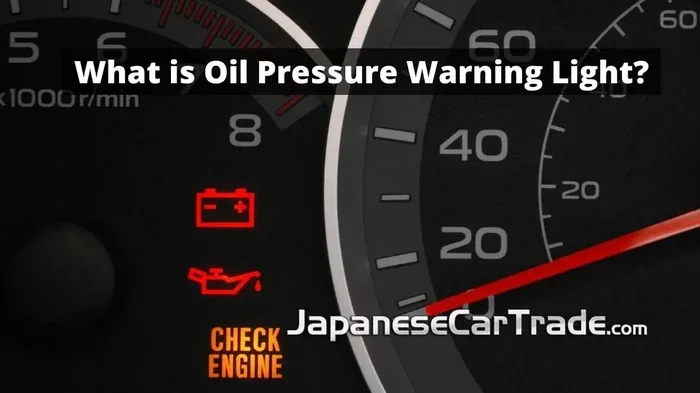
Low Oil Pressure Warning Light
The oil pressure warning light on your dashboard is your first clue. If it comes on while driving, pull over safely. A wrong oil pick up often causes low oil pressure because the tube cannot draw enough oil. The pump may be working fine, but it simply cannot get oil to the engine fast enough.
Engine Making Strange Noises
Clicking, ticking, or knocking sounds from the engine are never good. These noises usually mean parts are running dry. Without proper engine lubrication, the bearings start to wear. You might hear a lifter tick or a deeper knock from the bottom end. Both point to oil starvation caused by a bad pickup tube.
Engine Overheating
Oil does more than lubricate. It also helps cool the engine. When oil flow drops, heat builds up fast. An engine overheating problem can trace back to a wrong oil pickup tube. The oil cannot carry heat away from hot spots like the pistons and cylinder walls.
Oil Leaks Around the Oil Pan
A damaged or poorly fitting pickup tube can cause leaks. Oil may seep out around the seal or gasket area. If you see oil pooling under your car, check the pickup tube connection. A loose or cracked tube is a clear sign something is wrong.
Poor Engine Performance
Your engine needs oil to run at its best. When oil flow drops, performance drops too. You might notice sluggish acceleration, rough idling, or a general lack of power. These are subtle signs, but they add up fast if the oil pickup problem is not fixed.
How a Wrong Oil Pick Up Damages Your Engine
Now let us talk about the real danger. A wrong oil pick up does not just cause minor issues. It can destroy your engine in a matter of minutes under hard driving conditions. Here is how the damage happens step by step.
Oil Starvation
Oil starvation is the number one killer. It happens when the pickup tube cannot pull enough oil into the pump. The engine still runs, but without enough oil reaching the moving parts. Metal surfaces that should be separated by a thin oil film start touching. Friction increases. Heat builds. Damage follows quickly.
Bearing Failure
The crankshaft and camshaft bearings are especially vulnerable. They sit in the engine block and spin at high speed. They need a constant supply of oil to stay cool and smooth. When oil flow drops, the bearings overheat. They warp. They fail. Replacing bearings is expensive. Replacing an entire engine is far worse.
Oil Pump Overwork
A wrong pickup tube forces the oil pump to work harder. The pump tries to pull oil through a tube that is not sized correctly. This extra strain wears out the pump faster. Eventually, the pump fails entirely. Once the pump dies, oil stops flowing completely. That is when engine seizure happens.
Engine Seizure
Engine seizure is the worst-case scenario. When all the oil is gone and all the parts are grinding, the engine locks up. The pistons weld themselves to the cylinder walls. The crankshaft stops turning. A seized engine means a complete rebuild or replacement. The cost can easily exceed the value of the car.
Sludge and Debris Buildup
A wrong pickup tube might not filter debris properly. Small particles from the oil pan can enter the pump and circulate through the engine. This sludge builds up on internal surfaces. It clogs oil passages. It coats sensors. Over time, this buildup causes more and more damage.
| Damage Stage | What Happens | Repair Cost |
|---|---|---|
| Oil Starvation | Reduced oil flow to engine parts | $200 – $500 (pickup tube replacement) |
| Bearing Wear | Bearings overheat and degrade | $1,000 – $2,500 (bearing replacement) |
| Pump Failure | Oil pump burns out from overwork | $500 – $1,500 (pump replacement) |
| Engine Seizure | Complete engine lock-up and damage | $3,000 – $7,000+ (engine rebuild or replacement) |
As you can see from the table, the cost of repair skyrockets the longer you ignore the problem. Fixing a wrong oil pick up early is cheap. Ignoring it is not.
Common Mistakes When Choosing an Oil Pickup
Many car owners make mistakes when selecting or replacing their oil pickup tube. These mistakes lead directly to engine damage. Here are the most common ones.
Buying the Wrong Size
Oil pickup tubes come in different lengths and diameters. A tube that is too short might not reach the bottom of the oil pan. It will suck air instead of oil, especially during turns or hard braking. A tube that is too long might hit the bottom of the pan and clog with sludge. Always match the tube to your engine’s specifications.
Ignoring the Screen or Filter
Some pickup tubes have a built-in screen. Others do not. Using a tube without the proper screen means debris can enter the pump. This is a common mistake after aftermarket replacements. Always check if your engine requires a screened pickup tube.
Using Aftermarket Parts Without Checking Compatibility
Aftermarket parts can be great. But they are not always a perfect fit. A generic oil pickup tube might look similar but have slightly different dimensions. Always verify compatibility with your vehicle make, model, and year. Check the oil capacity and oil flow rate specifications before buying.
Skipping the Oil Change When Replacing the Pickup
When you replace the oil pickup tube, old oil is still in the system. Sludge and debris from that old oil can clog the new tube’s screen. Always change the oil and filter when replacing the pickup tube. This simple step prevents a lot of future problems.
Not Checking the Oil Pan for Damage
Sometimes the oil pan itself is damaged or warped. A damaged pan can cause the pickup tube to sit at the wrong angle or depth. Always inspect the oil pan before installing a new pickup tube. Fixing the pan first saves you from repeating the work.
How to Pick the Right Oil Pickup for Your Engine
Choosing the right oil pickup tube is straightforward if you follow a few simple steps. Here is how to do it right.
Step 1: Check Your Owner’s Manual
Your owner’s manual has all the specifications you need. Look for the oil pickup tube part number, oil capacity, and recommended oil type. The manual will also list the correct oil viscosity for your engine. Always start here before buying any part.
Step 2: Match the Tube to Your Engine Model
Every engine has a specific pickup tube designed for it. A tube built for a four-cylinder engine will not work the same way in a V6 or V8. Match the tube to your exact engine model. Use the vehicle identification number (VIN) if you are unsure.
Step 3: Check the Oil Flow Rate
The oil flow rate tells you how much oil the tube and pump move per minute. A higher flow rate is better for high-performance engines. A standard engine needs a moderate flow rate. Make sure the pickup tube you choose matches your engine’s needs.
Step 4: Inspect the Screen or Filter
Make sure the pickup tube has the right screen for your engine. Some engines need a fine mesh screen. Others need a coarser one. The screen prevents sludge and metal particles from reaching the oil pump. A missing or wrong screen is a recipe for oil pump failure.
Step 5: Install Correctly
Once you have the right tube, install it carefully. Make sure the seal is tight. Do not overtighten. Check that the tube sits properly in the oil pan. Run the engine for a few minutes and check for leaks. Verify that oil pressure reads normal on the gauge.
Quick Tips for Oil Pickup Success
- Always use OEM or high-quality aftermarket parts.
- Change your oil at recommended intervals to keep the pickup screen clean.
- Check oil level regularly, especially after any engine work.
- Use the correct oil viscosity for your climate and driving conditions.
- Listen for unusual engine sounds after any repair.
Expert Insights: How Mechanics Prevent Oil Pickup Problems
Experienced mechanics see the damage from wrong oil pickups all the time. Here is what the experts want you to know.
Always use OEM parts when possible. Aftermarket parts save money, but they are not always reliable for critical components like the oil pickup tube. The oil pump and pickup are not areas to cut corners on.
Inspect the oil pan gasket during every oil change. A leaking gasket can let air into the system, which mimics the symptoms of a wrong pickup tube. Catching a bad gasket early prevents misdiagnosis.
Pay attention to oil pressure readings. If your oil pressure drops even slightly, do not ignore it. A small drop in oil pressure today can mean a big problem tomorrow. Have a mechanic check the pickup tube and screen as part of routine maintenance.
Keep the oil pan clean. Sludge buildup in the oil pan is one of the leading causes of pickup tube clogs. Regular oil changes with quality oil keep the pan clean and the pickup tube working properly.
Common Mistakes Mechanics See
- Installing a pickup tube without checking the oil pan condition.
- Using a tube from a different engine family that looks similar.
- Forgetting to replace the oil filter during pickup tube work.
- Overlooking a cracked oil pan that causes air leaks.
These mistakes are preventable. A little attention to detail saves a lot of money and heartache.
Conclusion
The oil pickup tube is a small but mighty part of your engine. Using the wrong one can cause oil starvation, bearing failure, oil pump failure, and ultimately engine seizure. The damage happens fast, and the repair costs can be devastating. But the good news is that prevention is simple. Choose the right oil pickup tube for your engine. Change your oil regularly. Listen to your engine. And never ignore warning signs like low oil pressure or strange noises.
Taking care of your oil pickup is one of the best things you can do for your engine’s longevity. A few dollars spent on the right part and regular maintenance can save you thousands in engine repairs. Your engine works hard for you every day. Give it the care it deserves by making sure the oil flows the way it should.
Now that you know the risks and the solutions, take action. Check your oil pickup tube today. If you are not sure what you have, consult your owner’s manual or talk to a trusted mechanic. Your engine will thank you for it.
Frequently Asked Questions
Can a wrong oil pickup tube cause low oil pressure?
Yes, absolutely. A wrong oil pickup tube cannot draw enough oil from the oil pan, which directly causes low oil pressure. Low oil pressure means the engine parts do not get proper lubrication, leading to increased wear and potential damage.
How do I know if my oil pickup tube is the right size?
Check your vehicle’s owner manual for the correct part number and specifications. The manual lists the exact length, diameter, and screen type needed for your engine. You can also ask a mechanic or compare the old tube with the new one before installing.
What happens if the oil pickup screen gets clogged?
A clogged pickup screen restricts oil flow to the pump. This causes oil starvation, which leads to increased engine wear, overheating, and eventually bearing failure. Regular oil changes help prevent screen clogs by reducing sludge buildup in the oil pan.
Is it expensive to replace an oil pickup tube?
No, replacing an oil pickup tube is relatively affordable. The part itself usually costs between $20 and $100. Labor costs vary but typically range from $100 to $300. This is far cheaper than repairing the engine damage caused by running with a wrong or damaged pickup tube.
Can I drive with a damaged oil pickup tube?
You should not. Driving with a damaged pickup tube risks oil starvation, which can cause severe engine damage within minutes. If you suspect your pickup tube is damaged, have your vehicle towed to a mechanic and get it repaired immediately.
Does oil viscosity affect the oil pickup tube?
Yes, it does. Thicker oil is harder to pull through the pickup tube and pump. Using the wrong oil viscosity can reduce oil flow and put extra strain on the pump. Always use the oil viscosity recommended by your vehicle manufacturer for the best performance.