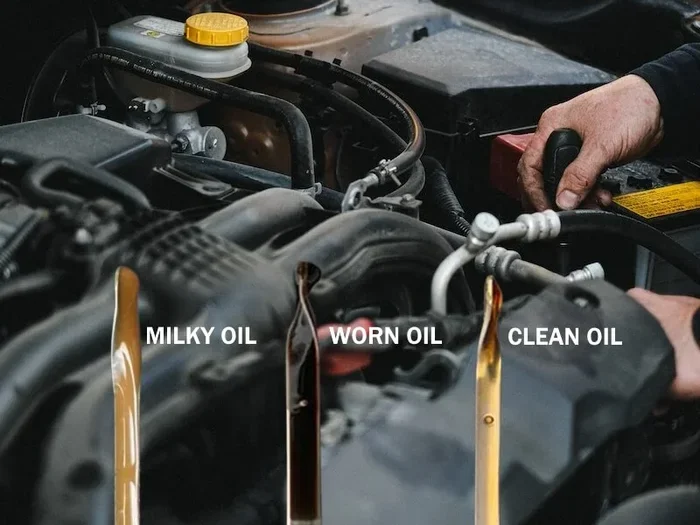
Water and Oil Mixing in Car Engine Causes and Fixes
Water and oil mixing in car engine is a serious problem that can cause major engine damage if left unchecked. When coolant or water enters your oil system, it creates a harmful emulsion that reduces lubrication and increases wear. In this guide, you will learn the top causes, clear warning signs, and practical fixes to keep your engine running strong. Understanding this issue early can save you from costly repairs and keep your vehicle safe on the road.
You pop the hood, check your oil dipstick, and notice something strange. The oil looks milky, almost like a chocolate milkshake. That is never a good sign. Water and oil mixing in car engine is a problem many drivers face, and it can lead to serious damage if you ignore it. In this article, we will walk through exactly why this happens, how to spot it early, and what you can do to fix it. Whether you are a DIY mechanic or just want to understand your vehicle better, this guide has you covered.
Your engine relies on clean oil to keep all the moving parts lubricated. Water does not belong in that equation. When these two liquids mix, the oil loses its ability to protect your engine. The result can be anything from minor performance issues to a completely seized engine. Let us dive into what causes this messy situation and how you can handle it like a pro.
Key Takeaways
- Coolant leaks and head gasket failure are the most common reasons water and oil mix in your engine.
- Milky or frothy oil on the dipstick is one of the easiest signs to spot early.
- White smoke from the exhaust often signals coolant burning inside the combustion chamber.
- Fixes range from simple gasket replacement to major engine rebuilds depending on severity.
- Regular oil checks and coolant monitoring can help you catch the problem before serious damage occurs.
- Driving with mixed water and oil can lead to engine seizure and total failure.
- Prevention through routine maintenance is far cheaper and easier than repairing engine damage.
📑 Table of Contents
- What Happens When Water and Oil Mix in Car Engine
- Common Causes of Water Getting Into Your Engine Oil
- How to Tell If Water Has Mixed With Your Engine Oil
- Fixes and Solutions for Water and Oil Mixing
- Preventing Water and Oil Mixing in Car Engine
- When to See a Professional Mechanic
- Common Mistakes to Avoid
- How Much Does It Cost to Fix?
- Key Takeaways
What Happens When Water and Oil Mix in Car Engine
When water enters your engine oil, it creates an emulsion. Think of it like mixing salad dressing. At first, the two liquids stay somewhat separate. But over time, they blend into a cloudy, frothy mixture. This emulsion cannot lubricate your engine properly. Metal parts start grinding against each other without the protective oil film they need.
Here is what goes wrong when water contaminates your engine oil:
- Reduced lubrication causes increased friction between engine parts.
- Metal-to-metal contact leads to premature wear on bearings and cylinders.
- Oil additives break down faster when diluted with water.
- Corrosion develops inside the engine block and oil passages.
- Oil pressure drops because the emulsion is less effective at flowing smoothly.
- Engine overheating can occur when the cooling system and oil system interfere with each other.
The damage builds fast. Even a small amount of water in the oil can cause problems over time. The longer you drive with mixed fluids, the worse it gets. That is why catching this issue early is so important.
How Water Damages Engine Components
Water is corrosive. It does not just sit harmlessly in your oil pan. It reacts with metal surfaces and breaks down the protective oil film. Bearings start to pit. Cylinder walls develop micro-wear. The oil pump struggles to push the thin, contaminated fluid through the engine. In worst cases, the entire engine can seize up and stop running.
Oil emulsification is the technical term for this mixing process. When water and oil combine into a stable emulsion, they are very hard to separate. Simply draining the oil might not be enough if the contamination has been going on for a while. The entire oil system may need flushing, and in severe cases, the engine needs professional repair.
Common Causes of Water Getting Into Your Engine Oil
Now that you know what happens, let us talk about why water ends up in your oil in the first place. There are several common culprits, and understanding them helps you prevent the problem from happening again.
Blown Head Gasket
A blown head gasket is the number one cause of water mixing with engine oil. The head gasket sits between the engine block and the cylinder head. Its job is to seal the combustion chambers and keep coolant and oil in their separate passages. When this gasket fails, coolant can leak into the oil galleries.
Head gasket failures often happen due to:
- Engine overheating over a long period.
- Age and wear on the gasket material.
- Improper installation during a previous repair.
- Hot spots in the cylinder head that cause uneven sealing.
If you suspect a blown head gasket, do not keep driving. The longer you run the engine, the more coolant leaks in and the more damage occurs.
Cracked Cylinder Head
A cracked cylinder head can also allow coolant to seep into the oil system. Aluminum heads are especially prone to cracking when the engine overheats repeatedly. Even a tiny crack can let enough coolant through to contaminate your oil. This is a more serious problem than a head gasket issue because the crack often cannot be simply sealed.
Cracked Engine Block
A cracked engine block is the least common but most expensive cause. Engine blocks can crack from freezing temperatures if the coolant was not properly protected. They can also crack from impact damage or extreme heat stress. When the block cracks, coolant mixes directly with the oil supply, and the damage can be extensive.
Leaking Oil Cooler
Many modern vehicles have an oil cooler that uses coolant to regulate oil temperature. If the oil cooler develops a leak, coolant can seep into the oil system. This type of leak is often harder to detect because it happens internally. You might notice coolant levels dropping without any visible puddles under the car.
Worn Piston Rings or Cylinder Walls
In some cases, condensation inside the combustion chamber can mix with oil. This is more common in vehicles that sit unused for long periods or are driven only on short trips. Worn piston rings can also allow combustion gases and moisture to push past the rings and into the crankcase, mixing with the oil.
How to Tell If Water Has Mixed With Your Engine Oil
Catching the problem early can save you thousands of dollars in engine repairs. Here are the most reliable signs that water has found its way into your oil system.
Milky or Frothy Oil on the Dipstick
This is the most obvious sign. Pull out your dipstick and look at the oil. Healthy oil is amber or brown and translucent. If it looks milky, creamy, or frothy, water has mixed with your oil. Think of it like the color of a latte. That is a clear warning that something is wrong.
White Smoke from the Exhaust
Thin white smoke on a cold morning is normal. But if you see thick white smoke that does not go away after the engine warms up, coolant is likely burning in the combustion chamber. This happens when coolant leaks into the cylinders and gets burned along with fuel.
Coolant Disappearing Without Visible Leaks
If you keep topping off your coolant reservoir but cannot find any external leaks, the coolant might be going into the oil system. This is a silent problem that often goes unnoticed until the damage is already done.
Oil Pressure Warning Light
Contaminated oil is thinner and less effective. Your oil pressure sensor may trigger a warning light if the oil cannot maintain proper pressure. Do not ignore this light. It is your engine screaming for help.
Unusual Engine Noise
Water in the oil reduces lubrication. You might hear knocking or ticking sounds from the engine. These noises mean metal parts are grinding without proper protection. Get this checked immediately.
Fixes and Solutions for Water and Oil Mixing
The right fix depends on how bad the contamination is and what caused it. Let us walk through the options from simplest to most involved.
Step 1: Stop Driving Immediately
The first thing you should do is stop driving the vehicle. Every mile you drive with mixed water and oil causes more damage. Tow the car to a mechanic or your garage if needed. This single step can be the difference between a small repair and a total engine replacement.
Step 2: Drain and Replace the Oil
For mild contamination, a full oil change might be enough. Drain the old oil completely and replace the oil filter. Use fresh, high-quality oil recommended by your vehicle manufacturer. Some mechanics also recommend flushing the oil passages to remove any remaining emulsion.
Step 3: Replace the Head Gasket
If a blown head gasket is the cause, you will need a gasket replacement. This is a labor-intensive repair that involves removing the cylinder head, cleaning the mating surfaces, and installing a new gasket. The cost varies widely depending on your vehicle but typically runs between $1,000 and $2,500.
Step 4: Repair or Replace the Cylinder Head
A cracked cylinder head can sometimes be repaired through a process called cylinder head resurfacing. If the crack is too severe, the head needs to be replaced entirely. This repair can cost anywhere from $500 to $2,000 for the part and labor combined.
Step 5: Address a Cracked Engine Block
A cracked engine block is the most serious scenario. In some cases, a specialist can weld or epoxy the crack. In other cases, a full engine replacement is the only option. This repair can easily cost $3,000 to $7,000 or more. Prevention is clearly the best strategy here.
Step 6: Fix Oil Cooler Leaks
If the oil cooler is the culprit, replacing or repairing the cooler usually solves the problem. This is a simpler fix compared to head gasket or block issues, and the cost is generally more manageable.
Preventing Water and Oil Mixing in Car Engine
Prevention is always better than repair. Here are practical steps you can take to keep water out of your engine oil.
- Check your oil regularly using the dipstick. Look for any changes in color or texture.
- Monitor your coolant levels frequently. A dropping coolant level with no visible leak is a red flag.
- Watch your temperature gauge. Overheating is the enemy of head gaskets and cylinder heads.
- Fix coolant leaks immediately when you notice them, even small ones.
- Do not ignore white exhaust smoke. It is often the first sign of a deeper problem.
- Follow your manufacturer’s maintenance schedule for oil changes and coolant flushes.
- Avoid letting your car sit unused for long periods without starting it up occasionally.
These simple habits go a long way. They take only minutes but can prevent thousands of dollars in repairs.
When to See a Professional Mechanic
Some fixes are within the range of a skilled DIYer. But water and oil mixing in car engine often signals a deeper problem that needs professional attention. You should see a mechanic if:
- The oil looks milky and you are not sure why.
- You notice white smoke from the exhaust that does not go away.
- Your coolant level keeps dropping without any visible leaks.
- The engine is making unusual knocking or ticking sounds.
- The oil pressure warning light stays on after an oil change.
- You have driven any distance with known oil contamination.
A mechanic can run diagnostic tests like a compression test or a coolant pressure test to pinpoint the exact cause. These tests are relatively inexpensive and can save you from guessing and spending money on the wrong repair.
Common Mistakes to Avoid
When drivers discover water in their oil, they often make mistakes that make the problem worse. Here are a few to avoid:
- Ignoring the problem and keeping driving. This is the worst thing you can do. It turns a repairable issue into a total engine failure.
- Just topping off the oil without fixing the cause. Fresh oil will get contaminated again quickly if the root problem is not addressed.
- Using additives to try to fix a head gasket leak. Most of these products are temporary at best and can cause additional problems.
- Skipping the oil filter replacement. The old filter holds contaminated oil. Always replace it with fresh oil.
- Assuming the problem is minor. Even small amounts of water in the oil can cause cumulative damage over time.
How Much Does It Cost to Fix?
The repair cost for water and oil mixing in car engine varies widely depending on the cause and severity. Here is a rough breakdown:
| Repair | Estimated Cost |
|---|---|
| Oil change and flush | $75 – $150 |
| Head gasket replacement | $1,000 – $2,500 |
| Cylinder head repair or replacement | $500 – $2,000 |
| Oil cooler replacement | $300 – $800 |
| Engine block repair or replacement | $3,000 – $7,000+ |
As you can see, early detection saves a lot of money. A simple oil change costs a fraction of what an engine replacement does. The key is catching the problem before it escalates.
Key Takeaways
Water and oil mixing in car engine is a serious issue that demands immediate attention. The most common causes include blown head gaskets, cracked cylinder heads, and oil cooler leaks. The easiest way to detect the problem is by checking your oil for a milky appearance or watching for white exhaust smoke. Fixes range from a simple oil change for mild cases to major engine repairs for severe damage. Regular maintenance and attentive driving habits are your best defenses against this costly problem.
Remember, your engine depends on clean oil to function properly. When water contaminates that oil, the protection disappears fast. Do not wait for symptoms to get worse. Act quickly, get professional help if needed, and keep your engine running smoothly for years to come.
Frequently Asked Questions
Can I still drive my car if water has mixed with the oil?
No, you should stop driving immediately. Water in the oil reduces lubrication and causes metal parts to grind against each other. Continuing to drive can cause irreversible engine damage that costs thousands of dollars to repair.
How do you remove water from engine oil?
The best way is to drain the old oil completely, replace the oil filter, and refill with fresh oil. For mild contamination, this may be enough. For severe cases, the entire oil system may need flushing, and the root cause must be repaired to prevent it from happening again.
Is a head gasket replacement the most common fix for this problem?
Yes, a blown head gasket is the most common cause of water mixing with engine oil. The head gasket seals the passages between the coolant system and the oil system. When it fails, coolant leaks into the oil and causes contamination.
What does milky oil on the dipstick mean?
Milky or frothy oil on the dipstick means water has mixed with your engine oil. This emulsion looks like a chocolate milkshake and is a clear sign of coolant contamination. You should have the vehicle inspected by a mechanic as soon as possible.
Can water in engine oil cause the engine to seize?
Yes, severe water contamination can cause engine seizure. Water reduces the oil’s ability to lubricate moving parts, leading to metal-to-metal contact. Over time, this friction can cause the engine to lock up completely and stop running.
How can I prevent water from getting into my engine oil?
Regular maintenance is the best prevention. Check your oil and coolant levels frequently, monitor your temperature gauge, fix coolant leaks immediately, and follow your manufacturer’s recommended service schedule. These simple steps can prevent most causes of water contamination in your engine oil.
=== CONCLUSION ===
Water and oil mixing in car engine is a problem that no car owner wants to deal with. But understanding the causes, recognizing the early signs, and knowing what fixes are available puts you in a much stronger position. The sooner you act, the better your chances of avoiding a costly engine rebuild. Keep an eye on your oil condition, stay on top of your coolant levels, and never ignore warning signs like milky oil or white exhaust smoke. Your engine works hard for you every day. Give it the care and attention it deserves, and it will keep running strong for many miles to come.