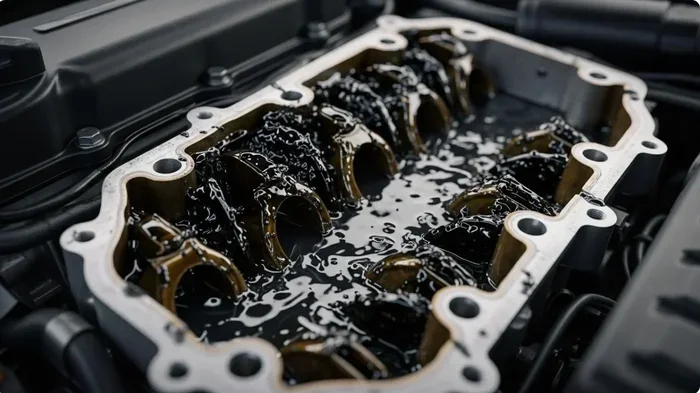
What Causes Citi Golf to Mix Water and Oil Together
The most common reason a Citi Golf mixes water and oil is a blown head gasket, which allows coolant to seep into the engine oil passages. Other culprits include a cracked cylinder head, a damaged engine block, or a failing oil cooler seal. If you spot a milky residue on your dipstick or oil cap, address the problem immediately to prevent costly engine damage.
What Causes Citi Golf to Mix Water and Oil Together
If you own a Citi Golf and have noticed that water and oil are mixing together, you are not alone. This is a frustrating problem that many South African car owners face with their trusty VW Citi Golf. The good news is that understanding what causes Citi Golf to mix water and oil is the first step toward fixing it. When these two liquids combine, your engine suffers. It loses lubrication, overheats faster, and can sustain serious damage if you ignore it.
This guide breaks down every possible reason your Citi Golf might be mixing water and oil. We will look at the main causes, the warning signs you should never ignore, and how to fix the problem. Whether you are a seasoned mechanic or a first-time car owner, this article gives you the knowledge you need to protect your engine. Let us get into it.
The Citi Golf has been a beloved car on South African roads since 1984. It is simple, reliable, and easy to maintain. But like any older vehicle, it can develop problems over time. Water and oil mixing is one of those issues that demands your attention right away. The sooner you act, the better your chances of avoiding a costly engine rebuild.
Key Takeaways
- A blown head gasket is the top suspect: inspect for coolant leaks and white smoke.
- A cracked cylinder head can force water: into oil passages, causing emulsification.
- Never ignore milky oil on the dipstick: it signals coolant contamination.
- Stop driving immediately to prevent damage: coolant ingestion destroys bearings fast.
- A failing oil cooler seal can mix fluids: check for external leaks.
- Regularly check coolant levels and oil condition: catch early signs of trouble.
📑 Table of Contents
How Water and Oil End Up Mixing in Your Engine
Your engine oil and coolant are supposed to stay completely separate. Oil lubricates the moving parts inside your engine. Coolant keeps the engine from overheating. These two systems run side by side but should never touch each other. So how does what causes Citi Golf to mix water and oil actually happen?
The answer usually comes down to a failure in the barriers between the oil and coolant systems. Several components keep these fluids apart. When one of them breaks or wears out, the fluids start to cross over. This leads to contamination in both the oil and the coolant.
The Role of the Head Gasket
The head gasket sits between the engine block and the cylinder head. It seals the combustion chambers and keeps oil and coolant in their separate channels. When the head gasket fails, it creates a gap. Coolant can leak into the oil passages, and oil can leak into the cooling system. This is the most common reason what causes Citi Golf to mix water and oil in older vehicles.
A blown head gasket does not always happen suddenly. It usually develops over time due to wear and tear. Overheating is the biggest culprit. When your engine runs too hot for too long, the gasket material weakens. Eventually, it can no longer maintain a proper seal.
Cracks in the Engine Block or Cylinder Head
Sometimes the problem goes deeper than the head gasket. The engine block or cylinder head can develop cracks. These cracks allow coolant to seep into the oil galleries. In older Citi Golfs, the engine block is made of aluminum. Aluminum is more prone to cracking than cast iron, especially when the engine experiences repeated overheating episodes.
A crack in the cylinder head is particularly dangerous. It can allow combustion gases to enter the cooling system. This creates pressure that pushes coolant into the oil. The result is a milky, frothy mixture that does a terrible job of lubricating your engine.
Common Reasons Your Citi Golf Mixes Water and Oil
Now that you understand the basic mechanics, let us look at the specific reasons this happens. Each cause is different, but they all lead to the same messy result.
1. Blown Head Gasket
A blown head gasket is the number one cause of water and oil mixing. The gasket seals the joint between the engine block and the cylinder head. Over time, heat and pressure wear it down. When it fails, coolant leaks into the oil system.
Common signs of a blown head gasket include:
- White smoke coming from the exhaust
- Coolant disappearing without any visible leaks
- Oil that looks like a milky brown color
- Overheating that comes and goes
- Bubbles in the radiator or coolant reservoir
2. Cracked Cylinder Head
The cylinder head sits on top of the engine block. It houses the valves, spark plugs, and camshaft. When the cylinder head cracks, coolant can leak directly into the combustion chamber or the oil passages. This is especially common in Citi Golfs that have overheated multiple times in the past.
Cracks can be very small and hard to detect. A compression test or a pressure test of the cooling system can reveal them. Do not assume a cracked head is always visible to the naked eye.
3. Failed Oil Cooler
Some Citi Golf models come equipped with an oil cooler. This component uses coolant to regulate oil temperature. If the oil cooler fails internally, coolant can leak into the oil supply. This is a less common cause but still worth checking, especially if your specific Citi Golf model has this feature.
4. Damaged Water Pump Seal
The water pump circulates coolant through the engine. It has a seal that prevents coolant from leaking. When this seal wears out or breaks, coolant can seep past and enter areas where it should not be. In some cases, the leaked coolant can mix with engine oil.
5. Cracked Engine Block
This is the most severe cause of water and oil mixing. A cracked engine block means the structural integrity of the engine is compromised. Coolant leaks into the oil galleries through the cracks. This type of damage often results from severe overheating or freezing.
Repairing a cracked engine block is expensive. In many cases, a full engine replacement or rebuild is necessary. This is why catching the problem early is so important.
Warning Signs That Water and Oil Are Mixing
Catching the problem early can save you thousands of rands in engine repairs. Your Citi Golf will show you clear warning signs when water and oil start mixing. Here is what to look for.
Check the Oil Dipstick
Pull out your dipstick and look at the oil. Healthy oil should be amber or brown and clear. If the oil looks like a creamy, milky brown color, water has gotten into it. This is one of the most obvious signs of what causes Citi Golf to mix water and oil and should never be ignored.
Look at the Coolant Reservoir
Open your coolant reservoir and check the fluid level. If the coolant looks oily or has a floating layer of oil on top, the reverse has happened. Oil is leaking into the cooling system. This is just as serious as coolant entering the oil.
Watch for White Exhaust Smoke
White smoke from the exhaust is a classic sign of coolant burning in the combustion chamber. If you see thick white smoke, especially when the engine is warm, coolant is getting past the seals and into places it should not be.
Monitor Your Coolant Levels
If you keep topping up your coolant but cannot find any visible leaks, the coolant is probably getting into the oil or burning off through the exhaust. A sudden drop in coolant level without an obvious cause is a red flag.
Check for Bubbles in the Radiator
With the engine off and cool, remove the radiator cap and look inside. If you see bubbles forming, combustion gases are leaking into the cooling system. This almost always points to a head gasket failure or a cracked cylinder head.
How to Diagnose the Problem in Your Citi Golf
Once you suspect that water and oil are mixing, you need to confirm the diagnosis. Several tests can help you pinpoint the exact cause.
Compression Test
A compression test measures the pressure in each cylinder. If one or more cylinders show low compression, it could indicate a head gasket leak or a cracked head. This test is affordable and gives you a clear picture of your engine’s health.
Cooling System Pressure Test
This test pressurizes the cooling system and checks for leaks. If the pressure drops and you cannot find an external leak, the problem is likely internal. Coolant is probably escaping into the oil or combustion chambers.
Chemical Block Test
A chemical block test checks the coolant for combustion gases. If the test fluid changes color, combustion gases are present in the cooling system. This is a strong indicator of a head gasket failure or a cracked cylinder head.
Oil Analysis
Sending a sample of your oil to a lab can reveal contamination levels. The lab report will tell you how much water, coolant, or fuel is present in the oil. This gives you a precise picture of how serious the contamination is.
| Test | What It Checks | Cost Range | Accuracy |
|---|---|---|---|
| Compression Test | Cylinder pressure and leaks | R200 – R500 | High |
| Cooling System Pressure Test | Internal and external coolant leaks | R150 – R400 | High |
| Chemical Block Test | Combustion gases in coolant | R100 – R300 | Very High |
| Oil Analysis | Contamination levels in oil | R300 – R800 | Very High |
How to Fix Water and Oil Mixing Issues
Once you know what is causing the problem, it is time to fix it. The repair depends on the root cause. Here are the most common fixes.
Replacing the Head Gasket
If a blown head gasket is the culprit, replacing it is the standard fix. This involves removing the cylinder head, cleaning the mating surfaces, and installing a new gasket. In a Citi Golf, this is a manageable repair if the engine block and cylinder head are not damaged.
The cost of a head gasket replacement for a Citi Golf is significantly lower than for newer cars. You can expect to pay between R2,000 and R5,000 depending on your mechanic and the extent of the damage.
Repairing or Replacing the Cylinder Head
If the cylinder head is cracked, it may need to be repaired or replaced. A machine shop can sometimes weld or grind the cracks out. In other cases, a replacement head is needed. Always have a professional assess the damage before deciding.
Replacing the Oil Cooler
If the oil cooler is the problem, replacing it is relatively straightforward. The oil cooler is usually mounted near the radiator and can be accessed without too much difficulty on a Citi Golf.
Engine Rebuild or Replacement
For cracked engine blocks, the options are more limited. You can either rebuild the engine or replace it with a used or rebuilt unit. A rebuilt engine for a Citi Golf can cost between R8,000 and R15,000, depending on the extent of the work needed.
Quick Tips for Repair
- Always replace the thermostat when doing a head gasket job
- Flush the cooling system thoroughly after any repair
- Change the oil and filter immediately after fixing the contamination
- Use OEM-quality parts when possible for longer-lasting repairs
- Have a professional check the head surface flatness before reinstalling
Preventing Water and Oil Mixing in Your Citi Golf
Prevention is always better than cure. A little regular maintenance can go a long way toward keeping your Citi Golf engine healthy and free from water and oil contamination.
Keep an Eye on Coolant Levels
Check your coolant level regularly. A sudden drop in coolant is often the first sign of an internal leak. Catching it early can prevent major engine damage.
Never Ignore Overheating
If your temperature gauge climbs into the red, pull over immediately. Continued driving while overheating is the fastest way to blow a head gasket or crack a cylinder head. Let the engine cool down and investigate the cause before driving again.
Follow the Service Schedule
Regular oil changes keep your engine in good shape. Fresh oil lubricates better and can carry small contaminants away from sensitive parts. Stick to the recommended service intervals for your Citi Golf.
Use the Right Coolant
Not all coolants are the same. Use the type recommended for your Citi Golf. The wrong coolant can cause corrosion and damage to the water pump, radiator, and internal seals over time.
Listen to Your Engine
Unusual sounds, changes in performance, or strange smells are all warning signs. Do not ignore them. Your Citi Golf has served you well for years. A little attention now can keep it running for many more.
Key Takeaways
What causes Citi Golf to mix water and oil comes down to a few main culprits. The head gasket is the most common cause, but cracked cylinder heads, failed oil coolers, and damaged water pump seals can all contribute. The key is catching the problem early and addressing it before it turns into a major engine failure.
Watch for the warning signs we covered. Check your oil, monitor your coolant, and pay attention to exhaust smoke. These simple habits can save you a lot of money and headaches. Your Citi Golf is a tough, reliable car. With the right care, it will keep running strong for years to come.
When in doubt, get a professional diagnosis. The tests we discussed are affordable and give you clear answers. Do not wait until the problem gets worse. Take action today and keep your Citi Golf engine healthy for the long haul.
Frequently Asked Questions
What causes Citi Golf to mix water and oil together?
The most common reason is a blown or damaged head gasket. This seal between the engine block and cylinder head fails, allowing coolant and oil to cross into each other. A cracked cylinder head or engine block can also cause this dangerous mixing.
How does a blown head gasket cause water and oil to mix in a Citi Golf?
The head gasket sits between the engine block and the cylinder head, keeping coolant and oil passages separate. When it wears out or overheats, it develops holes or gaps. These gaps let coolant seep into the oil channels and oil leak into the cooling system.
Can a cracked engine block cause my Citi Golf to mix oil and water?
Yes, a cracked engine block is a serious cause of oil and water mixing. Over time, heat cycles and freezing can create tiny cracks in the block. These cracks allow coolant to leak into the oil galleries, contaminating the engine oil completely.
What are the signs that my Citi Golf is mixing water and oil?
You may notice a milky brown residue under the oil cap or on the dipstick. The coolant level may drop without any visible leaks. The engine might overheat, and the exhaust could produce white smoke that smells sweet. These are all clear warning signs that should not be ignored.
Could a faulty oil cooler be the reason my Citi Golf mixes water and oil?
Yes, some Citi Golf models have an oil cooler that can fail internally. When the oil cooler develops a leak, coolant and oil mix inside the unit. This contamination then circulates through the entire engine system, causing damage over time.
Is it safe to keep driving a Citi Golf if water and oil are mixing?
No, you should not drive the car in this condition. Mixing water and oil reduces lubrication and can cause severe engine damage. The coolant contaminates the oil, which leads to increased friction, overheating, and potentially a seized engine. Get the vehicle inspected by a qualified mechanic immediately.