What Does Key Light Flashing on Dashboard
The key light flashing on your dashboard means your car has detected a problem with the key recognition or immobilizer system. It usually points to a low battery in your key fob, a faulty ignition switch, or a wiring issue. This guide walks you through every possible cause, easy fixes you can try at home, and the signs that mean it is time for a professional repair.
You turn the key or press the start button, and suddenly a little key light flashing on dashboard catches your eye. It is not the check engine light. It is not the battery warning. It is a tiny key symbol, and it is blinking. If you have ever seen this, you know the worry that sets in right away. Does your car have a serious problem? Will it start? What does this little symbol even mean?
The truth is, a flashing key light on the dashboard is one of the most common warnings drivers encounter. It does not always mean a costly repair. In many cases, it is a simple fix you can handle yourself. This article breaks down everything you need to know about the key light flashing on dashboard, from the basic meaning to the most common causes, easy fixes, and when to call in a professional.
Whether you drive a Toyota, Honda, Ford, or any other brand, the key warning light works on a similar principle. Your car has a security system called the immobilizer. This system checks that the key you are using is a genuine, recognized key. When the car cannot read the key correctly, it flashes the key symbol to let you know something is off. Understanding this system is the first step to solving the problem quickly.
Key Takeaways
- Key light flashing means your car cannot read your key properly: This is the most common reason and is usually an easy fix.
- A weak key fob battery causes most flashes: Replacing the battery often solves the problem in minutes.
- Ignition switch and steering lock issues can also trigger the light: These need a bit more attention but are still common fixes.
- The anti-theft immobilizer system is the core system involved: Understanding how it works helps you troubleshoot faster.
- Try simple resets before visiting a mechanic: Many drivers fix the issue with a quick battery swap or key re-registration.
- Ignoring the light can leave you stranded: Address it early to avoid bigger problems down the road.
- Different car brands show the key light differently: The symbol may vary but the meaning is similar across vehicles.
📑 Table of Contents
- What Does the Key Light Flashing on Dashboard Actually Mean?
- Common Reasons Why the Key Light Flashes on Your Dashboard
- Key Light Flashing on Dashboard vs Other Dashboard Warnings
- Quick Fixes You Can Try Right Now
- When Should You See a Mechanic?
- How to Prevent the Key Light from Flashing
- Key Light Flashing on Dashboard in Different Car Brands
- Final Thoughts
What Does the Key Light Flashing on Dashboard Actually Mean?
The key light flashing on dashboard is part of your vehicle’s anti-theft system. Modern cars use an immobilizer that communicates with your key through a transponder chip. This chip sends a unique code to the car’s computer. If the code matches, the engine starts. If it does not match, the car stays locked out.
When you see the key symbol blinking, it means the immobilizer system has detected an unrecognized or faulty key signal. The car refuses to start as a security measure. This is actually a good thing. It means your car is doing its job to protect you from theft. The flashing light is simply the way your car tells you it cannot verify the key.
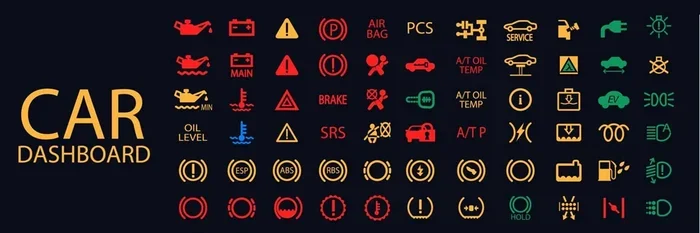
The symbol itself looks like a key or a keyhole, depending on your car brand. Some vehicles show a small outline of a traditional metal key. Others display a more modern key fob shape. The color is usually red or orange, and the blinking pattern is steady. This steady blink is different from the check engine light, which often blinks faster when there is a serious issue.
How the Immobilizer System Works
Your car’s immobilizer is a smart security feature. It has three main parts. First, there is the transponder chip inside your key. Second, there is the antenna ring around the ignition cylinder or start button. Third, there is the engine control unit, or ECU, that reads the signal. When you insert the key or bring the fob close, the antenna sends a radio signal. The transponder chip responds with its unique code. The ECU checks that code against a stored list of valid codes. If everything matches, the fuel system unlocks and the engine can start.
This whole process happens in milliseconds. You never notice it is happening. But when one part of the system fails, the key light flashing on dashboard alerts you immediately. It is your car saying, “I do not trust this key.”
Common Reasons Why the Key Light Flashes on Your Dashboard
There are several reasons why the key light flashing on dashboard appears. Some are simple and cheap to fix. Others require a bit more work. Let us go through the most common causes one by one.
1. Weak or Dead Key Fob Battery
This is the number one reason most drivers see a flashing key light. The key fob battery sends the signal to your car. When the battery gets weak, the signal becomes too faint for the car to read. The immobilizer then flags the key as unrecognized. This is especially common in cars with push-button start systems.
You will notice other signs too. The key fob might stop working at a distance. You may need to hold it right next to the start button. In some cars, the fob works only when placed in a specific spot. These are all clues that the battery is dying.
Replacing the battery is usually very easy. Most key fobs use a small CR2032 coin battery. You can pop open the fob with a flathead screwdriver, swap the old battery for a new one, and snap it back together. Within minutes, the key light should stop flashing.
2. Key Not Recognized by the Car
Sometimes the key fob battery is fine, but the car still does not recognize the key. This can happen if the transponder chip inside the key is damaged. It can also happen if you are using a spare key that was never properly programmed to the car.
Another common scenario is using the wrong key entirely. If you have multiple keys for different vehicles, it is easy to grab the wrong one. The car will flash the key light because the code does not match. Always double-check that you are using the correct key for your specific vehicle.
3. Steering Wheel Lock Engaged
This one catches a lot of people off guard. When you turn off the car and turn the steering wheel slightly, the steering lock engages. This is a theft deterrent. But sometimes the ignition lock and the steering lock get stuck together. The car cannot read the key properly because the lock mechanism is under tension.
The key light flashing on dashboard in this case is a secondary symptom. The real problem is the physical lock. To fix it, gently wiggle the steering wheel left and right while turning the key or pressing the start button. The lock should release, and the car should start normally.
4. Faulty Ignition Switch or Start Button
The ignition switch is the part that reads your key. Over time, the contacts inside the switch can wear out. This is more common in older vehicles with traditional keys. In newer cars, the start button or the antenna ring around it can also fail.
Signs of a failing ignition switch include the key light flashing intermittently. You might also notice the car stalls while driving or the electrical accessories stop working. These symptoms often come and go, which makes them tricky to diagnose at home.
5. Wiring or Electrical Issues
Your car has wiring that connects the antenna ring, the ignition switch, and the ECU. If any of these wires get damaged, corroded, or loose, the signal path breaks. The car cannot read the key, and the key light starts flashing.
Electrical issues can result from water damage, rodent chewing, or general wear and tear over the years. A short circuit in the steering column area is another common culprit. These problems require a mechanic with diagnostic tools to find and fix.
6. Anti-Theft System Malfunction
Sometimes the anti-theft system itself malfunctions. This can happen after a battery disconnect, a jump start, or a recent battery replacement. The ECU loses its memory of the valid key codes and needs to be re-synced. In rare cases, the ECU itself may need to be replaced or reprogrammed.
This is more common in older vehicles or cars that have been sitting unused for a long time. If you have not driven your car in weeks or months, the immobilizer system might need a reset.
Key Light Flashing on Dashboard vs Other Dashboard Warnings
Dashboard warning lights can be confusing. Many of them look similar, and drivers often mix them up. Let us compare the key light with a few other common warnings so you can tell the difference.
| Warning Light | Symbol Shape | What It Means | Urgency Level |
|---|---|---|---|
| Key Light Flashing | Key or keyhole | Immobilizer system cannot read the key | Medium – car will not start |
| Check Engine Light | Engine outline | Emission or engine problem detected | Medium to High |
| Battery Warning | Battery symbol | Charging system or battery issue | High – pull over safely |
| Oil Pressure Warning | Oil can symbol | Low oil pressure | Critical – stop immediately |
| Temperature Warning | Therometer symbol | Engine overheating | Critical – stop immediately |
| Brake Warning | Circle with exclamation | Brake system issue or parking brake on | High |
The key light flashing on dashboard is different from the check engine light in an important way. The check engine light often allows the car to keep running, even if there is a problem. The key light, on the other hand, usually prevents the car from starting at all. This makes it impossible to ignore, but it also gives you a clear signal of what the problem is.
Quick Fixes You Can Try Right Now
Before you call a mechanic, try these simple steps. Many drivers have resolved the key light flashing on dashboard issue with these quick fixes.
- Replace the key fob battery. Use a fresh CR2032 battery. This fixes the issue more than half the time.
- Bring the key fob close to the start button. Some cars have a backup reader built into the start button. Place the fob directly on or very close to it.
- Try the spare key. If the spare key works, the problem is with the first key. The transponder chip in the first key may be damaged.
- Wiggle the steering wheel. Turn the wheel left and right gently while trying to start the car. This releases the steering lock.
- Turn the key to the accessory position. Wait for 10 seconds, then try starting again. This gives the immobilizer system time to re-read the key.
- Disconnect the car battery for 15 minutes. This resets the ECU and can clear a temporary glitch. Reconnect the battery and try starting again.
Quick Tip
Keep a spare key fob battery in your glove box. You never know when the battery will die, and having a replacement on hand saves you from a stressful situation on the road.
When Should You See a Mechanic?
Most of the time, the key light flashing on dashboard is a minor issue. But there are situations where you should not try to fix it yourself. If you have tried all the quick fixes above and the light keeps flashing, it is time to seek professional help.
You should also see a mechanic if the car starts and then stalls immediately. This could indicate a deeper problem with the immobilizer or the ECU. Similarly, if you notice the key light flashing along with other warning lights, the issue may be electrical and requires proper diagnostic equipment.
A mechanic can run a vehicle diagnostic scan to read the exact error code stored in the ECU. This code tells them exactly which part of the immobilizer system is failing. From there, they can recommend the right repair, whether it is replacing the ignition switch, reprogramming the key, or fixing a wiring issue.
How Much Does It Cost to Fix?
The cost varies widely depending on the cause. A new key fob battery costs about $5 to $10. Replacing an ignition switch typically runs between $150 and $300, including parts and labor. Reprogramming a key or replacing the ECU can cost anywhere from $100 to $500 or more, depending on the car brand and model.
The good news is that most key light issues fall on the cheaper end of the spectrum. Addressing the problem early almost always saves you money compared to ignoring it and letting it develop into a bigger issue.
How to Prevent the Key Light from Flashing
Prevention is always easier than repair. Here are a few simple habits that can keep the key light from appearing on your dashboard.
- Replace the key fob battery every 1 to 2 years. Do not wait for it to die completely. Set a reminder on your phone.
- Handle your keys gently. Dropping or throwing keys can damage the transponder chip inside.
- Keep spare keys in a safe, dry place. Moisture can damage the electronics in both the key and the car’s antenna ring.
- Avoid placing keys near strong electromagnetic fields. This includes large speakers, power tools, and MRI machines. These can interfere with the transponder signal.
- Get regular vehicle maintenance. A routine check-up can catch electrical issues before they trigger the key light.
Expert Insight
Automotive technicians agree that the key light flashing on dashboard is one of the most misunderstood warnings. Many drivers panic and assume the worst. In reality, over 70% of cases are caused by a simple key fob battery issue. Always check the battery first before assuming a major problem.
Key Light Flashing on Dashboard in Different Car Brands
The key light looks slightly different depending on the car brand, but the meaning is the same. Here is how a few popular brands display the key warning.
- Toyota and Lexus: A small key outline that flashes red. Often accompanied by a message on the dashboard display.
- Honda and Acura: A key symbol that blinks on the instrument cluster. May also show “SECURITY” on the display.
- Ford: A key or security light that flashes on the dash. Common in models with the FordPass key fob system.
- BMW: A key symbol with the words “Key Not Recognized” on the display in newer models.
- Chevrolet and GMC: A security key light that flashes steadily. Often paired with a “Theft System Active” message.
No matter the brand, the flashing key light means the same thing. The car’s immobilizer system cannot verify the key. The fix follows the same general steps across all brands.
Final Thoughts
Seeing the key light flashing on dashboard can be stressful, but it does not have to be. Most of the time, it is a simple issue with a straightforward fix. A dead key fob battery, a steering lock, or a minor electrical glitch accounts for the vast majority of cases. You can handle many of these fixes yourself in just a few minutes.
The key light is your car’s way of communicating with you. It is not trying to scare you. It is simply telling you that the security system needs attention. When you listen to that message and act quickly, you save time, money, and a lot of frustration.
Next time you see that little key symbol blinking on your dashboard, take a deep breath. Check the key fob battery first. Try the spare key. Wiggle the steering wheel. These small steps solve the problem more often than not. And if they do not, a trusted mechanic can help you get to the bottom of it fast.
Stay proactive with your car’s maintenance. Keep spare batteries on hand, handle your keys with care, and do not ignore warning lights. A little attention goes a long way in keeping your car running smoothly and your key light off.
Frequently Asked Questions
Can I still drive my car if the key light is flashing?
In most cases, the car will not start at all when the key light is flashing. The immobilizer system prevents the engine from running to protect against theft. If the car does start but stalls immediately, pull over safely and address the issue before continuing to drive.
How much does it cost to replace a key fob battery?
A key fob battery typically costs between $5 and $10. You can buy one at any drugstore, hardware store, or online. The replacement process is simple and takes less than five minutes for most key fobs.
Why does the key light flash when I use my spare key?
This usually means the spare key was never properly programmed to your car. Each transponder key needs to be registered with the vehicle’s ECU. If the spare key was cut but not programmed, the car will not recognize it, and the key light will flash.
Does the key light flashing mean my car has been stolen?
No. The key light flashing is part of the anti-theft system, but it does not mean your car has been stolen. It means the system cannot verify the key you are using. This is a security feature designed to prevent unauthorized use of the vehicle.
How do I reset the immobilizer system on my car?
You can try disconnecting the car battery for 15 minutes and then reconnecting it. This resets the ECU and clears temporary glitches. If the problem persists, a mechanic can perform a proper immobilizer reset using diagnostic equipment.
Is it safe to ignore the key light flashing on dashboard?
No, it is not safe to ignore it. The key light means your car’s security system has detected a problem. Ignoring it can leave you stranded if the car refuses to start. It can also mask a more serious underlying issue that will only get worse over time.
=== CONCLUSION ===
The key light flashing on dashboard is a clear and direct message from your car. It tells you the immobilizer system cannot verify your key. Most often, the cause is a weak key fob battery, a steering lock issue, or a minor electrical glitch. These problems are easy to fix and usually do not cost much. By understanding what the light means and following the quick fixes in this guide, you can resolve the issue quickly and get back on the road with confidence.
Remember to check your key fob battery regularly, keep a spare key handy, and never ignore warning lights on your dashboard. These simple habits keep your car secure and your trips stress-free. The next time you see that little key symbol blinking, you will know exactly what to do.