What Happens When You Mix Motor Oil and Water Together
What happens when you mix motor oil and water is a question that matters to every car owner. When motor oil and water combine, they create a harmful emulsion that destroys engine lubrication, causes sludge formation, and leads to serious engine damage if not addressed quickly.
Key Takeaways
- Oil and water don’t mix naturally: They have different densities and polarities, which causes separation and creates dangerous emulsion in engines.
- Engine damage is the biggest risk: Water in engine oil weakens lubrication, increases friction, and can cause catastrophic failure.
- Sludge formation accelerates wear: The mixture forms sticky sludge that clogs passages and starves engine parts of proper lubrication.
- Common causes include head gasket failure and coolant leaks: These problems allow coolant and water to enter the lubrication system.
- Immediate action is critical: If you suspect oil contamination, stop driving and inspect your vehicle immediately.
- Prevention saves thousands: Regular automotive maintenance helps catch problems before engine overheating or permanent damage occurs.
- Professional diagnosis is recommended: Mechanics use tools like oil-water separators and compression tests to find the root cause.
📑 Table of Contents
- What Happens When You Mix Motor Oil and Water Together
- The Science Behind Oil and Water Mixing
- Common Causes of Water in Engine Oil
- The Damage This Mixture Causes
- Warning Signs to Watch For
- How to Diagnose and Fix the Problem
- Expert Insights on Oil-Water Contamination
- Comparison: Clean Oil vs. Contaminated Oil
- Conclusion
What Happens When You Mix Motor Oil and Water Together
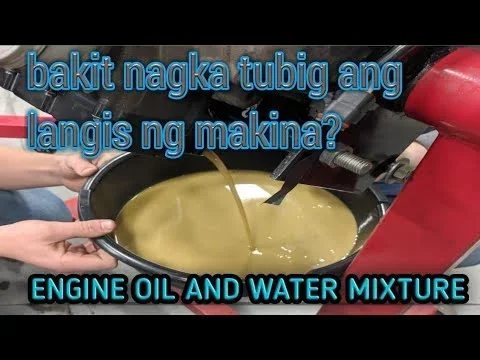
Every car owner has had a moment of panic. You check your engine oil dipstick and notice a milky, creamy substance staring back at you. That sight immediately raises one big question: what happens when you mix motor oil and water inside your engine?
The short answer is not good news. When these two liquids meet inside your engine, they don’t blend smoothly. Instead, they form a dangerous emulsion that wrecks engine lubrication. This mixture reduces the oil’s ability to protect moving parts. Over time, it leads to sludge formation, increased friction, and potentially catastrophic engine damage.
Understanding this process is critical. It can mean the difference between a simple repair and a total engine replacement. In this guide, we’ll break down the science, the risks, the warning signs, and most importantly, how to protect your vehicle. Let’s dive in.
The Science Behind Oil and Water Mixing
Why Oil and Water Don’t Mix
Here is a simple fact. Oil and water are natural enemies. They have different molecular structures. Water molecules are polar, meaning they have positive and negative charges. Oil molecules are non-polar. This difference makes them repel each other.
Think of it like trying to mix vinegar and cooking oil in a salad dressing. They separate quickly. The same thing happens inside your engine. Motor oil floats on top of water because it is less dense. Under normal conditions, they stay apart.
But engines create heat and pressure. These forces can push water into places it should never be. When that happens, you get a mixture that causes serious harm.
What Is an Emulsion?
An emulsion is a mixture of two liquids that normally don’t combine. Mayonnaise is a great example. It mixes oil and egg yolk with vinegar through constant stirring. In your engine, heat and movement create a similar effect.
When water enters the lubrication system, it creates a milky or frothy emulsion. This substance is much thinner than pure motor oil. It cannot provide adequate engine lubrication. That is when real trouble starts.
Common Causes of Water in Engine Oil
Head Gasket Failure
The head gasket seals the gap between your engine block and cylinder head. It keeps coolant and oil in separate channels. When this seal fails, coolant leaks directly into the oil passages.
This is one of the most common causes of water in engine oil. You might notice white smoke from the exhaust or a milky oil cap. Head gasket failure needs immediate attention. Driving with it can destroy your engine completely.
Coolant Leaks and Cracked Components
Sometimes the problem is simpler. A cracked radiator or a damaged coolant hose can leak fluid near engine components. Over time, coolant mixture seeps into the oil system.
Even a small coolant leak can cause big problems. The contaminant slowly weakens the oil. You might not notice it right away. That is why regular automotive maintenance matters so much.
Condensation Buildup
Here is something many drivers don’t realize. Cold starts create condensation inside the engine. In humid climates, this moisture builds up faster. Small amounts of water are usually burned off during normal driving.
But if you only take short trips, moisture stays trapped. It mixes with the oil contamination and creates sludge over time. This slow buildup is sneaky and damaging.
The Damage This Mixture Causes
Loss of Lubrication
The most immediate problem is reduced viscosity changes in your oil. Clean motor oil is thick and slippery. It coats metal parts and prevents direct contact. When water enters, the oil becomes thin and weak.
Metal parts start rubbing against each other without proper engine lubrication. This creates heat. More heat leads to more wear. Soon, you face accelerated engine damage that could have been prevented.
Sludge Formation
Sludge formation is one of the most destructive outcomes. The emulsion of oil and water creates a sticky, tar-like substance. This sludge coats internal engine surfaces and clogs vital passages.
Oil cannot flow properly through blocked passages. Critical engine parts are starved of lubrication. The result is overheating, seized components, and sometimes a complete engine rebuild. Sludge also clogs your oil filter, reducing its effectiveness.
Rust and Corrosion
Water causes metal to rust. Inside your engine, this means rust and corrosion on bearings, cylinder walls, and camshafts. These are expensive parts to replace. Corrosion weakens metal over time, making parts more likely to fail under pressure.
Damage to the Catalytic Converter
Water entering the combustion chamber can reach your catalytic converter. This expensive component helps control emissions. When coolant or water burns inside the exhaust system, it can damage the converter’s internal ceramics. Replacing a catalytic converter is costly, and it is entirely avoidable.
Warning Signs to Watch For
Milky or Frothy Oil
The easiest sign is checking your oil filter or dipstick. Clean oil is amber and smooth. If it looks milky or frothy, water is present. This is a clear indicator that what happens when you mix motor oil and water is already occurring inside your engine.
Do not ignore this sign. Even if your car seems fine right now, the damage is ongoing. Pull over and have the vehicle inspected.
White Smoke from the Exhaust
Some steam on a cold morning is normal. But thick, sweet-smelling white smoke is not. This usually means coolant is burning inside the engine. It strongly suggests a head gasket failure or cracked component allowing coolant mixture into the combustion chamber.
Engine Overheating
Engine overheating often follows oil contamination. When lubrication fails, friction builds. Friction creates heat. Your temperature gauge climbs rapidly. If you see this, shut off the engine immediately. Continued driving can cause a blown head gasket or warped cylinders.
Unusual Noises
Knocking, ticking, or grinding sounds from the engine often signal trouble. These noises mean parts are rubbing without proper lubrication. Metal-on-metal contact destroys bearings and pistons fast. Address it before the damage becomes permanent.
How to Diagnose and Fix the Problem
DIY Checks You Can Do
Before visiting a mechanic, you can do a few simple checks at home:
- Pull the dipstick. Look for a milky or creamy film on the oil surface.
- Remove the oil filler cap. Check for residue underneath that looks like a frothy emulsion.
- Inspect the oil filter for dark, gritty buildup that indicates sludge formation.
- Check your coolant reservoir. Look for oily residue floating on top of the coolant mixture.
These checks take only minutes. They can reveal a serious problem before it gets worse. If you find any contamination, stop driving your vehicle.
Professional Diagnostic Methods
Mechanics use several tools to find the source of water in engine oil:
- Compression test: This checks if cylinders are sealed properly. Low readings suggest a head gasket failure.
- Leak-down test: Air is pushed into cylinders to detect leaks. It pinpoints where the coolant leak originates.
- Oil analysis: A lab examines your oil sample. It identifies water content, metal particles, and oil contamination levels.
- Visual inspection: Technicians check the lubrication system for sludge formation, corrosion, and worn seals.
Repair Options
Repair depends on how far the damage has progressed. For minor oil contamination, a full oil change and oil filter replacement may suffice. The emulsion flush can remove loose sludge.
For moderate cases, mechanics flush the entire lubrication system. They may replace the oil filter and inspect bearings for corrosion. In severe situations involving engine damage, a rebuild or replacement becomes necessary.
Quick Tips for Preventing Oil-Water Mixing
- Never ignore a coolant leak. Even small drips matter.
- Change your oil on schedule. Fresh oil handles moisture better.
- Drive your car regularly. Long drives burn off harmful condensation.
- Check your oil filter at every oil change.
- Use quality hydraulic fluid and coolant products recommended by your vehicle manufacturer.
- Address engine overheating immediately. Do not keep driving when the temperature gauge rises.
Expert Insights on Oil-Water Contamination
What Mechanics Want You to Know
Experienced mechanics share one consistent message. What happens when you mix motor oil and water is always serious. Even a small amount of water causes harm over time.
Many professionals recommend an oil-water separator for vehicles that tow heavy loads or operate in extreme conditions. This device helps manage fluid separation before contaminants reach the lubrication system. It is a smart investment for heavy-duty use.
Long-Term Effects on Engine Life
Studies show that vehicles with untreated oil contamination lose up to 40 percent of their expected engine lifespan. Sludge formation and corrosion are the main culprits. Regular maintenance and early detection dramatically improve outcomes.
The takeaway is simple. Address the problem early and your engine survives. Ignore it and you face a much bigger bill.
Comparison: Clean Oil vs. Contaminated Oil
| Factor | Clean Motor Oil | Oil Mixed With Water |
|---|---|---|
| Viscosity | Proper thickness for protection | Thinned out, reduced protection |
| Lubrication | Smooth, reduces friction | Poor, causes metal-on-metal contact |
| Sludge Formation | None | Heavy, clogs passages |
| Engine Temperature | Normal operating range | Prone to overheating |
| Engine Life | Full lifespan expected | Significantly shortened |
| Repair Cost | Routine oil change | Hundreds to thousands of dollars |
As you can see, the difference is dramatic. Clean oil keeps your engine running smoothly. Contaminated oil invites disaster. The best approach is simple: prevent oil contamination before it starts and act fast at the first sign of trouble.
Conclusion
Now you understand what happens when you mix motor oil and water. The mixture creates a harmful emulsion that destroys engine lubrication, causes sludge formation, promotes rust and corrosion, and ultimately leads to expensive engine damage. Head gasket failure, coolant leaks, and condensation buildup are the main causes.
Stay alert to warning signs like milky oil, white exhaust smoke, and engine overheating. Perform regular automotive maintenance and never ignore even small fluid leaks. Your engine depends on clean oil to survive.
Protect your vehicle and your wallet. Check your oil regularly, follow your maintenance schedule, and seek professional help the moment something looks wrong. The knowledge you have today can save you from a very costly repair tomorrow.
Frequently Asked Questions
Can a small amount of water in engine oil cause damage?
Yes, even a small amount of water causes harm over time. It reduces viscosity changes and weakens engine lubrication. The emulsion forms sludge that clogs passages. Regular automotive maintenance catches this early before engine damage becomes severe.
How can I tell if water has mixed with my motor oil?
Check your dipstick and oil filler cap. Milky or frothy oil signals water in engine oil. You may also see white smoke from the exhaust, experience engine overheating, or notice unusual knocking sounds. An oil-water separator and professional diagnosis confirm the issue.
Can I still drive my car if oil and water have mixed?
No, driving with oil contamination is dangerous. The emulsion provides poor lubrication, which causes metal-on-metal contact. This accelerates sludge formation and rust and corrosion. Stop driving immediately and have the vehicle inspected to avoid catastrophic engine damage.
What is the cost to fix water-contaminated engine oil?
Costs range from a simple oil change for minor oil contamination to thousands for severe engine damage. A full lubrication system flush and oil filter replacement handle early cases. Head gasket failure or engine overheating repairs cost significantly more. Early detection saves money.
How does condensation cause water in engine oil?
Cold starts create condensation inside the engine. In humid climates, moisture builds up faster. If you only take short trips, the engine never reaches full temperature. This trapped moisture mixes with oil, causing emulsion and sludge formation. Longer drives help burn off this condensation naturally.
Does mixing motor oil and water affect the catalytic converter?
Yes, it can. When coolant or water enters the combustion chamber, it can reach the catalytic converter. Burning coolant damages the converter’s internal ceramics. This expensive component handles fluid separation poorly when contaminated. Addressing coolant leak issues early protects your exhaust system.