What Range Is Left on 2005 Corolla Ascent Fuel Light
When the fuel light illuminates on a 2005 Corolla Ascent, you typically have about 2 to 3 gallons of fuel remaining, which translates to roughly 30 to 50 miles of range depending on driving conditions. Knowing what range is left when a 2005 corolla ascent fuel light comes on helps you plan your next refuel stop and avoid getting stranded. Use your trip meter and drive smoothly to squeeze out every last mile.
You’re cruising along in your 2005 Toyota Corolla Ascent when the little fuel pump icon lights up on the dash. That’s the moment every driver dreads. The question is, how much distance do you actually have left? Understanding what range is left when a 2005 corolla ascent fuel light comes on can save you from an unexpected walk to the gas station.
The fuel light is not a death sentence. It’s a helpful reminder that you have a small reserve of fuel. Most drivers want to know exactly how many miles they can still cover. This guide gives you clear answers, practical tips, and real numbers for your 2005 Corolla Ascent. You’ll learn how to read your trip meter, what affects your remaining range, and how to stay safe.
Running on fumes can be stressful, but it doesn’t have to be. With the right knowledge, you can confidently find the nearest fuel station. Knowing what range is left when a 2005 corolla ascent fuel light comes on puts you in control. You’ll never have to guess again.
Key Takeaways
- Reserve Fuel Range: The 2005 Corolla Ascent typically has 30 to 60 miles of range after the fuel light comes on.
- Trip Meter is Key: Reset the trip meter when the light appears to measure your actual remaining range.
- Driving Style Matters: Smooth, steady driving can extend your reserve fuel by 20 to 30 percent.
- City vs Highway: Highway driving yields more miles than stop-and-go city traffic.
- Avoid Common Mistakes: Don’t ignore the light, crank the AC at full blast, or wait too long to refuel.
- Protect Your Fuel Pump: The reserve fuel keeps the pump cool and prevents debris from entering the system.
📑 Table of Contents
- What the Fuel Light Means on a 2005 Corolla Ascent
- How Far Can You Go When the Fuel Light Comes On?
- Using Your Trip Meter to Measure Range
- Factors That Change Your Remaining Range
- Smart Tips When the Low Fuel Warning Is On
- Common Mistakes Drivers Make When the Fuel Light Is On
- Final Thoughts: Don’t Get Stranded
What the Fuel Light Means on a 2005 Corolla Ascent
The low fuel warning is designed to tell you that the tank is nearly empty. On the 2005 Toyota Corolla Ascent, the fuel tank holds about 55 liters, or roughly 14.5 gallons. When the light comes on, you still have a reserve of fuel in the tank. This reserve is not meant for long-term driving. It’s a buffer to get you to the nearest fuel station safely.
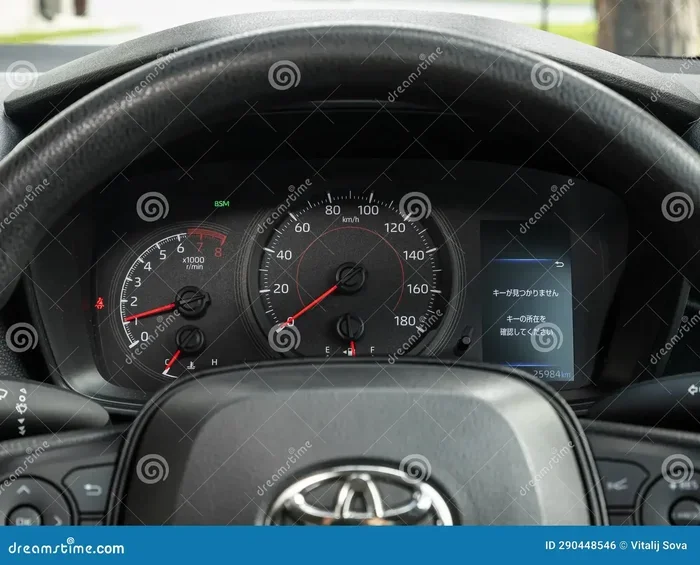
The fuel gauge needle may drop below the “E” mark or just hit the empty line. Some models show a flashing light. Either way, the message is clear: find fuel soon. The exact amount of fuel left varies. It depends on how the car was driven before the light activated. But generally, you have about 2 to 3 gallons remaining. The fuel gauge is a helpful tool, but it’s not perfectly precise.
The Purpose of the Low Fuel Warning
Car makers install the fuel light to protect the fuel pump. Running the tank completely dry can cause dirt and debris to enter the system. The reserve fuel keeps the pump submerged and cool. So the light is a safeguard. It gives you a warning before the engine stalls. Understanding what range is left when a 2005 corolla ascent fuel light comes on helps you respect this safety feature.
Fuel Tank Capacity and Reserve Fuel
The 2005 Corolla Ascent has a fuel tank capacity of 55 liters. The reserve portion is usually around 5 to 7 liters, which is about 1.3 to 1.8 gallons. That might sound small, but it’s enough to cover a decent distance. The fuel economy of the Corolla Ascent is around 30 to 35 mpg on the highway. With 2 gallons left, you could travel 60 to 70 miles. In city traffic, the number drops to about 40 to 50 miles. Range left is never a fixed number. It changes with every mile you drive.
How Far Can You Go When the Fuel Light Comes On?
The exact distance you can cover after the light turns on depends on several factors. But most owners of the 2005 Toyota Corolla Ascent report a range of 30 to 60 miles. The variation comes from driving style, road conditions, and speed. What range is left when a 2005 corolla ascent fuel light comes on is a common search because drivers want a reliable estimate before they reach a gas station.
Typical Range Estimates
Here is a simple breakdown of what you can expect. These numbers are based on average fuel economy for the 2005 Corolla Ascent.
- Highway driving at 60 mph: 50 to 65 miles
- Mixed driving: 40 to 55 miles
- City driving with stops: 30 to 45 miles
These are estimates. Your actual range may differ. The fuel light comes on when the tank has about 2.5 gallons left on average. The fuel gauge is not perfectly accurate. It can be off by a quarter tank or more. So treat the numbers as a guide, not a guarantee.
The Role of Your Trip Meter
The trip meter is your best friend for measuring range. It shows how many miles you have driven since the last reset. When the fuel light comes on, reset the trip meter to zero. Then watch the numbers climb. This gives you a real-time view of your remaining range. After you fill up, you’ll know exactly how many miles you got on the reserve fuel. Over time, you’ll build a personal profile for your car.
| Fuel Left (Gallons) | Highway Range (Miles) | City Range (Miles) |
|---|---|---|
| 2.5 | 75 | 50 |
| 2.0 | 60 | 40 |
| 1.5 | 45 | 30 |
| 1.0 | 30 | 20 |
Use this table as a rough guide. The 2005 Corolla Ascent fuel tank size and fuel economy make these numbers realistic. Always keep a buffer. Don’t wait until the trip meter shows 10 miles to find a gas station.
Using Your Trip Meter to Measure Range
The trip meter is a simple tool that can save you from running out of fuel. On the 2005 Toyota Corolla Ascent, you can reset it with a button on the dashboard. When the fuel light comes on, press reset immediately. The meter will count the miles you travel on the remaining fuel.
Here’s how to use it effectively. First, note the mileage on your odometer when the light comes on. Then reset the trip meter. Drive as you normally would. When the fuel gauge drops to the very bottom, stop and note the trip meter reading. That number is your actual range on reserve fuel. Repeat this a few times to get an average. This method removes guesswork. You’ll know exactly what range is left when a 2005 corolla ascent fuel light comes on for your specific driving habits.
A Simple Test to Find Your Actual Range
Try this experiment once. When the low fuel warning appears, drive to the nearest station without trying to stretch it. Fill the tank completely. Write down the number of gallons you added and the trip meter reading. Subtract the trip meter reading from the odometer reading at the time the light came on. That’s your true range. Do this a few times in different seasons. You’ll see how temperature and driving style affect your reserve fuel. Range remaining can vary by up to 15 percent between summer and winter.
Factors That Change Your Remaining Range
The reserve fuel range is not set in stone. Several factors can increase or decrease the distance you can cover. Understanding these helps you make smart decisions when the light is on.
Driving Style and Speed
Aggressive driving burns fuel fast. Hard acceleration and speeding can cut your remaining range by 20 to 30 percent. If you want to maximize your range left, ease off the gas pedal. Drive at a steady speed. Avoid sudden stops. Smooth driving is the best way to stretch those last few gallons. What range is left when a 2005 corolla ascent fuel light comes on is directly affected by how you press the gas pedal.
Highway vs City Driving
Highway driving generally gives better fuel economy. The engine runs at a constant speed with fewer stops. City driving involves a lot of idling and braking. Each stop-and-go cycle uses more fuel. So if you’re stuck in traffic when the light comes on, your range will be shorter. On the open highway, you’ll get more miles.
Vehicle Condition and Load
A well-maintained engine runs more efficiently. Old spark plugs, dirty air filters, or low tire pressure can reduce your fuel economy. Extra weight in the trunk also matters. Carrying heavy loads makes the engine work harder. Remove unnecessary items when you’re low on fuel. Even a roof rack adds drag and reduces range.
Weather and Altitude
Cold weather can reduce fuel economy by up to 12 percent. The engine takes longer to warm up, and the heater draws energy. Driving in hilly or mountainous areas also uses more fuel. Climbing hills burns extra gasoline. If you live in a hilly region, your remaining range after the fuel light may be shorter than the flatland estimates.
Smart Tips When the Low Fuel Warning Is On
The fuel light is a warning, not a challenge. Use it as an opportunity to practice fuel-efficient habits. Here are some practical tips to help you reach the next station safely.
Gentle Driving Techniques
- Accelerate slowly and smoothly.
- Maintain a steady speed of 55 to 65 mph on the highway.
- Coast to decelerate instead of braking hard.
- Use cruise control on flat roads to keep a constant speed.
Plan Your Route to the Nearest Station
Don’t take detours when you’re low on fuel. Use your GPS or phone map to find the closest gas station. Choose a station with a fuel pump that is not in heavy use. Avoid stations on long uphill roads if possible. Climbing hills uses more fuel. A flat or downhill route helps you save those precious reserve gallons.
Keep Windows Closed at High Speeds
At highway speeds, open windows create drag. That drag forces the engine to work harder. Keep the windows up and the air conditioning off if you can. The AC compressor adds load to the engine. Turning it off can improve your fuel economy by a small margin. Every little bit helps when you’re down to reserve fuel.
Common Mistakes Drivers Make When the Fuel Light Is On
Running on reserve fuel can be stressful. People often panic and make poor decisions. Avoid these common mistakes to stay safe and get the most out of your remaining fuel.
Ignoring the Warning Light
Some drivers treat the fuel light as a suggestion. They keep driving, thinking they have plenty of fuel left. This is risky. The fuel pump can overheat if the tank runs completely dry. Dirt from the bottom of the tank can clog the fuel filter. The cost of repairing a fuel pump is much higher than a tank of gas. Never ignore the light.
Cranking the AC at Full Blast
On a hot day, the temptation is to set the AC to maximum. But the AC compressor draws power from the engine. That means more fuel consumption. When you’re low on fuel, roll down the windows at lower speeds. Only use the AC when absolutely necessary. A comfortable ride is nice, but getting stranded is worse.
Waiting Too Long to Refuel
Some people wait until the fuel light comes on every time. This habit can damage the fuel pump over time. The reserve fuel is meant for emergencies. Make it a routine to refuel when the tank hits a quarter full. This keeps the fuel pump cool and extends its life. It also gives you peace of mind. You’ll never have to worry about what range is left when a 2005 corolla ascent fuel light comes on because you’ll always have plenty of fuel.
Overloading the Vehicle
Carrying heavy luggage or extra passengers increases fuel consumption. When the fuel light is on, remove any unnecessary weight from the trunk. A lighter car uses less fuel. This simple step can add a few extra miles to your reserve range.
Final Thoughts: Don’t Get Stranded
The 2005 Toyota Corolla Ascent is a reliable car. When the fuel light comes on, you still have a useful amount of range. Typically, you can expect 30 to 60 miles depending on your driving conditions. The key is to stay calm, use your trip meter, and drive smoothly. Knowing what range is left when a 2005 corolla ascent fuel light comes on gives you confidence. It helps you plan your next stop and avoid getting stuck on the side of the road.
Remember, the reserve fuel is not a long-term solution. Treat it as a short-term buffer. Refuel as soon as you safely can. Keep your car well-maintained, and your fuel gauge will give you accurate readings. With the tips in this guide, you’ll always be prepared. You’ll know exactly how far you can go, and you’ll never have to fear the little fuel pump icon again.
Frequently Asked Questions
How many miles can I drive after the fuel light comes on in a 2005 Corolla Ascent?
Most drivers report a range of 30 to 60 miles after the fuel light illuminates. This depends on whether you’re driving in the city or on the highway. Your driving style also plays a big role. Smooth, steady driving helps you maximize the remaining fuel.
What does the fuel light mean on a 2005 Toyota Corolla Ascent?
The fuel light means you have a small reserve of fuel left, usually about 2 to 3 gallons. It’s a warning to find a gas station soon. The light protects the fuel pump by alerting you before the tank runs completely dry.
Can I rely on the fuel gauge to know my exact range?
The fuel gauge is not perfectly accurate. It can be off by a quarter tank or more. The best way to know your exact range is to use the trip meter. Reset it when the light comes on and track the miles until you fill up.
Does air conditioning affect the range when the fuel light is on?
Yes, using the AC adds load to the engine and burns more fuel. When you’re low on fuel, try to keep the AC off if possible. Roll down the windows at lower speeds to stay cool without using extra gas.
How often should I refuel to avoid running on reserve?
A good habit is to refuel when the tank hits a quarter full. This keeps the fuel pump submerged and cool. It also prevents you from ever having to guess about your remaining range.
Is it bad to drive with the fuel light on for a long time?
Yes, driving for extended periods on reserve fuel can damage the fuel pump. Dirt and sediment at the bottom of the tank can enter the fuel system. Always treat the fuel light as a signal to refuel within 30 to 50 miles.