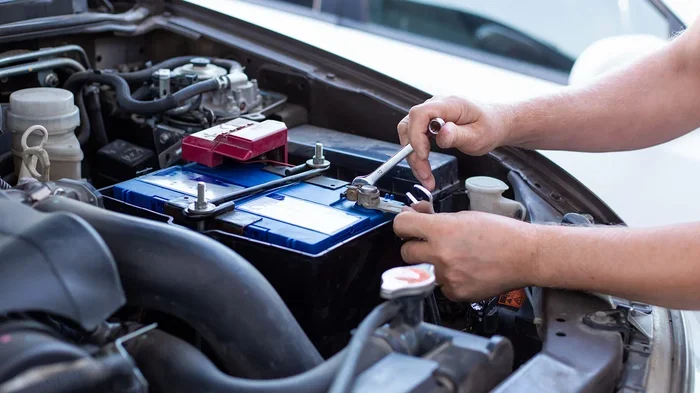
What Size Battery for My Car A Complete Buyer Guide
Finding the right battery starts with knowing your car’s group size and cold cranking amps. This guide walks you through everything you need to pick the perfect battery for your car. You will learn how to read battery labels, match dimensions, and avoid common buying mistakes.
Your car battery is the heart of your vehicle’s electrical system. Without it, nothing works. The radio stays silent. The engine won’t turn over. The lights dim to nothing. Yet most people think about their battery only when it dies. That is a costly mistake. Choosing the right size battery for my car can save you money, time, and a whole lot of frustration. This guide breaks down everything you need to know in plain, simple language.
Whether you are replacing an old battery or upgrading for better performance, the process starts with one question: what size battery for my car? The answer depends on several factors, including your vehicle model, climate, and driving habits. This guide covers each factor in detail so you can make a confident purchase. No guesswork. No confusion. Just clear, actionable advice.
Key Takeaways
- Battery group size matters: It determines the physical fit and terminal placement in your vehicle.
- Check your owner’s manual first: It lists the exact battery specifications your car needs.
- Cold cranking amps (CCA) are critical: They measure how well your battery starts the engine in cold weather.
- Wrong battery size can damage your car: It may cause poor connections, electrical issues, or even fitment problems.
- Consider reserve capacity: This tells you how long the battery can power your car if the alternator fails.
- Brand and warranty matter: Top brands offer better longevity and customer support.
- Always check the date code: A fresh battery lasts longer and performs better.
📑 Table of Contents
- Understanding Battery Group Sizes
- Cold Cranking Amps: Why They Matter
- Reserve Capacity and Battery Amperage Explained
- How to Find the Right Battery Size for Your Car
- Common Mistakes When Choosing a Car Battery
- Top Battery Brands Worth Considering
- When to Replace Your Battery
- Installing Your New Battery: Quick Tips
- Key Takeaways
- Conclusion
Understanding Battery Group Sizes
The battery group size is the industry standard for battery dimensions. It tells you the physical length, width, and height of the battery. It also indicates where the terminals are placed. Using the wrong group size means the battery may not fit properly in the tray. Terminals might not align with cables. This leads to loose connections and potential electrical failures.
What Does Group Size Mean?
Every car battery has a group number printed on the label. Common sizes include group 24, group 35, group 65, and group 75. Each number corresponds to a specific set of dimensions. For example, a group 65 battery is longer than a group 35 battery. The terminal positions also differ between groups. This is why matching the group size to your vehicle is so important.
You can find your car’s group size in the owner’s manual. It is also listed on the old battery you are replacing. Look for a code like “BCI Group 65.” BCI stands for Battery Council International. They are the organization that sets these standards. Most auto parts stores use BCI group numbers when cataloging batteries.
Common Battery Group Sizes by Vehicle Type
Different vehicles need different group sizes. Here is a quick breakdown of common sizes and what they fit:
- Group 24: Often found in larger sedans and some SUVs. These batteries are medium-sized and reliable.
- Group 35: Common in Japanese cars like Toyota and Honda models. Compact and efficient.
- Group 65: Popular in many domestic cars and trucks. Larger capacity for bigger engines.
- Group 75: Used in some GM vehicles and compact cars. Small but powerful.
- Group 47: Found in European vehicles like BMW and Mercedes. Premium fitment required.
- Group 48: Common in modern trucks and SUVs with start-stop technology.
Always double-check your vehicle’s requirements before purchasing. A group size chart can help you compare dimensions quickly. Many online retailers offer searchable tools where you enter your car’s make, model, and year.
Cold Cranking Amps: Why They Matter
Cold cramping amps, or CCA, is a measure of how much power a battery can deliver at zero degrees Fahrenheit for 30 seconds without dropping below a safe voltage. In simpler terms, CCA tells you how well your battery starts the engine in cold weather. The lower the temperature, the harder your engine works to turn over. A battery with low CCA may fail to start your car on a freezing morning.
How to Choose the Right CCA Rating
Your owner’s manual specifies the minimum CCA rating for your vehicle. Never go below that number. If you live in a cold climate, consider going higher than the minimum. A battery with extra CCA provides a safety margin. It ensures reliable starts even during harsh winters.
Here are some practical tips for choosing CCA:
- Check your manual first: It lists the recommended CCA for your exact model.
- Consider your climate: If temperatures regularly drop below freezing, add 10 to 20 percent to the recommended CCA.
- Do not oversize unnecessarily: A battery with way too much CCA will not hurt your car, but it costs more than you need.
- Match CCA to engine size: Larger engines with more cylinders generally need higher CCA ratings.
For most passenger cars, CCA ratings range from 400 to 800. Trucks and SUVs with larger engines may require 800 to 1,200 CCA or more. Always match the CCA to your vehicle’s needs. This is one of the most important steps when figuring out what size battery for my car.
Reserve Capacity and Battery Amperage Explained
Reserve capacity measures how long a battery can deliver a steady 25 amps before the voltage drops below 10.5 volts. Think of it as backup power. If your alternator fails while driving, reserve capacity keeps your electrical systems running. This gives you time to pull over safely.
Why Reserve Capacity Matters for Daily Driving
Modern cars have lots of electrical accessories. Navigation systems, heated seats, backup cameras, and phone chargers all draw power. A battery with good reserve capacity handles these demands without straining. It also performs better during short trips where the alternator does not have enough time to fully recharge the battery.
Here are some quick tips for evaluating reserve capacity:
- Look for RC ratings above 100 minutes: This is a good baseline for most vehicles.
- Higher RC is better for stop-and-go driving: City driving puts more stress on the battery.
- Do not confuse RC with CCA: CCA measures starting power, while RC measures sustained power delivery.
- Check the battery label: Both CCA and RC are printed on every quality battery.
Battery amperage, measured in amp-hours, also plays a role. Amp-hours tell you the total energy a battery can store over time. A higher amp-hour rating means longer runtime. However, for most car owners, CCA and reserve capacity matter more than amp-hours alone.
How to Find the Right Battery Size for Your Car
Now that you understand group sizes, CCA, and reserve capacity, let’s talk about the actual process of finding the right battery. The steps are simple and straightforward. You do not need to be a mechanic to do this right.
Step 1: Check Your Owner’s Manual
Your owner’s manual is the single best resource. It lists the exact group size, CCA rating, and terminal configuration your car requires. Flip to the maintenance section or the specifications page. Write down the numbers. Bring this information to the store or type it into an online search tool.
Step 2: Read the Old Battery Label
If you are replacing a dead battery, the old one has all the information you need. Look for the group size number, CCA rating, and brand name on the top label. These details make shopping easy. You can match them exactly or use them as a baseline for comparison.
Step 3: Use an Online Battery Finder Tool
Most major battery brands and auto parts retailers offer free online tools. You enter your car’s make, model, and year. The tool returns a list of compatible batteries. This is the fastest and most reliable method. It eliminates guesswork entirely.
Step 4: Verify Physical Dimensions
Even with the right group size, double-check the dimensions. Battery trays vary between model years. A battery that fits the group size may be slightly too long or too tall. Measure the tray if you are unsure. A snug fit prevents the battery from shifting during driving, which reduces vibration damage.
Common Mistakes When Choosing a Car Battery
Buying a car battery seems simple, but mistakes happen all the time. Avoid these common pitfalls to protect your investment and your vehicle.
Mistake 1: Ignoring Terminal Placement
Not all batteries with the same group size have terminals in the same position. Some have positive terminals on the left, others on the right. If the terminals do not align with your cables, you will need extra adapters or cable extensions. This creates a loose connection and potential safety hazard. Always verify terminal orientation before buying.
Mistake 2: Choosing Price Over Quality
Cheap batteries often use lower-quality internal components. They may have thinner plates and less lead content. This means shorter lifespan and weaker performance. A budget battery might save you twenty to thirty dollars upfront. But it could die in eighteen months instead of lasting four or five years. Spending a little more upfront pays off in the long run.
Mistake 3: Forgetting to Check the Date Code
Batteries degrade over time, even when sitting on a shelf. Always check the manufacture date before purchasing. Look for a sticker or stamp on the case. The code usually includes a letter for the month and a number for the year. For example, “A24” means January 2024. Never buy a battery that is more than six months old.
Mistake 4: Overlooking Warranty Coverage
A good battery warranty gives you peace of mind. Top brands offer warranties ranging from three to five years or more. Some even provide prorated replacements if the battery fails early. Read the warranty terms carefully. A longer warranty often signals better build quality and manufacturer confidence.
Mistake 5: Not Matching the Battery to Your Driving Habits
If you take short trips frequently, your battery never fully recharges. Over time, this causes sulfation and capacity loss. In this case, a battery with higher reserve capacity works better. Similarly, if you live in a hot climate, heat accelerates battery degradation. Choose a battery designed for high-temperature performance in these conditions.
Top Battery Brands Worth Considering
The market offers dozens of battery brands. Some stand out for reliability, performance, and value. Here are a few names worth considering when you search for what size battery for my car.
- Optima Batteries: Known for their spiral-cell design. These batteries resist vibration and last longer than standard models.
- Odyssey Batteries: Offer exceptional cycle life and high CCA ratings. Great for demanding applications.
- ACDelco: A trusted OEM supplier. Their batteries match factory specifications closely.
- DieHard Batteries: A long-standing brand with strong warranty support. Reliable for everyday driving.
- Exide Batteries: Good value with solid performance. Popular among budget-conscious buyers.
- Interstate Batteries: Widely available and dependable. A solid choice for most vehicles.
Each brand has strengths. Compare CCA ratings, reserve capacity, and warranty terms side by side. The best battery is the one that fits your car perfectly and matches your driving needs.
When to Replace Your Battery
Even the best battery will eventually wear out. Knowing the signs of a failing battery helps you avoid getting stranded. Most car batteries last between three and five years. However, extreme temperatures, short trips, and heavy electrical use can shorten that lifespan.
Watch for these warning signs:
- Slow engine crank: The engine turns over slowly when you start the key.
- Dim headlights: Lights are noticeably dimmer than usual, especially at idle.
- Check engine light: A illuminated check engine light can sometimes signal battery issues.
- Swollen case: A bloated battery casing indicates internal damage from heat or overcharging.
- Rotten smell: A sulfurous odor near the battery suggests internal leakage.
- Corroded terminals: White or blue powdery buildup on the terminals restricts current flow.
If you notice any of these signs, test your battery at an auto parts store. Most stores offer free battery testing. A simple load test takes about five minutes and tells you exactly how much life remains in your battery.
Installing Your New Battery: Quick Tips
Replacing a car battery is one of the easiest DIY jobs you can do. You need a wrench, safety gloves, and about fifteen minutes. Here are some tips to make the process smooth.
- Disconnect the negative terminal first. This prevents short circuits. Use a wrench to loosen the nut and lift the cable off the post.
- Then disconnect the positive terminal. Always follow this order for safety.
- Remove the hold-down clamp. This secures the battery in the tray. Set it aside safely.
- Lift the old battery out carefully. Car batteries weigh 30 to 50 pounds. Use both hands and lift with your legs.
- Clean the tray and terminals. Wipe away any corrosion with a baking soda and water solution.
- Place the new battery in the tray. Make sure the positive and negative terminals align with the cables.
- Reconnect the positive terminal first. Tighten the nut securely. Then connect the negative terminal.
- Replace the hold-down clamp. This keeps the battery from moving during driving.
- Start the engine and test. If everything sounds smooth, you are done.
Always dispose of your old battery properly. Most auto parts stores accept used batteries for recycling. Lead-acid batteries are highly recyclable, and recycling keeps harmful materials out of landfills.
Key Takeaways
- Battery group size determines physical fit and terminal placement. Always match your vehicle’s required group size.
- Cold cranking amps measure starting power in cold weather. Choose a CCA rating that meets or exceeds your manual’s recommendation.
- Reserve capacity provides backup power during alternator failure. Higher RC is better for vehicles with lots of electrical accessories.
- Check the manufacture date before buying. Fresh batteries perform better and last longer.
- Terminal orientation matters just as much as group size. Verify that the terminals align with your cables.
- Top brands offer better longevity and warranty support. Invest in quality for long-term reliability.
- Regular testing extends battery life. Get your battery tested annually, especially after the third year.
Conclusion
Finding the right what size battery for my car does not have to be complicated. Start with your owner’s manual. Check the group size, CCA rating, and reserve capacity. Verify the physical dimensions and terminal placement. Choose a reputable brand with a solid warranty. Avoid common mistakes like ignoring the manufacture date or choosing price over quality. With the right information, you can confidently pick a battery that fits perfectly and performs reliably for years to come.
Your car battery is a small investment with a big impact. Take the time to get it right. Your future self will thank you the next time you turn the key and the engine starts right up. No hassle. No surprises. Just a reliable ride.
Frequently Asked Questions
What happens if I put the wrong size battery in my car?
A wrong-sized battery may not fit properly in the tray. Terminals might not align with cables, causing loose connections. This can lead to electrical failures, poor starting, or even damage to the vehicle’s electrical system. Always match the group size specified in your owner’s manual.
Can I use a battery with higher CCA than recommended?
Yes, using a battery with slightly higher CCA will not harm your car. It simply means the battery has extra starting power. However, there is no benefit to going too far above the recommended rating. You will just spend more money than necessary.
How do I know when my car battery needs replacing?
Common signs include slow engine cranking, dim headlights, a swollen battery case, or a rotten smell. Most batteries last between three and five years. If your battery is older than four years, consider testing it even if it still works.
Does climate affect battery size choice?
Climate affects CCA requirements more than physical size. Cold climates demand higher CCA ratings for reliable starts. Hot climates accelerate battery degradation, so you may want a battery with a longer warranty and robust build quality.
Is it safe to install a car battery myself?
Yes, it is safe and straightforward if you follow the correct steps. Always disconnect the negative terminal first and reconnect the positive terminal first. Wear safety gloves and goggles. If you feel unsure, a mechanic or auto parts store can install the battery for a small fee.
How long does a new car battery last on average?
A quality car battery typically lasts between three and five years. Driving habits, climate, and maintenance play a big role in lifespan. Regular testing and keeping terminals clean can help extend battery life.
=== CONCLUSION ===
Choosing the right battery size for my car comes down to three things: group size, CCA rating, and reserve capacity. With the right knowledge, you can walk into any store or browse online with confidence. Your car deserves a battery that fits perfectly and delivers reliable power every single day. Use this guide as your go-to resource, and you will never second-guess your battery purchase again.