When Is the Right Time to Get an Oil Change for a New Car
Knowing when should i get an oil change for a new car is the first step in protecting your engine. Most new vehicles need an oil change every 7,500 to 10,000 miles, but your owner’s manual is the final authority. Driving habits and oil type can shift that timeline, so this guide breaks it all down.
You just drove your new car off the lot. The smell of fresh leather hits you. The paint gleams under the sun. Everything feels like a dream. But there is one small task that can protect all that joy: the oil change. Many new car owners ask themselves, when should i get an oil change for a new car. The answer is not the same as it was twenty years ago. Back then, everyone said 3,000 miles. Today, modern engines and oils have changed the rules. This guide will show you exactly how to keep your engine healthy without wasting time or money.
Your new car came with a stack of paperwork. The owner’s manual is the most important document in that stack. It holds the manufacturer’s specific recommendations for maintenance. Skipping an oil change can lead to engine sludge, wear, and even void your warranty. Changing oil too early, however, wastes resources and adds unnecessary cost. Finding the right balance is the key to new car maintenance. I will walk you through the exact timing, the signs to watch for, and the habits that affect your schedule. By the end, you will feel confident about protecting your engine.
Key Takeaways
- Check your owner’s manual first: The manufacturer’s recommendation is the best starting point for your new car.
- Most new cars go 7,500–10,000 miles: Modern synthetic oils allow longer intervals than the old 3,000-mile rule.
- Your oil life monitor is smart: It adjusts the oil change interval based on real driving conditions.
- Short trips and severe driving shorten the timeline: Frequent cold starts and stop-and-go traffic stress the oil faster.
- Watch for warning signs: Dark, gritty oil or a check engine light means it is time to act.
- Stay on top of oil level too: A top-up between changes keeps the engine protected.
📑 Table of Contents
Why Oil Changes Matter for New Cars
Oil is the lifeblood of your engine. It reduces friction between moving metal parts. It carries heat away from critical components. It also traps contaminants and carries them to the oil filter. Over time, oil breaks down and loses its ability to do these jobs. Fresh oil ensures your engine runs smoothly and lasts longer. Think of it as routine engine protection. A small investment now can save you thousands later.
The Break-In Period and Your Engine
When a new engine is first run, tiny metal particles may float in the oil. This is normal during the break-in period. Changing the oil early, often around 1,000 to 3,000 miles, removes those particles. Many dealerships recommend a first oil change at this stage. It sets the foundation for a long engine life. Always check your owner’s manual for the exact first interval. Some manufacturers now use tighter tolerances that reduce this need.
How Fresh Oil Protects Your Investment
Clean oil maintains proper oil viscosity. Viscosity is the oil’s thickness and ability to flow. If oil gets too thin, it fails to protect. If it gets too thick, it does not flow well. Both scenarios cause wear. A timely oil change keeps the viscosity in the right range. It also prevents engine sludge buildup. Sludge is a dark, gritty substance that clogs passages. It can lead to overheating and expensive repairs. Fresh oil keeps everything flowing freely.
What Your Owner’s Manual Recommends
The owner’s manual is your best friend for maintenance. It tells you the exact oil change interval for your specific model. Do not guess. Do not rely on a friend’s advice. Open the manual and find the maintenance schedule section. You will see numbers for mileage or time, whichever comes first. For most new cars today, that number is between 7,500 and 10,000 miles. Luxury brands sometimes extend this to 15,000 miles when using full synthetic oil. The manual also specifies the correct oil viscosity, such as 0W-20 or 5W-30. Use exactly what the manufacturer recommends. This is the foundation of your new car maintenance plan.
Normal vs. Severe Service Conditions
Many owner’s manuals list two maintenance schedules: normal and severe. The severe service schedule requires more frequent oil changes. But what counts as severe driving? Short trips under five miles are a prime example. In cold weather, short trips mean the engine never reaches full operating temperature. Moisture and fuel mix with the oil, causing contamination. Stop-and-go traffic in the city also falls into severe service. Dusty or off-road conditions count too. Towing a trailer or carrying heavy loads puts extra heat on the engine. If you fall into any of these categories, follow the severe service interval. It might be 5,000 miles instead of 10,000. This is a crucial part of your oil change schedule.
The Oil Life Monitoring System Explained
Most new cars built after 2010 feature an oil life monitoring system. This is a smart computer that tracks your driving habits. It does not just count miles. It looks at engine revolutions, temperature, and driving patterns. When it detects harsh conditions, it reduces the remaining oil life percentage. This system helps you avoid guesswork. It is a great tool for new car maintenance.
How the System Calculates Your Oil Life
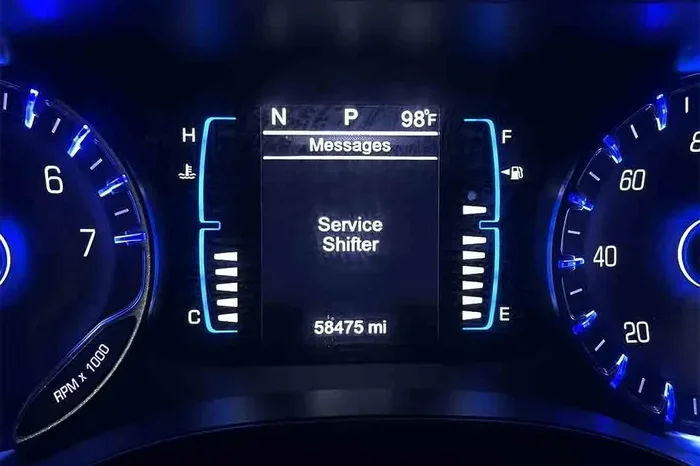
The monitor uses algorithms to estimate oil degradation. If you drive mostly on the highway in moderate weather, the system may give you a full 10,000-mile interval. If you do a lot of short trips in cold weather, it will cut that down. The system displays a percentage, often starting at 100%. When it hits 15% or 10%, it is time to plan your service. Some systems use a simple “change oil now” message. The key is to act when it alerts you. This is not a gimmick. It is based on real data from your driving.
When to Reset or Ignore the Light
After you get an oil change, you must reset the monitor. The reset procedure varies by car. Usually, there is a button near the steering wheel or on the dashboard. Follow the steps in the owner’s manual. If you change the oil but do not reset the system, the light will stay on. That causes confusion and unnecessary worry. Never reset the system without actually changing the oil. That defeats the purpose. The monitor is a helpful guide, but it works best when paired with proper maintenance. It is not a replacement for reading the manual.
Driving Habits That Change the Rules
Your daily driving style has a big impact on oil life. Two drivers with the same car might need oil changes at different intervals. Understanding your habits helps you plan better. It keeps your engine protection strong without wasting money.
Short Trips and Cold Weather
Short trips are tough on oil. When you drive only a few miles, the engine never fully warms up. Condensation builds up inside the crankcase. That moisture mixes with the oil and creates sludge. Fuel can also seep past the rings and dilute the oil. In cold climates, oil thickens and does not flow as quickly. This means less protection during the most critical moments. If your daily routine is mostly short trips, consider an oil change every 5,000 miles. Using a high-quality synthetic oil can also help. It handles cold starts better and resists contamination longer.
Towing and Heavy Loads
If you pull a trailer or carry heavy gear, your engine works harder. Heat builds up faster than normal. The oil temperature rises, and the oil breaks down more quickly. This is a clear case of severe service. Follow the severe service interval from your manual. Check your oil level more often when towing. A top-up between changes can maintain proper oil pressure. This simple habit prevents engine wear and keeps your warranty maintenance on track. Always use the oil weight recommended by the manufacturer, even under heavy loads.
Synthetic Oil vs. Conventional Oil: Does It Affect Timing?
The type of oil you use matters. It directly affects how long the oil lasts. Many new cars today come with synthetic oil already in the engine. Understanding the difference helps you make smart choices.
Why Synthetic Oil Lasts Longer
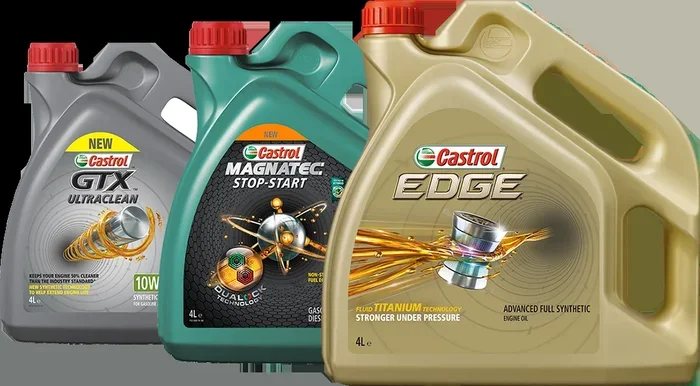
Synthetic oil is man-made. Its molecules are uniform and designed for high performance. It resists thermal breakdown better than conventional oil. It flows smoothly in freezing temperatures and handles extreme heat. Because of these qualities, manufacturers often extend the oil change interval for synthetic oil. You can safely go 10,000 miles or more with full synthetic. This is great for new car maintenance. It reduces the number of trips to the service center. Just make sure the synthetic oil meets the viscosity requirements in your manual. The oil change cost may be higher, but the extended interval often balances it out.
Can You Switch Between Oil Types?
Yes, you can switch from conventional to synthetic. Modern engines handle both types without issues. However, always check the owner’s manual for the recommended viscosity. Mixing oil types is not ideal, but it is not a disaster in an emergency. If you switch, do it at your next oil change. The oil change interval may stay the same, but the oil quality improves. Synthetic blends are a middle ground. They offer better protection than conventional oil at a lower cost than full synthetic. Choose based on your driving needs and budget.
So, When Should I Get an Oil Change for a New Car?
The general answer is between 7,500 and 10,000 miles for most new cars. But that is just a starting point. Your actual timing depends on several factors. The owner’s manual gives the baseline. The oil life monitor adjusts it based on your driving. Your personal habits push it shorter or longer. If you drive in severe conditions, go closer to 5,000 miles. If you use full synthetic oil and drive mostly highway miles, you might stretch to 10,000 miles safely. Always change the oil filter with every oil change. The filter traps contaminants. A clogged filter can sabotage fresh oil and reduce engine protection. When in doubt, consult a trusted mechanic or refer to the car manufacturer’s recommendation. The goal is simple: keep clean oil circulating through the engine.
Quick Tips for New Car Oil Changes
- Check your oil level monthly: Park on level ground and wait for the engine to cool. Use the dipstick.
- Keep a maintenance log: Record every oil change with date, mileage, and oil type.
- Use the right oil filter: OEM filters match your engine best. Aftermarket filters vary in quality.
- Do not ignore the check engine light: It can signal low oil pressure or other issues.
Common Mistakes to Avoid
- Waiting for the warning light: By the time the light comes on, the oil may already be degraded.
- Skipping the oil filter: A new filter is essential. Reusing an old filter traps contaminants.
- Using the wrong viscosity: Always match the oil weight specified in the manual.
- Ignoring severe service conditions: If you tow or drive short trips, you need more frequent changes.
Keeping a log is a smart habit. Use a phone app or a simple notebook. Record the date, mileage, and type of oil used. This helps you track your oil change schedule. It also provides proof of maintenance if you ever need to claim warranty repairs. Set a reminder on your phone when you hit 7,000 miles. Do not wait for the warning light to come on. Prevention is always cheaper than repair. A routine oil change cost is between $50 and $150 depending on the oil type. Compare that to the cost of an engine rebuild, which can run thousands. Staying on top of it is a no-brainer.
Some dealerships offer free first oil changes with a new car purchase. Take advantage of that. It gets you started on the right foot. After that, you can choose between the dealership, a quick-lube shop, or a DIY approach. If you do it yourself, make sure you have the right tools and dispose of the old oil properly. Many auto parts stores offer recycling. Whatever method you choose, consistency matters most. A regular oil change interval keeps your engine running like new for hundreds of thousands of miles.
Conclusion
Taking care of your new car starts with a simple oil change. Now you know when should i get an oil change for a new car. Follow the owner’s manual, watch your oil life monitor, and adjust for your driving habits. Use quality oil and change the filter regularly. These small steps add up to a long, healthy engine life. Do not wait for problems to appear. Make oil changes a habit, and your car will reward you with smooth performance for miles to come. Your new car is a big investment. Protect it with the simplest maintenance task there is.
Frequently Asked Questions
How often should I change the oil in a new car?
Most new cars need an oil change every 7,500 to 10,000 miles. However, your owner’s manual may specify a different interval based on your model and driving conditions. Always follow the manufacturer’s recommendation first.
Does the oil life monitor replace the manual schedule?
The oil life monitor is a helpful tool, but it should not replace the manual. It adjusts the interval based on your driving habits. Still, check the owner’s manual for the baseline interval and severe service limits.
What happens if I skip an oil change?
Skipping an oil change can lead to engine sludge, increased wear, and overheating. Over time, dirty oil loses its ability to lubricate and cool. This can result in costly repairs or even engine failure.
Can I change my own oil to save money?
Yes, DIY oil changes can save you money if you have the right tools and disposal options. Make sure you use the correct oil viscosity and a quality filter. Also, properly dispose of the old oil at a recycling center.
How do I know if my new car needs synthetic oil?
Check your owner’s manual for the recommended oil type. Many new cars come with synthetic oil from the factory. Synthetic oil offers better protection and longer intervals, especially in extreme driving conditions.
Is it okay to go over the recommended mileage by a few hundred miles?
Going a few hundred miles over is usually not a disaster, but it is not ideal. The oil is degrading during that time, and engine protection decreases. Try to stay within the recommended interval for best results.