Where Exactly on the Tire Sidewall Does It Say PSI Rating
The PSI rating on your tire sidewall is printed on the outer rubber wall of the tire, usually near the top or in the middle section. You will find a number followed by “PSI” or “psi” that tells you the maximum cold inflation pressure. Knowing where to look saves time and keeps your tires safe and road-ready.
Have you ever stood in front of your car, staring at your tires, wondering exactly where the PSI rating is hiding? You are not alone. Many drivers know they need to check tire pressure, but they are not sure what the numbers on the sidewall actually mean or where to find them.
The good news is that finding the PSI rating on your tire is simpler than you think. Once you know what to look for, you can spot the tire pressure information in seconds. This guide walks you through every detail so you never have to guess again. We will cover the exact location, what the numbers mean, and how to keep your tires in top shape.
Key Takeaways
- PSI rating location: The tire pressure number is stamped or printed directly on the tire sidewall, typically in the upper-middle area.
- Two key numbers: The sidewall shows maximum inflation pressure, while your vehicle recommends a different, lower pressure found on the door jamb.
- Tire sidewall markings include more than PSI: You will also find tire size, load index, speed rating, and manufacturing details.
- Checking PSI regularly matters: Proper tire pressure improves fuel economy, handling, and tire life.
- Tire Armor can add protection: Consider Tire Armor products to shield your sidewalls from damage and wear.
- Cold tires give accurate readings: Always check pressure when tires are cool for the most reliable PSI measurement.
📑 Table of Contents
Understanding Tire Sidewall Markings
Every tire carries a wealth of information molded into its outer rubber wall. These markings are not random. They tell you everything from the tire size to the maximum inflation pressure your tire can safely handle. Understanding these codes helps you become a smarter, safer driver.
What Information Lives on Your Tire Sidewall
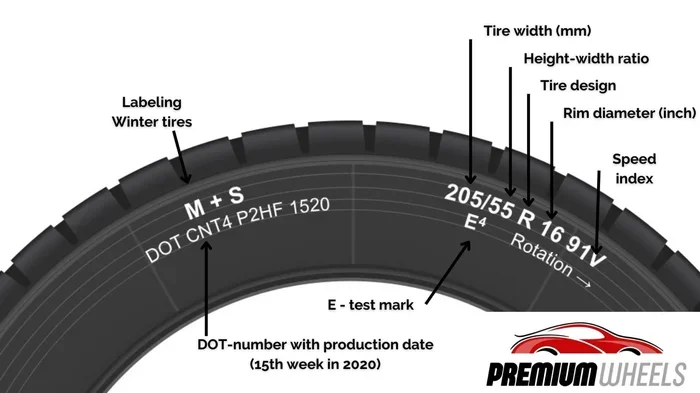
The sidewall of a tire is like a data sheet printed in rubber. Here is what you will typically find written or molded into the surface:
- Tire size designation (such as 215/65R17)
- Maximum PSI rating (the cold inflation pressure limit)
- Load index (how much weight the tire can carry)
- Speed rating (the maximum safe speed for the tire)
- Tire brand and model name
- DOT code (manufacturing date and location)
- Treadwear, traction, and temperature grades
All of this information serves a purpose. The tire sidewall markings help mechanics, retailers, and drivers identify the exact specifications of a tire at a glance. The PSI number is just one piece of this puzzle, but it is one of the most important for everyday driving.
Why the Sidewall Matters for Tire Safety
Your tire sidewall protects the inner liner and holds the air that keeps your vehicle moving. If the sidewall gets damaged, the tire can fail suddenly. That is why it is essential to know the recommended tire pressure for your specific tire. Overinflated or underinflated tires wear out faster and can lead to blowouts on the road.
Checking the PSI rating on the sidewall gives you the upper limit. But your vehicle manufacturer sets a different, lower number for optimal performance. This recommended pressure is usually listed on the driver’s side door jamb or in the vehicle owner manual. Always follow the vehicle manufacturer’s recommendation, not just the tire maximum.
Where Exactly Does the PSI Rating Appear on the Tire Sidewall
This is the question at the heart of this guide. The short answer is that the PSI rating is printed directly on the tire sidewall. But let us get more specific about where exactly you should look.
The Standard Location on Most Tires
On the vast majority of tires, the PSI number appears on the outer sidewall, positioned between the tread shoulder and the bead area. Here is how to find it step by step:
- Stand in front of your vehicle and face one of the front tires.
- Look at the outer rubber wall — the part that faces outward and does not touch the road.
- Scan the upper-middle section of the sidewall. You are looking for a number followed by the letters “PSI” or “psi.”
- The number is often printed in bold or raised lettering so it is easy to read.
For most passenger cars, the PSI rating falls between 30 and 35. For trucks and SUVs, the number can be higher, sometimes reaching 65 or 80 PSI. The exact placement may vary slightly depending on the tire manufacturer, but it is almost always on the sidewall and easy to spot.
What the PSI Number Looks Like
The PSI rating usually appears as a standalone number with the letters “PSI” right next to it. For example, you might see something like “Max Press 35 PSI” or “32 PSI.” Sometimes it is written as “Cold Inflation” followed by the pressure number. This means the pressure should be checked when the tire has not been driven on for at least three hours or has traveled less than a mile.
Some tires also display the pressure in kilopascals (kPa) alongside PSI. If you see a second set of numbers, the one labeled “psi” is what you need for standard U.S. measurement. The tire sidewall code can look crowded, but the PSI section is almost always clearly separated from other markings.
How to Read the PSI Rating Correctly
Finding the number is only half the battle. Understanding what it means and how to use it properly is just as important. Many drivers confuse the maximum pressure on the tire with the recommended pressure for their vehicle.
Maximum Pressure vs. Recommended Pressure
This is the single most common mistake people make with tire pressure. The PSI number on the tire sidewall represents the maximum cold inflation pressure the tire can handle. It is not the pressure you should always use. Your vehicle’s recommended pressure is almost always lower.
Here is a simple way to think about it:
- Sidewall PSI: The absolute maximum the tire can safely hold. Never exceed this number.
- Vehicle-recommended PSI: The ideal pressure for your specific car, found on the door jamb sticker or owner manual.
Always inflate your tires to the vehicle-recommended pressure. Overinflating beyond the sidewall rating is dangerous and can cause a harsh ride, uneven tread wear, and reduced traction.
Understanding the Numbers and Letters
The tire sidewall is packed with codes. Here are a few key terms you will encounter near the PSI rating:
- Max Press: Short for maximum pressure. This is the PSI limit.
- Cold Inflation: The pressure measured when the tire is cold.
- Load Index: A number that corresponds to the maximum weight each tire can support.
- Speed Symbol: A letter indicating the maximum speed the tire is rated for.
When you see all of these grouped together on the sidewall, it can feel overwhelming at first. But once you know what each piece means, reading a tire sidewall becomes second nature. Practice on your own tires, and you will be reading them like a pro in no time.
Common Places People Miss the PSI Rating
Sometimes the PSI number is not where you expect it. Here are a few spots drivers commonly overlook.
Check the Driver’s Side Door Jamb
While the tire sidewall shows the maximum PSI, your vehicle also displays the recommended tire pressure on the driver’s side door jamb. Open your driver’s door and look for a sticker or metal plate along the door frame. This sticker lists the recommended tire pressure for both front and rear tires.
This is the number you should use for daily driving. It takes into account your vehicle’s weight, suspension setup, and intended ride quality. The door jamb sticker is especially helpful because it may list different pressures for front and rear tires if your vehicle has a specific load requirement.
Consult Your Vehicle Owner Manual
If you cannot find the door jamb sticker, your vehicle owner manual is the next best resource. Open the manual and look for the section on tires or maintenance. Most manuals include a tire specifications table that lists the recommended PSI for each tire position.
Keep a digital or physical copy of your manual in the glove box. You never know when you will need to reference it, especially if you buy a used vehicle and the door jamb sticker is missing or worn out.
Tips for Maintaining the Right Tire Pressure
Finding the PSI rating is important, but keeping that pressure at the right level is what truly matters. Here are some practical tips to help you stay on track.
When to Check Your Tire Pressure
Make it a habit to check your tire pressure at least once a month. Tires naturally lose about one PSI per month, so regular checks keep you safe and save fuel. Always measure when the tires are cold — meaning the car has been parked for at least three hours or driven less than a mile.
Use a reliable tire gauge. The free gauges at gas stations can be inaccurate. A simple digital or dial gauge from an auto parts store costs just a few dollars and gives you precise readings every time.
How Tire Armor Can Help Protect Your Tires
Keeping your tires properly inflated is one thing. Protecting them from road hazards is another. This is where Tire Armor products come into play. Tire Armor coatings and sealants help shield your tire sidewalls from UV damage, cracking, and road debris.
When your sidewalls stay healthy, the PSI markings remain visible and legible for longer. Tire Armor also adds a sleek, finished look to your tires. It is a simple step that pays off in both appearance and long-term tire protection. Consider adding tire protection solutions to your regular maintenance routine.
Watch for Slow Leaks and Damage
Even with perfect maintenance, tires can develop slow leaks. A nail, screw, or sharp debris on the road can puncture the tread or sidewall without you noticing right away. If you find yourself adding air frequently, inspect the tire closely for punctures, bulges, or cracks in the sidewall.
A damaged sidewall is not something you can repair with a simple plug. If you notice cuts, bulges, or exposed cords on the sidewall, replace the tire immediately. Driving on a compromised sidewall is a serious safety risk.
Why Tire Pressure Affects Your Entire Driving Experience
Tire pressure might seem like a small detail, but it affects much more than just your tires. Proper inflation influences fuel economy, ride comfort, handling, and even the lifespan of your suspension components.
Underinflated tires create more rolling resistance, which means your engine works harder and uses more fuel. Studies show that tires underinflated by just 10 PSI can reduce fuel economy by up to 10%. On the flip side, overinflated tires give a harsh ride and wear the center of the tread much faster than the edges.
Your tire pressure monitoring system (TPMS) is designed to alert you when pressure drops below a safe threshold. However, do not rely solely on the TPMS light. By the time the light comes on, your tire may already be significantly underinflated. Manual checks with a quality gauge remain the best practice.
Key Takeaways
- The PSI rating is on the tire sidewall: Look at the outer rubber wall, typically in the upper-middle section, for a number followed by “PSI” or “psi.”
- Sidewall PSI is the maximum, not the recommendation: Always use the vehicle-recommended pressure found on the door jamb or owner manual.
- Check pressure when tires are cold: This gives the most accurate reading and prevents false high measurements from heat buildup.
- Inspect sidewalls regularly: Look for cracks, bulges, or damage that could compromise the tire and obscure the PSI markings.
- Use Tire Armor for added protection: Products from Tire Armor help preserve sidewall health and keep markings visible longer.
- Make tire pressure checks a monthly habit: Consistent monitoring improves safety, fuel economy, and tire longevity.
Frequently Asked Questions
Can I find the PSI rating on the inside of the tire?
No, the PSI rating is printed on the outer sidewall of the tire where it is visible when you stand next to the vehicle. The inside of the tire faces the wheel rim and does not carry manufacturer markings. If you cannot see the outer sidewall, simply turn the steering wheel or move the vehicle slightly to expose the section you need to read.
What does it mean if the PSI number is worn off my tire sidewall?
If the PSI marking is faded or worn away, you can still find the tire size and type information on the sidewall. Use that information to look up the correct pressure on the tire manufacturer’s website. Alternatively, rely on the recommended pressure listed on your vehicle’s door jamb sticker, which is specific to your car regardless of the tire brand.
Is the PSI rating the same for all tires on my vehicle?
Not always. Some vehicles require different pressures for the front and rear tires, especially heavier models like trucks and SUVs. Always check the door jamb sticker or owner manual for the correct pressure for each tire position. The sidewall PSI is the maximum for that specific tire, not the target pressure.
How often should I check my tire pressure?
Check your tire pressure at least once a month and before any long road trips. Tires lose about one PSI per month naturally, and temperature changes can also affect pressure. A quick monthly check takes only a few minutes and can prevent costly tire damage or unsafe driving conditions.
Can I use the maximum PSI on the tire sidewall as my daily pressure?
No. The maximum PSI on the sidewall is the upper safety limit, not your daily driving pressure. Using the maximum pressure will give you a harsh ride, reduce traction, and cause uneven tire wear. Always follow the vehicle manufacturer’s recommended pressure for the best balance of comfort, safety, and tire life.
What should I do if my TPMS light comes on?
When the TPMS light illuminates, pull over safely and check the tire pressure with a manual gauge. The light indicates that one or more tires are significantly underinflated. Add air to the recommended PSI level and the light should turn off after driving for a short distance. If the light stays on, there may be a sensor issue or a slow leak that needs professional attention.
=== CONCLUSION ===
Finding the PSI rating on your tire sidewall is straightforward once you know where to look. The number is printed on the outer sidewall, typically in the upper-middle section, and is followed by the letters PSI or psi. This maximum pressure rating tells you the upper limit your tire can safely handle, but remember that your vehicle’s recommended pressure — found on the door jamb or in the owner manual — is the number you should actually use for daily driving.
Regular tire pressure checks, combined with proper sidewall care, go a long way toward keeping you safe on the road. Consider adding Tire Armor to your maintenance routine to protect your sidewalls from UV damage, cracking, and road wear. Healthy tires with clear markings make every drive safer and more confident.
Now that you know exactly where the PSI rating lives on your tire, you have no excuse not to check it regularly. Grab a tire gauge, head to your driveway, and make tire pressure checks a part of your monthly routine. Your tires — and your wallet — will thank you for it.