Who Buys Diecast Car Collections and Where to Sell Them
Whether you have a vintage diecast car collection or a handful of rare models, plenty of buyers want to purchase them. Understanding who buys diecast car collections helps you set realistic prices and choose the right selling platform. From online marketplaces to local collectors and auction houses, you have more options than ever to turn your hobby into cash.
Have you ever wondered what happens to a diecast car collection after it sits in a garage for years? Maybe you inherited one, or perhaps you are finally ready to downsize your own stash of model cars. Either way, the good news is that there is a real market for these items. People buy diecast cars for all kinds of reasons, from pure nostalgia to serious investment.
Knowing who buys diecast car collections changes everything. It helps you pick the right selling strategy, set a fair price, and avoid getting scammed. In this guide, we will walk through every type of buyer, the best places to sell, and practical tips that actually work. Whether your collection is worth a few hundred dollars or several thousand, this article has you covered.
Key Takeaways
- Multiple buyer types exist: collectors, dealers, investors, and museums all purchase diecast models.
- Online platforms dominate: eBay, Etsy, and dedicated diecast forums offer the widest reach.
- Local options still matter: swap meets, flea markets, and estate sales can yield quick sales.
- Pricing is key: knowing your collection’s value saves you from underpricing or overpricing.
- Condition affects price: mint and sealed models fetch significantly more than used ones.
- Auction houses work for rare pieces: high-value collections benefit from professional auction settings.
📑 Table of Contents
- Who Buys Diecast Car Collections?
- Where to Sell Diecast Car Collections
- How to Determine Your Collection’s Value
- Tips for Selling Your Diecast Collection Successfully
- Common Mistakes to Avoid When Selling Diecast Collections
- Expert Insights on the Diecast Car Market
- Frequently Asked Questions
- Final Thoughts
Who Buys Diecast Car Collections?
The diecast car world is bigger than most people realize. There is no single type of buyer. Different groups purchase collections for different reasons, and understanding them helps you target your sales efforts. Let us break down the main buyer types.
1. Diecast Car Collectors
These are the people who live and breathe model cars. They buy collections to fill gaps in their own sets or to pursue specific brands and eras. Many collectors focus on vintage diecast cars from the 1960s through the 1980s. Others chase modern limited editions or rare variants.
Collectors often know the diecast car value of individual pieces. They browse online forums, attend shows, and network with other enthusiasts. If you have a themed collection, such as all Matchbox cars or a set of classic Dinky Toys, a collector will likely pay a premium for it.
2. Diecast Car Dealers and Resellers
Dealers buy collections to resell individual pieces for profit. They understand the diecast car resale value of each model and can move inventory quickly. Many dealers operate online shops or attend regular swap meets and toy shows.
Selling to a dealer is fast and convenient. You do not have to deal with individual buyers or wait for a sale. The trade-off is that dealers will offer less than retail price. They need room to make a profit after purchasing your entire collection at once.
3. Investors and Speculators
Believe it or not, diecast cars can be an investment. Some models appreciate over time, especially limited editions and discontinued lines. Investors look for collections with high-potential pieces, such as early mint-condition models or rare prototypes.
This buyer type has grown in recent years. More people treat collectible diecast cars as alternative investments, similar to coins or stamps. If your collection includes sought-after brands like Corgi, Matchbox, or Hot Wheels rarities, investors may compete for it.
4. Museums and Historical Institutions
Some buyers are not interested in profit at all. Museums and historical organizations seek diecast collections that represent specific eras, industries, or cultural movements. A collection of race car models from the 1970s, for example, might interest a transportation museum.
These institutions typically do not pay large sums. However, selling to a museum can be a meaningful way to preserve your collection’s legacy. It also often comes with recognition, which many sellers appreciate.
5. Nostalgia Buyers and Gift Shoppers
Many buyers purchase diecast cars simply for the emotional connection. They want to relive childhood memories or find a unique gift for someone who loves cars. These buyers may not be experts, but they are willing to pay fair prices for quality models.
If your collection includes popular brands and recognizable models, nostalgia buyers can be a great audience. They often shop online and respond well to stories about the collection’s history.
Where to Sell Diecast Car Collections
Once you know who is buying, the next question is where to sell. The right platform depends on your collection’s size, value, and your personal goals. Here are the most effective options available today.
Online Marketplaces
Online platforms reach the widest audience. You can list individual models or entire collections and connect with buyers worldwide. The biggest advantage is exposure. The biggest challenge is managing shipping and handling fragile items.
eBay remains the top choice for many sellers. It has a massive built-in audience of diecast car enthusiasts and a strong auction format that can drive up prices. Etsy is another excellent option, especially for vintage and curated collections. Facebook Marketplace and specialized diecast forums also work well for local or regional sales.
Diecast Car Auction Houses
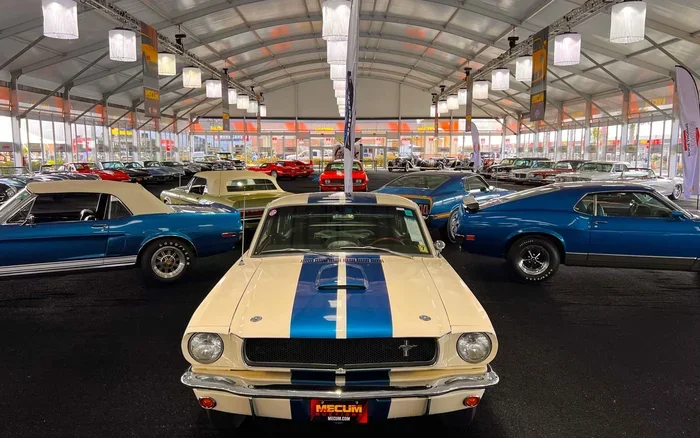
Auction houses specialize in selling collectibles to the highest bidder. They handle marketing, display, and the sale process for you. This option works best for high-value or rare collectible diecast cars.
You can find both physical and online auction platforms. Heritage Auctions and Potter & Potter are examples of houses that have handled diecast sales. Expect to pay a seller’s commission, usually a percentage of the final sale price.
Local Swap Meets and Toy Shows
Local events offer a personal selling experience. Swap meets and toy shows attract buyers who are passionate about diecast cars. You can negotiate face-to-face and avoid shipping hassles.
These events often require a booth fee, but the cost is usually low. Many sellers report that local shows produce fast sales and repeat customers. Check community boards, hobby shops, and diecast clubs for upcoming events in your area.
Estate Sales and Garage Sales
If you need to sell quickly, estate sales and garage sales can work. They attract bargain hunters and casual buyers who may not know the full diecast car price guide value of what they are buying.
This method works best for larger collections where you want a clean break. You can hire an estate sale company to handle everything, or run a garage sale yourself. Just be prepared to negotiate and accept lower offers for the convenience.
Specialized Diecast Forums and Groups
Online communities dedicated to diecast cars are goldmines for sellers. Forums like Diecast Forum, Diecast X Change, and various Facebook groups connect you directly with serious buyers.
These platforms build trust through community reputation. Many experienced collectors prefer buying from fellow enthusiasts rather than random online listings. Joining these groups and participating before selling can boost your credibility and sale price.
How to Determine Your Collection’s Value
Pricing a diecast car collection correctly is one of the most important steps. Overpricing scares buyers away, and underpricing leaves money on the table. Here is how to get it right.
Check Recent Sales Data
The best way to value your collection is to look at what similar models have sold for recently. eBay’s completed listings feature is a powerful tool. You can see actual sale prices, not just asking prices.
Also check sold listings on dedicated diecast forums and auction results. Keep in mind that condition plays a huge role. A mint model can sell for three to five times more than a worn one of the same line.
Consider Brand and Rarity
Not all diecast brands are equal. Models from Corgi, Dinky, Matchbox, and Corgi Junior often command higher prices. Limited edition runs, factory errors, and early production pieces are especially valuable.
Rarity drives demand. If you have a model with low production numbers or one that is no longer in circulation, its value will be higher. Research the specific series and production numbers to understand where your collection stands.
Get a Professional Appraisal
For high-value collections, a professional diecast car appraisal can provide a documented valuation. Appraisers understand market trends and can identify pieces that you might not recognize as valuable.
Appraisals are especially useful if you plan to sell through auction houses or estate companies. They also come in handy for insurance purposes if you decide to keep part of your collection.
Tips for Selling Your Diecast Collection Successfully
Selling a collection takes more than just listing items online. A little preparation goes a long way toward maximizing your return.
Photograph Everything Well
Clear, well-lit photos are essential. Take pictures from multiple angles. Show any markings, logos, or box details. Buyers want to see exactly what they are getting before they commit.
Use a plain background and natural lighting when possible. Avoid blurry or poorly lit images. Good photos build trust and reduce the number of questions you will need to answer.
Be Honest About Condition
Transparency sells. Describe every piece honestly, including any paint chips, rust, or missing parts. Misrepresenting condition leads to returns, negative feedback, and lost trust.
Use standard grading terms that collectors understand. Terms like mint, near mint, excellent, good, and fair are widely recognized. Include these descriptions for every item in your listing.
Bundle Smartly
Selling individual items can work, but bundling pieces together often moves faster. Create themed lots, such as a set of Ford models or a complete series from one brand. Bundles appeal to collectors who want to fill specific gaps in their collections.
Offer bundle discounts to encourage larger purchases. Even a small discount can make a buyer choose your lot over several smaller ones. It also saves you time on individual negotiations.
Know Your Buyer
Tailor your approach to each type of buyer. Collectors want detailed information about each model. Dealers want a clean, organized inventory list. Investors want proof of rarity and authenticity.
Write descriptions that speak to your target buyer. Include brand names, model numbers, year of production, and any special features. The more specific you are, the more confident buyers feel about purchasing.
Common Mistakes to Avoid When Selling Diecast Collections
Even experienced sellers make mistakes. Avoiding these common pitfalls can save you time, money, and frustration.
- Skipping research: Not knowing your collection’s value leads to poor pricing decisions. Always do your homework before listing anything.
- Ignoring shipping costs: Diecast models are fragile. Underestimating packing and shipping costs eats into your profits. Use proper packaging materials.
- Selling too quickly: Rushing a sale often means accepting low offers. Give yourself time to find the right buyer.
- Poor photography: Blurry or dark photos drive buyers away. Take the time to capture each piece clearly.
- Being vague in descriptions: Generic listings get ignored. Provide specific details about every model in your collection.
Expert Insights on the Diecast Car Market
The diecast car marketplace has evolved significantly over the past decade. Online platforms have made it easier than ever to connect buyers and sellers globally. According to industry observations, vintage models from the 1950s through the 1970s continue to hold strong value.
Hot Wheels and Matchbox remain the most popular brands among buyers. However, niche brands like Tekno, Norev, and Schuco have seen growing interest. Limited edition runs and collaboration models also attract serious attention from both collectors and investors.
Market trends show that condition is king. Sealed and mint-condition models consistently outperform played-with or opened pieces. If you have kept your collection stored properly, you have a significant advantage in the marketplace.
Frequently Asked Questions
Can I sell a partial diecast car collection?
Yes, absolutely. Many buyers prefer purchasing partial collections because they can cherry-pick specific models. You can sell individual pieces on eBay or Etsy, or bundle them into themed lots. Partial sales often work well when you want to keep certain favorites while clearing out the rest.
How much are diecast car collections worth on average?
The value varies widely based on brand, rarity, condition, and age. A casual collection might be worth a few hundred dollars, while a rare and mint collection can reach several thousand. Use completed eBay listings and price guides to estimate your collection’s worth accurately.
Is it better to sell diecast cars individually or as a lot?
It depends on your goals. Individual sales usually bring higher total revenue but take more time and effort. Selling as a lot is faster and more convenient, though you may earn less per piece. Many sellers use a hybrid approach, selling high-value pieces individually and bundling the rest.
Do diecast cars hold their value over time?
Some do, especially limited editions, vintage models, and rare variants. Common modern models generally do not appreciate much. The key factors that preserve value are mint condition, original packaging, low production numbers, and strong brand recognition.
What is the safest way to sell diecast cars online?
eBay and Etsy are the safest platforms for most sellers. They offer buyer and seller protection programs. Always use tracked shipping and pack items securely. Be transparent about condition and provide clear photos to avoid disputes and build trust with buyers.
Are there any diecast car collecting communities where I can sell directly?
Yes, there are many dedicated communities. Diecast Forum, Diecast X Change, and various Facebook groups are popular options. These communities foster trust among members and often result in smoother transactions. Participating in these groups before selling can also help you understand current market demand.
Final Thoughts
Selling a diecast car collection does not have to be overwhelming. Now that you know who buys diecast car collections and where to find them, you are in a strong position to make a successful sale. Whether you choose online marketplaces, local events, or auction houses, the key is preparation and honest communication.
Take the time to research your collection’s value. Photograph each piece carefully. Choose the right platform for your goals. And most importantly, be patient. The right buyer is out there, and with the right approach, you can turn your collection into a rewarding sale.
Start today. Explore the platforms mentioned in this guide, connect with communities of enthusiasts, and take the first step toward selling your diecast car collection with confidence. You have worked hard to build it, and now it is time to find it a new home where it will be appreciated.