35 % Tint on Car
A 35% tint on car offers a balanced mix of style, comfort, and protection. This medium shade blocks UV rays, reduces glare, and adds a sleek look to any vehicle. It is also one of the most popular choices among car owners because it stays within legal limits in most states. Whether you want heat rejection or extra privacy, 35% tint delivers solid results without going too dark.
Have you been thinking about adding a 35% tint on car windows? You are not alone. Thousands of drivers choose this shade every year for a simple reason — it works. A 35% tint strikes a sweet spot between style and function. It darkens your windows enough to look great while still letting in plenty of light. If you have been curious about window tinting but feel unsure where to start, this guide has you covered.
In this article, we will break down everything you need to know about a 35% tint on car. From the benefits and legal rules to the cost and installation process, we will walk you through each detail. By the end, you will know exactly whether this shade is the right fit for your vehicle. Let us dive in.
Key Takeaways
- Legal in Most Areas: 35% tint on car typically complies with window tint laws across many states.
- Great UV Protection: This shade blocks a significant amount of harmful ultraviolet rays.
- Comfort and Style: Reduces heat and glare while giving your car a polished, finished look.
- Easy Installation: Professional or DIY installation is straightforward with the right tools.
- Cost-Effective: 35% tint falls in the mid-range price bracket, making it budget-friendly.
- Good Visibility: Unlike darker tints, 35% still offers clear outward views for safe driving.
📑 Table of Contents
What Is a 35% Tint on Car?
The number 35% refers to the visible light transmission, or VLT, of the tint film. VLT measures how much light the tint allows to pass through your car windows. A 35% tint means that 35% of light gets through, and 65% gets blocked. This makes it a medium-dark shade that is noticeably darker than factory windows but not as dark as a 20% or 5% tint.
Most automotive tint films come in a range of percentages. The lower the number, the darker the tint. Here is a quick look at how different shades compare:
- 50% tint: Light and subtle. Blocks some heat and glare.
- 35% tint: Medium shade. Offers a good balance of style and function.
- 20% tint: Darker look. Provides more privacy and heat rejection.
- 5% tint: Very dark. Often called “limo tint.” Offers maximum privacy.
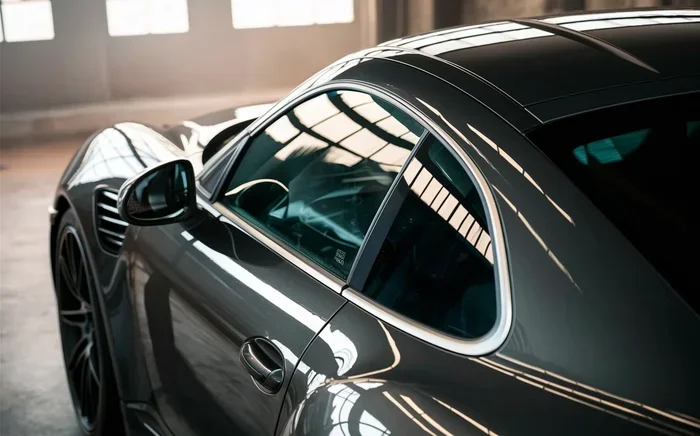
When people talk about a 35% tint on car, they are referring to this specific VLT level. It is a popular choice for sedans, SUVs, and trucks alike. The shade gives your car a refined, finished appearance without going overboard.
How Is Tint Percentage Measured?
Tint percentage is measured using a visible light transmission meter. This device shines light through the window and calculates the percentage that passes through. Professional installers use these meters to ensure the tint meets local legal tint requirements. You can also buy handheld VLT meters online if you want to check your tint at home.
Benefits of a 35% Tint on Car
There are many reasons why a 35% tint on car is such a popular choice. Let us explore the key benefits that make this shade stand out.
UV Protection for You and Your Interior
One of the biggest advantages of window tinting is UV protection. The sun emits harmful ultraviolet rays that can damage your skin over time. They also fade your dashboard, seats, and steering wheel. A quality 35% tint film blocks up to 99% of UV rays. This helps protect your health and keeps your car interior looking newer for longer.
Heat Rejection and Comfort
Driving in a hot car is no fun. A 35% tint on car windows can significantly reduce the amount of heat that enters your vehicle. The film reflects and absorbs solar energy, keeping the cabin cooler. This means less reliance on your air conditioning, which can improve fuel economy over time. On a hot summer day, you will notice the difference right away.
Glare Reduction for Safer Driving
Sun glare and headlight glare can be dangerous, especially during dawn and dusk. A 35% tint reduces the amount of glare that enters your car. This makes it easier to see the road clearly. You will experience less eye strain on long drives, which improves overall safety and comfort.
Privacy and Aesthetics
Let us be honest — a tinted car just looks better. A 35% shade gives your vehicle a sleek, polished appearance. It also adds a layer of privacy for you and your passengers. People outside cannot easily see into your car, which can deter potential thieves. Whether you are parked at the mall or driving through your neighborhood, the tint adds a touch of style.
Quick Tips for Maximizing Tint Benefits
- Choose a ceramic tint for the best heat rejection and clarity.
- Tint all side windows evenly for a uniform look.
- Combine your tint with a sunshade for parked cars on hot days.
- Ask about warranty coverage when purchasing your tint film.
35% Tint on Car Laws and Regulations
Window tint laws vary from state to state and even from country to country. Before you get a 35% tint on car installed, it is important to understand the rules in your area. Most states allow a 35% tint on the front side windows, but some have stricter limits. The rear windows and back windshield often have more relaxed rules.
Common Legal Requirements
Here are some general guidelines that many states follow regarding legal tint:
- Front Side Windows: Many states require a minimum VLT of 35% or 70% for front doors. Always check your local laws.
- Rear Side Windows: These often allow darker tints, sometimes as low as 20% or even 5%.
- Windshield: Most states only allow tint on the top strip of the windshield, not the full glass.
- Reflectivity: Some states limit how reflective the tint can be. Metallic or mirrored finishes may be restricted.
What Happens If You Break Tint Laws?
Driving with an illegal tint can result in fines. In some cases, you may be asked to remove the tint before your vehicle inspection passes. To avoid these issues, always work with a reputable installer who knows the local regulations. They can help you choose a shade that keeps you compliant and looking great.
Common Mistakes With Tint Laws
- Assuming all states have the same rules. Tint laws differ widely, so always verify before tinting.
- Forgetting about tint reflectivity limits. Some films are too reflective for legal use.
- Not getting a tint receipt or certificate. Keep documentation in case you get pulled over.
How Is a 35% Tint on Car Installed?
Installing a 35% tint on car is a process that requires patience and precision. While some people choose a DIY approach, most experts recommend professional installation for the best results. Here is an overview of how the process works.
Step-by-Step Installation Process
- Window Cleaning: The installer thoroughly cleans the inside of each window to remove dirt, dust, and oils. A clean surface is essential for proper adhesion.
- Film Cutting: The tint film is cut to match the exact shape of each window. Precision here prevents bubbles and misalignment.
- Application: The film is sprayed with a slip solution and carefully placed on the glass. The installer uses a squeegee to push out air and water bubbles.
- Trimming and Curing: Excess film is trimmed away, and the tint is left to cure. Curing time varies but typically takes 2-4 days.
DIY vs. Professional Installation
If you are handy and enjoy projects, a DIY tint kit can save you money. However, professional installation ensures a bubble-free, long-lasting finish. Professionals also have access to high-quality films and specialized tools. For most car owners, spending a little extra on professional work is well worth it.
Expert Insights on Installation
“The biggest mistake people make with DIY tinting is rushing the process,” says Jake Morrison, a certified auto detailer with over 12 years of experience. “Take your time with the cleaning step. If there is any dust trapped under the film, you will see it immediately. Also, always choose a film with a good warranty — it protects you if something goes wrong.”
35% Tint on Car Cost and Value
Cost is always a factor when considering a 35% tint on car. The price can vary based on several factors, including the type of film, the number of windows, and where you live. On average, a full car tint with 35% film costs between $200 and $500. Premium ceramic films can cost more, sometimes up to $800 for a full set.
What Affects the Tint Cost?
- Film Quality: Dyed films are cheaper, while ceramic and carbon films cost more but perform better.
- Number of Windows: Tinting all windows costs more than just the side doors or rear windows.
- Installation Labor: Professional installation adds to the total cost but ensures quality results.
- Location: Prices vary by region and the reputation of the tint shop.
Is 35% Tint Worth the Cost?
For most car owners, the answer is yes. A 35% tint on car provides excellent value. You get strong UV protection, heat rejection, and glare reduction at a mid-range price point. Compared to premium tints, it is more affordable. Compared to lighter tints, it offers better privacy and style. It is a win-win for most drivers.
Comparison Table: Tint Percentages and Features
| Feature | 35% Tint | 20% Tint | 50% Tint | 5% Tint |
|---|---|---|---|---|
| Light Transmission | 35% | 20% | 50% | 5% |
| Heat Rejection | Good | Very Good | Moderate | Excellent |
| UV Protection | 99% | 99% | 99% | 99% |
| Privacy Level | Medium | High | Low | Maximum |
| Legal in Most States | Yes | Sometimes | Yes | Rarely |
| Visibility (Outward) | Good | Fair | Excellent | Poor |
| Typical Cost Range | $200-$500 | $250-$600 | $150-$400 | $300-$700 |
Common Mistakes to Avoid with 35% Tint
Even though a 35% tint on car is a straightforward upgrade, some common mistakes can cause problems. Avoiding these pitfalls will help you get the best results.
Choosing the Wrong Film Type
Not all tint films are created equal. Dyed films are the cheapest but fade over time and offer less heat rejection. Metallic tints can interfere with cell phone and GPS signals. Ceramic films are the best performers but come at a higher price. Choose a film that matches your priorities and budget.
Ignoring Local Laws
As mentioned earlier, tint laws vary. Some people tint their car and then get stopped by police for having an illegal shade. Always research your state and local regulations before choosing a tint percentage. When in doubt, go with a lighter shade like 35% to stay on the safe side.
Skipping the Cure Time
After installation, your tint needs time to cure. During this period, you may notice some haziness or small bubbles. This is normal and usually clears up within a few days. Resist the urge to roll down your windows or clean the windows too soon. Giving the tint proper cure time ensures a long-lasting, bubble-free finish.
Not Maintaining the Tint Properly
A 35% tint on car can last 5 to 10 years with proper care. Use a non-ammonia cleaner to avoid damaging the film. Avoid harsh sponges or abrasive cloths when cleaning your windows. With simple maintenance, your tint will look great for years.
Key Takeaways on Avoiding Mistakes
- Pick the right film type for your needs and budget.
- Always check your local tint laws before installation.
- Allow full cure time before using your windows normally.
- Clean your tinted windows with gentle, ammonia-free products.
Is a 35% Tint on Car Right for You?
A 35% tint on car is a versatile and practical choice for most drivers. It offers a great balance of style, comfort, and legality. Whether you drive a sedan, SUV, or truck, this shade works well on any vehicle. It is dark enough to look stylish but light enough to stay within legal limits in most areas.
If you spend a lot of time driving, especially in sunny climates, the UV protection and heat rejection alone make it worth considering. If you value privacy and aesthetics, the 35% shade delivers a polished, finished look. And if you are on a budget, the cost is reasonable compared to darker or premium film options.
Before making your final decision, consider your priorities. Do you want maximum heat rejection? A 35% tint handles this well. Do you need the darkest legal shade? You might want to look at 20% instead. Do you just want a subtle upgrade? A 50% tint could work. The best tint is the one that fits your needs and your local laws.
In short, a 35% tint on car is a smart investment. It enhances your driving experience, protects your interior, and adds value to your vehicle. Take the time to research your options, choose a quality film, and work with a trusted installer. You will enjoy the benefits for years to come.
Conclusion
A 35% tint on car is one of the best choices you can make for your vehicle. It offers excellent UV protection, reduces heat and glare, and gives your car a polished, stylish look. The shade is legal in most areas, making it a worry-free option for everyday driving. Whether you are looking for comfort, privacy, or simply a better-looking car, 35% tint delivers on all fronts.
Remember to check your local laws, choose a quality film, and work with a professional installer for the best results. With proper care, your tint will last for years and continue to enhance your driving experience. So go ahead, explore your options, and give your car the upgrade it deserves.
Frequently Asked Questions
Can I tint my front windows with a 35% film?
In most states, yes. A 35% tint on car front side windows is legal in the majority of U.S. states. However, some states have stricter rules for front windows, so always check your local regulations before tinting.
How long does a 35% tint last on a car?
A quality 35% tint on car windows can last between 5 and 10 years. The lifespan depends on the film type, installation quality, and how well you maintain the tint. Ceramic films tend to last the longest.
Does a 35% tint make my car look darker inside?
Yes, a 35% tint reduces the amount of light entering your car, which makes the interior appear darker. However, you can still see out clearly, so visibility remains good for safe driving.
Is a 35% tint good for hot climates?
Absolutely. A 35% tint on car windows blocks a significant amount of solar heat, making it a great choice for hot and sunny climates. Pairing it with a ceramic film provides even better heat rejection.
Can I install a 35% tint myself?
You can, but it requires patience and the right tools. DIY tint kits are available online, but professional installation usually produces a cleaner, longer-lasting result. If you are new to tinting, consider starting with a professional.
Will a 35% tint affect my car’s resale value?
In most cases, a 35% tint on car can actually increase resale value. Many buyers appreciate the added UV protection, privacy, and style. Just make sure the tint is legal in your area to avoid any issues during a sale.