How Does the Oil System Work in Your Cars Engine
The oil system in your car is the heart of engine health. It circulates motor oil through passages to reduce friction, cool parts, and prevent wear. Understanding how the oil system works helps you keep your car running longer and avoid costly repairs. This guide breaks down every major component in simple terms.
Your car’s engine has hundreds of moving parts. These parts spin, slide, and grind against each other at incredible speeds. Without something to keep them safe, they would destroy each other in minutes. That “something” is the oil system.
The oil system is one of the most important systems in any vehicle. It delivers clean motor oil to every part of the engine that needs it. This keeps temperatures down, reduces wear, and helps your car run smoothly for years. Many car owners overlook this system until something goes wrong. But understanding how it works can save you time, money, and headaches.
In this guide, we will walk through every part of the oil system step by step. You will learn what each component does, how oil moves through the engine, and why regular maintenance matters. Whether you are a new car owner or a seasoned driver, this breakdown will give you real knowledge you can use.
Key Takeaways
- Oil Circulation: The oil pump pushes oil from the pan through filters and passages to every engine part.
- Lubrication is Key: The oil system reduces friction between metal parts, preventing overheating and damage.
- Oil Filter Matters: A clean filter keeps contaminants out and ensures smooth oil flow.
- Oil Pressure is Vital: Low or high oil pressure signals potential problems that need immediate attention.
- Regular Changes Save Money: Fresh oil and filters prevent buildup and extend engine life.
- Two Lubrication Types: Cars use either splash or forced lubrication systems depending on the engine design.
📑 Table of Contents
What Is the Oil System and Why Does It Matter?
The oil system is a network of parts that delivers lubricating oil throughout the engine. Think of it like the circulatory system in your body. Just as blood carries nutrients to organs, oil carries protection to engine parts.
Every engine needs lubrication to function. Metal parts rubbing together create heat and friction. Over time, this causes wear, warping, and eventually engine failure. The oil system prevents this by creating a thin film of oil between moving surfaces. This film reduces contact and keeps everything running cool.
Beyond lubrication, the oil system also cleans, cools, and seals the engine. Oil picks up tiny particles of dirt and metal shavings. It carries heat away from hot spots like the pistons and crankshaft. It even helps seal gaps between piston rings and cylinder walls. Without a working oil system, your engine would not survive long.
How the Oil Pump Drives the Whole System
The oil pump is the engine of the oil system itself. It sits inside the oil pan at the bottom of the engine. The pump draws oil in and pushes it through the system under pressure. Without the pump, oil would just sit there and do nothing.
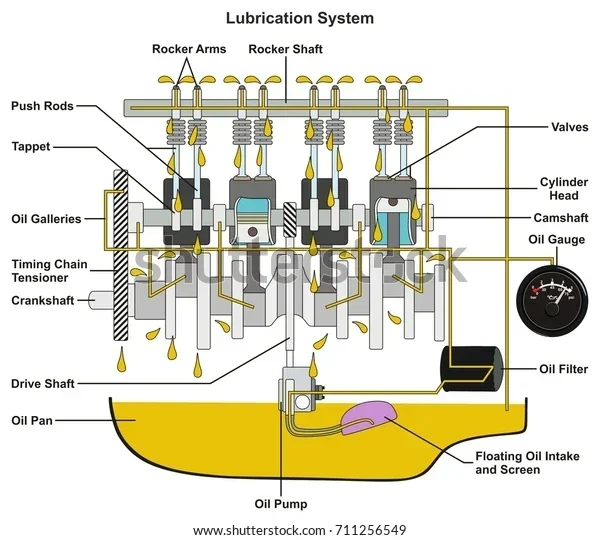
Most cars use a gear-type or rotor-type pump. These pumps are driven by the engine’s crankshaft. As the engine runs, the crankshaft turns the pump. The pump then creates suction that pulls oil through a pickup tube. From there, oil moves into the oil filter and then into the engine’s oil galleries.
The pump must maintain proper oil pressure at all times. Too little pressure means parts are not getting enough oil. Too much pressure can damage seals and gaskets. A oil pressure relief valve helps regulate this by diverting excess oil back to the pan.
Key Components of the Oil System
The oil system is made up of several important parts. Each one plays a specific role in keeping oil flowing correctly. Let us break down the main components you should know about.
The Oil Pan and Pickup Tube
The oil pan sits at the very bottom of the engine. It holds the oil when the engine is not running. The pickup tube connects to the oil pump and sits inside the pan. When the engine starts, the pump pulls oil up through this tube.
The pickup tube has a screen or filter at its end. This catches large debris and prevents it from entering the pump. Over time, this screen can clog. That is why it is important to change your engine oil regularly and keep the pan clean.
The Oil Filter: Your Engine’s Best Friend
The oil filter removes dirt, metal particles, and sludge from the oil. As oil flows through the filter, it passes through a dense paper or mesh element. Clean oil exits the filter and continues its journey through the engine.
A dirty filter restricts oil flow. This means less lubrication and more wear. Most manufacturers recommend replacing the oil filter every time you change the oil. This is a simple step that makes a big difference in engine health.
Oil Passages and Galleries
Once oil leaves the filter, it travels through oil passages drilled into the engine block. These passages are like tiny highways that carry oil to every corner of the engine. The oil galleries are the main channels that branch off into smaller paths.
Oil reaches the crankshaft bearings, camshaft, pistons, and valve train. Each of these parts relies on a steady supply of clean oil. If a passage gets blocked by sludge or debris, those parts can overheat and fail quickly.
The Oil Pressure Relief Valve
The oil pressure relief valve is a safety mechanism. It opens when pressure inside the system gets too high. This sends excess oil back to the oil pan before any damage occurs.
A stuck relief valve can cause serious problems. If it stays closed, pressure builds up dangerously. If it stays open, pressure drops too low. Either way, your engine suffers. Regular oil changes help keep this valve working properly.
How Oil Circulates Through the Engine
Now that you know the parts, let us follow the oil on its journey. Understanding the oil circulation path makes the whole system much easier to grasp.
Step 1: Oil Sits in the Pan
When the engine is off, all the oil settles in the oil pan. The pan is designed to hold several quarts of oil depending on the engine size. The oil rests there until the engine starts again.
Step 2: The Pump Activates
When you turn the key, the engine starts to crank. The crankshaft begins to spin, and it drives the oil pump. The pump creates suction and pulls oil up through the pickup tube. This is the very first step in the cycle.
Step 3: Oil Passes Through the Filter
The oil travels from the pump into the oil filter. Here, it gets cleaned before moving on. This is a crucial step because dirty oil causes wear and reduces engine efficiency.
Step 4: Oil Travels Through Passages
Clean oil exits the filter and enters the oil galleries. From there, it flows through narrow passages to reach the crankshaft main bearings, connecting rod bearings, and camshaft lobes. These are the areas under the most stress and heat.
Step 5: Oil Does Its Job
Once oil reaches the bearings and other parts, it forms a thin protective layer. This layer reduces friction, absorbs heat, and prevents metal-to-metal contact. The oil then drips back down by gravity or gets splashed around by moving parts.
Step 6: Oil Returns to the Pan
After doing its job, the oil flows back down to the oil pan. The cycle starts all over again. This continuous loop happens hundreds of times per minute while the engine runs.
Understanding Oil Pressure and Why It Matters
Oil pressure is the force that pushes oil through the system. It is measured in pounds per square inch, or PSI. Most engines run at 25 to 65 PSI when the engine is warm and idling.
Oil pressure drops when the engine is cold. This is normal because the oil is thicker and has not warmed up yet. Once the engine reaches operating temperature, the oil thins out and flows more easily. Pressure should then rise to a healthy level.
If your oil pressure gauge shows low readings, pay attention. Low pressure can mean low oil level, a failing pump, or clogged passages. High pressure might indicate a stuck relief valve or blocked filter. Either situation needs quick action.
The Two Main Types of Lubrication Systems
Not all oil systems work the same way. Cars use one of two main lubrication methods. Each has its own design and benefits.
Splash Lubrication
In a splash lubrication system, oil is not forced through passages under pressure. Instead, the crankshaft dips into the oil pan and splashes oil onto the cylinder walls and other parts. This method is simple and common in older engines and small engines.
Splash systems do not have an oil pump or filter in many cases. They rely on the engine’s own motion to distribute oil. While this works fine for low-speed engines, it does not provide the precision needed for modern high-performance cars.
Forced Lubrication
Most modern cars use a forced lubrication system. This system uses an oil pump to push oil through a filter and into pressurized passages. Every bearing, cam, and piston gets a steady supply of clean oil.
Forced lubrication allows for tighter engine tolerances and higher performance. It also includes an oil filter and sometimes an oil cooler. An oil cooler uses airflow or coolant to keep the oil temperature in check. This is especially important for turbocharged engines and heavy-duty vehicles.
| Feature | Splash Lubrication | Forced Lubrication |
|---|---|---|
| Uses Oil Pump | No | Yes |
| Uses Oil Filter | Rarely | Yes |
| Oil Distribution | Splashing from crankshaft | Pressurized through passages |
| Best For | Small engines, older cars | Modern cars, high-performance engines |
| Maintenance Needs | Low | Regular oil and filter changes |
| Engine Protection | Basic | Comprehensive |
Common Oil System Problems and How to Avoid Them
Even the best oil system can develop problems over time. Knowing what to watch for helps you catch issues early.
Low Oil Level
The most common problem is simply running low on oil. Oil burns off slowly over time, especially in older engines. If the level drops too low, the pump cannot pull enough oil from the pan. This leads to poor lubrication and potential engine damage.
Check your oil level at least once a month. Use the dipstick to get an accurate reading. Add oil when needed, and always use the type recommended by your car’s manufacturer.
Oil Sludge Buildup
Oil sludge is a thick, dark substance that forms when oil breaks down. It clogs oil passages and blocks the pickup tube. Sludge builds up when oil changes are skipped or when the wrong type of oil is used.
Prevent sludge by sticking to a regular oil change schedule. Use high-quality motor oil that matches your engine’s requirements. Short trips and stop-and-go driving create more sludge, so drive your car regularly to keep the oil flowing.
Oil Pump Failure
The oil pump can fail due to wear, lack of maintenance, or contamination. When the pump fails, oil stops circulating. The engine quickly overheats, and parts begin to grind and seize.
Signs of a failing pump include a whining noise from the front of the engine, low oil pressure on the gauge, and engine overheating. If you notice these symptoms, pull over safely and check your oil level immediately.
Clogged Oil Filter
A clogged oil filter restricts oil flow and reduces pressure. This starves the engine of lubrication. The filter should be replaced with every oil change to prevent this problem.
Some cars have a bypass valve in the filter housing. If the filter becomes too clogged, the bypass valve opens and lets oil flow around the filter. This keeps oil moving but means unfiltered oil is reaching the engine. This is a temporary fix and a sign you need to change the filter.
Quick Tips for Keeping Your Oil System Healthy
Maintaining your oil system does not have to be complicated. A few simple habits go a long way toward protecting your engine.
- Check your oil level monthly. A quick dipstick check takes less than a minute.
- Change your oil on schedule. Follow the interval recommended by your car’s manufacturer, typically every 5,000 to 7,500 miles.
- Always replace the oil filter. A fresh filter ensures clean oil flows through the system.
- Use the right oil type. Check your owner’s manual for the recommended oil viscosity grade.
- Watch for warning signs. Oil pressure lights, strange engine noises, and overheating are all red flags.
- Address leaks immediately. Even small leaks can drain your oil level over time.
- Warm up your engine gently. Let the car idle for 30 seconds to a minute before driving hard. This allows oil to reach all parts of the engine.
These small actions add up over the life of your vehicle. A well-maintained oil system can keep your engine running for hundreds of thousands of miles. Neglecting it, on the other hand, can lead to a total engine failure that costs thousands of dollars.
Key Takeaways
- Oil Pump Drives the System: The pump pulls oil from the pan and pushes it through the filter and passages.
- Oil Filter Keeps Oil Clean: Replacing the filter regularly prevents clogs and ensures proper flow.
- Oil Passages Distribute Lubrication: Clean galleries and passages deliver oil to every engine component.
- Oil Pressure Must Stay in Range: Both low and high pressure indicate problems that need attention.
- Forced Lubrication is Standard: Most modern cars use a pump-driven system with a filter and sometimes an oil cooler.
- Regular Maintenance is Essential: Oil changes, filter replacements, and level checks prevent most oil system problems.
Conclusion
The oil system is the unsung hero of your car’s engine. It works quietly in the background, keeping thousands of moving parts protected and cool. Without it, your engine would fail within minutes. Understanding how it works empowers you to take better care of your vehicle.
From the oil pump and oil filter to the oil passages and oil pan, every component plays a vital role. Follow the maintenance schedule your manufacturer recommends. Watch for warning signs like low oil pressure or strange engine noises. And never underestimate the value of a simple oil change.
A healthy oil system means a healthy engine. A healthy engine means fewer repairs, better performance, and a car that lasts longer. Take the time to learn about your car’s lubrication system today. Your future self will thank you when your engine keeps running strong for years to come.
Frequently Asked Questions
What happens if my oil system fails?
If the oil system fails, the engine loses lubrication. Metal parts start grinding against each other, causing extreme heat and friction. Within minutes, the engine can seize up completely, leading to a very expensive repair or even a full engine replacement.
How often should I change my oil to keep the oil system healthy?
Most manufacturers recommend changing your oil every 5,000 to 7,500 miles for conventional oil. Synthetic oil can last longer, sometimes up to 10,000 miles. Always check your owner’s manual for the specific interval recommended for your car.
Can low oil pressure damage the engine?
Yes, low oil pressure means the engine is not getting enough oil to its bearings and moving parts. This causes increased friction, overheating, and accelerated wear. Driving with low oil pressure for even a short time can cause permanent engine damage.
What is the difference between the oil system and the cooling system?
The oil system lubricates engine parts and reduces friction. The cooling system, which uses coolant and the radiator, removes excess heat from the engine. Both systems work together to keep the engine at a safe operating temperature.
Does the type of oil I use affect the oil system?
Absolutely. Using the wrong viscosity or low-quality oil can reduce lubrication, increase wear, and cause sludge buildup. Always use the grade of oil recommended by your car’s manufacturer to ensure the oil system works as designed.
How can I tell if my oil system has a leak?
Signs of an oil system leak include oil spots under your car, a burning oil smell, low oil levels between changes, and the oil pressure warning light on your dashboard. If you notice any of these, inspect the engine and oil system components right away.