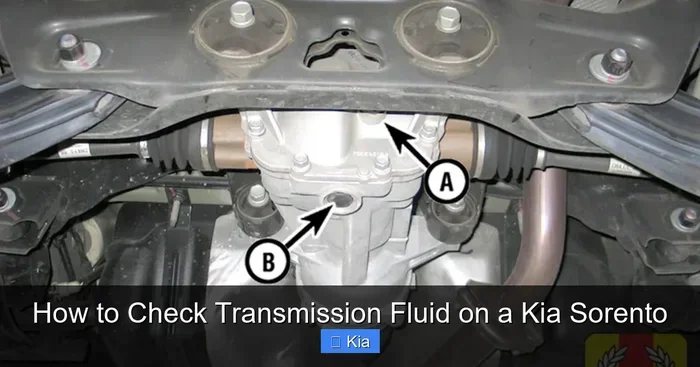
How to Check Transmission Fluid on a 2017 Kia Sorento
Need to know how to check transmission fluid on a 2017 Kia Sorento? This guide shows you the exact steps to get an accurate reading in minutes. You’ll learn where the dipstick is, what the fluid should look like, and how to avoid common mistakes that could damage your transmission.
If you drive a 2017 Kia Sorento, checking your transmission fluid level is one of the easiest ways to keep your SUV running strong. Many drivers ignore this simple task until problems appear, but a quick check can prevent expensive repairs and keep your Sorento transmission working smoothly. This guide walks you through the exact process step by step, so you can do it yourself in the garage.
Knowing how to check transmission fluid on a 2017 Kia Sorento takes just a few minutes and requires no special tools. You will learn where the dipstick sits, what the fluid should look like, and how to avoid common mistakes. Whether you are new to car maintenance or just need a refresher, this article gives you everything you need to stay on top of your vehicle’s health.
Key Takeaways
- Always check on a level surface with the engine warm and running for the most accurate transmission fluid level reading.
- The dipstick is located near the back of the engine bay and has a brightly colored handle for easy identification.
- Healthy fluid is translucent red and smells slightly sweet, while dark brown or burnt-smelling fluid signals a need for service.
- Never overfill the transmission because excess fluid can cause foaming, slipping, and erratic shifting.
- Change the fluid every 60,000 miles or sooner if you notice rough shifts or leaks.
- Use only Kia-recommended ATF to protect internal components and maintain warranty coverage.
📑 Table of Contents
- Why Checking Your Transmission Fluid Matters
- Locating the Dipstick on a 2017 Kia Sorento
- How to Check Transmission Fluid on a 2017 Kia Sorento
- What Healthy Transmission Fluid Looks Like
- Common Mistakes to Avoid When Checking Fluid
- When to Change the Transmission Fluid
- Keeping Your Sorento’s Transmission in Top Shape
Why Checking Your Transmission Fluid Matters
The transmission fluid plays a big role in your Sorento’s daily performance. It lubricates the internal gears, helps transfer power smoothly, and keeps the system cool. When the fluid level drops or the fluid becomes dirty, your automatic transmission may start to slip, hesitate, or shift harshly. Over time, low fluid can cause serious damage that leads to a costly rebuild.
Regular transmission maintenance also helps you spot leaks early. A small puddle under your SUV could mean a loose seal or a cracked pan. By checking the fluid often, you catch these issues before they grow. This simple habit extends the life of your transmission and keeps your 2017 Kia Sorento shifting like new.
Signs Your Fluid Level May Be Low
- Delayed engagement when you shift from Park to Drive
- Slipping or surging during acceleration
- Rough or jerky shifts between gears
- Unusual whining or buzzing noises
- Warning lights on the dashboard
Quick Tip: Make it a habit to check your transmission fluid level every 30,000 miles or whenever you notice any of the signs above. Catching a problem early saves you time and money.
Locating the Dipstick on a 2017 Kia Sorento
Before you can check the fluid, you need to find the transmission dipstick. On the 2017 Sorento, the dipstick is located near the back of the engine bay, close to the firewall. It is easy to spot because the handle is usually bright yellow or red, which sets it apart from the engine oil dipstick.
Open the hood and look along the back edge of the engine. You will see a long metal tube with a loop or T-shaped handle. That is your transmission dipstick. The tube goes down into the transmission housing, and the markings on the stick tell you whether the fluid is at the right level. If you are unsure, consult your owner’s manual for a diagram that shows the exact location.
Expert Insight: Some newer vehicles have sealed transmissions without a dipstick, but the 2017 Kia Sorento still uses a traditional dipstick design. This makes DIY checks simple and straightforward.
How to Check Transmission Fluid on a 2017 Kia Sorento
Now that you know where the dipstick is, let’s walk through the actual process. Follow these steps carefully to get an accurate transmission fluid level reading.
Park on a Level Surface and Warm Up the Engine
First, park your Sorento on a flat, level surface. Engage the parking brake and start the engine. Let the engine idle for a few minutes until the transmission fluid reaches normal operating temperature. The dipstick gives the most accurate reading when the fluid is warm, but the engine should not be hot to the touch.
Pull the Dipstick and Wipe It Clean
With the engine still running, pull the dipstick out. Use a clean lint-free cloth or paper towel to wipe the end completely. This removes any old fluid so you can see the true level and condition of the new fluid on the next pass.
Reinsert the Dipstick and Check the Marks
Push the dipstick all the way back in, then pull it out again. Look at the two marks on the stick. Most dipsticks have “Full” and “Add” lines, or a crosshatched area. The fluid level should fall between these marks. If it is below the lower line, you need to add more fluid.
Compare the Level to the Min and Max Lines
Hold the dipstick up to a light source so you can see the markings clearly. The fluid should sit near the top of the crosshatched area or right at the “Full” line. If it is at the “Add” line or below, you have a low transmission fluid level that needs attention.
Quick Tip: Always check the fluid with the engine running and in Park. Checking it with the engine off can give you a false low reading.
Common Mistake: Checking on an Incline
One of the most frequent errors is checking the fluid on a slope. Gravity can cause the fluid to pool toward the back of the pan, giving you an inaccurate level. Always park on a flat surface to get a true reading.
What Healthy Transmission Fluid Looks Like
The condition of the fluid tells you a lot about the health of your Sorento transmission. Fresh automatic transmission fluid (ATF) is typically translucent and reddish in color. It should feel slightly slippery and have a sweet, slightly nutty smell.
When you wipe the dipstick, pay close attention to the color and texture. Healthy fluid allows light to pass through it easily. If the fluid looks dark brown, milky, or has visible debris, it is time for a change. A burnt smell is a clear warning sign that the fluid has broken down from overheating.
| Healthy Fluid | Unhealthy Fluid |
|---|---|
| Translucent red | Dark brown or black |
| Smooth texture | Gritty or cloudy |
| Sweet smell | Burnt or acrid odor |
| No leaks around the dipstick tube | Potential leak or seal failure |
Quick Tip: If the fluid is dark but smells fine, you may still be due for a change. Follow the maintenance schedule in your owner’s manual to keep the transmission fluid level and quality in check.
Common Mistakes to Avoid When Checking Fluid
Even a simple task like checking fluid can go wrong if you are not careful. Here are a few mistakes that can lead to incorrect readings or damage.
Forgetting to Warm Up the Engine
Checking the fluid when the engine is cold gives a lower reading because the fluid has not expanded yet. Always let the engine idle for a few minutes so the transmission fluid reaches its normal operating temperature.
Overfilling the Transmission
Adding too much fluid is just as bad as having too little. Overfilling causes the fluid to foam, which reduces lubrication and can lead to erratic shifting. If you accidentally add too much, have a professional drain the excess.
Using the Wrong Type of Fluid
Not all ATF is the same. The 2017 Kia Sorento requires a specific type of automatic transmission fluid, usually SP-III or equivalent. Using the wrong fluid can harm internal seals and clutch packs. Always check your owner’s manual or ask your dealer for the correct specification.
Expert Insight: If you are unsure about the fluid type, stick with the factory-recommended transmission fluid. It is the safest choice for long-term protection.
When to Change the Transmission Fluid
Routine fluid changes keep your Sorento transmission in excellent condition. Kia recommends changing the automatic transmission fluid every 60,000 miles under normal driving conditions. If you tow, drive in stop-and-go traffic, or operate in extreme heat, you may need to change it sooner.
A transmission fluid change involves draining the old fluid, replacing the filter if equipped, and refilling with fresh ATF to the correct level. Many owners can do this at home with a few basic tools, but a professional transmission service ensures everything is done correctly.
If you notice any of the following, schedule a service right away:
- Fluid leaks under the vehicle
- Burning smell coming from the engine bay
- Warning lights or erratic shifting behavior
- Visible metal particles in the fluid
Quick Tip: Keep a record of your transmission maintenance in a simple notebook or phone app. Tracking fluid changes helps you stay ahead of problems and maintain your vehicle’s value.
Keeping Your Sorento’s Transmission in Top Shape
Beyond checking the fluid, a few simple habits can protect your transmission. Avoid sudden acceleration and hard stops whenever possible. Give your engine a few seconds to warm up in cold weather before driving. These small actions reduce stress on the internal components and help the fluid last longer.
Listen for any new sounds when you shift gears. A slight hum is normal, but grinding or whining indicates something is wrong. Addressing noises early can prevent a minor issue from becoming a major repair. With regular attention and proper transmission fluid level checks, your 2017 Kia Sorento will continue to shift smoothly for years to come.
Now you know exactly how to check transmission fluid on a 2017 Kia Sorento. The process is simple, fast, and well worth the few minutes it takes. Make this check part of your routine vehicle care, and you will enjoy a more reliable, better-performing SUV every time you drive.
Frequently Asked Questions
What type of transmission fluid does the 2017 Kia Sorento use?
The 2017 Kia Sorento requires SP-III automatic transmission fluid or an equivalent approved by Kia. Using the correct fluid protects the internal components and ensures smooth shifting. Always check your owner’s manual for the exact specification.
Can I check the transmission fluid with the engine off?
It is best to check the fluid with the engine running and warmed up. The fluid expands when hot, and checking it in Park with the engine idling gives the most accurate level reading. A cold check can show a falsely low level.
How often should I check my Sorento’s transmission fluid?
Check the fluid at least once every 30,000 miles or whenever you notice shifting issues. Regular checks help you catch leaks or contamination early, which prevents costly transmission repairs down the road.
What happens if the transmission fluid is too low?
Low fluid causes increased friction and heat inside the transmission. This can lead to slipping, rough shifts, and eventually severe damage. If your level is low, add the correct fluid slowly and recheck the level to avoid overfilling.
Is it normal for transmission fluid to darken over time?
Some darkening is normal as the fluid ages and absorbs heat. However, if the fluid turns very dark brown or black and smells burnt, it has broken down and needs to be replaced. Fresh fluid should remain translucent and reddish.
Can I change the transmission fluid myself?
Yes, many owners can perform a fluid change at home with basic tools and the correct ATF. You will need to drain the old fluid, replace the filter if applicable, and refill to the proper level. If you are not comfortable doing it yourself, a professional transmission service is a safe alternative.