2020 Tesla Model 3 USB Ports Everything You Need to Know
The 2020 Tesla Model 3 USB ports offer a reliable way to charge devices and play media on the go. Understanding how these ports work helps you avoid frustration and get the best experience from your Tesla’s infotainment system.
If you own or are considering a 2020 Tesla Model 3, you probably have questions about the USB ports. Where are they located? Do they support fast charging? Can you use them for media playback? These are common questions, and the answers are simpler than you might think.
The 2020 Tesla Model 3 USB ports are a key part of the car’s daily usability. Whether you need to charge your phone on a long road trip or play music for the kids in the back seat, these ports make it all possible. Let’s dive into everything you need to know.
Key Takeaways
- Multiple USB Port Locations: The 2020 Tesla Model 3 has USB ports in several areas, including the front console, rear seats, and center armrest.
- USB-A and USB-C Options: The 2020 model includes both USB-A and USB-C ports, giving you flexibility for different devices.
- Charging Speed Varies: Not all USB ports deliver the same power output, so knowing which port to use matters for faster charging.
- Media Playback Works Seamlessly: You can play music, podcasts, and videos through the USB ports using the Tesla infotainment system.
- Common Issues Have Simple Fixes: Problems like ports not working or slow charging often have easy troubleshooting solutions.
- Accessories Can Boost Performance: Using the right USB cables and adapters improves your overall experience with the 2020 Tesla Model 3 USB ports.
📑 Table of Contents
- Where Are the USB Ports Located on a 2020 Tesla Model 3?
- Types of USB Ports on the 2020 Tesla Model 3
- Charging Speed and Power Output
- Media Playback Through USB Ports
- Common Issues and Troubleshooting
- Best Accessories for 2020 Tesla Model 3 USB Ports
- Expert Tips for Getting the Most from Your USB Ports
- How the 2020 Tesla Model 3 USB Ports Compare to Other Years
- Final Thoughts
Where Are the USB Ports Located on a 2020 Tesla Model 3?
One of the first things people want to know about the 2020 Tesla Model 3 USB ports is their location. Tesla placed these ports in several strategic spots throughout the cabin. This design ensures that everyone in the car can access a charging port or media connection easily.
Front Center Console USB Ports
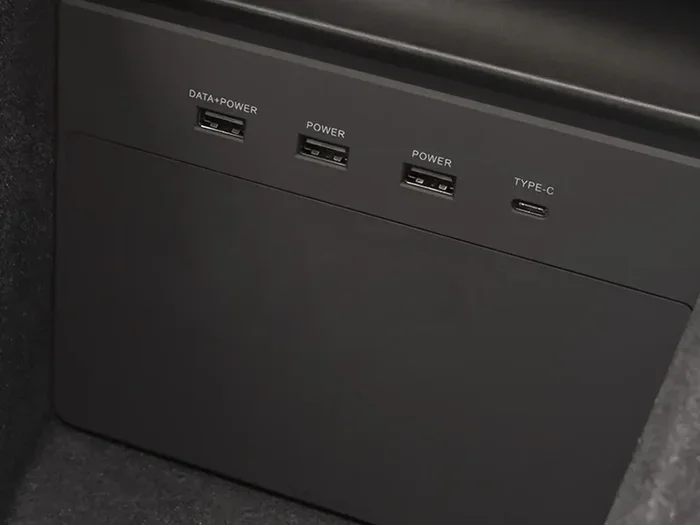
The front center console area has USB ports that are easy to reach for the driver and front passenger. These ports sit in the center stack, right between the climate controls and the infotainment screen. You can plug in a phone or a USB drive without reaching down or digging around.
The 2020 Model 3 typically includes a mix of USB-A and USB-C ports in this area. This gives you options for both older and newer devices. If you have an iPhone with a Lightning cable, the USB-A port works great. If you use a USB-C cable, you’ll find a compatible port nearby.
Rear Seat USB Ports
The back seat passengers also get their own set of 2020 Tesla Model 3 USB ports. These are usually found in the center armrest or on the back of the front seats, depending on the trim level. This is a thoughtful design that keeps rear passengers entertained and charged during long drives.
For families, this is a big deal. Kids can plug in tablets or phones to watch movies or play games. You can also connect a USB drive loaded with music or podcasts for everyone to enjoy. The rear USB ports support both charging and media playback through the Tesla infotainment system.
Center Armrest USB Ports
Some 2020 Tesla Model 3 configurations include USB ports in the center armrest. This is a convenient spot for rear passengers who want to charge their devices or connect a USB drive. The armrest ports are easy to access and keep cables tucked away, reducing clutter in the cabin.
Not all trim levels have the same number of ports, so it’s worth checking your specific model. The Standard Range Plus and Long Range versions may have slightly different configurations. Tesla updated some features throughout the 2020 model year, so there can be minor differences between early and late production units.
Types of USB Ports on the 2020 Tesla Model 3
The 2020 Tesla Model 3 USB ports come in two main types: USB-A and USB-C. Each type has its own advantages, and knowing the difference helps you choose the right cable and get the best performance.
USB-A Ports
USB-A ports are the traditional rectangular-shaped connectors that have been around for years. Most people are familiar with them from older phones, tablets, and accessories. On the 2020 Tesla Model 3, USB-A ports are commonly found in the front console area.
These ports work well for standard charging. They typically deliver up to 2.5 watts of power, which is enough to slowly charge most smartphones. However, if you want faster charging speeds, USB-A may not be the best option for power-hungry devices.
USB-C Ports
USB-C ports are the newer, smaller, reversible connectors that many modern devices use. The 2020 Tesla Model 3 includes USB-C ports in certain locations. These ports support faster data transfer and can deliver more power compared to USB-A.
USB-C is especially useful for devices that support quick charging protocols. If you have a newer Android phone or a tablet with USB-C, you’ll benefit from using these ports. They also work great for connecting USB drives to the Tesla media system for playing music or videos.
Charging Speed and Power Output
When it comes to charging your devices through the 2020 Tesla Model 3 USB ports, speed matters. Not all ports deliver the same amount of power, and understanding this can save you from frustrating slow charges.
How Fast Do the USB Ports Charge?
The front USB-A ports on the 2020 Tesla Model 3 typically provide around 2.5 watts of power. This is enough for basic phone charging but won’t juice up your device quickly. If you’re on a long trip and need a fast charge, you might find these ports a bit slow.
The USB-C ports, on the other hand, can deliver more power depending on the cable and device. Some setups support up to 15 watts or more. This makes USB-C the better choice for quick charging sessions, especially when you’re short on time.
Tips for Faster Charging
Here are some practical tips to get the most out of your 2020 Tesla Model 3 USB ports for charging:
- Use High-Quality Cables: Cheap or damaged cables can slow down charging significantly. Invest in certified cables that match your device.
- Close Background Apps: If your phone is running many apps while charging, it uses power faster than the port can supply. Close unnecessary apps to speed things up.
- Turn on Airplane Mode: Switching to airplane mode reduces power draw and lets your phone charge faster through the USB ports.
- Use a USB-C Cable When Possible: USB-C cables generally support higher wattage, which means faster charging for compatible devices.
- Avoid Using the Phone While Charging: Using your phone while it charges through the USB port slows down the process. Let it charge uninterrupted for the best results.
Media Playback Through USB Ports
The 2020 Tesla Model 3 USB ports aren’t just for charging. They also serve as a gateway for media playback. You can connect USB drives, phones, and other devices to enjoy music, podcasts, and videos through the car’s infotainment screen.
Playing Music from a USB Drive
One of the simplest ways to enjoy music in your Tesla is by plugging in a USB drive loaded with your favorite songs. The 2020 Tesla Model 3 supports common audio file formats like MP3, AAC, and FLAC. Just insert a formatted USB drive into one of the front USB ports, and the infotainment system will recognize it.
You can browse your music library by artist, album, or folder directly from the touchscreen. This feature is great for road trips when you want offline access to thousands of songs without using cellular data. The USB drive also charges your phone if needed while you play music.
Connecting Your Phone for Media
You can also connect your phone directly to the 2020 Tesla Model 3 USB ports for media playback. Once connected, the Tesla screen can display your phone’s music app, allowing you to control playback from the touchscreen. This works with both Apple and Android devices.
For Android users, connecting via USB-C also allows you to mirror your phone’s screen in some cases. iPhone users can use the Lightning-to-USB-C cable to connect and access Apple Music or other audio apps. The connection is stable and responsive, making it a reliable option for daily commutes.
Video Playback Considerations
The Tesla Model 3 does support video playback through USB drives, but there are some restrictions. Video playback is generally limited to when the car is parked. This safety feature prevents distractions while driving. When the car is in park, you can watch movies or shows from a connected USB drive or phone.
The 2020 Tesla Model 3 USB ports handle video files in common formats like MP4 and MKV. Just make sure your USB drive is formatted correctly and the files are compatible. This is a great feature for keeping passengers entertained during rest stops or while the car is charging at a Supercharger station.
Common Issues and Troubleshooting
Like any tech feature, the 2020 Tesla Model 3 USB ports can sometimes have issues. Most problems are easy to fix with a few simple steps. Here are the most common issues and how to solve them.
USB Port Not Recognizing a Device
If your Tesla doesn’t recognize a device when you plug it in, don’t panic. Start by trying a different USB port. Sometimes a single port may have a loose connection or a minor software glitch. A simple switch can often solve the problem.
Next, check your cable. Faulty or low-quality cables are a common culprit. Try a different cable that you know works well with your device. If the issue persists, restart the Tesla infotainment system by holding down the scroll wheels on the steering wheel. This soft reset often clears up connectivity issues.
Slow Charging or No Charging
Slow charging is a common complaint about the 2020 Tesla Model 3 USB ports. As mentioned earlier, USB-A ports have limited power output. If you need faster charging, switch to a USB-C port or use a different cable.
If a port isn’t charging at all, inspect the port for dust or debris. Over time, lint and small particles can build up and block the connection. Use a soft brush or compressed air to clean the port gently. Avoid using sharp objects, as they can damage the port’s internal pins.
Media Files Not Playing
If your USB drive or connected phone isn’t playing media, check the file format. The Tesla infotainment system supports specific audio and video formats. If your files are in an unsupported format, they won’t play. Convert your files to compatible formats like MP3 for audio or MP4 for video.
Also, make sure your USB drive is formatted correctly. The Tesla system works best with FAT32 or exFAT formatted drives. If your drive uses NTFS, you’ll need to reformat it for compatibility. Remember to back up your files before reformatting, as this process erases all data on the drive.
Best Accessories for 2020 Tesla Model 3 USB Ports
Adding the right accessories can enhance your experience with the 2020 Tesla Model 3 USB ports. Here are some recommendations that make a real difference.
High-Quality USB Cables
A good USB cable makes all the difference. Look for cables that are braided for durability and support fast charging standards. Anker, Belkin, and Cable Matters are trusted brands that offer reliable options. For USB-C connections, make sure the cable supports the power delivery your device needs.
USB Hub or Multiport Adapter
If you have multiple devices but limited USB ports, a small USB hub can be a lifesaver. A compact USB-C hub with multiple ports lets you charge several devices at once. Just make sure the hub doesn’t draw too much power, as the Tesla’s USB ports have limited output.
Wireless Charging Pad
While not a USB accessory, a wireless charging pad is a great complement to the 2020 Tesla Model 3 USB ports. Some Tesla owners use wireless charging on the center console and reserve the USB ports for devices that don’t support wireless charging. This keeps things organized and reduces cable clutter.
Expert Tips for Getting the Most from Your USB Ports
Here are some expert tips that help you maximize the potential of the 2020 Tesla Model 3 USB ports:
- Label Your Cables: With multiple ports in different locations, it helps to label your cables. This way, you always know which cable goes where and can swap them quickly when needed.
- Keep a Spare Cable in the Trunk: Having an extra USB cable in the trunk ensures you’re never stuck with a dead phone. Choose a cable that works with both USB-A and USB-C for maximum versatility.
- Update Your Tesla Software: Tesla regularly releases software updates that improve USB port performance and add new features. Keep your car’s software up to date for the best experience.
- Use a USB Drive for Road Trips: Pre-load a USB drive with music, podcasts, and movies before long trips. This saves cellular data and keeps everyone entertained without relying on streaming.
- Avoid Cheap Knockoff Cables: Low-quality cables can damage your devices or deliver inconsistent charging speeds. Spend a little more on certified cables for reliable performance.
- Clean the Ports Regularly: Dust and debris can accumulate in USB ports over time. A quick cleaning every few weeks keeps connections strong and reliable.
How the 2020 Tesla Model 3 USB Ports Compare to Other Years
The 2020 Tesla Model 3 USB ports represent an improvement over earlier model years. Tesla refined the port layout and added USB-C support in some configurations. Compared to the 2019 model, the 2020 version offers better media playback options and more consistent charging performance.
Later model years continued to evolve, but the 2020 version strikes a good balance between features and reliability. If you’re deciding between model years, the 2020 Tesla Model 3 is a solid choice for USB connectivity and overall cabin technology.
Final Thoughts
The 2020 Tesla Model 3 USB ports are a practical and well-designed feature that adds real value to your daily driving experience. From convenient front console ports to rear seat charging options, Tesla thought about how people actually use their cars. Whether you’re charging your phone, playing music from a USB drive, or keeping the kids entertained on a long trip, these ports deliver.
By understanding where the ports are, what types they are, and how to troubleshoot common issues, you can get the most out of this feature. Add the right accessories and follow the expert tips, and your 2020 Tesla Model 3 USB ports will serve you well for years to come.
Take a few minutes to explore your car’s USB setup today. Plug in your devices, test the different ports, and figure out what works best for your needs. A little knowledge goes a long way toward a smoother, more enjoyable Tesla experience.
Frequently Asked Questions
How many USB ports does a 2020 Tesla Model 3 have?
The 2020 Tesla Model 3 typically has four to six USB ports depending on the trim level and configuration. These include a mix of USB-A and USB-C ports located in the front console, rear seats, and center armrest area.
Can I use the 2020 Tesla Model 3 USB ports to charge a laptop?
Yes, you can charge a laptop through the USB-C ports on the 2020 Tesla Model 3. However, charging speed may be slower than using a wall outlet, since the USB ports have limited power output. For best results, use a USB-C cable that supports power delivery.
Why is my USB port not working on my 2020 Tesla Model 3?
A USB port that isn’t working could be caused by a faulty cable, dust in the port, or a minor software glitch. Try a different cable or port first. If that doesn’t work, restart the infotainment system by holding down the scroll wheels on the steering wheel for about 10 seconds.
Can I play video files from a USB drive on the 2020 Tesla Model 3?
Yes, you can play video files from a USB drive when the car is in park. The 2020 Tesla Model 3 supports common formats like MP4 and MKV. Make sure your USB drive is formatted as FAT32 or exFAT for best compatibility.
Do the 2020 Tesla Model 3 USB ports support fast charging?
The USB-C ports on the 2020 Tesla Model 3 support faster charging compared to USB-A ports. However, the overall power output is still limited compared to a wall charger. For fastest charging speeds, use a wall outlet or a dedicated fast charger.
What USB cable should I use for my 2020 Tesla Model 3?
For Android devices, a USB-C cable works best. For iPhones, use a Lightning-to-USB-C or Lightning-to-USB-A cable. Always choose certified, high-quality cables to ensure reliable charging and data transfer through the 2020 Tesla Model 3 USB ports.
=== CONCLUSION ===
The 2020 Tesla Model 3 USB ports are a thoughtful and functional feature that enhances your daily driving experience. With multiple port locations, support for both USB-A and USB-C, and reliable media playback capabilities, these ports cover all your charging and entertainment needs.
By following the tips and troubleshooting steps outlined in this guide, you can solve most common issues and get the best performance from your Tesla’s USB ports. Whether you’re a new Tesla owner or have been driving one for a while, understanding these ports helps you use your car more effectively and enjoyably.