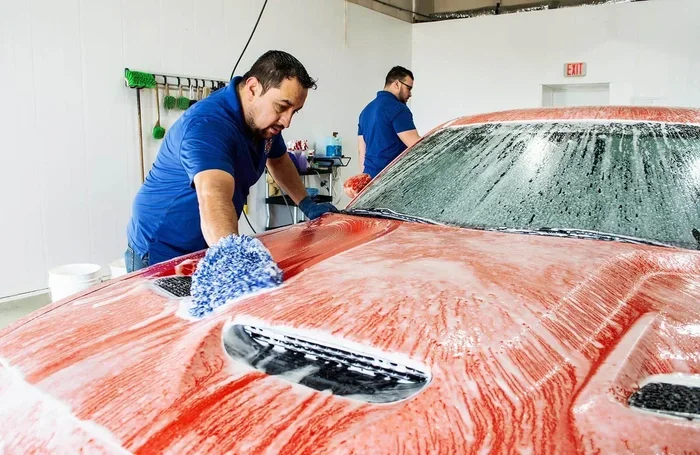
How Long Should You Wash Your Car for Best Results
So how long should you wash your car? The answer depends on your method, but a proper hand wash takes about 30 to 45 minutes. A quick rinse might only need 10 minutes, while a full detail can stretch to two hours or more. Understanding the right car wash time saves you effort and keeps your vehicle looking great between washes.
Have you ever stood in front of your car and wondered exactly how long should you wash your car? Maybe you are in a hurry. Maybe you have been putting it off for weeks. Either way, the time you spend washing your vehicle matters more than you think.
A car wash is not just about making things look shiny. It is about protecting your paint, removing harmful contaminants, and maintaining the value of your ride. But spending too little time leaves dirt behind. Spending too much time wastes effort and can even damage your finish if you are not careful.
In this guide, we will break down the perfect car wash duration for every method. You will learn exactly how long each step should take, what mistakes to avoid, and how to get professional-level results at home. Whether you prefer a quick rinse or a full detailing session, this article has you covered.
Key Takeaways
- A proper hand wash takes 30 to 45 minutes when you follow the right steps.
- Rushing your car wash can leave dirt behind and risk scratching your paint.
- The two-bucket method keeps your wash mitt clean and your car safe.
- Interior detailing adds 20 to 30 minutes to your total wash time.
- Washing too often or too rarely both harm your vehicle’s appearance and finish.
- Drying properly is just as important as washing and adds about 10 minutes.
- Timing your wash in the shade prevents soap from drying too fast on your paint.
📑 Table of Contents
- How Long Should You Wash Your Car for Best Results?
- The Ideal Car Wash Time Breakdown
- Hand Wash vs. Automatic Wash: Time Comparison
- Common Mistakes That Waste Your Time
- Quick Tips to Speed Up Your Car Wash Routine
- How Often Should You Wash Your Car?
- Expert Insights on Car Wash Timing
- Key Takeaways
- Conclusion
How Long Should You Wash Your Car for Best Results?
The short answer is that a standard hand wash should take between 30 and 45 minutes. But the full picture is more nuanced. Your car wash time depends on several factors, including the size of your vehicle, how dirty it is, and the method you use.
A compact sedan that has only been driven for a few days might need just 20 minutes. A large SUV covered in road grime and bird droppings could easily take an hour. The key is to give each step enough time without rushing through it. When you rush, you miss spots. When you miss spots, contaminants stay on your paint and cause damage over time.
Think of your wash time as an investment. Ten minutes of proper cleaning now can save you hundreds of dollars in paint correction later. So let us break down exactly where that time goes and how to get the most out of every minute.
What Affects Your Car Wash Duration?
Several things influence how long your wash takes. The first is the level of dirt. A vehicle parked in a garage for a week needs far less time than one parked under a tree for a month. The second factor is the size of your car. A full-size truck takes longer than a small hatchback. The third factor is the method you choose. A touchless automatic wash takes minutes, while a hand wash with interior cleaning takes much longer.
Weather also plays a role. Washing in direct sunlight causes soap to dry fast, which means you need to work in smaller sections and rinse more often. Cold weather can make your car soap thicker and harder to rinse off. All of these variables affect your total wash time.
The Ideal Car Wash Time Breakdown
Now let us look at a step-by-step breakdown of how long each part of your wash should take. This gives you a clear picture of where your minutes go and helps you plan your routine.
Step 1: Rinse and Pre-Wash (5 to 10 Minutes)
Start by rinsing your car with plain water. This removes loose dirt, leaves, and debris that could scratch your paint during the wash. Use a hose or a foam cannon attached to your pressure washer. Spend about 5 to 10 minutes on this step. Make sure you hit the wheels, wheel wells, and lower panels first since those areas collect the most grime.
Do not skip the pre-wash. Many people jump straight to scrubbing, but that grinds dirt into your paint. A good rinse loosens everything and makes the rest of the wash faster and safer.
Step 2: Washing the Exterior (15 to 20 Minutes)
This is the core of your wash. Use the two-bucket method — one bucket with soapy water and one with clean rinse water. Dip your wash mitt into the soap bucket, wash one section of the car, then rinse the mitt in the clean water bucket before dipping it again.
Work from top to bottom. The roof and upper panels are usually the cleanest. The lower panels pick up the most road salt and brake dust. Spending 15 to 20 minutes on this step ensures you cover every panel without missing spots.
Step 3: Rinsing Off the Soap (5 to 7 Minutes)
After you have washed the entire exterior, rinse thoroughly. Start from the top and let the water flow downward. Make sure no soap residue remains. Soap left on paint can leave streaks and spots when it dries. This step should take about 5 to 7 minutes for most vehicles.
Step 4: Drying the Car (10 to 15 Minutes)
Drying is just as important as washing. Use a clean, soft drying towel or a microfiber chamois. Pat the car dry or gently glide the towel across the surface. Do not rub aggressively. Spend 10 to 15 minutes drying every panel, including the mirrors, windows, and trim pieces.
Letting your car air dry leaves water spots that are hard to remove later. Proper drying also gives you a chance to spot any remaining dirt or missed areas.
Step 5: Interior Cleaning (15 to 30 Minutes)
If you are doing a full wash, take time for the interior too. Vacuum the seats and floor mats. Wipe down the dashboard, center console, and door panels with a suitable interior cleaner. Clean the windows with a glass-safe solution. This step adds 15 to 30 minutes depending on the size of your vehicle and how messy the interior is.
Hand Wash vs. Automatic Wash: Time Comparison
Not all washes are created equal. The method you choose has a huge impact on both wash duration and results. Here is a quick comparison.
| Wash Method | Average Time | Quality of Clean | Paint Safety |
|---|---|---|---|
| Quick Rinse | 5 to 10 minutes | Light dirt only | Safe |
| Hand Wash (Exterior Only) | 30 to 45 minutes | Excellent | Very Safe |
| Hand Wash (Full Detail) | 60 to 90 minutes | Outstanding | Very Safe |
| Touchless Automatic Wash | 5 to 10 minutes | Good | Moderate |
| Brush Automatic Wash | 5 to 10 minutes | Average | Risk of Scratches |
| Pressure Wash Only | 10 to 15 minutes | Moderate | Safe if Done Right |
A hand wash takes the most time, but it also gives you the best control. You can focus on problem areas, use the right amount of pressure, and choose cleaning products that suit your vehicle. Automatic washes are fast, but they often use harsh chemicals or stiff brushes that can damage your paint over time.
If you only have 10 minutes, a quick rinse is better than nothing. But if you want paint protection and a truly clean car, a proper hand wash is worth the extra time. Think of it this way: a 45-minute wash every two weeks keeps your car in great shape and reduces the need for costly detailing later.
Common Mistakes That Waste Your Time
Even with the best intentions, many car owners make mistakes that stretch their wash time or reduce the quality of their results. Here are the most common ones to avoid.
Using Dirty Water or a Dirty Wash Mitt
Reusing dirty water or failing to rinse your mitt properly pushes grime back onto your car. This creates swirl marks and scratches. Always use clean water in your rinse bucket and rinse your mitt frequently. This simple habit saves you from having to rewash sections.
Skipping the Pre-Rinse
Jumping straight into scrubbing is one of the biggest time wasters. You end up grinding dirt into your paint and then having to fix the damage. A proper rinse takes only a few minutes but prevents a lot of extra work later.
Washing in Direct Sunlight
Soap and water dry too fast in direct sun. This means you have less working time, and dried soap spots can form on your paint. You then need to spend extra time re-washing those spots. Choose a shaded area or wash in the early morning or late afternoon.
Not Having Your Supplies Ready
Starting a wash without everything within reach leads to constant interruptions. You have to stop and find your wash mitt, fetch more car soap, or grab a different towel. Set up all your supplies before you start. Keep buckets, towels, and products in a caddy or bin near your washing area.
Quick Tips to Speed Up Your Car Wash Routine
Sometimes you are short on time but still want a great result. These tips help you wash faster without cutting corners.
- Pre-rinse with a pressure washer. A pressure washer removes loose dirt in half the time compared to a regular hose. It is a game changer for your car cleaning routine.
- Use a rinse-free wash product. These sprays let you wipe and go without needing a full rinse. They are perfect for light dirt between full washes.
- Keep a wash caddy ready. Store all your supplies in one place. You will save 5 to 10 minutes just by not searching for things mid-wash.
- Wash in sections. Work panel by panel from top to bottom. This keeps your soap from drying and helps you stay organized.
- Use a dual-action dryer. A blower or quick-dry towel speeds up the drying process significantly. Air drying wastes time and leaves spots.
These small changes add up. You can easily cut 10 to 15 minutes off your wash time while still getting excellent results. The goal is efficiency, not cutting corners.
How Often Should You Wash Your Car?
Timing is not just about how long a single wash takes. It is also about how often you wash. Most experts recommend washing your car every two weeks under normal conditions. If you live near the ocean, drive on salted roads in winter, or park under trees, you may need to wash more frequently.
Regular washing prevents buildup of harmful substances like bird droppings, tree sap, and road salt. These contaminants eat into your clear coat and cause permanent damage if left too long. A consistent exterior car care routine keeps your paint healthy and your vehicle looking its best.
On the other hand, overwashing can also cause problems. Frequent washing strips away natural oils and wax protection from your paint. Balance is key. Wash often enough to keep contaminants off, but not so often that you remove protective layers.
If you are unsure about your schedule, a good rule of thumb is to wash whenever you notice a buildup of dirt or grime. A quick visual check after a rainstorm or a week of daily driving gives you a clear idea of when it is time.
Expert Insights on Car Wash Timing
Professional detailers often share a simple rule: spend as long as your car needs, but never rush the important steps. Here is what the experts say about washing your car properly.
Most professional detailers agree that the wash phase itself should never take less than 15 minutes for a standard sedan. Anything shorter usually means you are skipping steps or not giving enough attention to dirty areas. The drying phase should never be skipped either, even if you are in a hurry. A quick wipe-down with a microfiber towel takes less than five minutes and prevents water spots.
When it comes to vehicle maintenance, consistency matters more than perfection. A 30-minute wash done every two weeks beats a two-hour wash done once a month. Build a routine that fits your schedule and stick with it. Over time, your car will look better and require less intensive cleaning.
Key Takeaways
- A proper hand wash takes 30 to 45 minutes when you follow the right steps.
- Rushing your car wash can leave dirt behind and risk scratching your paint.
- The two-bucket method keeps your wash mitt clean and your car safe.
- Interior detailing adds 20 to 30 minutes to your total wash time.
- Washing too often or too rarely both harm your vehicle’s appearance and finish.
- Drying properly is just as important as washing and adds about 10 minutes.
- Timing your wash in the shade prevents soap from drying too fast on your paint.
Conclusion
So how long should you wash your car? The answer is clear. A proper hand wash takes 30 to 45 minutes for the exterior, and adding interior cleaning brings you to 60 to 90 minutes for a full detail. This car wash duration gives you the best balance of thorough cleaning and paint protection.
Remember that every step matters. The rinse, the wash, the second rinse, the dry, and the interior clean all play a role in keeping your vehicle in top shape. Skipping steps might save a few minutes now, but it costs you more time and money in the long run.
Start by building a simple routine. Keep your supplies organized, wash in the shade, use the two-bucket method, and take your time. In just a few weeks, you will see the difference in how your car looks and feels. Your vehicle deserves the care, and now you know exactly how long to give it. Happy washing!
Frequently Asked Questions
How long does a basic car wash take?
A basic hand wash of the exterior takes about 30 to 45 minutes. If you only do a quick rinse, it can be done in 10 minutes. A full detail including interior cleaning usually takes 60 to 90 minutes. The time depends on your vehicle size and how dirty it is.
Is it okay to wash your car every day?
Washing your car every day is not necessary and can actually harm your paint. Daily washing strips away wax and protective coatings. Most vehicles do well with a wash every one to two weeks. Adjust based on your driving conditions and how dirty your car gets.
What is the best time of day to wash your car?
The best time is in the early morning or late afternoon. Avoid washing in direct sunlight because soap and water dry too quickly, leaving streaks and spots. A shaded area or a covered driveway works perfectly for a relaxed wash.
Can you wash your car too long?
Yes, spending too much time on one area can cause soap to dry on your paint. This leads to streaks and spots that are hard to remove. Stick to the recommended time for each step and move on. Efficiency matters just as much as thoroughness.
Do I need to wax after every wash?
No, you do not need to wax after every wash. Waxing once a month or every six weeks is usually enough for most vehicles. Regular washing without wax still protects your paint, but adding wax every few weeks gives extra paint protection and a deeper shine.
How can I make my car wash faster without losing quality?
Use a pressure washer for the initial rinse, keep all supplies in a caddy, and wash in organized sections from top to bottom. A rinse-free wash product also saves time for light dirt. These tips cut 10 to 15 minutes off your routine without sacrificing results.