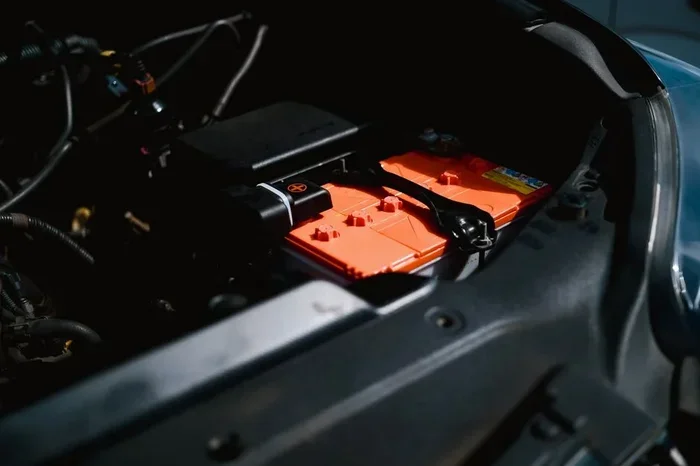
Car Battery Replacement Cost Everything You Should Know
Car battery replacement cost typically ranges from $100 to $300, depending on your vehicle type and battery brand. Several factors like battery group size, cold cranking amps, and labor charges can push the price higher or lower. Understanding these variables helps you make a smart buying decision and avoid overpaying. This guide breaks down everything you need to know about replacing your car battery affordably.
Key Takeaways
- Average cost: Most drivers pay between $100 and $300 for a full car battery replacement.
- Battery type matters: AGM batteries cost more than standard lead-acid units.
- DIY saves money: Replacing the battery yourself can cut labor costs entirely.
- Warranty is key: Look for batteries with at least a 3-year warranty for peace of mind.
- Signs of failure: Slow cranking, dim lights, and dashboard warnings signal a dying battery.
- Price comparison: Always compare prices across auto parts stores and local shops before buying.
📑 Table of Contents
- What Is the Average Car Battery Replacement Cost
- Factors That Affect Car Battery Replacement Cost
- How to Know When You Need a New Battery
- DIY vs Professional Battery Replacement
- How to Save Money on Car Battery Replacement
- Common Mistakes to Avoid When Replacing a Car Battery
- Expert Insights on Battery Replacement
- Conclusion
What Is the Average Car Battery Replacement Cost
Replacing a car battery is one of the most common repairs vehicle owners face. The car battery replacement cost usually falls between $100 and $300 for most standard vehicles. This price includes the battery unit itself and the labor charge if you visit a shop.
However, the total price can vary quite a bit. A basic sedan might need a battery that costs around $80 to $120. A large truck or luxury SUV could require a battery priced at $200 or more. Add labor costs, and your total bill can climb quickly.
Cost Breakdown by Vehicle Type
The type of vehicle you drive plays a big role in the final price. Here is a simple look at how vehicle type affects the cost.
- Compact cars: $100 to $150 total
- Mid-size sedans: $120 to $200 total
- Trucks and SUVs: $150 to $300 total
- Luxury or hybrid vehicles: $200 to $400+ total
As you can see, the car battery replacement cost goes up with the size and complexity of the vehicle. Hybrid and electric models often use specialized batteries that carry a higher price tag.
Factors That Affect Car Battery Replacement Cost
Not all battery replacements cost the same. Several key factors influence the final price you pay. Let us walk through each one so you know what to expect.
Battery Type and Technology
The kind of battery your car uses has a huge impact on price. Most standard vehicles use traditional lead-acid batteries. These are the most affordable option and widely available at every auto parts store.
However, many newer cars use AGM batteries (absorbed glass mat). These batteries offer better performance and last longer. They also cost more, sometimes double the price of a standard unit. If your car came with an AGM battery, you will need to replace it with another AGM battery.
Battery Group Size and Capacity
Every vehicle requires a specific battery group size. This refers to the physical dimensions and terminal placement. A battery that fits your car perfectly will match the group size listed in your owner’s manual.
Batteries with higher cold cranking amps (CCA) also cost more. CCA measures how well a battery starts your engine in cold weather. If you live in a cold climate, you may need a higher CCA rating, which adds to the car battery replacement cost.
Brand and Warranty
Brand name batteries from companies like Interstate, DieHard, and Optima tend to cost more than store-brand options. But they often come with better battery warranties and longer lifespans. A strong warranty can save you money in the long run if the battery fails early.
Most quality batteries come with a 3- to 5-year warranty. Some premium brands offer warranties up to 7 years. Always check the warranty length before you buy.
Labor Costs
If you take your car to a shop or dealership, labor charges add to the total. Most mechanics charge between $20 and $50 for a battery replacement. Some dealerships charge more, especially for luxury brands. The good news is that replacing a battery is a quick job, so labor costs stay low.
How to Know When You Need a New Battery
Knowing the signs of a failing battery can save you from getting stranded. Catching the problem early also helps you plan for the car battery replacement cost instead of dealing with an emergency.
Common Warning Signs
Watch for these clear signals that your battery is dying:
- Slow engine cranking: The engine turns over slowly when you start the car.
- Dim headlights: Lights appear dimmer than usual, especially at idle.
- Dashboard warning light: A battery or check-engine light appears on the dash.
- Corrosion buildup: White or blue powdery buildup appears on the battery terminals.
- Electrical issues: Power windows, radio, or other electronics respond slowly.
- Battery age: Most car batteries last 3 to 5 years. If yours is older, get it tested.
How to Test Your Battery
You can test your battery at most auto parts stores for free. They use a battery tester that checks voltage and CCA. A healthy battery should read around 12.6 volts when the engine is off. If the reading drops below 12.0 volts, it is time to consider a replacement.
You can also ask the technician to test your alternator at the same time. A failing alternator can damage a new battery quickly, so it is smart to check both.
DIY vs Professional Battery Replacement
One of the biggest decisions is whether to replace the battery yourself or visit a mechanic. Both options have clear advantages and drawbacks.
Doing It Yourself
Replacing a car battery is one of the easiest DIY repairs you can do. You need a wrench, gloves, and safety glasses. The process involves disconnecting the old battery cables, removing the hold-down clamp, and installing the new battery.
By going the DIY route, you eliminate labor costs entirely. You also get to choose the exact battery brand and model you want. Many stores like AutoZone and O’Reilly will even help you find the right battery for your vehicle model for free.
Just remember to recycle your old battery properly. Most stores accept old batteries for battery recycling at no charge.
Going to a Professional
If you are not comfortable working under the hood, a professional is a great choice. A mechanic will handle the entire job quickly and safely. They also know how to properly dispose of the old battery and reset any electronic systems if needed.
Some vehicles, especially modern ones, require a battery registration or programming step after replacement. Dealerships and advanced shops have the tools to handle this. For simple vehicles, a local mechanic or mobile mechanic service works perfectly fine.
How to Save Money on Car Battery Replacement
Nobody wants to overpay for a car battery. Here are some smart ways to keep the car battery replacement cost as low as possible.
Compare Prices Online
Before you buy, check prices at multiple stores. Big box retailers like Walmart and Costco often have competitive prices. Online retailers like Amazon and RockAuto sometimes offer even better deals. Always factor in shipping costs when buying online.
Look for Coupons and Promotions
Auto parts stores regularly run sales and offer coupons. Sign up for email newsletters to get notified of discounts. Some stores offer price matching, so bring a competitor’s ad if you find a lower price.
Check Your Warranty Coverage
If your car is still under warranty, the battery might be covered. Check your warranty terms carefully. Some bumper-to-bumper warranties include battery coverage for the first 3 years or 36,000 miles.
Also, if your battery dies while driving, some roadside assistance plans will cover the cost of a replacement or a jump start. Check with your insurance provider or AAA membership for details.
Maintain Your Battery Properly
Good maintenance extends battery life and delays replacement. Keep the terminals clean and free of corrosion buildup. Use a battery terminal cleaner brush every few months. Make sure the battery is securely mounted to prevent vibration damage.
Also, avoid leaving electronics on when the engine is off. Short trips that do not fully recharge the battery can shorten its lifespan over time. If you drive infrequently, consider using a battery maintainer or trickle charger.
Quick Tips to Extend Battery Life
- Have the battery tested every oil change.
- Keep the battery terminals clean and tight.
- Drive the car regularly to keep the battery charged.
- Turn off all accessories before shutting off the engine.
- Store the car in a garage during extreme cold or heat.
Common Mistakes to Avoid When Replacing a Car Battery
Even a simple repair can go wrong if you are not careful. Here are mistakes many people make when replacing a battery.
Buying the Wrong Battery Size
Always double-check the group size before you buy. A battery that is too small or too large will not fit properly. The battery group size is listed on the old battery label and in your owner’s manual.
Forgetting to Reset Electronics
Many modern cars lose radio presets, clock settings, and power window calibration after a battery swap. Some vehicles also need a computer reset. Ask your mechanic about this before the replacement if you are going the professional route.
Ignoring Corrosion
If the old battery has heavy corrosion, the new battery terminals can corrode faster. Clean the cable ends and battery tray before installing the new unit. A small amount of anti-corrosion spray goes a long way.
Skipping the Alternator Check
If your old battery died, the alternator might be the real culprit. A failing alternator will kill a new battery quickly. Always ask the shop to test the alternator before or during the replacement.
Expert Insights on Battery Replacement
We spoke with several certified mechanics about the car battery replacement cost and what drivers should know. Here is what the experts had to say.
Mark T., ASE-certified mechanic: “I always tell my customers to replace their battery before it dies completely. A weak battery can strain the starter motor and electrical system, leading to bigger repairs down the road.”
Sarah L., auto shop owner: “The biggest mistake I see is people buying the cheapest battery they can find. A quality battery with a good warranty saves money over time because it lasts longer and performs better.”
James R., roadside assistance coordinator: “Cold weather is the number one killer of car batteries. If you live up north, invest in a high CCA battery and have it tested every fall before the freeze hits.”
Conclusion
The car battery replacement cost is one of the most affordable repairs you will ever face. Most drivers can expect to pay between $100 and $300 for a complete replacement. The exact price depends on your vehicle type, battery brand, and whether you choose DIY or professional service.
By understanding the factors that affect the price, knowing the warning signs of a failing battery, and following the money-saving tips in this guide, you can make a smart and confident decision. Keep your battery maintained, compare prices before you buy, and always check the warranty. A little planning goes a long way toward avoiding surprise costs and keeping your car running strong.
Take action today. Check your battery age, look for warning signs, and have a replacement plan ready. Your wallet and your peace of mind will thank you.
Frequently Asked Questions
How much does it cost to replace a car battery?
The average car battery replacement cost ranges from $100 to $300 for most standard vehicles. Luxury cars and trucks may cost more, especially if they require specialized batteries like AGM units. Labor costs typically add $20 to $50 if you visit a shop.
Can I replace my car battery myself?
Yes, replacing a car battery is one of the easiest DIY repairs. You need basic tools like a wrench and some safety gloves. Make sure to disconnect the negative cable first and reconnect it last to avoid electrical shorts.
How long does a car battery last?
Most car batteries last between 3 and 5 years. Climate, driving habits, and maintenance all play a role. If you live in an area with extreme temperatures, your battery may wear out faster than average.
What is the difference between a standard battery and an AGM battery?
AGM batteries use absorbed glass mat technology for better performance and durability. They cost more than standard lead-acid batteries but last longer and handle deep discharges better. Check your owner’s manual to see which type your vehicle requires.
Does insurance cover car battery replacement?
Most standard auto insurance policies do not cover battery replacement. However, if your battery dies due to a covered event like a collision, it might be included. Some roadside assistance plans and extended warranties do cover battery costs.
What happens if I don’t replace a failing battery?
A weak battery can leave you stranded with a car that won’t start. It can also put extra strain on the alternator and starter motor, leading to more expensive repairs. Replacing a failing battery early saves you time, money, and a lot of hassle.